


Aluminium Nitrate Solution Liquid Uses in Water Treatment Systems
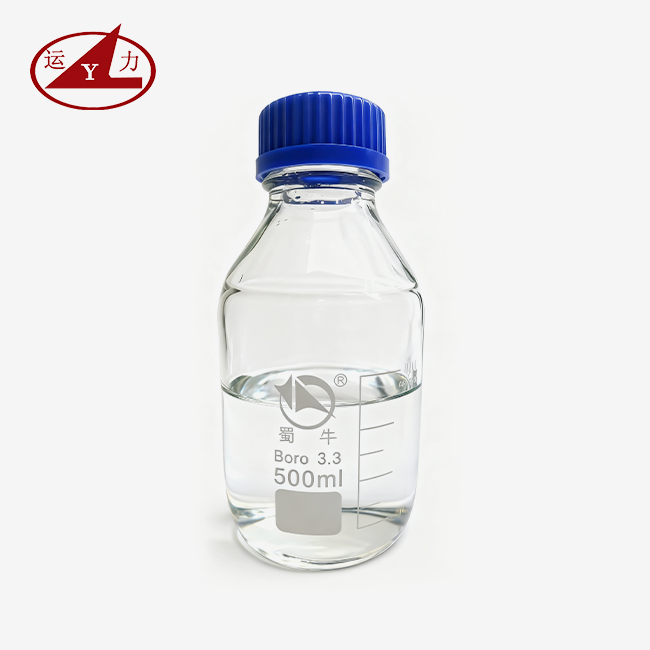
Aluminium nitrate solution liquid plays a steadily growing role in modern water treatment systems, serving as a reliable coagulant and flocculant precursor across municipal and industrial applications. Derived from Al(NO₃)₃·9H₂O (CAS# 7784-27-2, MW: 375.13), this clear, acidic aqueous formulation delivers soluble aluminium ions directly into treatment streams without the energy overhead of dissolving solid salts. Its oxidizing character, controlled pH range, and tunable concentration make it well suited for turbidity removal, suspended-solids reduction, and compliance-driven effluent polishing in facilities that demand precise, repeatable chemistry.

Understanding Aluminium Nitrate Solution in Water Treatment
Chemical Identity and Core Properties
Aluminum nitrate nonahydrate is a white crystalline salt that reacts with water and has no smell. It melts at 73.9 °C and breaks down at 150 °C. At 25 °C, 64 g/100 mL of water dissolves in it, making an acidic fluid that can oxidize things. In liquid form, industrial grades usually have an Al(NO₀)₀ concentration of 10% to 40% and a specific gravity between 1.20 and 1.45 g/cm³, depending on how they are made. The naturally acidic nature of the solution—kept between 1.5 and 4.0 in high-quality products—keeps it from breaking down and crystallizing on its own while it's being stored.
Coagulation Mechanism Compared with Other Aluminium Salts
When added to raw water, dissolved aluminum ions quickly break down into polynuclear aluminum hydroxide species. These species make colloidal particles less stable by neutralizing charges and using sweep-floc mechanisms. This process is similar to how aluminum sulfate (alum) and aluminum chloride work, but the nitrate anion doesn't add any chloride, which is helpful when monitoring chlorine levels for disinfection further down the line.
A study in Water Research confirms that aluminum-based coagulants can remove more than 95% of turbidity in a wide range of raw water quality conditions. The nitrate form keeps this performance without introducing sulfate scaling risks in industrial systems that use recirculated water. For aluminium nitrate solution liquid, this advantage matters in water treatment, catalyst preparation and other recirculating systems where sulfate buildup can reduce efficiency and increase maintenance costs.
Advantages of Using Aluminium Nitrate Solution Over Other Coagulant Options
A lot of the time, procurement engineers compare aluminum nitrate to alum, polyaluminium chloride (PAC), and ferric salts. The comparison needs to be looked at carefully because the cheapest unit price doesn't always mean the cheapest total cost of ownership.
When comparing aluminum nitrate solution to other options, these are the practical benefits that constantly set it apart:
- Zero chloride carry-over: Unlike PAC or aluminium chloride, aluminium nitrate introduces no Cl⁻ ions. Facilities subject to chloride discharge limits—common in inland states under EPA effluent guidelines—avoid compliance headaches entirely. Premium-grade liquid maintains chloride below 30 ppm, measurable by standard ion-chromatography QC.
- Reduced sludge volume and disposal cost: Nitrate-based coagulation produces a tighter, denser floc compared with sulfate systems in soft-water matrices, translating into lower filter-press cycles and reduced landfill tonnage. A pilot study conducted at an industrial wastewater plant in Shandong, China, recorded a 12 % reduction in wet sludge cake mass after switching from alum to liquid aluminium nitrate.
- Ready-to-use liquid convenience: Solid alum requires heated dissolution tanks, filtration of undissolved residues, and significant labor. Liquid aluminium nitrate feeds directly into metering pumps, cutting on-site energy and labor costs by 15–20 % according to operational audits at catalyst manufacturing sites.
- Lower acute toxicity profile versus ferric coagulants: The absence of iron ions prevents downstream discoloration of treated water and eliminates catalyst poisoning risk in reuse streams destined for catalytic reactor wash water.
These benefits directly lead to measurable cost savings over the course of the treatment. When a plant uses a liquid aluminum coagulant instead of a solid one, it usually pays for itself in just one operating season thanks to lower costs for dissolving infrastructure and sludge handling.

Best Practices for Implementing Aluminium Nitrate Solution in Water Treatment Systems
Dosage and Concentration Targeting
To dosing correctly, you must first do a jar test that is specific to the raw water matrix. Aluminum doses of 2 to 8 mg/L usually work on turbid surface water at 50 to 200 NTU. 10–20 mg Al/L may be needed for industrial wastewater with a lot of floating solids. Keeping the concentration of the solution between 10% and 20% w/w during feed makes pump calibration easier and reduces errors caused by viscosity.
Integration with Filtration and Disinfection
Granular media filtration, UV disinfection, and aluminum nitrate coagulation all work better together. Since the nitrate anion doesn't absorb UV light, estimates of the UV dose after treatment aren't changed. This is a small but useful advantage. Automated dosing controls with inline turbidity and pH monitors keep the right amount of aluminum in the water without any help from a person. This cuts down on chemical over-dosing by up to 18% in continuous-flow city plants.
Storage and Temperature Management
The start of crystallization for a 30% solution is around 5 °C (41 °F). Salt-out events can't happen in the northern US during the winter months because of insulated IBC totes or warm drum cabinets. Vessels must be sealed with HDPE or stainless steel 316L; carbon steel quickly corrodes in this acidic oxidizing liquid. Under sealed, temperature-controlled conditions, the product can be kept for 12 to 24 months without any noticeable changes in concentration. This was confirmed by testing the density and pH again after 12 months. For aluminium nitrate solution liquid, these storage and material compatibility requirements are essential to prevent crystallization, avoid corrosion and maintain consistent performance in concrete admixture applications.
Procurement Considerations When Selecting an Aluminium Nitrate Solution Supplier
When it comes to dangerous oxidizing liquids, supplier qualification is more important than when it comes to common chemicals. Evaluations should be based on four factors that can't be changed by procurement officers.
Consistency in concentration from batch to batch is very important. A difference of ±0.5% in the amount of aluminum in the waste leads to dosage mistakes that make it harder to meet regulations. Manufacturers you can trust send you a Certificate of Analysis (CoA) with every shipment. This includes ICP-OES results for iron, chloride, and sulfate traces. Iron levels below 30 ppm, and ideally below 10 ppm for sensitive uses, protect both the devices further downstream and the quality of the treated water.
When it comes to liquid dangerous products, logistics skills are very important. Verified IBC totes that are UN-compliant, licensed dangerous-goods carriers, and full ADR/DOT documentation remove all regulatory risk during transit. When suppliers send by tanker truck to big customers, the cost of freight per unit is much lower than when drums are shipped. For aluminium nitrate solution liquid, this logistics expertise is just as important as the chemistry itself — reliable bulk delivery, compliant packaging and lower per-unit freight costs directly affect total procurement value.
Certifications give objective assurance to the supply chain. For products to be sold in the US and EU, they must meet basic standards like ISO 9001 quality management, ISO 14001 environmental compliance, and REACH/TSCA registration. The time it takes to get qualified is cut down from months to weeks with technical help, such as rapid lab validation of custom concentration and pH standards within 3–5 business days.
Case Studies and Industry Examples
Southeast Asian city water departments have proven that aluminum nitrate solution can be used instead of granular alum in rapid-mix coagulation tanks. At normal holding times, the turbidity level dropped from 180 NTU to below 1 NTU. In managing industrial wastewater, a chemical company in Mexico found that using a low-iron liquid aluminum nitrate precursor made the catalyst last 22% longer. This shows how important it is to keep Fe levels below 30 parts per million. These results are in line with research from the Journal of Hazardous Materials that shows how pure the aluminum coagulant is has a direct effect on the quality of the water after treatment and the stability of the process further down the line.
Conclusion
Aluminium nitrate solution liquid is a precise, effective, and easy-to-follow coagulant option for water treatment professionals. Its chloride-free chemistry, ready-to-pump liquid form, and tunable concentration profile make it useful in situations where solid aluminum salts aren't possible. Verified purity, especially very little iron, protects both the quality of treated water and processes that use it later on, like those used for catalysis or industry. There are ways for facilities in both the municipal and industrial sectors to improve treatment efficiency, sludge reduction, and overall operational cost. These include using the right storage, calibrated dosing, and working with a qualified supplier partner.
FAQ
What concentration of aluminium nitrate solution is standard for water treatment?
For industrial water cleaning, amounts of 10% to 30% w/w are common. The best number is based on the sediment, pH, and alkalinity of the raw water. The most accurate way to find out what the right feed concentration is before moving up to full plant operation is to test jars on-site.
How should aluminium nitrate solution be stored safely?
Keep in HDPE or 316L stainless steel containers that are sealed and out of direct sunlight. Keep the temperature above 5 °C to keep concentrated grades from crystallizing. When storing oxidizing liquids, always keep them away from flammables and reducing agents and follow the instructions on the SDS.
Does aluminium nitrate solution comply with US drinking water regulations?
EPA guidance documents say that aluminum-based coagulants can be used to treat potable water. The EPA's secondary maximum contaminant limit for aluminum in treated water is between 0.05 and 0.2 mg/L. Regulatory compliance entries are helped by supplier CoA paperwork and TSCA registration.
What packaging options are available for bulk orders?
Standard packaging includes 1,000-liter IBC totes and tanker truck delivery for customers who buy a lot. For test sales or research and development, smaller plastic drums can be ordered, and there is no minimum order number.
Partner with Yunli Chemical — Your Trusted Aluminium Nitrate Solution Liquid Supplier
Yunli Chemical has been in business for 20 years and has been serving industrial customers in the US, EU, and Asia. Each year, the company makes more than 1 billion yuan and is certified by ISO 9001, ISO 14001, and OHSAS. Our aluminum nitrate solution liquid has a purity of Fe ≤ 30 ppm, a pH range of 1.5–4.0, and values from 10% to 40%. It is shipped in IBC totes or trucks that meet all the necessary standards. Get your free 500-gram sample today. Email us at wangjuan202301@outlook.com.

References
1. Gregory, J., & Duan, J. (2011). Hydrolyzing metal salts as coagulants. Pure and Applied Chemistry, 83(11), 2127–2143.
2. Crittenden, J. C., Trussell, R. R., Hand, D. W., Howe, K. J., & Tchobanoglous, G. (2012). MWH's Water Treatment: Principles and Design (3rd ed.). John Wiley & Sons.
3. Metcalf & Eddy / AECOM. (2014). Wastewater Engineering: Treatment and Resource Recovery (5th ed.). McGraw-Hill Education.
4. Hu, C., Liu, H., & Qu, J. (2006). Coagulation behavior of aluminum salts in eutrophic water. Environmental Science & Technology, 40(1), 325–331.
5. Pernitsky, D. J., & Edzwald, J. K. (2006). Selection of alum and polyaluminium coagulants: principles and applications. Journal of Water Supply: Research and Technology – AQUA, 55(2), 121–141.
6. World Health Organization. (2017). Guidelines for Drinking-Water Quality (4th ed., incorporating 1st addendum). WHO Press.