


Beyond the Basics: Unpacking the Uses of Calcium Nitrate
People have known for a long time that calcium nitrate is useful in gardening and concrete, but lately, businesses have been more interested in specific forms like Calcium Nitrite 30% Solution. This detailed study goes into the advanced uses of chemicals derived from calcium. It shows how modern chemistry has changed from its traditional uses to solve problems with key infrastructure. If procurement professionals understand these complex uses, they can make smart choices about industrial chemicals that protect concrete, stop rust, and provide measured value in today's tough building environment.
Comprehending Calcium Nitrite 30% Solution: Properties and Mechanism
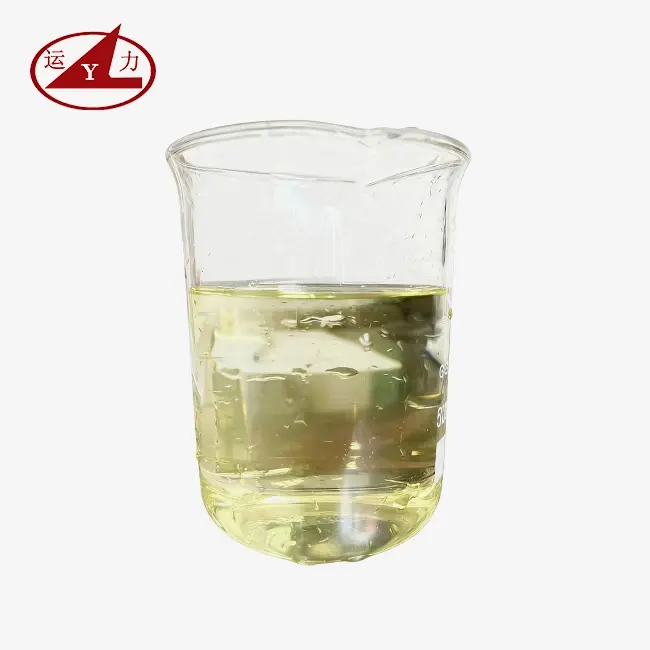
With its unique chemical makeup and way of working, Calcium Nitrite 30% Solution is a big step forward in the science of concrete admixtures. This special liquid has the chemical formula Ca(NO₂)₂ and the CAS number 13780-06-8. It is made up of 30% calcium nitrite by weight that has been dissolved in water to make a steady, clear to slightly yellow liquid.
Chemical Composition and Purity Standards
Extreme cleanliness standards are maintained by the solution, which is important for its best performance in tough situations. Some important requirements are a specific gravity of 1.28 to 1.32 g/cm³, a pH value of 9.0 to 11.0, and a salt level of less than 0.1%. These strict parameters make sure that the mixture is compatible with Portland cement materials and stops any unwanted side reactions that might weaken the structure.
Unlike calcium nitrate, which is mostly used as a set booster, calcium nitrite can also be used to stop rust and improve early strength. When purchasing, professionals look at different types of concrete additives. This difference is very important because the nitrite ion targets steel passivation, while the other ions just speed up the cement's hydration.
Corrosion Inhibition Mechanism
The main process includes the creation of an inactive layer of ferric oxide on the surfaces of steel reinforcements. Adding Calcium Nitrite 30% Solution to concrete mixes makes nitrite ions move to the steel-concrete contact, where they react with iron to make an oxide film that protects the steel. This process greatly lowers the amount of chloride needed to start rusting, which essentially adds decades to the service life.
Doses should be between 10 and 30 liters per cubic meter of concrete, but this depends on how much chloride is expected to be present. For the best safety in coastal settings or places where de-icing salt is used, the nitrite-to-chloride ratio should be higher than 0.90.
Environmental Profile and Safety Considerations
One big benefit over standard inhibitors is that they don't harm the environment. Compared to chromate-based options, the solution is less harmful, which supports environmentally friendly building methods. For proper keeping, containers made of stainless steel or sealed with metal must be kept above -15°C to stop hardening. The Material Safety Data Sheets give detailed instructions on how to handle the substance, highlighting that it is burning and listing the necessary personal safety equipment.
Application Scope of Calcium Nitrite 30% Solution in Construction
This Calcium Nitrite 30% Solution can be used in many different types of building projects and is especially useful for making reinforced concrete structures last longer. By understanding these uses, project managers can come up with the best security plans based on how the setting is being used.
Marine and Coastal Infrastructure
Construction sites near the coast are constantly attacked by salt from the water. Adding calcium nitrite is very helpful for bridge piers, seawalls, and marine ports because it stops high chloride loads that would otherwise quickly corrode steel. In splash zones, real-life case studies show that the service life can be extended from 50 years to over 100 years. This means that the investment will pay off in a big way because of lower upkeep costs.
Calcium nitrite additives were used successfully in precast concrete elements for the Port of Miami growth project. The elements met the design life requirements of 75 years, even though they were exposed to harsh sea conditions. This use showed how well the solution could keep the structure strong even after being wet and dry many times with seawater.
Parking Structures and Transportation Infrastructure
During the winter, de-icing salt is often used on highway bridges and parking lots. In these situations, Calcium Nitrite 30% Solution is very important because it keeps prestressed and post-tensioned concrete parts from rusting because of chloride. Because the solution also works as an antifreeze, building can continue in temperatures as low as -10°C, keeping projects on schedule even when the weather is bad.
Industrial Facilities and Specialized Applications
The solution can be used for more than just traditional construction. It can also be used for industrial cleaning, getting rid of heavy oil deposits, and making it easier for lubricants to mix. Its exact nitrite content is used in chemical processing plants for specialized manufacturing processes. This opens up new market possibilities beyond solid uses.
The compound's value can be seen in a wide range of industries, thanks to these different uses. This helps buying teams see adoption as an investment in the long-term health of assets, not just a cost of building.
Calcium Nitrite 30% Solution vs. Alternative Corrosion Inhibitors
When looking at different rust inhibitors, it's important to know about their performance, how they affect the environment, and the total cost of ownership. This study helps people who work in buying find the best options for each project's needs.
Performance Comparison with Traditional Inhibitors
When it comes to passivation, calcium nitrite works better than other options. While calcium nitrate speeds up the setting process but doesn't protect against rust, and sodium nitrite needs to be handled carefully because it could affect the sturdiness of the concrete, Calcium Nitrite 30% Solution does both at the same time. Zinc nitrite works, but it's bad for the environment and costs more per unit of defense. Organic inhibitors don't work very well in places with a lot of salt, so calcium nitrite is the best choice for very high exposure levels.
Economic Analysis and Value Proposition
The initial prices of calcium nitrite materials are higher than those of basic set boosters, but estimates of their total cost of ownership show that they are much better in many ways. When upkeep costs, extended service life, and saved replacement costs are taken into account, calcium nitrite usually gives a 3:1 return on investment over the life of a building.
Based on a price-value study, industrial-grade solutions cost between $2 and $4 per liter, and the end cost of materials per cubic meter of concrete is based on dose rates. Repairing structures costs about $200 to $500 per square meter, so using calcium nitrite to keep them from breaking makes a lot of economic sense.
Environmental and Regulatory Considerations
More and more, regulatory compliance prefers calcium nitrite inhibitors over chromate-based inhibitors because they have less of an effect on the environment. The answer meets the performance standards set by ASTM C1582 and also meets the requirements for LEED approval for environmentally friendly building practices. Aligning regulations makes the process of writing specifications easier and cuts down on the time it takes to get project approval.
Procurement Guide for Calcium Nitrite 30% Solution
To find a provider of Calcium Nitrite 30% Solution, you need to carefully look at their skills, quality control procedures, and how reliable their supply chain is. Good buying strategies keep risks to a minimum while increasing value creation.
Supplier Evaluation Criteria
Reliable makers keep both ISO 9001 quality management certification and approvals for specific concrete additives. Some important things to look at when judging are the ability to analyze, the record of batch uniformity, and the availability of expert help. For every package, suppliers should give full certificates of analysis that show the amount of nitrite, impurity levels, and physical qualities.
XiaXian Yunli Chemical has been making chemicals for over 20 years and has worked with more than 1,000 businesses around the world. These certifications—ISO 9001, ISO 14001, and OHSAS—show that they care about quality, the environment, and safety at work. As a Provincial Enterprise Technology Center, you have advanced research and development (R&D) skills that are needed to come up with new products and provide expert help.
Procurement Considerations and Logistics
Minimum order amounts change from supplier to seller. Well-known brands often offer flexible options to meet the needs of a wide range of customers. Samples of up to 500 grams are given away for free by Yunli Chemical so that customers can test them thoroughly before committing to buy in bulk. Their model of factory-direct supply cuts out middlemen and their markups, while also making sure that the products are real and of high quality.
Customized packaging can meet the needs of a wide range of projects, from small testing batches to large packages for big building projects. Different dosage formulations can be made to meet the needs of different applications. This gives buyers more choices without lowering quality standards.
Contract Negotiations and Risk Mitigation
A lot of the time, long-term supply deals save money and make sure that products are available during busy building seasons. The terms of payment should be based on how stable the supplier's finances are and how creditworthy the customer is. For foreign deals, letters of credit should be a choice. Supply problems can be avoided with "force majeure" terms, and project plan integrity can be maintained with delivery promises.
By offering on-site advice, mix design optimization, and performance tracking services, technical support agreements improve the delivery of value. These all-inclusive relationships lower the risks of execution while increasing the efficiency of mixing.
Best Practices for Using Calcium Nitrite 30% Solution in Your Projects
Calcium Nitrite 30% Solution must be handled correctly, dosed correctly, and its performance must be constantly checked. These methods make sure that workers are safe and that the earth is respected.
Dosage and Mixing Protocols
To reach the desired amount of security without affecting the concrete's qualities, precise dosage is necessary. Estimated chloride exposure, service life, and concrete mix design factors should all be taken into account when figuring out the dosage. In most cases, 15 to 25 liters per cubic meter are needed for mild exposure, and 25 to 35 liters are needed for harsh marine settings.
Adding the solution during the mixing process instead of mixing it with cement first makes it easy to use with current batching systems. It is best to add other ingredients one at a time so that they don't react badly with each other. This is especially important when using calcium chloride boosters, which can cause flash setting.
Safety and Handling Procedures
To protect workers, they need to wear the right safety gear, like gloves that can fight chemicals, safety glasses, and protective clothing. Calcium nitrite needs to be kept away from organic chemicals and things that can catch fire because it oxidizes. When mixing, ventilation systems should be able to handle the possibility of gas contact.
In order to clean up a spill, the substance must be diluted with water and neutralized with the right chemicals. In places where people meet, emergency showers and eyewash stations should be easy to get to. Staff members are taught the right way to handle situations and what to do in a case through training programs.
Performance Monitoring and Maintenance
For long-lasting results, you need to check the efficiency on a regular basis by checking for salt entry and measuring the rust potential. Before damage can be seen, half-cell potential scans find trouble spots so that repair can be done before it gets worse. Core sampling lets you directly measure the levels of salt and nitrite in concrete buildings.
Documentation methods keep track of how much mixing is used, how well it works, and how long it lasts so that guarantee claims and future project requirements can be met. Regular inspections make sure that problems are found early, while buildings are still affordable to fix.
Conclusion
A big step forward in concrete safety technology can be seen in the change from basic calcium nitrate uses to complex Calcium Nitrite 30% Solution formulas. This special blend solves important problems with infrastructure lifespan by stopping rust in tried-and-true ways. It also saves money compared to traditional security methods. When procurement workers know about these skills, they can choose solutions that provide measured value by increasing structural stability, extending service life, and lowering upkeep costs. The wide range of uses, from sea infrastructure to industrial buildings, shows how flexible and useful current calcium nitrite technology is in tough construction settings.
FAQ
What distinguishes Calcium Nitrite 30% Solution from calcium nitrate in concrete applications?
Calcium nitrite provides anodic corrosion inhibition by forming protective oxide layers on steel reinforcement, while calcium nitrate primarily functions as a set accelerator without corrosion protection. This fundamental difference makes nitrite essential for chloride-exposed environments where long-term durability is critical.
How do you calculate appropriate dosage rates for severe marine environments?
Dosage calculations require analysis of anticipated chloride loads and target nitrite-to-chloride ratios exceeding 0.90. Typical marine applications require 25-35 liters per cubic meter, with specific recommendations based on structural engineering analysis and exposure classification according to ACI 318 guidelines.
Can Calcium Nitrite 30% Solution be combined with other concrete admixtures?
The solution demonstrates excellent compatibility with supplementary cementitious materials like silica fume and fly ash, which provide synergistic benefits by reducing permeability while nitrite passivates steel against chloride penetration. However, admixtures should be added separately to prevent potential chemical interactions during mixing.
Partner with Yunli Chemical for Superior Calcium Nitrite Solutions
Yunli Chemical stands as your trusted Calcium Nitrite 30% Solution manufacturer, delivering unmatched quality and reliability for critical infrastructure projects. With two decades of specialized experience and over RMB 1 billion in annual sales, we provide factory-direct pricing, customized packaging solutions, and comprehensive technical support. Our ISO-certified facilities ensure consistent product quality while maintaining environmental compliance standards. Contact our technical team at wangjuan202301@outlook.com to discuss your corrosion protection requirements and receive free samples for evaluation.
References
1. American Concrete Institute. "Guide to Durable Concrete - ACI 201.2R-16." ACI Committee 201, Farmington Hills, Michigan, 2016.
2. Berke, N.S. and Hicks, M.C. "Predicting Chloride Profiles in Concrete Containing Calcium Nitrite Corrosion Inhibitor." Corrosion Science and Technology, Volume 42, 2004, pp. 245-252.
3.Darwin, David and Manning, Douglas G. "Corrosion Protection of Reinforced Concrete Bridge Decks." Transportation Research Record 1490, National Academy Press, Washington D.C., 1995.
4. Hope, B.B. and Ip, A.K. "Chloride Corrosion Threshold in Concrete Containing Calcium Nitrite Inhibitor." ACI Materials Journal, Volume 86, Number 4, July-August 1989, pp. 372-377.
5. Rosenberg, Ann and Hansson, Carolyn M. "Mechanism of Corrosion Inhibition of Steel in Concrete by Calcium Nitrite." Cement and Concrete Research, Volume 19, 1989, pp. 920-928.
6. Strategic Highway Research Program. "Concrete Admixtures for Highway Construction - SHRP-C-390." National Research Council, Washington D.C., 1993.