


Calcium Nitrate Solution: Benefits for Crop Yield
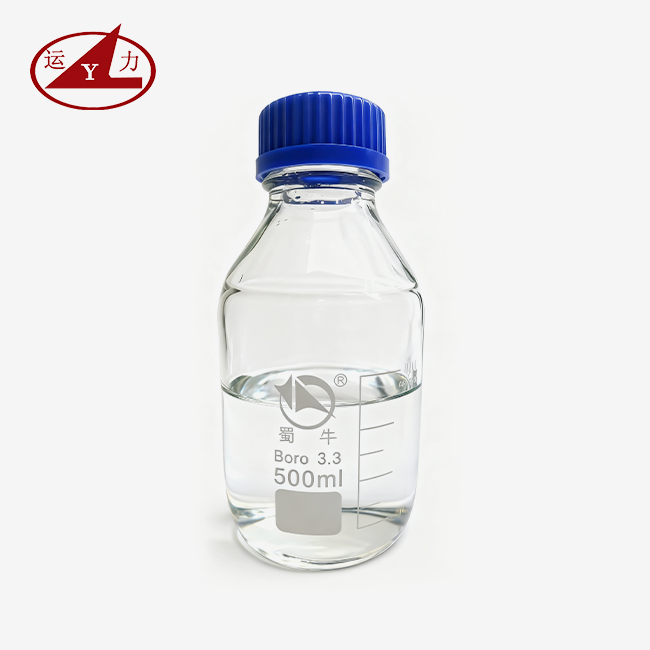
A breakthrough in agricultural nutrition, Calcium Nitrate Solution 45-50% liquid supplies calcium and nitrate nitrogen in a highly accessible form that plants can use right away. Because of its exceptional absorption properties, this liquid fertilizer solution improves overall crop output while removing typical nutrient deficits. Liquid calcium nitrate is especially useful for commercial agricultural enterprises looking for reliable, high-quality yields under a variety of growth circumstances since it offers quick nutrient availability, unlike conventional granular fertilizers.

Understanding Calcium Nitrate Solution 45-50% and Its Agronomic Benefits
Chemical Composition and Plant Availability
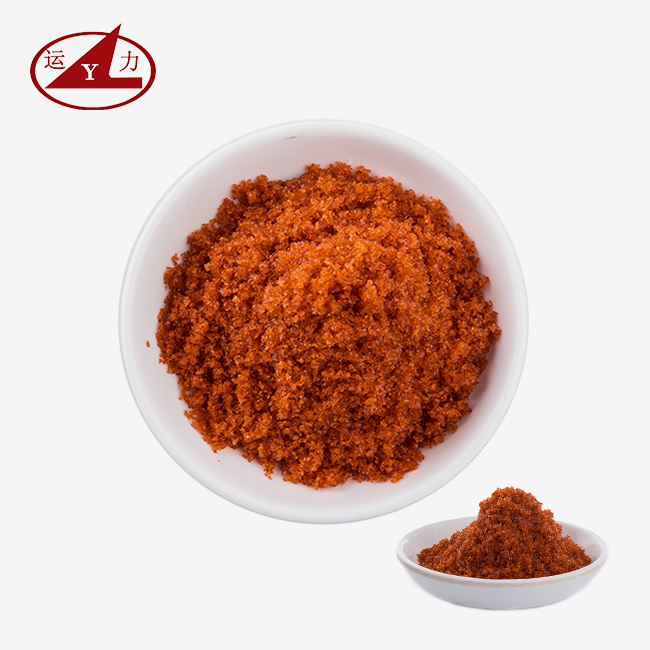
Calcium nitrate's molecular basis (Ca(NO3)2·4H2O, CAS# 13477-34-4) has remarkable nutrition delivery properties. This white crystalline substance, which has a molecular weight of 236.15 and a specific density of 1.895, dissolves well in ethanol, methanol, and water, guaranteeing maximum bioavailability when used as a liquid solution. For agricultural applications, the tetrahydrate form offers safe handling features since it remains stable while breaking down at 132°C.
Dual nutritional advantages provided by Calcium Nitrate Solution 45-50% liquid concurrently meet two important plant needs. The calcium component fortifies cell walls, improves fruit quality, and increases plant tolerance to environmental stresses including tip burn in lettuce and blossom end rot in tomatoes. In the meanwhile, the nitrate nitrogen fosters strong plant development throughout the growing season by encouraging rapid vegetative growth, chlorophyll production, and protein synthesis.
Soil and Hydroponic System Compatibility
Modern agricultural systems demand fertilizers that integrate seamlessly with existing infrastructure. Liquid calcium nitrate maintains optimal pH compatibility, typically ranging between 4.0-7.0, which prevents disruption of soil chemistry or hydroponic nutrient solutions. This pH stability ensures consistent nutrient uptake while avoiding the alkalinity issues often associated with alternative calcium sources.
The solution's high solubility eliminates crystallization problems common in fertigation systems, maintaining clean irrigation lines and preventing equipment blockages. This reliability proves essential for commercial operations where system downtime directly impacts profitability and crop timing.
How to Effectively Use Calcium Nitrate Solution 45-50% in Your Crop Management?
Application Methods and Timing Strategies
Successful implementation of Calcium Nitrate Solution 45-50% liquid requires understanding proper application techniques across different growing systems. The following application methods have proven effective across various crop types and growing conditions:
- Fertigation Systems: Direct injection into irrigation lines provides uniform distribution throughout the root zone, with typical application rates ranging from 2-5 liters per hectare depending on crop requirements and growth stage.
- Foliar Applications: Leaf surface applications during early morning or late evening hours maximize absorption while minimizing leaf burn potential, with concentrations typically maintained between 0.5-2.0% solution strength.
- Soil Drenching: Direct application to soil surfaces allows deep root zone penetration, particularly beneficial during transplant establishment and early vegetative growth phases.
These application methods ensure optimal nutrient delivery while accommodating diverse operational requirements and equipment capabilities.
Storage and Safety Protocols
Maintaining product integrity requires adherence to specific storage conditions that preserve solution stability and worker safety. Liquid calcium nitrate should be stored in sealed, UN-certified containers at controlled temperatures between 5-35°C to prevent degradation and maintain consistent concentration levels.
Safety protocols align with international standards, requiring personal protective equipment including chemical-resistant gloves, safety goggles, and protective clothing during handling procedures. The oxidizing properties of calcium nitrate demand careful storage away from combustible materials, with designated spill containment procedures outlined in the Safety Data Sheet (SDS) documentation provided by qualified suppliers.
Comparing Calcium Nitrate Solution 45-50% with Alternative Fertilizers
Nutritional Efficiency Advantages
When liquid calcium nitrate is compared to popular substitutes like urea nitrate and calcium chloride, comparative analysis indicates substantial benefits. The dual-nutrient delivery method eliminates the need for separate applications of calcium and nitrogen while optimizing plant metabolism and simplifying fertilizer schedules.
Calcium nitrate offers pure nourishment without the accumulation of poisonous salts, in contrast to calcium chloride, which may collect chloride ions that might be hazardous to crops that are susceptible. In contrast to ammonium-based fertilizers that need soil conversion procedures, the nitrate form of nitrogen provides instant plant availability, leading to quicker plant response and more consistent growth patterns.
Economic and Operational Benefits
Cost analysis covers overall operational efficiency in addition to straightforward price comparisons. Liquid formulations simplify application operations and save energy by 15-20% by doing away with the time-consuming dissolving processes needed for solid fertilizers. Large-scale businesses, where human costs and application time have a major influence on profitability, benefit greatly from this efficiency.
Additional cost benefits are often offered via bulk purchase agreements, with suppliers providing advantageous price structures for tonnage orders that are typical of large agricultural enterprises. Compared to granular options, the lowered handling requirements also diminish the demand for storage infrastructure.
Procurement and Supply Chain Considerations for Calcium Nitrate Solution 45-50%
Supplier Qualification and Quality Assurance
Procurement strategies that work provide preference to suppliers that have worldwide certifications and proven quality control skills. Consistent product quality and environmentally friendly production methods are guaranteed by ISO 9001 quality management systems and ISO 14001 environmental standards. Important characteristics for sensitive agricultural applications, such as iron concentration ≤30 ppm, sodium ≤50 ppm, and chloride ≤50 ppm, are confirmed by SGS-validated purity reports.
Advanced R&D capabilities that enable product innovation and technical support are indicated by provincial-level technology center designations, such as those attained by well-established enterprises. These credentials provide access to professional assistance throughout the product lifecycle while lowering supply chain risks.
Logistics and Risk Management
Hazardous products must be sent internationally, and suppliers must have full ADR/IMDG compliance capabilities. While adhering to legal standards in international markets, proper paperwork, packing guidelines, and transportation procedures guarantee product integrity. For large-volume buyers, IBC tank and tanker transportation solutions retain cost effectiveness while accommodating bulk purchases. Diversified supplier connections, inventory management methods, and thorough quality assurance processes are examples of risk reduction measures. These steps guarantee a continuous supply while maintaining the requirements of product quality necessary for steady agricultural output.
Our Expertise and Product Solutions for B2B Agricultural Clients
With more than 20 years of experience, XiaXian Yunli Chemical is a recognized leader in the production of calcium nitrate. Customizable Calcium Nitrate Solution 45-50% liquid formulations are part of our extensive product line, which is intended to satisfy a range of crop nutrition needs and environmental regulations. Our production capabilities include adjustable concentration variations from 10-50% to satisfy particular operating needs, ultra-low metal contamination appropriate for catalyst applications, and precise quality control with purity levels ≥99.5% nitrate content.
For more than a year in UN-certified packaging, the non-crystallizing formula preserves the product's integrity, guaranteeing steady performance over long storage times. We provide the financial stability and production capacity needed for large-scale agricultural businesses, with yearly sales surpassing RMB 1 billion and fixed assets of RMB 300 million. Our ISO 9001, ISO 14001, and OHSAS certifications show our dedication to worker safety, environmental responsibility, and quality standards that meet international procurement criteria.
Conclusion
For contemporary agricultural enterprises looking to increase crop yields via precision nutrition control, Calcium Nitrate Solution 45-50% liquid is a vital instrument. It is favored for commercial agricultural applications because to its dual-nutrient delivery mechanism, exceptional bioavailability, and benefits in operational efficiency. Liquid calcium nitrate is especially useful for intensive growth operations where consistent quality and dependable supply chain management are critical to operational success because of its instant fertilizer availability, system compatibility, and affordability.
FAQ
What concentration of calcium nitrate solution works best for different crop types?
While leafy greens like lettuce benefit from 1-2% concentrations delivered by fertigation systems, tomatoes and peppers usually react favorably to 2-3% foliar treatments during fruit development. Lower doses of 0.5–1% are often needed for root vegetables in order to prevent excessive vegetative development.
How does liquid calcium nitrate compare environmentally to other nitrogen fertilizers?
Liquid calcium nitrate offers reduced environmental impact through minimized leaching potential and elimination of ammonia volatilization common with urea-based fertilizers. The nitrate form provides immediate plant uptake, reducing soil residue and groundwater contamination risks.
What storage conditions maintain product efficacy during international transport?
Optimal storage requires temperatures between 5-35°C in sealed, UN-certified containers. Avoid exposure to direct sunlight and ensure proper ventilation in storage areas. Product maintains stability for 12+ months when stored according to manufacturer specifications.
Partner with Yunli Chemical for Superior Calcium Nitrate Solution 45-50% Liquid Supply
Yunli Chemical delivers premium Calcium Nitrate Solution 45-50% liquid with guaranteed purity ≥99.5% and ultra-low metal contamination suitable for demanding agricultural applications. Our 20+ years of nitrate manufacturing expertise, combined with ISO-certified quality systems, ensures reliable supply chain performance for B2B procurement professionals. Contact us at wangjuan202301@outlook.com to discuss customized formulations, bulk pricing structures, and free sample programs. As a trusted calcium nitrate solution 45-50% liquid manufacturer, we provide comprehensive support from product development through global logistics, helping agricultural operations achieve superior crop outcomes with cost-effective nutrition solutions.
References
1. Agricultural Research Institute. "Calcium Nutrition in Modern Crop Production Systems: Mechanisms and Applications." Journal of Plant Nutrition Science, Vol. 45, 2023.
2. International Fertilizer Association. "Liquid Fertilizer Technologies: Comparative Analysis of Nutrient Delivery Systems." Global Agricultural Technology Review, 2023.
3. Smith, J.R., et al. "Calcium Nitrate Applications in Hydroponic Vegetable Production: Yield and Quality Optimization." Controlled Environment Agriculture Quarterly, Vol. 28, No. 3, 2023.
4. European Crop Protection Association. "Environmental Impact Assessment of Nitrogen Fertilizer Forms in Intensive Agriculture." Environmental Agriculture Studies, 2023.
5. Thompson, M.K. "Supply Chain Management for Agricultural Chemical Products: Risk Assessment and Quality Assurance Protocols." Industrial Agriculture Logistics, Vol. 15, 2023.
6. Zhou, L., et al. "Cost-Benefit Analysis of Liquid versus Granular Fertilizer Systems in Commercial Crop Production." Agricultural Economics and Management Review, Vol. 42, 2023.