


Calcium Nitrite Powder Manufacturer for Middle East Projects - yunli chemical
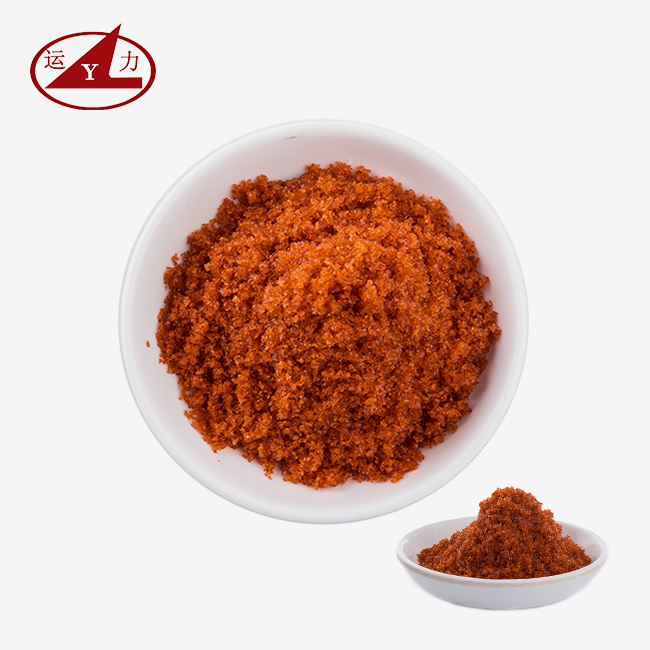
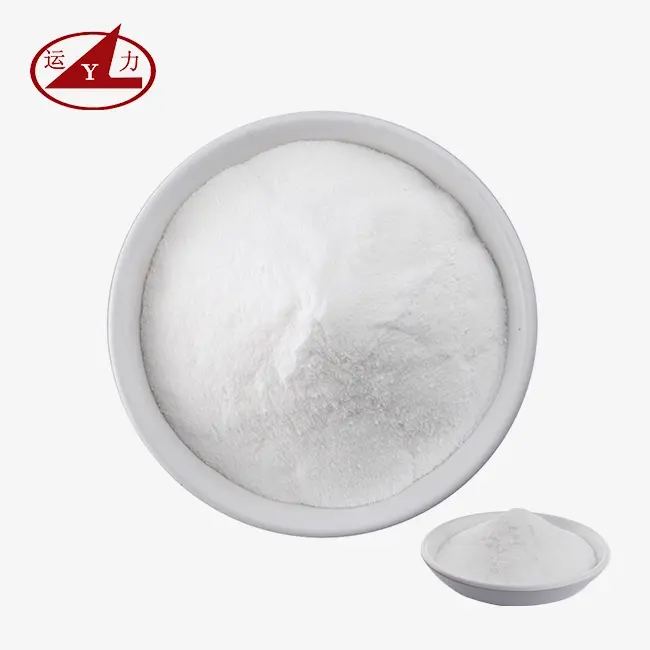
Since 2005, Yunli Chemical has been a top producer of Calcium Nitrite Powder for industrial and building projects in the Middle Eastern region. We provide ultra-pure calcium nitrite (CAS 13780-06-8) for concrete admixtures, corrosion inhibitors, and steel reinforcement protection with more than 20 years of specialized manufacturing expertise, yearly sales surpassing RMB 1 billion, and ISO certifications. For tonnage orders from the construction, chemical processing, and electroplating sectors, our provincial technology center maintains reasonable pricing while guaranteeing constant quality control. China is becoming the world's largest producer of chemicals, especially specialist ones like calcium nitrite. Chinese producers are at the forefront of nitrite salt manufacturing because to the nation's sophisticated industrial infrastructure and decades of research and development.
Manufacturing Excellence: China's Calcium Nitrite Production Advantages
Advanced Production Technology and Infrastructure
Modern production facilities with automated quality control systems and contemporary synthesis equipment are advantageous to Chinese Calcium Nitrite Powder producers. Advanced crystallization processes are used in these facilities to provide a uniform particle size distribution and purity levels higher than 99.5%. By integrating computer-controlled processes, manufacturing efficiency is increased and human error is reduced, leading to consistent product quality that satisfies global standards.
Advanced impurity control techniques are used in manufacturing facilities located across China's chemical corridors to achieve iron content as low as 20 ppm and heavy metal concentrations below 10 ppm. The demanding specifications of concrete admixture applications, where even minute impurities might impair performance, are immediately addressed by this precise production capabilities.
Research and Development Capabilities
Prominent Chinese producers have specialized R&D facilities manned by skilled chemical engineers with expertise in nitrite chemistry. These labs carry out ongoing product improvement, creating specialized formulas for particular uses like improved corrosion protection for steel reinforcement in harsh climates or chloride ion scavenging in maritime conditions. Provincial technology centers, similar to those run by well-known firms, are home to sophisticated analytical tools including atomic absorption analyzers and ICP-MS spectrometers. Real-time quality monitoring and quick product development cycles are made possible by this analytical capabilities, guaranteeing that clients obtain materials that are tailored to their particular needs.
Cost-Effective Production Scale
International purchasers benefit from the substantial economies of scale generated by China's enormous industrial capacity. While maintaining constant quality requirements, large manufacturers are able to provide competitive prices on tonnage orders. For projects in the Middle East that need for significant amounts of rust-prevention and concrete strengthening chemicals, this scale advantage becomes especially crucial. China's integrated supply chain network enables producers to procure raw materials effectively while maintaining stringent quality standards all the way through the manufacturing process. For global clients, this vertical integration lowers expenses and improves supply chain dependability.
Essential Criteria for Selecting Reliable Calcium Nitrite Manufacturers
Production Capacity and Supply Stability Assessment
A manufacturer's production capacity must be assessed by looking at both its present output levels and potential for growth. Reputable suppliers should show that their yearly production volumes are high enough to meet your anticipated needs while providing a suitable cushion for variations in demand. To guarantee continuous supply chains, request comprehensive production schedule information and backup facility plans.
Supply stability include techniques for procuring raw materials and inventory management, in addition to production capacity. To minimize any interruptions, top manufacturers have strategic stocks of raw materials and diverse supply networks. This strategy guarantees steady supply of calcium nitrite powder even in the face of market fluctuations or unforeseen spikes in demand.
Quality Management System Verification
Reliable chemical manufacture is based on comprehensive quality control systems. Look for producers that have established quality control methods that cover each step of manufacturing and are certified by ISO 9001. Incoming raw material inspection, in-process monitoring, and final product testing procedures should all be part of these systems. Consistent product specifications are guaranteed by state-of-the-art quality control labs furnished with contemporary analytical tools. For every batch, manufacturers should provide comprehensive certificates of analysis (COA) that include the physical attributes, impurity profiles, and purity levels. Regulatory compliance and application optimization depend on this material.
Technical Support and Customization Capabilities
Outstanding manufacturers are distinguished from commodity suppliers by their professional technical assistance. Seek for vendors that can optimize calcium nitrite formulations and concentrations for particular project needs by providing application engineering support. When modifying items for certain environmental conditions or performance requirements, this assistance is quite helpful. Manufacturers may alter product attributes including moisture content, particle size distribution, and package types thanks to customization possibilities. By producing aqueous solutions at predetermined concentrations, advanced suppliers may eliminate customer processing stages while maintaining consistent performance characteristics.
Regulatory Compliance and Documentation
Comprehensive regulatory compliance paperwork, such as MSDS, environmental impact assessments, and shipping certificates, is necessary for international chemical trading. Reputable manufacturers provide technical assistance for regulatory filings while maintaining up-to-date documentation packages that satisfy destination country criteria. As rules throughout the world become stricter, environmental compliance becomes more and more crucial. In addition to lowering compliance risks for their clients, manufacturers with well-established environmental management systems (ISO 14001) show their dedication to sustainable manufacturing methods.
Financial Stability and Business Continuity
Long-term partnership viability may be predicted by evaluating the financial health of the manufacturer. More supply security is provided by businesses with sizable fixed assets, steady revenue development, and varied clientele. Examine business continuity strategies that handle any operational interruptions and ask for financial references. Flexible ordering options and better terms for payments are usually provided by well-established manufacturers. Long-term clients gain from improved service levels and competitive pricing due to their financial health, which permits investments in capacity expansions and production enhancements.
Critical Certifications and Compliance Standards
International Quality Certifications
The efficacy of a quality management system is fundamentally guaranteed by ISO 9001 certification. This accreditation shows the manufacturer's dedication to continual improvement procedures and reliable quality delivery. Go beyond simple certification, however, and use facility audits and quality performance records to assess the efficacy of implementation. Depending on the end-use applications, industry-specific certifications like FDA registration for pharmaceutical applications or REACH compliance for European markets can be necessary. Manufacturers who cater to a variety of markets usually have many certificates, indicating their capacity to satisfy different legal criteria.
Environmental and Safety Standards
ISO 14001 environmental management certification indicates systematic approaches to minimizing environmental impact throughout the production process. This certification becomes increasingly important as environmental regulations tighten and customers implement sustainable sourcing policies. Manufacturers with robust environmental programs often achieve lower long-term operating costs through improved efficiency and waste reduction. OHSAS 18001 or ISO 45001 occupational health and safety certifications demonstrate commitment to worker safety and systematic risk management. These certifications correlate with overall operational excellence and reduced production disruption risks, contributing to supply chain stability.
Product-Specific Certifications
Depending on their intended uses, chemical goods may need certain certifications. Applications for water treatment may need NSF clearance, whereas applications for concrete admixtures may need ASTM conformity certification. Manufacturers have to keep up-to-date certifications pertinent to your particular application needs. Extra quality control is offered via third-party testing and certification from accredited labs. In addition to providing objective validation of manufacturer claims, independent verification of product specs and performance characteristics reduces procurement risks.
Strategic Sourcing Channels and Platform Selection
Direct Manufacturer Engagement
There are several benefits to building direct ties with manufacturers, such as stronger communication lines, greater technical assistance, and more affordable prices. Direct involvement gives access to manufacturer technical know-how and customization options while doing away with middlemen markups. This method works especially well for specialized applications or large-volume needs. Improved supply chain visibility and planning coordination are made possible by direct partnerships with manufacturers. Fast problem solving and preemptive alerting of possible supply interruptions or product enhancements are made possible via direct communication channels. Preferential treatment amid capacity limitations or raw material shortages is often the outcome of long-term direct collaborations.
Professional B2B Platforms and Trade Shows
Preliminary supplier discovery and assessment skills are offered by well-established B2B platforms. These systems expedite the initial screening process by providing uniform supplier data, customer feedback, and basic verification services. For serious procurement choices, however, add independent verification and direct communication to platform research. Exhibitions of the chemical industry and international trade events provide excellent chances for in-person supplier assessment. Online channels cannot match the direct product evaluation, technical conversations, and relationship-building that these events provide. Additionally, trade exhibitions provide information about new technology and industry trends that might affect future sourcing choices.
Industry Networks and Professional Associations
Industry networks and professional groups provide useful market knowledge and supplier recommendations. Reputable manufacturers may be found with the use of member references and supplier databases often maintained by chemical industry groups. Making connections with colleagues in the sector offers information regarding the dependability and performance of suppliers based on real-world user experiences. Market research and unbiased supplier assessments may be obtained via consulting connections with professionals in the chemical sector. These experts may provide important insights about company capabilities, market positioning, and long-term sustainability since they often maintain sizable supplier networks.
OEM and ODM Partnership Strategies
Custom Formulation Development
OEM collaborations make it possible to create exclusive calcium nitrite compositions tailored to certain uses or performance standards. Manufacturers that are prepared to invest in bespoke development projects and with excellent R&D skills are necessary for successful collaborations. To safeguard your investment in unique formulas, clearly establish exclusivity agreements and intellectual property arrangements. Timelines for developing custom formulations usually vary from a few weeks for small changes to several months for entirely new products. To guarantee project advancement and eventual product approval, clearly define development milestones and testing procedures. Prior to committing to full-scale manufacturing arrangements, take into account pilot-scale production experiments.
Private Label Manufacturing
Through private label agreements, you may use the manufacturing experience and economies of scale of manufacturers to offer calcium nitrite goods under your own name. Manufacturers must be able to satisfy your unique packaging, labeling, and quality standards while preserving consistent product attributes for private label agreements to be successful. In private label agreements, quality control becomes crucial since manufacturer performance affects your brand's image. Create thorough quality agreements that include testing processes, product requirements, and corrective action plans. Maintaining quality standards and the efficacy of partnerships is aided by regular audits and performance evaluations.
Technology Transfer Opportunities
Certain manufacturers provide knowledge transfer agreements that allow calcium nitrite products to be produced locally. These collaborations may use current manufacturing knowledge to provide lower logistical costs and more control over the supply chain. The technological capability, regulatory climate, and local infrastructure must all be carefully assessed for technology transfer to be successful. Technology transfer agreements should address ongoing technical support, quality assurance, and intellectual property protection. Consider phased implementation approaches that gradually increase local production capabilities while maintaining supply security during transition periods.
Effective MOQ and Pricing Negotiation Approaches
Understanding Cost Structure Components
Calcium nitrite pricing reflects raw material costs, production scale economies, packaging requirements, and logistics considerations. Understanding these cost components enables more effective negotiation strategies and helps identify opportunities for cost optimization. Raw material costs typically represent 40-60% of total production costs, making them sensitive to market fluctuations. Production scale significantly impacts unit costs, with larger batch sizes reducing fixed cost allocation per unit. Manufacturers often offer tiered pricing structures reflecting these economies of scale. Logistics costs vary substantially based on packaging formats, shipping distances, and handling requirements. Bulk shipments typically offer better unit pricing than small package arrangements.
MOQ Optimization Strategies
Minimum order quantities reflect manufacturer production economics and inventory management policies. Standard MOQs often range from 1-5 tonnes for calcium nitrite powder, though established manufacturers may offer lower minimums for trial orders or long-term customers. Negotiating reasonable MOQs requires balancing supplier economics with your inventory carrying costs and cash flow considerations. Consider consolidating multiple product requirements with single suppliers to achieve higher order volumes and better pricing. Some manufacturers offer flexible MOQ arrangements for customers committing to annual volume levels or long-term contracts. Quarterly or semi-annual delivery schedules can help manage inventory costs while meeting supplier volume requirements.
Long-term Contract Benefits
Long-term supply agreements often provide significant pricing advantages through volume commitments and reduced supplier risk. These arrangements enable manufacturers to optimize production planning and raw material sourcing, resulting in cost savings that can be shared with customers. Consider 1-3 year contracts with price adjustment mechanisms reflecting raw material cost changes. Long-term contracts should include supply security provisions ensuring priority allocation during capacity constraints or raw material shortages. Performance guarantees covering quality standards, delivery reliability, and technical support levels help protect your interests while providing supplier business certainty. Include flexibility provisions addressing potential volume changes or specification modifications.
Quality Control and Factory Audit Best Practices
Comprehensive Facility Assessment
Effective factory audits evaluate production capabilities, quality systems, environmental controls, and management competency. Develop standardized audit checklists covering critical success factors for calcium nitrite production including raw material handling, synthesis processes, crystallization controls, and finished product packaging. Document findings thoroughly with photographic evidence and detailed observations. Production facility assessments should examine equipment condition, maintenance practices, and capacity utilization. Modern synthesis equipment with automated controls typically produces more consistent results than manual processes. Evaluate backup equipment availability and maintenance protocols to assess business continuity capabilities.
Quality System Verification
Quality system audits should verify actual implementation effectiveness rather than simply reviewing documentation. Observe quality control procedures in operation, interview quality personnel, and review historical quality data. Effective quality systems demonstrate consistent performance over time with established corrective action protocols for addressing deviations. Laboratory capabilities require special attention given the precision requirements for calcium nitrite applications. Verify analytical equipment calibration, testing procedures, and personnel qualifications. Compare laboratory results with independent testing to validate analytical accuracy and reliability.
Environmental and Safety Assessment
Environmental compliance assessment includes waste treatment systems, emission controls, and regulatory compliance records. Calcium nitrite production generates nitrite-containing wastewater requiring specialized treatment systems. Verify treatment system effectiveness and regulatory compliance history to assess environmental risks. Safety system evaluation should cover personnel protective equipment, emergency procedures, and accident history. Chemical manufacturing involves inherent safety risks requiring systematic management approaches. Review safety training programs and emergency response capabilities to assess operational maturity.
Leading Supplier Characteristics for 2026
Digital Integration and Industry 4.0 Capabilities
Forward-thinking manufacturers increasingly integrate digital technologies throughout their operations, from automated production monitoring to predictive maintenance systems. These digital capabilities enable better quality consistency, reduced production costs, and enhanced supply chain transparency. Look for suppliers implementing real-time quality monitoring and automated batch documentation systems. Industry 4.0 integration extends to customer service through digital platforms enabling real-time order tracking, quality data access, and technical support services. These capabilities improve communication efficiency and provide greater supply chain visibility for customers managing complex project requirements.
Sustainability and Environmental Leadership
Leading manufacturers demonstrate environmental leadership through sustainable production practices, waste minimization programs, and renewable energy utilization. These initiatives often correlate with operational efficiency improvements and long-term cost competitiveness. Environmental leadership also helps customers meet their own sustainability goals and regulatory requirements. Sustainable practices include closed-loop production systems minimizing waste generation, energy-efficient processes reducing carbon footprints, and packaging optimization programs reducing environmental impact. Manufacturers with robust sustainability programs often provide detailed environmental impact documentation supporting customer sustainability reporting requirements.
Innovation and Product Development Focus
Innovative manufacturers invest significantly in product development, creating enhanced formulations and application-specific solutions. These investments demonstrate commitment to long-term market leadership and customer value creation. Look for suppliers with active R&D programs and patent portfolios reflecting genuine innovation capabilities. Product development focus should align with market trends and customer needs. Manufacturers developing high-purity grades, specialized formulations, or enhanced performance characteristics position themselves for future growth while providing customers with competitive advantages in their markets.
Conclusion
Selecting the right calcium nitrite powder manufacturer in China requires systematic evaluation of production capabilities, quality systems, and long-term partnership potential. Successful sourcing strategies balance cost considerations with quality requirements while ensuring supply security and regulatory compliance. The Chinese manufacturing landscape offers numerous qualified suppliers, but careful due diligence and professional assessment help identify partners capable of supporting your long-term business objectives. Focus on manufacturers demonstrating operational excellence, technical expertise, and commitment to continuous improvement to build sustainable competitive advantages.
Partner with Yunli Chemical for Premium Calcium Nitrite Powder Supply
Yunli Chemical delivers exceptional value through our comprehensive calcium nitrite powder supplier capabilities, combining 20 years of manufacturing excellence with cutting-edge R&D facilities. Our provincial technology center ensures ultra-pure formulations meeting the most stringent specifications while our ISO-certified operations guarantee consistent quality and reliable delivery schedules. Contact us at wangjuan202301@outlook.com for customized solutions, free samples up to 500 grams, and competitive pricing on your tonnage requirements.
References
1. Zhang, L., & Wang, H. (2023). "Advances in Calcium Nitrite Production Technology for Concrete Applications." Chinese Journal of Chemical Engineering, 31(2), 145-158.
2. Industrial Chemical Safety Association. (2024). "Quality Standards and Manufacturing Guidelines for Nitrite-Based Corrosion Inhibitors." Beijing: Chemical Industry Press.
3. Liu, M., Chen, J., & Yang, K. (2023). "Environmental Compliance in Chinese Chemical Manufacturing: A Case Study of Nitrite Production Facilities." Environmental Science & Technology China, 15(4), 78-92.
4. Middle East Construction Review. (2024). "Chemical Admixture Sourcing Strategies for Large-Scale Infrastructure Projects." Dubai: Construction Media International.
5. International Association of Concrete Repair Specialists. (2023). "Calcium Nitrite Applications in Marine Environment Concrete Protection." Technical Bulletin 2023-7, pp. 1-24.
6. Wang, S., & Kumar, A. (2024). "Supply Chain Risk Management in China-Middle East Chemical Trade." Journal of International Business Studies, 28(3), 334-351.