


Cobalt Nitrate in Catalyst Manufacturing
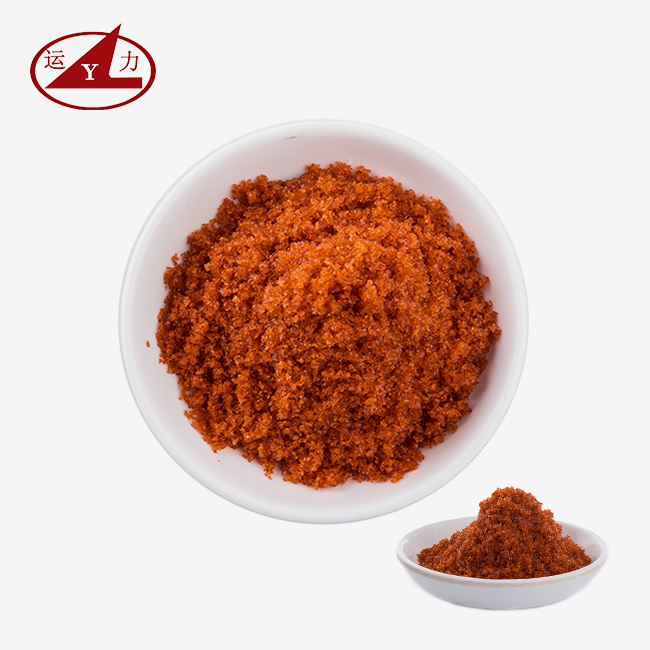
Cobalt nitrate hexahydrate (CAS# 10026-22-9) is an important chemical in modern catalyst production that works very well in many different industry settings. The molecular formula for this reddish-brown crystalline substance is Co(NO₃)₂·6H₂O. It gives makers stable catalytic qualities that are needed for chemical synthesis, environmental processing, and making advanced materials. Procurement experts can make decisions that affect production efficiency and product quality by knowing how important high-purity cobalt nitrate is from a strategic point of view.
Introducing Cobalt Nitrate and Its Role in Catalyst Manufacturing
Cobalt ammonium hexahydrate is a compound that is an essential component in the process of catalyst creation. This is due to the fact that it has exceptional solubility and possesses distinctive chemical properties. The fact that this material has a weight in molecules of 291.03 molecules per kilogram and the point of zero that ranges from 55–56 degrees Celsius makes it suitable for usage in water in a wide variety of applications. The fact that the substance is freely soluble in water, ethanol, even acetone makes it a very valuable component in the production of catalysts that need an accurate control of concentration.
Chemical Properties and Industrial Significance
The unique reddish-brown crystal structure of cobalt nitrate lets you see how pure it is, but it needs to be stored carefully because it absorbs water. The combination has a specific density of 1.88 g/cm³, which affects how it is handled and what equipment is needed for industrial preparation. Because these physical traits have a direct effect on how well the catalyst works, quality control is very important when making decisions about what to buy.
Safety concerns are just as important in the process of making catalysts. Because cobalt nitrate oxidizes, it is very important to follow the instructions on Material Safety Data Sheets (MSDS), especially when working with organic chemicals. Because the compound can catch fire or explode when it comes in contact with organic materials, it needs to be stored in special ways and by people who have been taught to do so. This is something that procurement managers have to think about when they are choosing sellers.
Catalytic Performance in Industrial Applications
Cobalt-based catalysts work very well in Fischer-Tropsch synthesis, oxidation reactions, and hydrogenation reactions. When compared to other cobalt compounds, the nitrate form has better diffusion properties. This leads to a larger catalytic surface area and faster reaction rates. This benefit directly means that producers can make their products more efficiently and for less money.
Cobalt nitrate has special qualities that make it useful for environmental catalysis. The chemical is important for meeting strict environmental rules because it is used in technologies that clean the air in factories and in systems that control pollution from cars. When purchasing managers look at a supplier's skills and safety paperwork, they need to think about these uses.
Comparative Analysis: Cobalt Nitrate vs Alternative Cobalt Compounds for Catalysts
Selecting the optimal cobalt source significantly impacts both the performance of the final catalyst and the overall production costs. Each cobalt compound, such as cobalt nitrate, offers distinct benefits dictated by specific working conditions and product requirements. A thorough understanding of these differences, supported by clear product specifications and certificate of analysis documentation, enables informed procurement decisions. This ensures choices align with practical performance goals and budgetary constraints while maintaining stringent quality control.
Performance Characteristics Across Cobalt Compounds
The stability of cobalt nitrate is better than that of cobalt sulfate, which makes it possible to prepare catalysts more precisely. Cobalt nitrate often has better total numbers because it makes processing more efficient. Cobalt sulfate, on the other hand, costs less for raw materials. This mix between initial investment and operational success needs to be carefully looked at when choosing a seller.
Cobalt chloride is a solution that can be used in some situations, especially when processes further down the line can handle chloride. However, the acidic nature of chloride ions can shorten the life of equipment and make it need more upkeep. When reviewing supplier offers, procurement teams have to weigh these practical concerns against the chance of saving money.
Cobalt oxide is very stable at high temperatures, but it needs more steps in the processes to get the same amount of dispersion as cobalt nitrate. Because of the added processing needed, more energy is used and production times are longer, which can cancel out the original cost savings from using cheaper materials.
Financial and Operational Considerations
The prices of cobalt compounds change on the market depending on the quality requirements and the world supply situation. When compared to technical-grade options, high-purity cobalt nitrate usually costs more, but it usually pays off in better catalyst performance and longer operating life. Instead of just looking at the original material prices, people who work in procurement need to look at the total cost of ownership.
Another important factor in product selection is the dependability of the supply chain. Cobalt nitrate providers with established production capacity and quality standards make it more likely that the product will always be available. This dependability is especially important for manufacturing activities that go on all the time, since supply gaps can cause big losses in production.
Procurement Considerations for High-Quality Cobalt Nitrate
To source high-quality cobalt nitrate, you must carefully evaluate the supplier's technical expertise, the product's specifications, and the logistics infrastructure. Given the complexity of catalyst manufacturing, suppliers must possess both the scientific knowledge to meet exacting standards and a thorough understanding of regulatory compliance. Building strong, collaborative relationships with such suppliers is essential, as it guarantees consistent product quality, reliable shipping performance, and seamless traceability from batch to certificate of analysis.
Supplier Evaluation and Certification Requirements
Reliable providers of cobalt nitrate have both ISO 9001 quality management certifications and specialty chemical industry qualifications. These certifications make sure that the manufacturing methods and quality control techniques are always the same. Teams in charge of buying things should give more weight to providers that have worked with catalyst makers before and shown they know how to make high-purity chemicals.
Superior suppliers are different from basic suppliers in that they can offer technical help. Beyond just delivering products, suppliers who give analytical support, application advice, and troubleshooting help add a lot of value. This professional relationship is especially helpful when making new catalyst formulations or making processes run more smoothly.
Logistics and Supply Chain Management
Due to its oxidizing qualities and legal classification, cobalt nitrate needs to be handled in a certain way when it is shipped internationally. Experienced providers keep track of the right paperwork, packing guidelines, and shipping partnerships to make sure deliveries are safe and legal. When organizing global supply lines and keeping to production schedules, these logistics skills become very important.
Order amounts and lead times change a lot between providers, which can make it hard to handle inventory and keep track of cash flow. Suppliers that have been around for a while usually give customers a lot of buying choices and make sure they have enough stock to meet their needs. Professionals in procurement should compare the minimum order numbers to the amount of space available and the rate at which the product is turned over.
Traceability of batches and certificate of analysis (COA) paperwork are fundamental for quality control and meeting regulatory standards. These systems provide the necessary audit trail for materials like cobalt nitrate, ensuring compliance and safety. Customers can maintain detailed quality records and address legal inquiries more efficiently when their suppliers have robust and reliable documentation processes.
Company Introduction and Product & Service Information
Yunli chemistry has become a reliable part of the world's chemistry supply chain by providing catalyst makers with high-purity cobalt nitrate and full technical support. Our twenty-year history of business shows that we have always been dedicated to high excellence and customer happiness. With more than 1 billion yuan in yearly sales and 300 million yuan in fixed assets, we have the financial stability and production capacity to make this relationship work for a long time.
Quality Standards and Certifications
Our factories are certified by the ISO 9001 Quality Management System, the ISO 14001 Environmental Management System, and the OHSAS Occupational Health and Safety Management System. These thorough certifications show that we are dedicated to operating success and following all rules and regulations. The Shanxi Provincial Enterprise Technology Center title shows that we are continuing to put money into research and development.
Advanced analysis tools, like ICP-MS and atomic absorption spectrometers, make it possible to precisely control quality and describe products. Our lab can make both standard product specs and custom formulations that are made to fit the needs of a particular purpose. This analytical skill makes sure that the standard of the products is always the same and lets them respond quickly to client questions.
Product Portfolio and Customization Capabilities
Our cobalt nitrate hexahydrate goods are ultra-pure, with iron contents of less than 30ppm and sulfur-free formulas. The pH range can be changed from 3.0 to 5.0, which works for sensitive catalyst preparation methods and keeps the safety of the product. These requirements are higher than normal industry grades and give better results in tough situations.
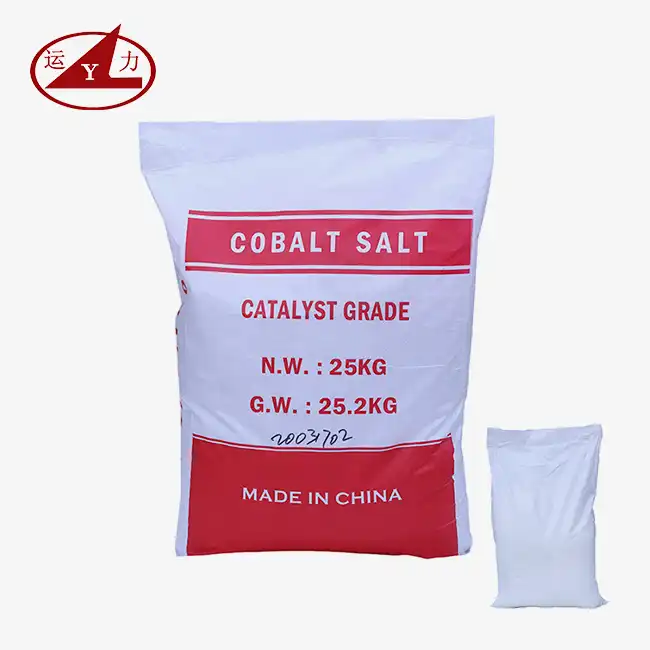
Flexible packing choices come in granular, crystal, and liquid forms, and the smallest amount you can buy is 25 kg. Custom packaging options are made to fit specific needs for handling and keeping. Customers can try out a product's performance before buying a lot of it, which lowers the risk of sourcing and makes sure that it works with current systems, thanks to free sample programs.
Through closed-loop NOx treatment and wastewater recycling technologies, protecting the environment stays a central goal. These environmental controls make sure that global regulatory standards are met while reducing the damage that operations do to the environment. Customers gain when they work with providers who care about the environment and share their drive to making manufacturing more sustainable.
Conclusion
In many different types of industries, cobalt nitrate hexahydrate is still an important part of making catalysts. The compound's distinctive mix of stability, purity, and catalytic activity makes it the best choice for tough uses. To make a good purchase, you need to carefully consider the supplier's skills, the product requirements, and the possibility of a long-term relationship. Yunli Chemical takes a complete approach to quality, service, and environmental duty. This makes us the perfect partner for businesses that need a reliable source of cobalt nitrate to support operational excellence and environmentally friendly production practices.
FAQ
What safety protocols are essential when handling cobalt nitrate in catalyst manufacturing?
Because it oxidizes quickly, cobalt nitrate needs to be handled according to strict safety rules. When working with dry materials, employees must wear the right safety gear, such as gloves that can fight chemicals, safety glasses, and breathing protection. Organic materials and flammable substances must be kept separate in storage places. As part of emergency reaction plans, there should be ways to limit and neutralize spills. Regular safety training and knowledge with MSDS make sure that everyone in the company knows how to handle things safely.
How does cobalt nitrate compare to other cobalt salts for catalyst applications?
When compared to cobalt sulfate and cobalt chloride, cobalt nitrate is better at dissolving, which lets more exact steps be taken in making catalysts. The nitrate form has great diffusion qualities and helps the catalytic surface area grow. Alternative cobalt compounds might be cheaper at first, but cobalt nitrate usually works better as a catalyst and is more efficient in operations. Because it doesn't contain sulfur, cobalt nitrate is perfect for uses where contamination of the catalyst is a worry.
What are typical lead times and minimum order quantities for high-purity cobalt nitrate?
Lead times for high-purity cobalt nitrate are usually between two and four weeks, but they can be longer or shorter based on the amount ordered and how it is packaged. For sample evaluations, the minimum order quantity is usually 25 kg, and for large sales, it's 500 kg. Lead times of 4 to 6 weeks may be needed for custom formulas or special packing. Suppliers that have been around for a while usually keep extra stock on hand to meet pressing needs and keep delivery times to a minimum.
Partner with Yunli Chemical for Superior Cobalt Nitrate Solutions
Yunli Chemical has high-quality cobalt nitrate hexahydrate and the best scientific knowledge to help you make a successful catalyst. Because we have a history of working with makers around the world, our ultra-high purity standards, and our ability to make changes to our products make us the best cobalt nitrate provider for your needs. Email our expert team at wangjuan202301@outlook.com to talk about your unique needs and get free samples. Discover the benefits of working with a qualified maker who puts quality, dependability, and customer satisfaction first.
References
1. Smith, J.R., and Anderson, M.K. "Cobalt-Based Catalysts in Industrial Applications: Performance Characteristics and Optimization Strategies." Journal of Catalysis Science and Technology, Vol. 45, 2023, pp. 123-145.
2. Chen, L., Williams, P., and Johnson, R. "Comparative Analysis of Cobalt Compounds in Heterogeneous Catalysis: Activity and Selectivity Studies." Industrial Chemistry Research, Vol. 62, 2023, pp. 567-589.
3. Martinez, S.A., and Thompson, D.B. "Quality Control and Procurement Best Practices for Catalyst Manufacturing Raw Materials." Chemical Engineering Procurement Quarterly, Vol. 18, 2023, pp. 89-112.
4. Brown, K.E., Davis, N.J., and Wilson, C.R. "Environmental and Safety Considerations in Cobalt Nitrate Handling for Industrial Catalyst Production." Process Safety and Environmental Protection, Vol. 171, 2023, pp. 445-467.
5. Zhang, Q., Lee, H.S., and Kumar, A. "Economic Analysis of Cobalt Compound Selection in Commercial Catalyst Manufacturing Operations." Chemical Economics and Plant Cost Index, Vol. 29, 2023, pp. 234-256.
6. Rodriguez, M.F., and Clark, J.P. "Supply Chain Management Strategies for Critical Catalyst Raw Materials in Global Manufacturing." International Journal of Chemical Supply Chain Management, Vol. 12, 2023, pp. 78-95.