


When purchasing rust inhibitors for industrial use, buying managers have to make important choices that affect the safety standards, cost-effectiveness, and life of the project. While there are other options, Calcium Nitrite 30% Solution is the best one for keeping steel support in concrete buildings. This thorough comparison looks at how calcium nitrite stacks up against other popular rust inhibitors, looking at how well they work, how safe they are, how they affect the environment, and how much they are worth overall. Knowing these differences helps chemical wholesalers and industry end users make smart choices that improve performance and buying efficiency while protecting the structure's long-term strength.

Understanding Calcium Nitrite 30% Solution and Its Role as a Corrosion Inhibitor
Calcium nitrite represents a breakthrough in corrosion prevention technology, offering unparalleled protection for steel reinforcement in concrete applications. This chemical compound, with the molecular formula Ca(NO₂)₂ and CAS number 13780-06-8, operates through sophisticated electrochemical mechanisms that create lasting barriers against corrosive elements.
What Is Calcium Nitrite 30% Solution?
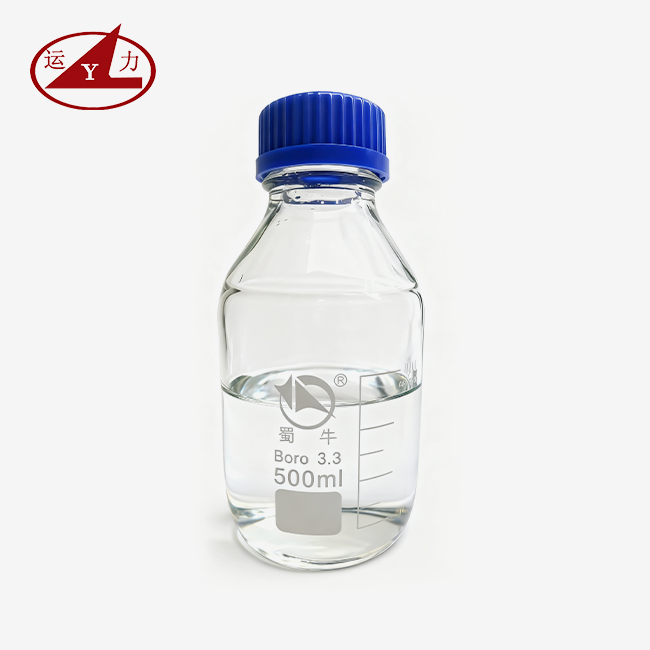
The 30% water mix has the highest quantity of calcium nitrite that works best for building projects. This clear to slightly yellow liquid has a molecular weight of 132 and stays in the best pH range of 9.0 to 11.0, which means it works well with concrete chemistry. The specific gravity of the solution is between 1.28 and 1.32 g/cm³, so it works the same way in all kinds of environments. The way rust is stopped depends on nitrite ions creating a shielding layer on steel surfaces. When chloride ions get through the concrete and hit the surface of the rebar, they are stopped by nitrite ions, which stop the electrochemical processes that cause the steel to rust. Through this process, a protected film is made that can fix itself and stay intact for decades.
Key Benefits of Using Calcium Nitrite 30% Solution
Calcium nitrite has many benefits that go beyond just stopping rust. These benefits include performance factors that are important to industry users, such as: When calcium nitrate is used to protect steel support, it works amazingly well. The solution protects against chloride-induced rust better than raw concrete, which means the building will last 50–75% longer. In marine settings where salt is always present, this safety stays the same. Calcium nitrate is different from many other options because it can be mixed with concrete additives.
The answer works well with plasticizers, air-entraining agents, and speeding up admixtures; it doesn't affect how easy the concrete is to work with or how strong it gets. This flexibility makes building easier and lowers worries about connectivity. Calcium nitrate is better than many other goods because it is safer and better for the environment. The substance is not very dangerous, doesn't need any special treatment, and doesn't make any harmful leftovers when it is used or over its lifetime. Environmental laws and safety rules at work are getting stricter, and these traits are in line with that.
Typical Industrial and Construction Applications
Calcium nitrite is used a lot in marine building projects to make them last for a long time. Bridges, docks, and seawalls that are open to saltwater are better protected against chloride getting in. In these tough settings, where most other security methods fail, the answer keeps working. Calcium nitrite is used to stop rusting caused by rainwater in tunnels and other underground buildings. Because it works well in damp places, the answer is perfect for train systems, utility tubes, and underground parking garages that are hard to get to for upkeep.
Adding the solution straight to the concrete mix while it is being mixed is one way to use it. The usual amount is between 10 and 30 liters per cubic meter of concrete, but this depends on the conditions of exposure and the level of security needed. The liquid recipe gets rid of worries about dissolving and makes sure that the mixture is spread evenly throughout the concrete base. Taking a look at Calcium Nitrite 30% Solution alongside other well-known corrosion inhibitors Procurement workers can make choices based on facts when they know how calcium nitrite compares to other rust inhibitors. Each type of inhibitor has its own pros and cons that make it better or worse for different uses.
Comparing Calcium Nitrite 30% Solution with Other Common Corrosion Inhibitors
Calcium and sodium nitrite have different chemicals that cause big changes in how well they work. Sodium nitrite protects against rusting in a way similar to nitrite, but it adds alkali, which can make alkali-silica reactions more likely in concrete that is already weak. Calcium nitrite doesn't pose this risk and provides the same amount of safety or more.
Calcium Nitrite 30% vs Sodium Nitrite
Calcium and sodium nitrite have different chemicals that cause big changes in how well they work. Sodium nitrite protects against rusting in a way similar to nitrite, but it adds alkali, which can make alkali-silica reactions more likely in concrete that is already weak. Calcium nitrite doesn't pose this risk and provides the same amount of safety or more. Performance studies show that calcium nitrite is more stable over the long term. Because it dissolves more easily, sodium nitrite may seep out of concrete over time.
Calcium Nitrite 30% Solution, on the other hand, makes more solid molecules that don't move. This steadiness means that the building will always be safe for as long as it is used. Calcium nitrite is safer than other chemicals because it is easier to handle and less likely to irritate the skin. When storing and using sodium nitrite, stricter safety rules are needed, which raises the cost of labor and training.
Calcium Nitrite 30% Solution vs Calcium Nitrate
The ways that these calcium-based chemicals guard against corrosion are very different. Calcium nitrate is mostly used to speed up the setting process and doesn't do much to stop rust. On the other hand, calcium nitrite is specifically designed to stop corrosion. Because of this difference, calcium nitrite is the best choice when stopping rust is the main goal. The viability of an application depends on the needs of the job. Calcium nitrate is good for cold weather concreting jobs that need to get stronger quickly, but calcium nitrite is better at resisting rusting over time. Carefully balanced mixes of both substances may help projects that need both early strength and defense against rust.
Calcium Nitrite 30% vs Calcium Chloride
The main difference is the amount of chloride present and how it affects steel rusting. Even though calcium chloride works well as a set booster, it also releases chloride ions that can speed up rusting once certain levels are met. Because of this contradiction, calcium chloride is not good for uses in reinforced concrete where long-term resilience is very important. Calcium nitrite gets rid of the risks that come from chloride while also protecting against rust better. The substance actively fights chloride pollution, which makes it perfect for use in repairs and on structures that are exposed to sea or deicing salts.
Evaluating Corrosion Inhibitor Alternatives for Waterproofing
Performance data from field uses shows that calcium nitrite is better at sealing tasks. Structures treated with calcium nitrite are much less likely to let water in and are better able to withstand freeze-thaw cycles than structures treated with other inhibitors. Calcium nitrite's value offering over project lifecycles can be seen in cost-effectiveness analysis. Even though the original cost of the materials may be a little higher than some other options, the longer service life and lower upkeep needs save a lot of money in the long run.
Criteria for Selecting the Best Corrosion Inhibitor for Concrete Applications
Selecting appropriate corrosion inhibitors requires systematic evaluation of multiple performance factors and operational considerations that directly impact project success and long-term value.
Effectiveness and Efficiency in Corrosion Prevention
Conditions in the environment have a big effect on how well an inhibitor works. Because of salt exposure, coastal projects need stronger protection, while buildings inland may need less strong prevention. Calcium nitrite works well in a wide range of weather conditions without needing to be changed in the way it is made. Both the amount of security and the costs of the project are affected by dosage issues. Calcium nitrite usually needs 15–25% less of an amount than similar inhibitors to provide the same level of protection. This saves money on materials and cuts down on shipping needs. The 30% concentrated formula has the most powerful ingredients while also being the easiest to handle.
Safety Data and Environmental Impact
Environmental standards change over time, making it harder to follow the rules. Calcium Nitrite 30% Solution meets strict safety standards and doesn't need to be transported in a special way or handled in a way that is dangerous. This compliance makes the buying process easier and lowers the risks that come with following the rules. Calcium nitrite is better for disposal because it breaks down naturally and doesn't stay in the environment for long. Unlike some man-made inhibitors, calcium nitrite breaks down into safe chemicals that don't build up in water or dirt.
Cost Analysis and Procurement Factors
The total cost of ownership includes more than just the price of the materials themselves. It also includes the costs of application, performance, dependability, and maintenance. Because calcium nitrite is easy to use and has a track record of working well, project results can be predicted and risk fees are lowered. When you need regular product quality and shipping dates for big projects, you need to be able to rely on your suppliers. Well-known companies like Yunli Chemical offer stable supply chains thanks to their many years of production experience and thorough quality control programs.
Compatibility with Construction Materials and Practices
Admixture interactions can significantly impact concrete performance and construction schedules. Calcium nitrite demonstrates excellent compatibility with virtually all concrete admixtures, eliminating concerns about chemical incompatibilities that could compromise performance or workability. Impact on concrete strength development remains neutral or positive with calcium nitrite addition. Unlike some inhibitors that may retard strength gain, calcium nitrite often contributes to enhanced early strength development without affecting ultimate strength values.
How to Optimize the Use of Calcium Nitrite 30% Solution in Your Projects?
Maximizing calcium nitrite performance requires attention to application details and integration with overall concrete protection strategies. Proper implementation ensures optimal corrosion protection while maintaining construction efficiency.
Correct Dosage and Application Techniques
Dosage calculations must account for exposure severity, concrete cover thickness, and required service life. Standard applications typically utilize 15-20 liters per cubic meter, while severe marine exposures may require up to 30 liters per cubic meter. The Calcium Nitrite 30% Solution should be added to the concrete mix during batching, preferably with the mixing water to ensure uniform distribution. Common application errors include inadequate mixing time and improper storage of the solution. Thorough mixing for at least 90 seconds after final addition ensures complete distribution, while temperature control during storage maintains solution stability and performance characteristics.
Ensuring Maximum Corrosion Protection
Quality control measures should include verification of dosage accuracy and monitoring of concrete chloride permeability. Regular testing using standardized methods helps confirm that protection levels meet design specifications and regulatory requirements. Integration with complementary protection strategies enhances overall durability. Combining calcium nitrite with proper concrete cover, low permeability mix designs, and appropriate curing practices creates comprehensive protection systems that maximize structure service life.
Storage, Handling, and Safety Best Practices
Material Safety Data Sheet requirements are minimal for calcium nitrite compared to many industrial chemicals. Standard personal protective equipment including safety glasses and gloves provides adequate protection during handling and application. Storage recommendations include maintaining temperatures between 0°C and 40°C and protecting containers from direct sunlight. Proper storage ensures solution stability and prevents crystallization that could affect pumpability or distribution characteristics.
Compatibility and Industrial Use Cases
Successful implementations across diverse project types demonstrate calcium nitrite's versatility and reliability. High-rise construction projects benefit from the solution's pump-ability and compatibility with high-strength concrete mixes, while infrastructure projects rely on its long-term protection capabilities. Performance verification through accelerated testing and field monitoring provides confidence in protection effectiveness. Regular assessment programs help optimize future applications and demonstrate compliance with durability specifications.
Conclusion
Calcium nitrite 30% solution emerges as the superior choice among corrosion inhibitors for concrete applications, offering unmatched protection effectiveness, safety, and long-term value. Its proven performance across diverse industrial applications, combined with excellent compatibility and environmental credentials, makes it the preferred solution for demanding construction projects. The comprehensive comparison with alternative inhibitors demonstrates calcium nitrite's advantages in terms of protection mechanisms, application versatility, and cost-effectiveness. When partnered with experienced manufacturers like Yunli Chemical, calcium nitrite provides the reliability and technical support that procurement professionals require for successful project outcomes.
Frequently Asked Questions
What makes Calcium Nitrite 30% Solution more effective than other corrosion inhibitors?
Calcium nitrite forms a stable passive layer on steel surfaces that actively neutralizes chloride ions, providing superior long-term protection compared to inhibitors that merely slow corrosion processes. Its effectiveness remains consistent across varying environmental conditions and doesn't introduce harmful byproducts that could compromise concrete integrity.
Is Calcium Nitrite 30% Solution safe for use in all types of concrete structures?
Yes, calcium nitrite is compatible with virtually all concrete types and admixtures. It exhibits low toxicity, requires minimal special handling procedures, and doesn't contribute to alkali-silica reaction or other concrete durability issues. The solution meets stringent safety and environmental standards for construction applications.
How can I ensure that I am ordering authentic, high-quality Calcium Nitrite 30% Solution?
Work with established manufacturers like Yunli Chemical who provide complete documentation including COA, MSDS, and quality certificates. Verify that the supplier has appropriate certifications (ISO 9001, environmental compliance) and can provide batch-specific test results confirming concentration accuracy and impurity levels.
Partner with Yunli Chemical for Premium Calcium Nitrite 30% Solution
When your projects demand reliable corrosion protection and uncompromising quality, Yunli Chemical delivers the expertise and products you need. As a trusted calcium nitrite 30% solution supplier with over 20 years of manufacturing excellence, we understand the critical importance of consistent performance and reliable supply chains. Our factory-direct pricing, customizable concentrations, and comprehensive technical support make us the ideal partner for your procurement needs.
Experience the difference that proven quality and dedicated service can make for your concrete protection projects. Contact us at wangjuan202301@outlook.com for detailed technical consultation, competitive quotations, and free samples up to 500 grams. Visit yunlichemical.com to explore our complete product range and discover why over 1,000 companies worldwide trust Yunli Chemical for their chemical material requirements.
References
1. American Concrete Institute. "Guide to Durable Concrete Reported by ACI Committee 201." ACI Materials Journal, 2016.
2. Berke, N.S. and Hicks, M.C. "Predicting Chloride Profiles in Concrete Containing Calcium Nitrite Corrosion Inhibitor." Corrosion Science and Technology, 2004.
3. Federal Highway Administration. "Corrosion Costs and Preventive Strategies in the United States." Publication No. FHWA-RD-01-156, 2002.
4. International Concrete Repair Institute. "Guide for Selecting and Specifying Materials for Repair of Concrete Surfaces." ICRI Technical Guidelines, 2018.
5. NACE International. "Control of External Corrosion on Underground or Submerged Metallic Piping Systems." Standard Practice SP0169-2013, 2013.
6. Portland Cement Association. "Concrete Admixtures and Their Effects on Concrete Properties." Research and Development Bulletin RD134, 2010.