


Copper Nitrate Trihydrate: Storage, Handling, and Safety Guide
For safe use of copper nitrate trihydrate (CAS# 10031-43-3), you need to know how it acts as an oxidizing agent and an artificial salt that is hydrated. Important safety rules for handling, keeping, and making sure that Cu(NO3)2·3H2O is safe are in this full guide. The climate needs to be managed in a certain way so that these dark blue crystals don't take in water, break down at high temperatures, and become dangerous. If you follow these rules, the workplace will stay safe and the quality of the product will stay the same, no matter if you're in charge of small amounts in the lab or large-scale industrial work.
Understanding the Chemical Properties
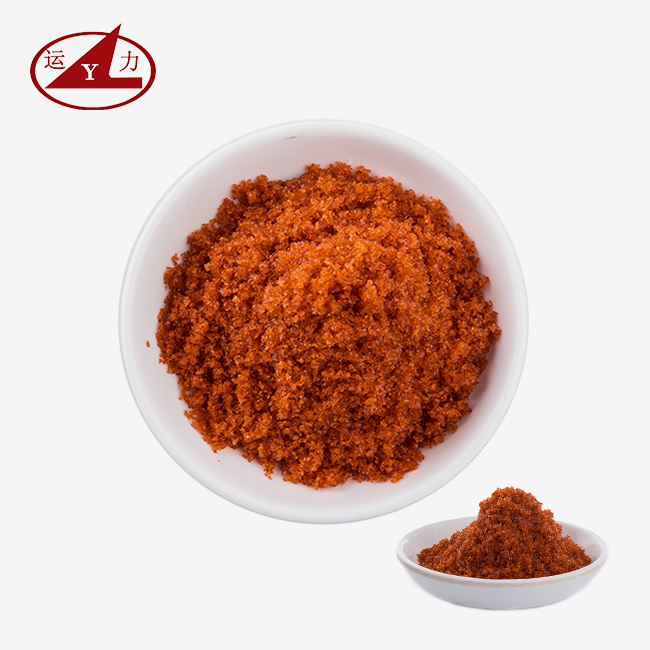
The way you should store and treat copper nitrate trihydrate depends on how its molecules are set up. This water-soluble copper compound is written as Cu(NO3)2·3H2O and has a molecular weight of 241.6 g/mol. The fact that it absorbs water makes a big difference in how it is kept. It's easy for the blue crystals to take in water from the air, which could change how clear they are and how well they work in analytical chemistry.
One more important thing to think about is how sensitive something is to temperature. It doesn't take long for the temperature difference between room temperature and thermal instability to get very small. If you heat the material above 170°C, it breaks down thermally and releases nitrogen oxide gases that are very bad for your health. Temperature control is very important during storage and handling because the point at which something starts to break down is so low.
Because this nitrate salt oxidizes, it might not work with living things or substances that reduce other substances. It can start fires or blasts when mixed with things that are already on fire because it is a strong oxidizer. When you're planning your storage and setting up your workspace, knowing these reactive traits will help you keep dangerous things from going together.
Essential Storage Requirements
Copper nitrate needs to be kept in a climate-controlled area for long amounts of time in order to keep its quality. The relative humidity should be less than 50% so that the material doesn't soak up too much water and harden into crystals. Temperatures that stay stable between 15°C and 25°C stop thermal stress and keep things well below the point where they start to break down.
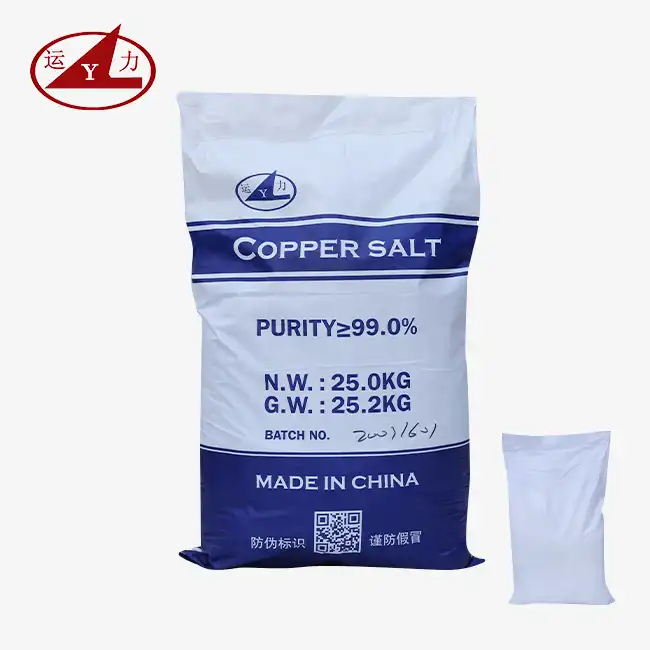
Copper Nitrate Trihydrate must be packed carefully in packages that are compatible chemically and don't let water in. Containers made of high-density polyethylene (HDPE) or polypropylene with lids that fit tightly are great for keeping water out and saving chemicals from the slightly acidic water solutions that can form. Glass containers work well for lab numbers, but they need extra padding for larger amounts.
Putting things that don't mix together keeps them from mixing by accident, which could lead to dangerous responses. Things that can catch fire, organic liquids, and copper nitrate should all be kept away from each other. If there is even a little moisture in the air, metal objects should not be used because they could rust.
When you rotate your goods using first-in, first-out (FIFO) rules, you keep items fresh and stop them from going bad over time. Putting clear labels on goods with production dates, batch numbers, and expiration dates helps keep track of inventory and makes sure that quality control can be done.
Safe Handling Procedures
Gear for your own safety (PPE) is an important part of working safely. To keep your hands safe, wear rubber or neoprene gloves that are resistant to chemicals. Also, wear safety masks to keep crystals or solutions from getting into your eyes. People who work with powdered forms need to wear a dust mask or respirator to keep copper compounds from getting into their skin.
When you set up a work area, make sure there is enough air flow to get rid of any dust or vapors that come up while you work. There is no safer way to work with rocks or make solutions than in a fume hood. After an accident, it should be easy to get to places with eyewashes and safety baths.
To keep things from spilling and making too much dust during the move process, extra care must be taken. Workers stay safe and stop the spread of particles by using powder trays and anti-static gear. When making solutions, never put the grains in before the water. This way, you can control the dissolution process and keep the heat from getting too low.
Keeping things from getting dirty is good for both the product's quality and the safety of the workplace. Certain containers and tools are used to handle copper nitrate so that it does not mix with other chemicals. Regularly cleaning your work area and tools gets rid of dirt and grime that could get in the way of later tasks.
Workplace Safety Protocols
In order to be ready for an emergency, you need to think about what to do in case of touch or spill. Getting it on your skin is bad. Take off any clothes that are dirty right away and wash the area with lots of water for at least 15 minutes. If someone looks you in the eyes, you should wash your eyes with clean water and call 911 right away.
The damage to the environment and the risks at work can be cut down with spill control procedures. Things that don't react with fire can be used to clean up small spills instead of natural ones. So that the environment doesn't get dirty, big spills need to be controlled and cleaned up by experts.
Copper Nitrate Trihydrate can cause oxidation, which is a fire safety issue. The combination doesn't catch fire on its own, but it can make fires with things that do catch fire worse. Foam or organic fire suppressants should not be used on Copper Nitrate Trihydrate fires because they might react with the copper. Water spray can put out these fires.
When people work with copper nitrate, they are trained to know the risks and how to stay safe. A safety talk every so often and a refresher course help people remember the rules and stay up to date on new safety information or changes at work.
Environmental Considerations
Copper nitrate waste management needs to pay close attention to environmental rules and how to get rid of the waste. Copper is poisonous to aquatic life, so you should never put used materials down drains or into waterways. Licensed contractors who get rid of trash can handle extra inventory using allowed methods for treatment and disposal.
Facilities that handle large amounts of copper products need to keep an eye on the air quality. Regular sampling of the atmosphere can find high amounts of copper that could mean there isn't enough air flow or containment failures. This proactive method protects the health of workers and shows care for the environment.
Before releasing wastewater, cleaning systems must be able to get rid of copper ions. Using technologies like precipitation and filtration can successfully lower copper levels to safe levels. Some factories use closed-loop devices to get copper values back from process streams and reuse them.
Quality Preservation Techniques
Schedules for analytical testing help keep product standards stable during storage. The material meets the needs of the application by being regularly checked for moisture levels, copper purity, and impurity levels. Materials that are stored in less-than-ideal conditions or for long amounts of time may need to be tested more often.
Documentation tools keep track of how each batch of Copper Nitrate Trihydrate was stored, how it was handled, and the results of any tests that were done on it. This information helps with quality checks and finding patterns that could mean there are problems with keeping or handling. A lot of this paperwork can be done automatically by digital tracking systems, which also make it easy to view old data.
Monitoring the stability of the container stops contamination and moisture from getting in, which could lower the quality of the product. Checking seals, gaskets, and container walls on a regular basis can help find weak spots before they let go of the kept goods. Replacing broken packages keeps expensive goods from going to waste.
Conclusion
Copper nitrate trihydrate management needs careful attention to how it is stored, how it is handled, and a full set of safety rules. Because this compound absorbs water and oxidizes, it needs special controls and safety steps in the work area to make sure workers are safe and the quality of the product is maintained. Regular training, the right tools, and clear instructions set the stage for safe activities that make the most of this chemical's many uses. By following these rules, facilities can keep risks to a minimum while still meeting the high purity standards needed for demanding uses in analytical chemistry, catalyst production, and other specialized industrial processes.
Yunli Chemical: Your Trusted Copper Nitrate Trihydrate Supplier
Yunli Chemical provides high-quality Copper Nitrate Trihydrate supplier for commercial use by combining 20 years of experience in manufacturing with strict quality control. Our ISO-certified location makes sure that all of our products meet the same standards, and our technical team is here to help with everything from storage to handling to application. Contact us at wangjuan202301@outlook.com to discuss your specific requirements and receive free samples up to 500 grams for evaluation.
References
1. American Chemical Society. "Guidelines for Chemical Laboratory Safety in Secondary Schools." American Chemical Society Publications, 2019.
2. National Institute for Occupational Safety and Health. "Criteria for a Recommended Standard: Occupational Exposure to Inorganic Copper Compounds." NIOSH Technical Report Series, 2018.
3. European Chemicals Agency. "Guidance on Safe Use of Chemicals: Storage and Handling of Oxidizing Substances." ECHA Publications Office, 2020.
4. International Labour Organization. "Safety and Health in the Use of Chemicals at Work." ILO Chemical Safety Guidelines, 2017.
5. Royal Society of Chemistry. "Chemical Safety in Academic Institutions: Storage and Handling of Inorganic Nitrates." RSC Safety Guidelines, 2021.
6. World Health Organization. "Environmental Health Criteria for Copper Compounds: Industrial Handling and Storage Practices." WHO Environmental Health Series, 2019.