


Ferric Nitrate Nonahydrate Handling Precautions
Ferric Nitrate Nonahydrate handling precautions are critical for industrial safety and operational efficiency. This purple crystalline compound with molecular formula Fe(NO₃)₃·9H₂O presents unique challenges due to its oxidizing properties, deliquescent nature, and potential reactivity with organic materials. Proper handling protocols protect personnel while maintaining product integrity across electroplating, textile dyeing, catalyst manufacturing, and pharmaceutical applications. Understanding these precautions enables procurement managers and technical engineers to establish safe, compliant operations that minimize risks and maximize process reliability.
Comprehending Ferric Nitrate Nonahydrate Properties and Applications
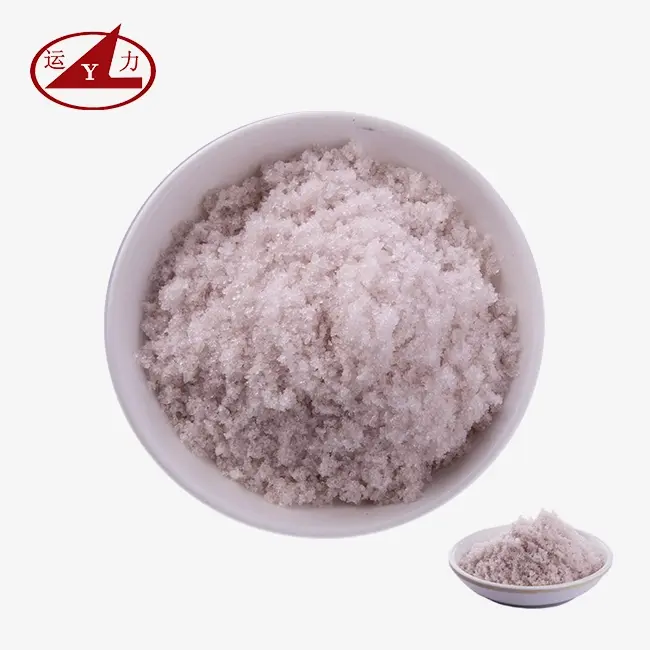
Ferric ammonium nonahydrate (CAS 7782-61-8) is a versatile the iron-salt compound that has proven necessary in a variety of industrial areas. This destabilizing purple crystal has a specific content of 1.68 and remains structurally intact until it reaches its melting temperature of 47.2°C. Along with that threshold, the chemical begins thermal breakdown at 125°C, making maintaining a desired temperature critical during the processing and storage processes.
Chemical Characteristics and Solubility Profile
Fe(NO₃)₃·9H₂O has a molecular density of 404.01 g/mol and has remarkable solubility, making it important in industrial applications. This iron nitrate dissolves well in water, ethanol, plus acetone, allowing for processing versatility that many other iron salts may match. Because of its deliquescent nature, the chemical absorbs air moisture, which might have an impact on both handling and storage needs.
Industrial-grade ferric nitrate normally has a purity level of at least 98%, while particular applications may demand ultra-high purity grades of up to 99.9%. The oxidizing capabilities of this chemical provide both possibilities and challenges: although they permit its efficiency as an oxidizer and metal shampoo, they also need careful separation from organic components to avoid burning or explosive reactions.
Industrial Applications Across Key Sectors
Manufacturing companies take use of ferric nitrate's distinctive qualities in a variety of applications. Catalyst manufacture requires very low levels of contaminants (≤10ppm heavy metals) for good catalyst bed function and long operating life. Textile makers use this chemical as a mordant to get brilliant, wash-fast colors while limiting fiber deterioration using chloride-controlled formulas.
Electroplating operations are increasingly using ferric nitrate as an ecologically friendly alternative to copper hexavalent treatments. This transition ensures RoHS and Ce compliance while possibly lowering sanitation costs by up to 40%. Metal surface conditioning operations benefit from the medication's excellent solubility and affinity with the zinc-phosphate primers used in anti-corrosion coatings.
Essential Handling Precautions and Safety Guidelines
To handle iron nitrate nonahydrate safely, you must first understand its chemistry behavior and associated risks. The compound's oxidation nature generates unique concerns that must be handled with suitable safety precautions and operating processes.
Personal Protective Equipment Requirements
Workplace safety starts with the right selection of personal protective equipment. When working with iron salt, you must wear chemical-resistant gloves, safety eyewear, and protective gear. Because of the compound's chance of skin irritation, any contact should be followed by rapid washing. Respiratory protection is essential while handling powdered forms, since inhaling particles might cause respiratory discomfort.
Working areas should have appropriate ventilation to avoid the buildup of products of decay or particulate matter. Emergency eye wash facilities and safety tubs must be easily available in locations with ferric nitrate handling. Personnel training should focus on early exposure signs and suitable response methods.
Storage and Environmental Controls
Proper storage conditions maintain product quality while reducing safety hazards. Because ferric nitrate is deliquescent, it must be stored under moisture-controlled conditions to avoid clumping and preserve flowability. Storage temperatures should be kept below 40°C to avoid premature decomposition, with controlled climate facilities ideal for long-term storage.
Container selection is critical in ensuring safe storage procedures. Non-reactive materials, such as polyethylene with a higher density or specifically coated steel containers, inhibit chemical reactions. Storage facilities must be kept apart from organic materials, combustible compounds, and incompatible chemicals. Regular stocking rotation ensures that older stock is utilized while keeping the product fresh and stable.
Spill Response and Emergency Procedures
Spill response protocols for Ferric Nitrate Nonahydrate should address both immediate safety concerns and environmental protection requirements. Small spills can be contained using inert absorbent materials, while larger incidents may require specialized cleanup procedures. Personnel should evacuate the immediate area and assess the situation before beginning cleanup operations.
Neutralization techniques must take into consideration the compound's oxidizing capabilities and probable interactions with cleaning agents. The disposal of hazardous items should adhere to local environmental rules and businesses best practices. Documenting spill occurrences promotes continual improvement in safety practices and regulatory compliance.
Comparing Ferric Nitrate Nonahydrate with Alternative Iron Compounds
Procurement choices benefit from knowing how iron nitrate nonahydrate compares to other iron compounds in terms of performance, handling, and cost. This analysis provides educated decision-making that combines operational needs with safety and cost considerations.
Performance Characteristics Against Ferric Chloride
Ferric chloride is a frequent alternative to nitrate of iron in numerous industries, however its handling criteria and performance profiles vary significantly. While ferric chloride reduces material prices, its corrosive nature complicates choosing tools and maintenance methods. The chloride concentration in ferric chloride may cause corrosion in metal systems, but ferric nitrate is more compatible with normal industrial equipment.
Solubility discrepancies have an influence on processing needs. Ferric nitrate's better solubility into organic solvents in order allows for more processing flexibility than ferric chloride. This benefit is especially useful in the manufacture of catalysts and specialized chemical synthesis, where solvent compatibility influences product quality and procedure efficiency.
Advantages Over Ferric Sulfate Applications
Ferric sulfate and ferric nitrate uses overlap in treatment for water and metal finishing processes, although there are major performance variations that impact selection criteria. Ferric nitrate's increased solubility rate allows for quicker disintegration and more uniform dispersion in treatment systems. The lack of sulfate ions removes any scaling concerns associated with ferric sulfate on hard water applications.
pH stability is another distinguishing aspect. Ferric nitrate solutions have more stable pH levels during storage, requiring fewer modifications and enhancing process uniformity. This reliability leads to lower operating costs and enhanced quality control in critical applications.
Cost-Effectiveness Analysis for Bulk Operations
Volume purchase has a considerable influence on the relative value for money of various iron compounds. While ferric nitrate often fetches higher unit pricing than alternatives, the overall cost of ownership assessments must take into account storage, shipping, and processing costs. The lower infrastructure needs for ferrous nitrate storage as well as handling may balance greater material prices in a variety of applications.
Ferric nitrate is also more cost effective for transportation in certain cases owing to its stability and lower regulatory requirements when compared to more dangerous alternatives. Bulk purchase agreements often result in significant cost savings, with volume reductions making ferric nitrate equal with alternatives when overall operating expenses are included.
Procurement Insights: Sourcing Strategies for Quality and Compliance
Effective procurement in the iron nit nonahydrate requires thorough supplier assessment and quality assurance procedures. The selection approach should emphasize suppliers that can show consistent superiority, legal adherence, and technical assistance.
Supplier Qualification and Quality Assurance
Supplier assessment starts with the verification of manufacturing certificates and quality management systems. ISO 9001 certification implies established quality control methods, whilst ISO 14001 sustainability accreditation shows a commitment to sustainable production practices. OHSAS 18001 accreditation adds further confidence to occupational wellness and risk management.
Manufacturing capability assessments should involve an assessment of production capacity, equipment accuracy, and analytical testing skills. Suppliers with modern apparatus, such as the ones used for ICP-MS and atomic emission spectrometry, may provide greater quality control and quicker analytical turnaround times. Production flexibility for unique purity grades or packaging choices demonstrates the supplier's ability to satisfy a wide range of client needs.
Documentation and Regulatory Compliance
Comprehensive documentation packages, including the Certificate of Analysis (COA) and Material Safety Data Sheet (MSDS), are provided to support the safe handling and regulatory compliance of Ferric Nitrate Nonahydrate. The COA documents detailed compositional data including impurity levels, pH values, and physical properties. The MSDS must reflect current regulatory standards and provide accurate safety information for handling procedures.
Compliance with rules verification should involve validation of registration status with appropriate chemical management programs. REACH registrations for European markets, Eia compliance for US enterprises, and other regional standards must be current and well-documented. Suppliers ought to execute traceability systems that allow for lot-specific documents and quality verification.
Logistics and Supply Chain Optimization
Transportation needs for ferric nitrate need study of both safety rules and cost-cutting alternatives. Proper package selection reduces moisture absorption while satisfying shipping safety standards. Bulk shipping solutions may give considerable cost savings for high-volume consumers, but suitable receiving and storage facilities must be available.
Building partnerships with many competent suppliers improves supply chain resiliency. Diversification mitigates the risks caused by supply interruptions while offering power in competitive price discussions. Long-term supply agreements may help to keep prices stable and assure priority allocation during peak demand times.
Integrative Best Practices for Safe Handling and Procurement Excellence
Successful iron nitrate operations combine safety measures with economical procurement techniques to produce the best outcomes. These best practices represent lessons acquired from experienced users in a variety of industrial applications.
Operational Excellence Through Systematic Approaches
Systematic methods to ferric nitrate management begin with thorough risk evaluations that identify possible dangers and implement suitable control mechanisms. These evaluations should take into account routine operations, maintenance work, and emergency situations. Regular evaluations ensure that security procedures are updated when operations change and additional knowledge becomes available.
Training programs should include both academic knowledge and the practical skills necessary for safe handling. Hands-on training sessions utilizing real materials in supervised settings help employees gain confidence and competence. Refresher learning at regular intervals preserves competency while also introducing new safety ideas or procedure modifications.
Documentation systems promote continual development by recording operational knowledge and experiences gained. Incident reporting processes should promote proactive identification of possible changes rather than concentrating exclusively on existing issues. This technique helps to avert accidents while also developing institutional knowledge that supports long-term operations.
Quality Control Integration with Safety Protocols
Quality control methods should supplement safety regulations in order to assure both product effectiveness and operational safety. Incoming inspection processes ensure that supplied items fulfill requirements while also detecting any safety issues. periodic examination of stored materials ensures stability and detects any deterioration that might compromise safety or performance.
Process monitoring systems monitor critical factors that influence both safety and quality outcomes. Temperature monitoring avoids overheating, which may lead to breakdown, while humidity management keeps the product stable and prevents handling issues. Automated monitoring systems offer constant supervision and notify operators of issues that need attention.
Long-Term Storage and Maintenance Strategies
Storage for a while success requires adherence to both environmental regulations and material handling protocols. A good facility design includes proper ventilation, thermostats, and moisture management procedures. Maintenance programs for storage containers maintain their continuous viability while preventing contamination or safety issues.
Systems for managing inventory should monitor material ages and conditions in storage to ensure optimal stock rotation. Regular checks of stored materials detect any changes in their appearance, movement, or other properties that might suggest deterioration. Proactive replacement of aged inventory avoids quality concerns and ensures compliance with safety regulations.
Yunli Chemical: Your Trusted Partner for Premium Ferric Nitrate Solutions
Yunli Chemical has established itself as a leading manufacturer of Ferric Nitrate Nonahydrate through two decades of dedicated chemical industry experience. Our manufacturing facility in Shanxi Province operates under stringent quality management systems, including ISO 9001, ISO 14001, and OHSAS certifications that ensure consistent product quality and operational excellence.
Advanced Manufacturing Capabilities and Quality Control
Our manufacturing capabilities represent a major investment in modern manufacturing technologies and quality control techniques. The company's Provincial-Level Advanced Technology Center accreditation acknowledges our dedication to innovation and technological excellence. Advanced analytical equipment, such as ICP-MS and atomic-bypass spectrometers, allows for accurate quality control with purity levels as small as 10ppm in specific applications.
Manufacturing flexibility enables the adjustment of product parameters to suit individual client needs. Purity levels spanning 98% to 99.9% are suitable for a wide range of applications. Crystal control of sizes and pre-dissolved solutions of water make processing easier while still keeping quality requirements. Anti-caking agents along with various additives may be used to meet particular handling or storage needs.
Comprehensive Product Portfolio and Technical Support
Our metal nitrate product range includes many grades and packaging choices to fulfill various industrial needs. Standard packaging consists of 25kg PE bags for smaller uses, 500kg drums for medium-sized operations, and international tank containers for bulk customers. Custom packaging solutions meet specific handling or storage needs.
Technical assistance might include application-specific advice, analytical assessment and troubleshooting help. Our knowledgeable technical staff offers advice on handling practices, safety standards, and optimization techniques. Customers may undertake comprehensive evaluations before committing to bigger purchases with free samples weighing up to 500 grams.
Environmental Compliance and Sustainable Practices
Environmental stewardship is a major priority that we incorporate into our production processes as facility operations. Extensive expertise in nitrate filtration and exhaust gas control guarantees that operations adhere to rigorous environmental regulations. These skills allow us to provide ecologically responsible goods that help customers achieve their sustainability objectives.
Our manufacturing processes incorporate waste minimization strategies and energy efficiency measures that reduce environmental impact while maintaining cost competitiveness. Continuous improvement programs identify opportunities for further environmental performance enhancement while maintaining product quality and safety standards.
Conclusion
Ferric Nitrate Nonahydrate handling precautions encompass multiple critical aspects that directly impact industrial safety, product quality, and operational efficiency. Understanding the compound's unique properties - including its deliquescent nature, oxidizing characteristics, and thermal stability limits - enables informed decision-making across procurement, storage, and application activities. Proper safety protocols, from personal protective equipment selection to emergency response procedures, protect personnel while maintaining regulatory compliance.
Supplier selection criteria emphasizing quality certifications, analytical capabilities, and technical support ensure reliable supply chains that meet demanding industrial requirements. Integrating these best practices creates operational excellence that balances safety priorities with business objectives, supporting long-term success in competitive industrial markets.
FAQ
What are the primary safety risks when handling ferric nitrate nonahydrate?
The main safety risks include skin and respiratory irritation due to the compound's acidic nature, potential fire or explosion hazards when in contact with organic materials due to its oxidizing properties, and thermal decomposition risks when exposed to temperatures above 125°C. Proper personal protective equipment, adequate ventilation, and segregation from incompatible materials effectively mitigate these risks.
How should ferric nitrate nonahydrate be stored to maintain product quality?
Optimal storage requires moisture-controlled environments below 40°C using non-reactive containers such as high-density polyethylene or specially coated steel. The storage area must be segregated from organic materials and equipped with proper ventilation. Regular monitoring of humidity levels and container integrity prevents product degradation and maintains handling characteristics.
What certifications should suppliers provide for ferric nitrate procurement?
Essential documentation includes current Certificate of Analysis (COA) with detailed compositional data, comprehensive Material Safety Data Sheets (MSDS), and proof of regulatory compliance such as REACH registration. Supplier certifications should include ISO 9001 for quality management, ISO 14001 for environmental management, and relevant safety management system certifications.
Can ferric nitrate nonahydrate be transported in bulk quantities safely?
Yes, bulk transportation is safe when proper procedures are followed, including appropriate packaging that prevents moisture absorption, compliance with DOT transportation regulations, and use of qualified carriers with hazmat certification. Receiving facilities must have adequate storage capabilities and trained personnel for safe material handling upon delivery.
Partner with Yunli Chemical for Superior Ferric Nitrate Nonahydrate Solutions
Yunli Chemical stands ready as your reliable ferric nitrate nonahydrate manufacturer, combining two decades of chemical industry expertise with cutting-edge production capabilities. Our ISO-certified facility produces ultra-high purity ferric nitrate nonahydrate with customizable specifications that meet the most demanding industrial applications. From catalyst manufacturing to electroplating operations, our technical team provides comprehensive support including free samples, application guidance, and tailored solutions that optimize your processes while maintaining the highest safety standards. Contact our experts at wangjuan202301@outlook.com to discuss your specific requirements and discover how our premium ferric nitrate products can enhance your operations.
References
1. Chemical Safety and Hazard Investigation Board. "Guidelines for Safe Storage and Handling of Reactive Chemicals in Industrial Facilities." Washington, DC: U.S. Chemical Safety Board, 2019.
2. International Labour Organization. "Safety and Health in the Use of Chemicals at Work: A Training Manual." Geneva: ILO Publications, 2021.
3. American Chemical Society. "Chemical Health and Safety Guidelines for Iron Compounds in Industrial Applications." ACS Chemical Health & Safety Journal, Vol. 28, 2020.
4. European Chemicals Agency. "Guidance on Safe Use of Iron Nitrate Compounds: Technical and Regulatory Requirements." Helsinki: ECHA Publications, 2022.
5. National Institute for Occupational Safety and Health. "Criteria for a Recommended Standard: Occupational Exposure to Metal Nitrates." Cincinnati: NIOSH Publications, 2021.
6. International Organization for Standardization. "ISO 11014: Safety Data Sheet for Chemical Products - Content and Order of Sections." Geneva: ISO Standards, 2020.