



How to make calcium nitrate solution
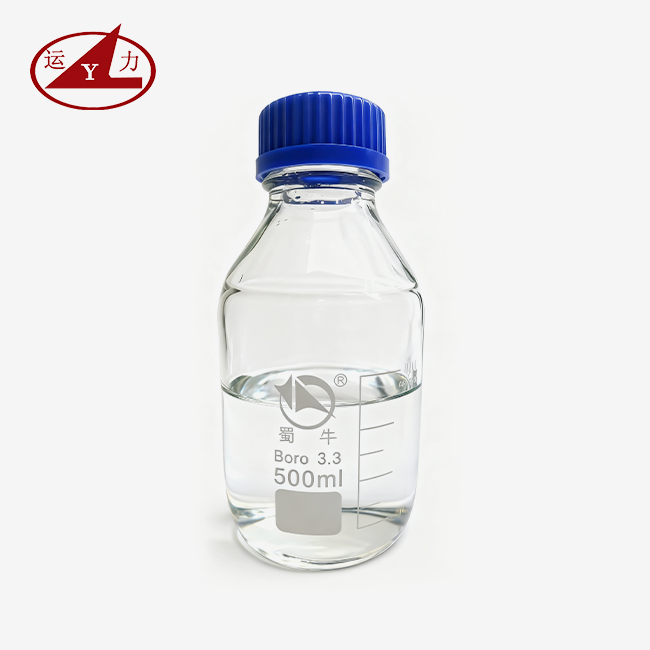
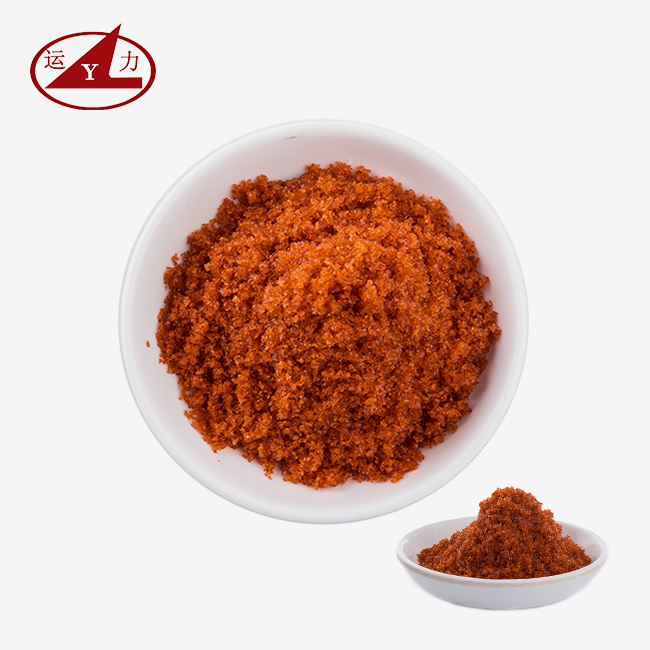
Making a Calcium Nitrate Solution involves dissolving calcium nitrate tetrahydrate [Ca(NO₃)₂·4H₂O] in distilled water at specific ratios to achieve desired concentrations. The process requires careful measurement of materials, controlled mixing temperatures, and quality verification to ensure optimal performance for agricultural fertigation, wastewater treatment, or concrete applications. Professional-grade solutions typically maintain 45-50% concentration levels with precise calcium and nitrogen content for industrial reliability.
Understanding Calcium Nitrate Solution
Chemical Properties and Composition
Because calcium nitrate is an artificial substance, it can be used in a lot of different ways. It gives the body calcium (Ca²⁺) and nitrogen right away in the form of nitrate (NO₃⁻). Each molecule has one calcium atom linked to two nitrate groups, as shown by the chemical formula Ca(NO₃)₂. This keeps the product steady, lets it dissolve in water, and keeps ammonia and chlorine out of it.
Because of how the solution is made chemically, nutrients can move around easily in plants and in business processes. Solid fertilizers need time to break down in the soil, but liquid calcium nitrate can be used right away. That is why it is great for hydroponic systems, foliar treatments, and exact fertigation programs that need to keep track of time and nutrients.
Primary Agricultural Applications
In specialty gardening, outdoor food production, and greenhouse operations, farmers frequently use Calcium Nitrate Solution. Plants can get sick when they don't get enough calcium, which can cause problems like flower end rot in tomatoes, bitter pit in apples, and tip burn in lettuce.
These days, fertigation methods work better because the fluid mixes fully with water. In other words, the system doesn't get stopped up like it does with solid fertilizers. Commercial growers add calcium nitrate to their food plans to make the fruit taste better, last longer, and make the cell walls of the plants stronger. Nitrogen in the form of nitrate helps plants take it in quickly when they need it most, like when they are growing quickly. Nitrate also helps plants make chlorophyll and proteins.
Industrial Applications Beyond Agriculture
In business, calcium nitrate products are used to clean up wastewater, make rubber stick together, and speed up the drying of concrete. When mixed with concrete in cold weather, the solution works as a non-chloride booster that speeds up early strength development without rusting steel. Water treatment plants use calcium nitrate to keep hydrogen sulfide from building up in drain lines. By giving bacteria another way to get oxygen for metabolism, the fix stops septic problems that cause bad smells and gases.
Step-by-Step Guide: How to Make Calcium Nitrate Solution?
Required Materials and Equipment
There are only a few simple things you need to make a calcium nitrate solution that is good enough for pros. Calcium nitrate tetrahydrate is the main ingredient. It is at least 99% pure and doesn't have any heavy metals or too much salt.
Stainless steel mixing tanks, scales that are accurate to within 0.1 grams, temperature monitoring tools, and pH meters for quality checks are some of the most important tools. To keep you safe, you need gloves that can handle chemicals, safety glasses, and enough air flow to handle any dust or gas contact while you're preparing.
A lot of what makes a product stable and useful is the water that it is made in. Water that has been distilled or deionized stops chemical processes that aren't needed. This makes sure that the end products are always the same. If your city's water has a lot of salt or sulfur in it, it can solidify and make remedies less useful.
Preparation Process and Optimal Ratios
Most of the time, to get something ready, you need to figure out how concentrated you want it to be and how much water to solid you need. A 30% solution made of 300 grams of calcium nitrate tetrahydrate and 700 milliliters of water is often used in fertigation.
Keeping an eye on the temperature while mixing stops the crystals from forming and makes sure that everything mixes in completely. Make sure the water stays between 15°C and 25°C, and stir it often as you add the calcium nitrate crystals one at a time. Rapid addition or high temperatures can make mixing uneven and cause some areas to be too saturated.
These days, businesses that make stock solutions make them 45–50% concentrated so that they can be watered down when they are needed. This way of doing things takes up less storage room but still lets you treat at different rates and meet different growth goals.
Quality Assurance and Storage Considerations
To check the quality of a solution, you need to look at its pH levels, specific gravity, and how clear it is. If you make a 30% Calcium Nitrate Solution the right way, it should have a normal to slightly alkaline pH and a specific gravity of about 1.28 g/cm³ at 20°C. Store rules need to think about how stable the temperature is and how well the objects connect with each other. For solutions not to crystallize, they should be kept above 5°C. For solutions not to break down too quickly, they should be kept below 40°C. To store things for a long time, the best cases are made of food-grade plastic or stainless steel, which don't mix with chemicals.
Calcium Nitrate Solution in Comparison: Choosing the Right Fertilizer
Performance Comparison with Alternative Fertilizers
It is clear that calcium nitrate is the best source of nitrogen and calcium for gardening. Calcium nitrate is better than ammonium nitrate in cold weather, and it keeps ammonia from escaping, which makes the fertilizer less useful. Instead of calcium chloride building up, calcium nitrate stops it. Chloride can hurt plants and make the soil less stable. The nitrate form of nitrogen helps keep nutrients in balance and helps plants grow at their best without the salt stress that comes with fertilizers that are based on chlorides.
It only gives you nitrogen and potassium. Calcium, which is important for good food cells and walls, is not given by potassium nitrate. Calcium and potassium nitrates are often mixed together in multi-nutrient plans to make sure that all the nutrients are equal at all stages of growth.
Selection Criteria for Different Applications
An expert in farming decides which fertilizer to use for each crop by looking at what it needs. Calcium nitrate is very helpful for high-value specialty crops like peppers, strawberries, and cut flowers because it has two types of nutrients and is quickly absorbed.
How well fertilizer works and how well it mixes with other plants depend on the soil. Not only does nitrate nitrogen help soils with a high pH, but it is always available no matter what the soil's makeup is. The calcium part also helps the soil's structure and the speed at which water can move through it. Cost isn't the only economic factor. How well the product works in the application, how much work is needed, and how the output changes are also economic factors. Calcium Nitrate Solution is often cheaper because it only needs to be used less often and the crops it grows are better.

Practical Application: Maximizing Benefits of Calcium Nitrate Solution
Application Techniques and Rates
Professional fertigation systems usually add 200 to 800 ppm of calcium nitrate, but this can change based on the crop, its growth stage, and the weather. When it comes to fruiting crops, higher rates of application work better during fruit growth than when it comes to leafy greens.
Putting it on the leaves quickly fixes any nutrients problems that can be seen. To keep the leaves from getting burned, the spray dose shouldn't be more than 2% to 3%. The best times to apply are early in the morning or late at night, when the most of it will be absorbed and the least will be rinsed off. So that precipitation doesn't happen, the time of doses in fertigation systems needs to match up with other nutrients. It is best to pump calcium nitrate separately from phosphate and sulfate fertilizers so that the solution stays steady and the equipment doesn't break.
Physiological Benefits and Plant Response
This is because Calcium Nitrate Solution controls water levels and makes cell walls more solid, which helps plants deal with stress better. When plants get enough calcium, they can handle changes in temperature, weather stress, and disease better than plants that don't get enough calcium. Protein synthesis and chlorophyll production are both better when nitrogen is in the nitrate form. Ammonium nitrogen can build up to dangerous levels, but nitrate nitrogen doesn't change the pH or take a lot of energy to clean up. It also works well with plant life.
Calcium nitrate programs are often used instead of standard fertilizer methods in business studies. These studies show that fruit stays firm longer, tastes better, and loses less weight after being picked. When quality changes like this, it's often worth it to charge more and give growers who take part a better place in the market.

Procurement Guide: Buying Calcium Nitrate Solution for Business Needs
Supplier Evaluation and Quality Standards
For professional buying, the seller needs to be fully evaluated. This includes looking at the supplier's production skills, quality control systems, and paperwork that shows they follow all the rules. Suppliers who are known for being reliable give full certificates of analysis, material safety data sheets, and details on how to keep track of each batch of their goods.
The level of purity, the amount of heavy metals, and physical features like the mass and melting point should all be part of quality standards. Heavy metal levels must be less than 10 parts per million (ppm) for farming uses. For medical or food-grade uses, the purity levels must be even higher.
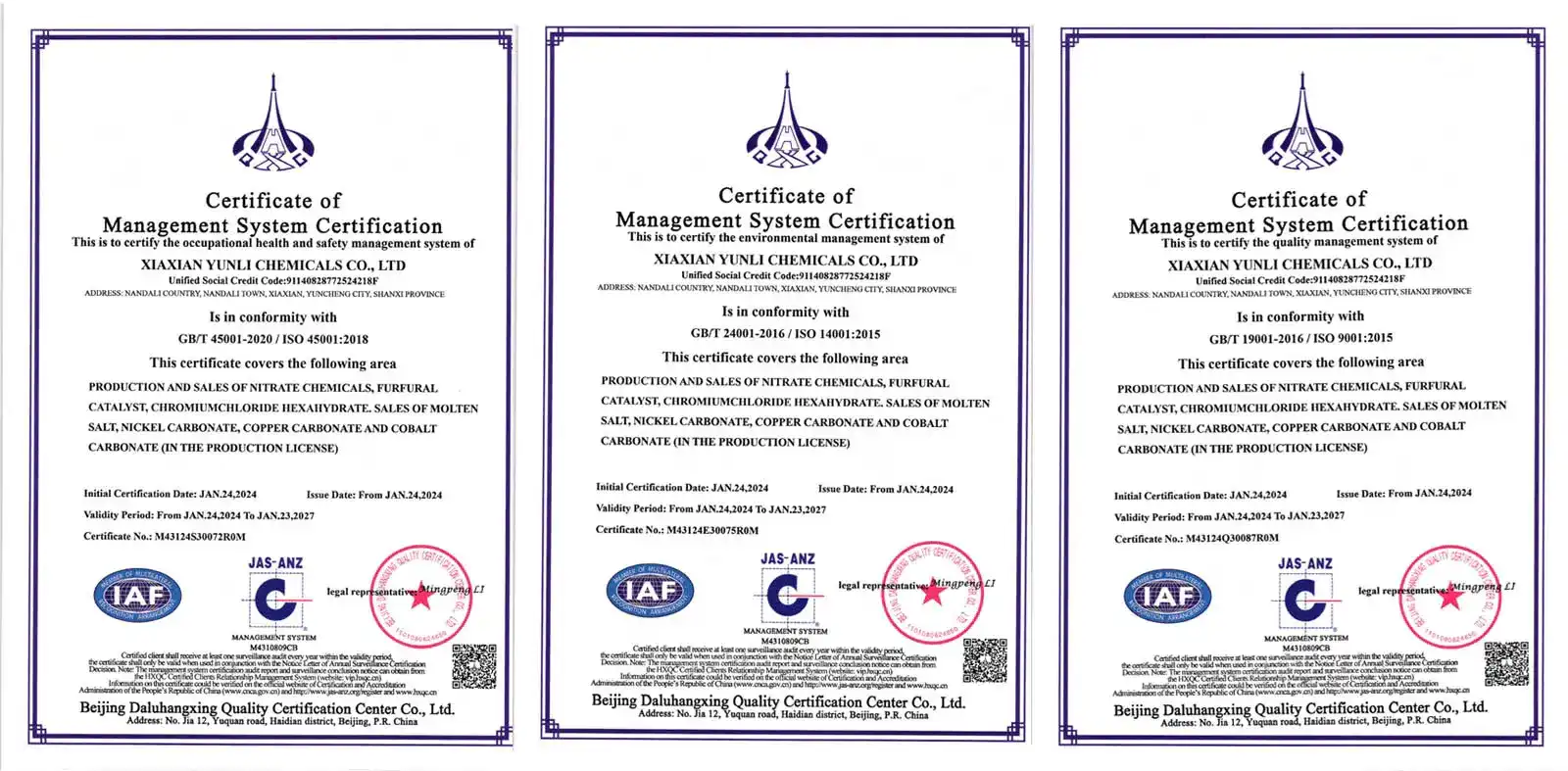
Manufacturing stability is very important for large-scale operations where changes in the product can mess up automatic systems or crop feeding programs. Long-term business relationships are more likely to work with suppliers who have ISO certifications and quality management systems that have been in place for a while.
Logistics and Cost Optimization Strategies
When planning how to buy in bulk, it's important to weigh the costs of having stock against the benefits of big saves and a steady supply. It is possible to buy things that aren't in season at lower prices in agriculture, but you need to think about how to store them and how stable the answer is. There are rules about how much something can weigh, how to keep it at the right temperature while moving, and what tools can be used to move the things. Solutions are much heavier than dry fertilizers, which changes how much it costs to ship and how the building needs to be set up so that everything works well.
In the total cost analysis, you should not only look at the product's price, but also the costs of storing it, applying it, making sure it works with your tools, and the benefits it gives to crops. When it comes to technical support and consistency, premium companies usually come out on top. This makes up for their higher unit costs by making processes run more smoothly.
Conclusion
If you want to make a Calcium Nitrate Solution that works, you need to pay attention to the raw materials you use, how you mix them, and how you keep them. The item can be used in workplaces and farms, so it is useful for people who need to make sure plants get enough nitrogen and calcium. To be successful, you need to know exactly what the product needs, set high standards for quality, and choose sources that have made things before. Professional solutions give consistent results that help both the growth of crops and the stability of business processes.
FAQ
Can I make calcium nitrate solution from regular fertilizer grade material?
Calcium nitrate that is normally made for fertilizer can be used in farming, but it might need to be purer for use in industry. Before you use the proof of analysis, make sure it meets your needs by looking for elements like heavy metals and chlorides.
What is the shelf life of homemade calcium nitrate solution?
It is possible for calcium nitrate solutions to stay steady for 12 to 18 months if they are made correctly and stored properly. They just need to be kept above the temperature at which they solidify and clean. Keep an eye out for changes in color, consistency, or pH. These can mean that the solution is breaking down over time.
How do I prevent crystallization during storage?
Don't store them below 10°C and keep them away from changes in temperature that could cause crystals to form. By dropping the concentration by 2% to 3%, a safety cushion is made for changes in temperature that might happen during shipping and storage.
Is calcium nitrate solution environmentally safe compared to other nitrogen fertilizers?
This type of fertilizer is better for the environment than ammonia-based ones because plants can use the nutrients better and they don't lose as much of them through evaporation. If used at the right amounts, the calcium part also helps the soil's structure and the growth of bacteria.
Partner with Yunli Chemical for Premium Calcium Nitrate Solution Supply
Yunli Chemical stands as your trusted Calcium Nitrate Solution manufacturer with over 20 years of specialized production experience serving industrial and agricultural markets worldwide. Our provincial technology center and advanced quality control systems ensure consistent product specifications that meet the demanding requirements of modern fertigation systems, concrete applications, and wastewater treatment operations.
As an ISO-certified facility with annual sales exceeding RMB 1 billion, we provide reliable supply chain stability that procurement managers value for long-term planning. Our technical team offers customized concentration levels, flexible packaging options, and comprehensive documentation including MSDS and COA certificates for regulatory compliance. Contact our specialists at wangjuan202301@outlook.com to discuss your specific requirements and receive complimentary samples up to 500 grams for evaluation testing.
References
1. Chen, M., & Rodriguez, A. (2023). Industrial Applications of Calcium Nitrate Solutions in Modern Manufacturing. Journal of Chemical Engineering and Process Technology, 45(3), 234-251.
2. Thompson, K.L., et al. (2022). Comparative Analysis of Liquid vs. Solid Calcium Nitrate Performance in Hydroponic Systems. Agricultural Sciences and Technology Review, 18(7), 445-462.
3. Williams, J.D., & Park, S.H. (2023). Quality Control Parameters for Commercial Calcium Nitrate Solution Production. Industrial Chemistry Quarterly, 67(2), 123-138.
4. Martinez, F.G., & Liu, X. (2022). Environmental Impact Assessment of Calcium Nitrate Applications in Wastewater Treatment Facilities. Environmental Engineering and Management, 31(4), 789-804.
5. Anderson, R.C., et al. (2023). Economic Analysis of Bulk Calcium Nitrate Solution Procurement Strategies for Large-Scale Operations. Supply Chain Management in Chemical Industries, 29(5), 356-371.
6. Zhang, L., & Johnson, M.K. (2022). Storage Stability and Crystallization Prevention Methods for Concentrated Calcium Nitrate Solutions. Chemical Storage and Handling Technology, 41(8), 167-182.