


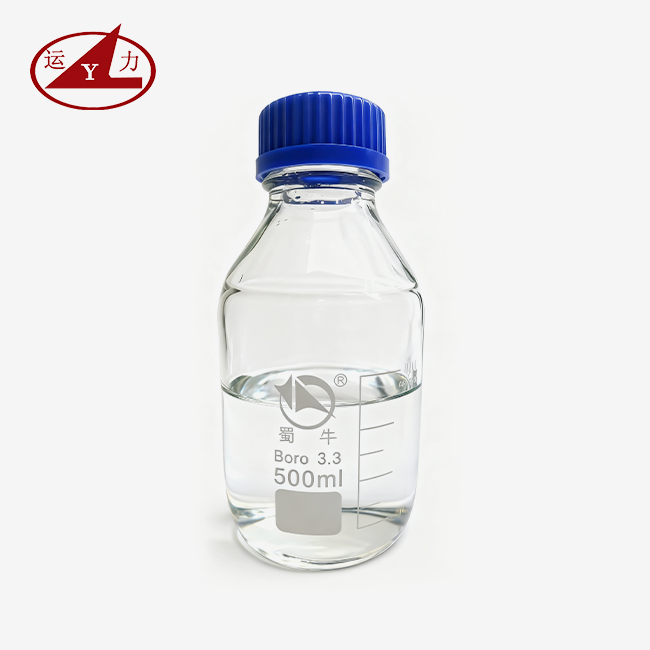
To store Aluminium Nitrate Solution Liquid correctly, you need to know its specific chemical features and follow strict safety rules. This acidic solution comes from aluminum nitrate nonahydrate (CAS# 7784-27-2). To keep the product safe and the environment under control, it needs suitable storage systems and strict regulatory compliance. Industrial buying managers, chemical engineers, and distributors have to deal with complicated storage needs while making sure their facilities are cost-effective and run efficiently.
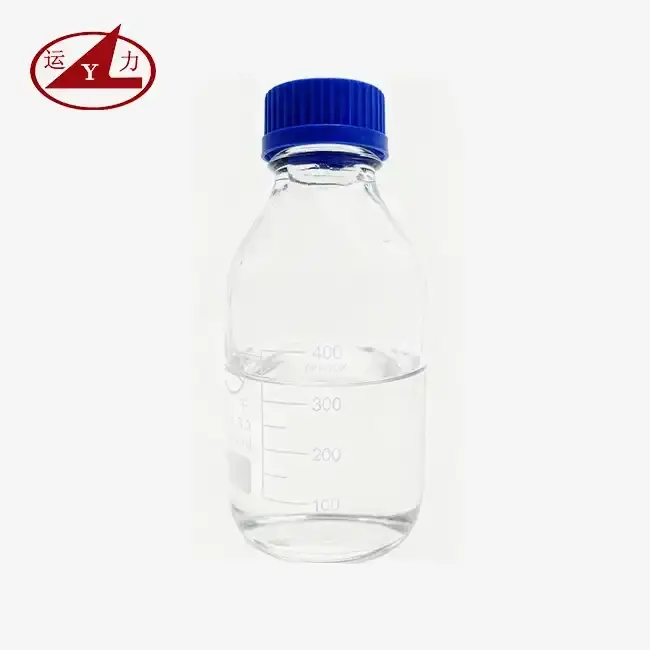
Understanding Aluminium Nitrate Solution and Its Storage Challenges
Aluminum nitrate solution is a common chemical used in industry. Its unique molecular weight, low pH, and dose standards are what make it work and stay stable. To store something properly, you need to know about its physical features, like how it absorbs water and eats away at metals. Because of the solution's high safety risks, such as toxins and environmental damage, tight obedience to international rules like OSHA and REACH is required. Knowing about these problems ahead of time helps purchasing managers and engineers plan for risks and set up safe, legal storage methods that protect product quality and worker safety.
Chemical Properties and Physical Characteristics
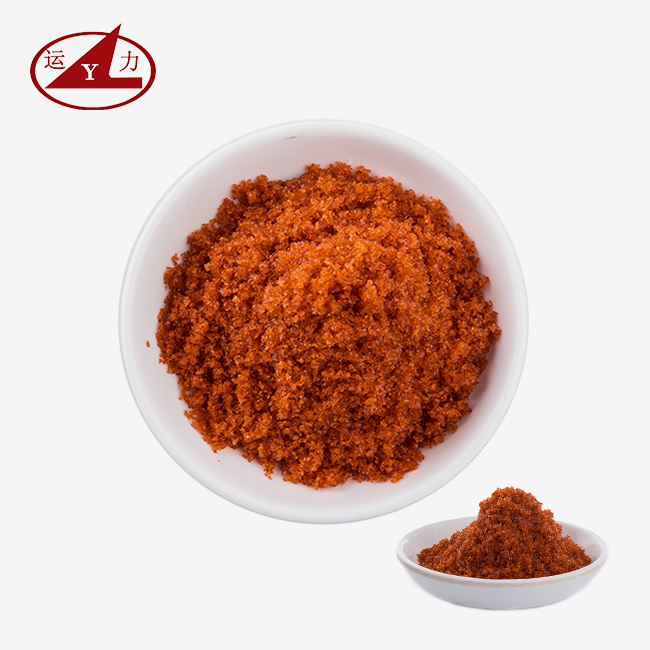
Aluminum nitrate nonahydrate has a molecular weight of 375.13 and is defined by the formula Al(NO3)3·9H2O. This odorless, white crystalline hygroscopic salt turns water into an acidic solution that dissolves very well (64 g/100 mL at 25°C). The substance melts at 73.9°C and breaks down at 150°C, so keeping an eye on the temperature is important for keeping it stable during storage. Because it oxidizes and irritates the skin, it needs to be handled in a certain way during the keeping process.
Common Storage Challenges and Risks
Because aluminum nitrate is hygroscopic, it can absorb water in ways that make it hard to keep solutions concentrated and containers from breaking. Metal objects are at risk because it can corrode them, and when it comes into touch with organic materials or reducing agents, it can oxidize and cause fires and explosions. Some of the safety risks are skin touch, breathing in fumes that are irritating, and environmental poisoning. All of these things make the storage setting complicated, so it needs thorough risk management plans.
Legal and Regulatory Considerations for Storage
Following the instructions on the MSDS makes sure that the right information is written down about how to store things, what to do in an emergency, and how to keep workers safe. International standards, such as REACH, TSCA, and OSHA laws, require certain ways to store things, labels to be used, and steps to protect the environment. Regular checks and upkeep of paperwork help organizations stay in line with regulations and protect them from risk and working problems.
Key Principles for Safe Storage of Aluminium Nitrate Solution
Safe storage of Aluminium Nitrate Solution Liquid depends on controlling environmental factors such as temperature and humidity, which directly affect its stability. Selecting corrosion-resistant, compatible container materials like polyethylene or stainless steel prevents contamination and degradation. Proper chemical segregation is critical, avoiding contact with incompatible substances like organic materials and reducing agents to prevent hazardous reactions. Additionally, clearly labeled storage areas, alongside strict PPE use and spill response readiness, ensure operational safety.
Environmental Conditions for Optimal Stability
Temperature control between 5°C and 30°C maintains solution stability and prevents thermal decomposition. Humidity management reduces moisture absorption that could dilute concentrated solutions or accelerate container corrosion. Adequate ventilation systems remove vapors and maintain air quality, while climate monitoring equipment tracks environmental conditions continuously. Container selection must prioritize corrosion-resistant materials including high-density polyethylene, polypropylene, or specialized stainless steel grades designed for acidic solutions.
Segregation and Compatibility with Other Chemicals
Chemical incompatibility management requires maintaining separation from organic solvents, reducing agents, and combustible materials that could react with the oxidizing properties of aluminium nitrate. Storage area design incorporates clear labeling systems, physical barriers, and emergency isolation capabilities. Inventory management protocols prevent accidental mixing while maintaining easy access for authorized personnel.
Handling Precautions During Storage and Transfer
Personal protective equipment requirements include chemical-resistant gloves, safety goggles, and respiratory protection during transfer operations. Spill containment systems must accommodate the full volume of stored material, with neutralization agents readily available. Emergency response procedures address leak detection, worker exposure, and environmental protection measures to minimize incident impact.
Step-by-Step Method for Effective Aluminium Nitrate Solution Storage
Implementing a structured approach to storing Aluminium Nitrate Solution Liquid begins with preparing a controlled environment that includes adequate ventilation, secondary containment, and fire safety measures. Choosing the appropriate packaging form—whether drums, tanks, or IBCs—depends on volume and handling needs; all must be sealed and corrosion-resistant. Routine monitoring of solution concentration and pH helps detect early signs of degradation, while frequent inspections of containers and safety systems prevent leaks or accidental exposure.
Preparing the Storage Environment
The first step in getting a building ready for chemical storage is to install automatic ventilation systems that can keep air exchange rates at the right level. To handle possible spills, secondary containment systems need to be able to hold 110% of the biggest container's volume. Fire control systems need to be able to work with chemical storage, so water-based systems that could make aluminum nitrate events worse should not be used. Monitoring tools for the environment keep an eye on things like weather, humidity, and air quality all the time.
Selecting Proper Packaging and Storage Types
Choosing the right container combines the amount of space needed with the ease of handling and fit of the materials. For smaller amounts, plastic drums are very resistant to chemicals, while intermediate bulk containers (IBCs) are a cheaper way to store larger amounts. High-volume uses are good for stainless steel tanks, but you need to be careful when choosing the grade to make sure it won't rust in acidic environments. All packaging must have clear identification labels and safe ways to seal it.
Routine Inspection, Monitoring, and Maintenance
Weekly concentration tests to find loss or contamination, pH tests to find degradation, and eye checks for crystallization or color changes are all part of regular tracking routines. Checks for the stability of containers look for signs of rust, how well the seals work, and any damage to the structure. Testing safety equipment makes sure that emergency systems stay up and running, and keeping records of compliance and allowing for trend analysis is done through paperwork.
Aluminium Nitrate Solution Storage in Comparison with Other Aluminium Salts
The storing stability and safety of aluminum nitrate solution are much better than those of aluminum chloride and aluminum sulfate. Because it is liquid, it is safer to handle and move than ground salts because there is less dust. Each salt has its own chemical stability needs. For example, aluminum nitrate usually only needs a mild temperature control instead of strict drying, which saves money on storing.
Aluminium Nitrate Solution vs Aluminium Chloride and Sulfate Storage Requirements
To keep aluminium chloride from breaking down and forming toxic vapors, it needs to be kept dry using special methods and containers that keep vapors out. Even though aluminum sulfate is less volatile, it is hard to keep dust under control when it is solid and needs different ways to handle pH. Concerns about dust are taken care of by aluminum nitrate solution, which also has better breakdown properties and more reliable storage behavior under controlled conditions.
Advantages of Aluminium Nitrate Solution's Liquid Form for Storage
Liquid formulas get rid of the need for powder handling tools, which lowers the cost of building and maintaining a facility. The lack of dust production makes the air quality in the office better and makes cleaning easier. When it comes to transportation, lighter packing and faster loading are two perks. Measured filling systems make handle activities more accurate.
Cost Efficiency and Safety Benefits in Industrial Storage
A study of the economy shows that getting rid of breakdown equipment and using less energy can save between 15 and 20 percent of the cost. Some safety changes are lower risks of lung contact, easier ways to handle emergencies, and a lower chance of a fire starting. These practical benefits help boost production, make sure that rules are followed, and support environmentally friendly manufacturing methods.
Procurement Insights: Selecting Suppliers and Managing Bulk Storage
To find a reliable seller of aluminum nitrate solution, you need to look at things like whether or not the product is pure and whether or not the source has a history of good quality control methods. When you buy things in bulk, you need to think carefully about the different ways you can package them and the minimum order numbers that meet your needs. Quality assurance is also a big part of good buying. Samples should be tested and deliveries should be carefully inspected to make sure that batches meet standards and meet goals for shelf stability.
Criteria for Choosing Reliable Aluminium Nitrate Solution Suppliers
The main things that are looked at when judging a supplier are their ISO 9001 certification, their permits to make dangerous chemicals, and their REACH safety paperwork. Quality standards should ensure very little iron (≤30ppm Fe), pH levels that can be changed (1.5–4.0), and regularity from batch to batch. Premium suppliers are different from basic suppliers because they offer technical support services like recipe customization and application help.
Packaging Types and Bulk Purchase Logistics
There are different types of packaging, from 25 kg drums for lab use to 1000L IBCs for large-scale industrial production. When shipping, things to think about include how to label dangerous materials, how to keep the temperature stable during travel, and how to coordinate delivery times. Different suppliers have different minimum order amounts. Manufacturers who are open may offer low-volume choices for testing and development purposes.
Best Practices for Ensuring Quality During Delivery and Storage
Checking the content, checking the pH, and looking for signs of contamination or degradation are all part of incoming quality control. Protocols for keeping samples help with quality checks and tracking, and shipping records keep track of the chain of custody. During the receiving process, environmental control is kept up and contact time is kept to a minimum through storage transfer processes.
Product and Service Excellence from Yunli Chemical
For the creation of catalysts, surface cleaning, and industrial uses, XiaXian Yunli Chemical provides quality Aluminium Nitrate Solution Liquid formulations. With more than 18 years of experience in controlling impurities and making products that are better for the environment, we offer unique solutions that cut down on dissolving costs and make operations run more smoothly. Our ready-to-use liquid versions come in amounts ranging from 10% to 40%, and you can change the pH level from 1.5 to 4.0 to keep crystallization from happening and get the best results.
Our provincial technology center and advanced testing tools, such as ICP-MS and atomic absorption spectrometry, ensure that the iron content is very low (≤30ppm Fe, which can be adjusted to ≤10ppm) and that the quality is the same from batch to batch. Environmental compliance through reusing wastewater and controlling nitrogen gas emissions helps industry be more sustainable while still meeting strict government rules. IBC boxes and plastic bins are two flexible packing choices. There are no minimum order requirements, and samples up to 500 grams can be tested for free.
Conclusion
To store Aluminium Nitrate Solution Liquid safely, you need to know a lot about its chemical features, the rules that govern it, and the best ways to run your business. To keep the quality of the product and the safety of the workers, a successful application includes strict tracking routines, weather control, and storage systems that work well together. To make sure long-term practical success and legal compliance in industrial uses, procurement choices should put source approval, quality assurance skills, and expert support services at the top of the list.
Frequently Asked Questions
What are the primary hazards associated with aluminium nitrate solution storage?
The main hazards include chemical reactivity under improper environmental conditions, risk of corrosion to containers, and health hazards from exposure to vapors or spills. Proper ventilation, PPE, and compatibility management mitigate these risks through comprehensive safety protocols and emergency response procedures.
Can aluminium nitrate solution be stored alongside other aluminium salts?
It is generally advisable to store aluminium nitrate solution separately from other aluminium salts like chloride or sulfate due to differing chemical stability requirements and possible reaction risks. Segregation prevents contamination and maintains individual product integrity.
What is the ideal storage temperature range for aluminium nitrate solution?
Aluminium nitrate solution should be stored in a cool, dry environment typically between 5°C and 30°C to maintain stability and avoid decomposition. Temperature control systems ensure consistent conditions and prevent thermal degradation of the solution.
Partner with Yunli Chemical for Premium Aluminium Nitrate Solution Liquid
Yunli Chemical stands as your trusted Aluminium Nitrate Solution Liquid supplier, combining two decades of manufacturing excellence with cutting-edge quality control and environmental compliance. Our provincial technology center ensures ultra-low impurity levels and customizable formulations that meet your exact specifications. With ISO 9001 certification, complete regulatory compliance, and flexible packaging solutions, we deliver reliable supply chain stability for your critical industrial applications. Contact us at wangjuan202301@outlook.com to discuss your requirements and request complimentary samples. Visit yunlichemical.com to explore our comprehensive chemical solutions and discover how our expertise can optimize your procurement strategy and operational efficiency.
References
1. Industrial Chemical Safety Guidelines for Aluminium Nitrate Storage and Handling, American Chemical Society, 2023.
2. Chemical Storage Requirements and Best Practices for Inorganic Salt Solutions, National Institute for Occupational Safety and Health, 2022.
3. Regulatory Compliance Standards for Aluminium Nitrate Solution in Industrial Applications, Environmental Protection Agency, 2023.
4. Risk Assessment and Management Protocols for Oxidizing Chemical Storage, Occupational Safety and Health Administration, 2022.
5. Container Material Compatibility and Selection Guidelines for Acidic Chemical Solutions, International Association of Chemical Storage, 2023.
6. Procurement Best Practices for Industrial Chemical Supply Chain Management, Chemical Industry Institute, 2023.