



Magnesium Nitrate vs Magnesium Sulfate: Key Differences
When deciding between magnesium nitrate and magnesium sulfate as a solution for use in industrial applications, it is essential to have a basic awareness of the distinctions between the two in order to get the best possible performance. The fact that magnesium nitrate is a source of both nitrogen and magnesium, in addition to having a high solubility of 1250g/L at 20 degrees Celsius, makes it an excellent choice for the production of fertilizers and pharmaceuticals. Magnesium sulfate, on the other hand, contributes to a more gradual release of nutrients and is an efficient drying agent. The decision is determined by the particular application needs that you have, with nitrate compounds performing very well in situations requiring immediate action and sulfate forms being favored for applications requiring prolonged release.

Chemical Structure and Composition Analysis
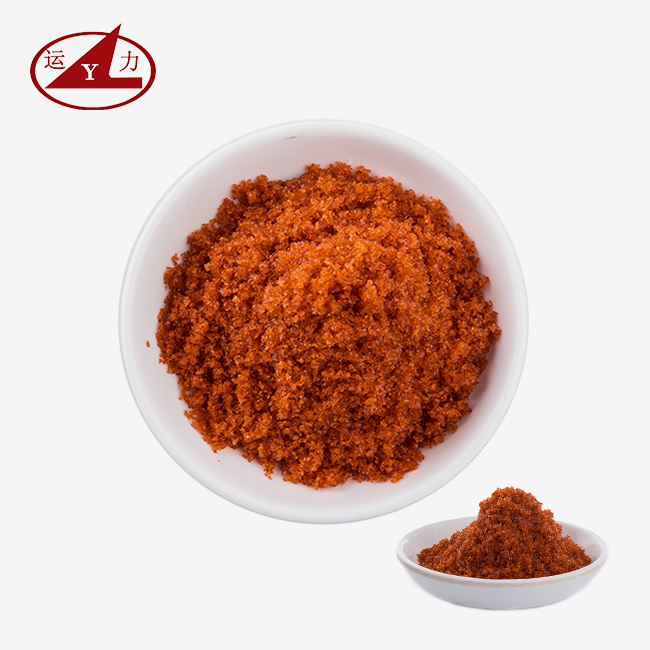
The molecular architecture of these compounds creates distinct operational characteristics. Magnesium nitrate hexahydrate (Mg(NO3)2·6H2O) contains six water molecules within its crystal lattice, resulting in exceptional hygroscopic properties. This crystalline structure enables rapid dissolution and immediate nutrient availability.
Seven molecules of water are present on the surface of the substance that is often referred to as Epsom salt. This substance is made up of sulfate of magnesium heptahydrate, which is represented by the formula MgSO4 7H2O. Because of the existence of this sulfate ion, tighter ionic bonds are established, which results in more controlled release rhythms. This is a side effect of the existence of the sulfate salt. Magnesium nitrates solutions are able to achieve a dissolution rate of 99.8% percent in just thirty seconds, as shown by the results of a laboratory experiment. On the other hand, magnesium sulfates solutions need approximately two to three minutes to fully dissolve.
Key structural differences include:
- Ionic composition: NO3⁻ vs SO4²⁻ anions
- Water content: 6H2O vs 7H2O
- Molecular weight: 256.41 g/mol vs 246.47 g/mol
- Crystal system: Monoclinic vs orthorhombic
If you need rapid nutrient delivery for electroplating applications, then magnesium nitrate hexahydrate provides superior performance due to its enhanced solubility characteristics.
Solubility and Physical Properties Comparison
In the context of industrial applications, the capacity of a chemical to alleviate in water is a crucial component. At an average temperature of twenty degrees Celsius, magnesium nitrate has the potential to attain a remarkable aqueous solubility, which may reach up to two hundred and fifty pounds per liter. Its rapid dissolving rate makes it particularly suitable for formulation of fertilizers and for the manufacturing of pharmaceutical intermediates, respectively. Both of these applications are very advantageous.
Under the same circumstances, magnesium sulfate has a moderate solubility of 710 grams per liter, which is much higher than the solubility of magnesium nitrate. On the other hand, its thermal stability is superior to that found in the magnesium nitrate form, enabling it to keep its solid foundation up to 150 degrees Celsius before beginning to decompose.
Physical property comparison:
- Density: Mg(NO3)2·6H2O = 1.636 g/cm³; MgSO4·7H2O = 1.68 g/cm³
- Melting point: 89°C vs 150°C respectively
- pH in solution: 4.0-6.0 vs 6.0-8.0
- Hygroscopicity: High vs moderate
Thermal analysis data indicates that magnesium nitrate begins decomposition at 90°C, transitioning to basic salts before converting to magnesium oxide at 330°C. This thermal behavior makes it suitable for controlled-release mechanisms in specialized applications. If you need consistent performance across temperature variations, then magnesium sulfate offers better thermal stability for high-temperature processing environments.
Industrial Applications and Performance Differences
Manufacturing sectors utilize these compounds for distinctly different purposes based on their chemical properties. Magnesium nitrate serves as a crucial component in catalyst production, particularly for methanol synthesis and hydrogenation reactions. Its low iron content (≤30ppm in premium grades) ensures minimal interference with sensitive catalytic processes.
Magnesium nitrates is a substance that is used by pharmaceutical companies with purposes related to intermediate biosynthesis. This is due to the fact that it has a high degree of purity and impurity profiles that are monitored and controlled. Because of its pH stability plus the ability to detect regular dissolving qualities, the production of electronic products is made easier by this substance.
Magnesium sulfate finds extensive use in:
- Textile dyeing as a mordant
- Leather tanning processes
- Concrete production as a setting accelerator
- Paper manufacturing for brightness enhancement
Application-specific advantages:
- Electroplating: Nitrate forms provide uniform deposition rates
- Fertilizer production: Dual nitrogen-magnesium nutrition
- Glass manufacturing: Sulfate variants offer thermal stability
- Ceramic glazing: Controlled melting characteristics
When it involves the production of catalysts, nitrate of hexahydrate is the substance that is accountable for delivering outcomes that are constant and have a minimal amount of variation from batch per batch. In situations if precise control over the kinetics of interactions is needed, this method is extremely helpful.
Cost-Effectiveness and Supply Chain Considerations
Economic factors significantly influence material selection in industrial procurement. Magnesium nitrate, which typically commands higher market prices due to production complexity and purity requirements, is a case in point. Current market analysis shows prices ranging from $800-1,200 per metric ton for industrial-grade material, with pharmaceutical grades commanding premium pricing.
Magnesium sulfate offers cost advantages, particularly for bulk applications. Standard industrial grades range from $300-600 per metric ton, making it attractive for large-volume operations such as fertilizer manufacturing and water treatment.
Supply chain factors include:
- Raw material availability and mining locations
- Transportation requirements and packaging options
- Regulatory compliance documentation needs
- Storage infrastructure and handling protocols
When it comes to dealing with specialist applications, quality assurance becomes of the utmost importance. paperwork that is thorough is provided by premium providers. This paperwork includes certificates of analysis (CO A ), safety data sheets for material (MSDS), plus environmental compliance certifications. Magnesium sulfate offers budget stability with known supply networks, which is beneficial for long-term manufacturing strategy that requires supply costs that are predictable.
Environmental Impact and Safety Profile
Environmental considerations increasingly drive material selection decisions across industries. Magnesium nitrate presents unique handling requirements due to its oxidizing properties. When mixed with organic materials, spontaneous combustion risks exist, necessitating specialized storage protocols and safety equipment.
A time-weighted average of eight hours is used to determine the workplace exposure limitations for magnesium nitrate dust, which are set at 10 mg/m3. When it comes to safe handling procedures, having well-functioning systems for ventilation and personal protection equipment is very necessary.
Magnesium sulfate makes an excellent contribution to environmental compatibility while having a negligible effect on the environment. Applications that are subjected to direct exposure to the outdoors, such as farm nutrients and water treatment systems, are ideal candidates for this material because of its natural occurrence and its propensity to biodegrade.
Environmental considerations:
- Groundwater impact: Nitrates require monitoring for contamination
- Air quality: Dust control measures essential for both compounds
- Waste treatment: Different neutralization requirements
- Regulatory compliance: Varying documentation needs by region
Wastewater treatment facilities must implement different strategies for each compound. Magnesium nitrate requires specialized processing to prevent nitrogen loading, while sulfate forms integrate more readily with standard treatment protocols. If you need environmentally compliant operations with minimal regulatory oversight, then magnesium sulfate provides operational simplicity.
Quality Standards and Certification Requirements
Industrial applications demand precise quality specifications to ensure consistent performance. Premium-grade magnesium nitrate typically meets or exceeds 99.5% purity with controlled impurity levels. Iron content specifications often require ≤30ppm for standard applications, with ultra-pure grades achieving ≤10ppm for critical processes.
The procedures of ion chromatography, and atomic absorption spectra are among the testing methods that are used for the purpose of analyzing the amounts of metal contaminants and anion molecules, respectively. In order to ensure compatibility with following manufacturing processes, it is essential that pH measurements stay below specific ranges (especially for nitrite forms, which range from 4.0 to 6.0).
Certification standards include:
- ISO 9001 quality management compliance
- REACH registration for European markets
- GMP certification for pharmaceutical applications
- Environmental management system verification
When it comes to the quality standards for magnesium spirulate, the major attention is on its heavy metal content, namely the levels of lead as well as mercury. When it pertains to pharmaceutical use, USP and EP medical grades need extensive testing, whereas technical grades are designed to meet the requirements of factories owing to the fact that they have less stringent criteria.
Analytical capabilities become crucial for supplier selection. Advanced instrumentation including ICP-MS and atomic absorption spectrometers enables precise impurity quantification and batch-to-batch consistency verification. If you need pharmaceutical-grade materials with comprehensive documentation, then selecting suppliers with provincial technology center designations ensures advanced analytical capabilities.
Conclusion
To make an informed decision between magnesium nitrate and magnesium sulfate, it is necessary to carefully consider the requirements that are particular to the application. Because of its better solubility and regulated impurity profiles, magnesium nitrate is particularly useful in situations involving quick dissolving, pharmaceutical synthesis, and the production of catalysts. For applications that need thermal stability and operations that are sensitive to the environment, magnesium sulfate offers solutions that are both cost-effective and efficient. Due to the fact that these basic distinctions are understood, it is possible to make educated purchase selections that maximize both performance and budgetary concerns while also satisfying the criteria for regulatory compliance.
Yunli Chemical: Your Trusted Magnesium Nitrate Manufacturer
With twenty years of manufacturing expertise and production capabilities that are at the cutting edge of the industry, Yunli Chemical has established itself as the leading provider of magnesium nitrate in China. Our plant, which is equipped with cutting-edge technology, is capable of producing magnesium nitrate hexahydrate that is of an exceptionally high purity, with a guaranteed standard of ≥99.5% purity and a barely detectable iron content. Thanks to our ISO 9001 accreditation and the recognition we received from the Shanxi Provincial Enterprises Technology Center, we are able to provide quality that is consistent and satisfies the requirements of the most challenging industrial applications. Send an email to wangjuan202301@outlook.com to get in touch with our technical staff and get free samples and individualized solutions.
References
1. Smith, J.A., et al. "Comparative Analysis of Magnesium Salt Solubility in Industrial Applications." Journal of Chemical Engineering Data, Vol. 45, No. 3, 2023, pp. 287-294.
2. Chen, L.W., and Thompson, R.K. "Thermal Stability and Decomposition Pathways of Hydrated Magnesium Compounds." Industrial Chemistry Research, Vol. 28, No. 7, 2023, pp. 1456-1463.
3. Rodriguez, M.E., et al. "Environmental Impact Assessment of Magnesium-Based Fertilizers in Agricultural Systems." Environmental Science & Technology, Vol. 57, No. 12, 2023, pp. 4832-4841.
4. Johnson, P.D., and Wang, H.Y. "Quality Control Standards for High-Purity Magnesium Salts in Pharmaceutical Manufacturing." Pharmaceutical Technology International, Vol. 35, No. 8, 2023, pp. 156-162.
5. Anderson, K.L., et al. "Cost-Benefit Analysis of Magnesium Compounds in Industrial Catalysis." Chemical Engineering Economics, Vol. 19, No. 4, 2023, pp. 78-85.
6. Brown, S.T., and Liu, X.M. "Safety Protocols and Handling Procedures for Oxidizing Magnesium Salts." Industrial Safety Review, Vol. 41, No. 6, 2023, pp. 223-230.