


Nickel Nitrate Applications in Advanced Materials
Nickel nitrate hexahydrate stands as a cornerstone chemical compound in advanced materials manufacturing, driving innovation across electroplating, catalyst production, and emerging battery technologies. This versatile green crystalline compound offers exceptional solubility and ultra-low impurity profiles essential for precision applications. Understanding its unique properties and strategic applications enables procurement professionals to make informed decisions that enhance product quality while maintaining operational efficiency in today's competitive industrial landscape.

Comprehending Nickel Nitrate: Properties and Applications
Chemical and Physical Characteristics
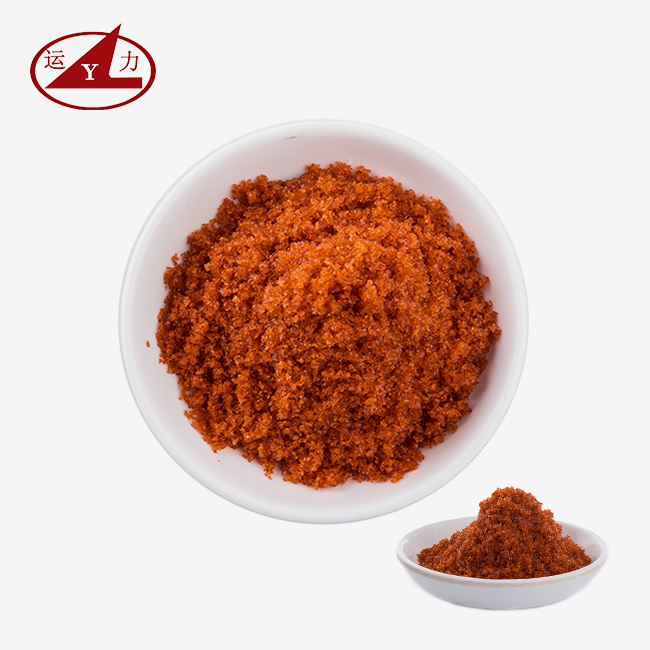
The unique green crystals of nickel nitrate hexahydrate (Ni(NO₃)₂·6H₂O) have exceptional chemical characteristics that make them indispensable in modern materials processing. This molecule has a molecular weight of 290.81 and a specific density of 2.05. It is compatible with alcohol and has a minor solubility in acetone, but it has remarkable water solubility that exceeds 99.5%. The material's regulated pH range of 2.5–3.5 in aqueous solutions and melting point of 56.7°C provide exact processing characteristics necessary for industrial applications.
Because the chemical is hygroscopic—it easily collects moisture from the air and breaks down in dry conditions—it must be handled carefully. This feature helps it dissolve quickly, which is advantageous for industrial operations that need instant chemical availability, even if it necessitates certain storage procedures.
Core Industrial Applications
The special qualities of nickel nitrate are used in a variety of modern industrial areas. The compound is the main source of nickel used in electroplating processes to cover metal substrates with corrosion-resistant coatings. The very low levels of sodium (≤50 ppm) and iron (≤30 ppm) guarantee excellent plating quality without raising any issues with contamination that might jeopardize the integrity of the coating. The production of catalysts is another crucial application where the purity of nickel nitrate is crucial. Because of the compound's exceptional dissolving properties, nickel can be distributed precisely, which is necessary for methanol production and hydrogenation catalysts.
The availability in liquid form streamlines manufacturing processes and reduces energy usage by around 18% by doing away with the need for initial dissolving operations. High-purity nickel compounds are becoming more and more important for the manufacturing of cathode materials in battery technology. Next-generation energy storage systems need stable nickel-rich cathode formulations, which are supported by nickel nitrate's tunable chloride levels (≤50 ppm to ≤100 ppm). Manufacturers are able to maximize battery performance while maintaining constant quality requirements because to this flexibility.
Safety Considerations and Handling Protocols
Because of its oxidizing qualities and possible health risks, nickel nitrate must be used in industry with rigorous attention to safety regulations. When the compound comes into touch with organic molecules, it quickly ignites, necessitating separate storage spaces and particular handling tools. For worker safety and regulatory compliance, appropriate ventilation systems and personal protective equipment become crucial. Because of their acidic properties, aqueous solutions need the right neutralization techniques and containment materials. Procurement teams may ensure safe integration into current production processes by specifying the appropriate training needs and storage infrastructure by having a thorough understanding of these qualities.
Comparative Analysis: Nickel Nitrate vs Other Nickel Compounds
Chemical Behavior and Industrial Suitability
Nickel nitrate stands out from other nickel compounds such as nickel sulfate, chloride, or carbonate when assessing them for advanced materials applications due to their greater solubility and reactivity. Nickel nitrate delivers unparalleled dissolving speed and pH stability that are essential for precise manufacturing operations, whereas nickel sulfate offers cost benefits in bulk applications.
In applications susceptible to halide contamination, such as catalyst manufacture, where chloride ions may contaminate active sites, nickel chloride poses compatibility issues. On the other hand, nickel nitrate may be used in sensitive applications without sacrificing performance since its chloride level is controlled below 100 ppm. During thermal processing, the nitrate anion likewise breaks down cleanly, leaving little pollution behind.
Cost Structure and Economic Considerations
According to market research, nickel nitrate is more expensive than typical nickel salts due to its greater purity and processing benefits. Reduced processing steps, energy savings from quick dissolving, and higher yield rates possible with high-purity starting materials must all be taken into account when evaluating overall costs. Especially in high-value applications, these considerations often cancel out early discrepancies in material cost.
Instead of concentrating just on unit cost, procurement plans for 2024 should take supply chain stability and quality consistency into consideration. Long-term value is higher when working with reputable suppliers that provide flexible packaging choices and technical assistance than when looking for the cheapest solutions, which might jeopardize product quality or delivery dependability.
Performance Optimization in Specific Applications
The properties of some nickel compounds are advantageous for various industrial uses. Nickel nitrate's quick dissolving and low impurity levels are advantageous for electroplating processes since they result in smoother deposits and less maintenance. The compound's uniform particle morphology is used in the manufacturing of ceramic glazes to provide vivid, flawless finishes that satisfy exacting quality requirements.
The thermal breakdown properties of nickel nitrate, which offer regulated nickel release during cathode material calcination, are very advantageous for battery material manufacturing. The performance and lifetime of batteries are directly impacted by this regulated release mechanism, which guarantees consistent nickel dispersion throughout the cathode matrix.
Industrial Procurement Insights for Nickel Nitrate
Supplier Landscape and Quality Differentiation
Established producers with a range of technical assistance and quality control skills are part of the worldwide nickel nitrate supply environment. While laboratory-grade items may surpass 99.9% purity at far higher prices, industrial-grade materials usually deliver 99.5% purity with regulated impurity levels. Procurement teams may choose suitable grade levels without over-specifying costly materials by having a thorough understanding of application needs.
Particularly for lower volumes or specific packaging needs, regional suppliers can provide benefits in logistics and technical assistance. Global suppliers, however, usually provide the thorough certification documents and more consistent quality that are necessary for regulated businesses. Reliable long-term collaborations are ensured by evaluating suppliers according to their technical support skills, REACH compliance, and ISO 9001 certification.
Packaging and Logistics Considerations
Because nickel nitrate is hygroscopic, certain packaging techniques are needed to preserve product integrity while it is being transported and stored. Industrial customers benefit from 1MT pallets or bulk liquid IBC tanks for high-volume applications, while standard products include 25 kg moisture-proof bags appropriate for small-scale operations.
Particular handling tools and storage limitations are accommodated by custom packaging solutions. According to transportation laws, nickel nitrate is a hazardous item that has to be handled and documented properly. DG-certified packaging and thorough safety data sheets from suppliers simplify regulatory compliance and lessen buying organizations' administrative workloads.
Sample Acquisition and Bulk Order Strategies
Comprehensive sample testing to confirm material compatibility with current procedures is usually the first step in a successful acquisition. Prominent vendors allow for comprehensive examination before to committing to bulk orders by providing sample amounts up to 500 grams without minimum order limitations. This method establishes baseline performance indicators while lowering the risks related to process integration.
Instead than aiming for low unit prices, bulk order negotiations should prioritize quality consistency, delivery dependability, and technical support. Through pricing stability, priority distribution during supply limitations, and improved technical cooperation for process improvement, long-term supply agreements often provide superior value.
Environmental and Safety Considerations in Using Nickel Nitrate
Hazard Awareness and Risk Mitigation
Throughout their existence, nickel compounds pose possible dangers to human health and the environment, necessitating extensive management techniques. Strict exposure controls, including engineering controls, administrative processes, and personal protective equipment, are required due to nickel nitrate's designation as a potential carcinogen. Clearly defined handling procedures and training initiatives for staff members guarantee adherence to workplace safety laws while safeguarding the health of employees.
Waste management techniques and direct release avoidance are both included in environmental concerns. While waste treatment procedures guarantee adherence to regional disposal laws, appropriate containment measures avoid unintentional leaks to soil or water systems. Procurement teams may include compliance expenses into overall cost assessments by having a thorough understanding of these standards.
Disposal Regulations and Sustainable Practices
Hazardous waste rules, which vary by jurisdiction but always call for certain treatment methods, must be followed when disposing of nickel nitrate waste. Building connections with accredited waste management companies guarantees legal disposal while advancing environmental goals. To make disposal easier for end users, several suppliers provide take-back programs for contaminated packaging materials.
Implementing recycling programs when technically possible, maximizing process efficiency to lower material consumption, and avoiding waste creation via accurate inventory management are all examples of sustainable handling methods. By using materials more efficiently, these methods not only lessen their negative effects on the environment but also often result in economic savings.
International Safety Standards and Certification Requirements
International businesses have to deal with disparate certification requirements and safety standards in several markets. REACH registration for European markets, TSCA listing for US distribution, and RoHS compliance for electronics applications are examples of common certifications. Multinational corporations may comply with regulations more easily when suppliers maintain extensive certification portfolios.
Batch-specific certificates of analysis with lot-number tracking capabilities should be part of quality assurance procedures. This documentation facilitates quick responses to quality problems or regulatory requests while supporting traceability requirements. Digital documentation solutions that simplify record-keeping and audit preparation procedures are offered by advanced providers.
Yunli Chemical: Your Trusted Partner for Premium Nickel Nitrate Solutions
Company Excellence and Industry Leadership
Yunli Chemical brings over two decades of specialized experience in chemical manufacturing, establishing itself as a premier nickel nitrate supplier with annual sales exceeding RMB 1 billion and fixed assets of RMB 300 million. Our ISO 9001, ISO 14001, and OHSAS certifications demonstrate unwavering commitment to quality, environmental stewardship, and workplace safety standards that exceed industry expectations.
Recognition as a Shanxi Provincial Enterprise Technology Center validates our technical capabilities and innovation focus. This designation, combined with our advanced analytical laboratory featuring ICP-MS and atomic absorption spectrometers, ensures consistent product quality while supporting custom formulation development for specialized applications.
Product Portfolio and Customization Capabilities
Our nickel nitrate hexahydrate (CAS 13478-00-7) meets the most demanding industrial specifications with guaranteed purity levels ≥99.5% and carefully controlled impurity profiles. Key specifications include iron content ≤30ppm, sodium levels ≤50ppm, and adjustable chloride content to meet application-specific requirements ranging from ≤50ppm to ≤100ppm.
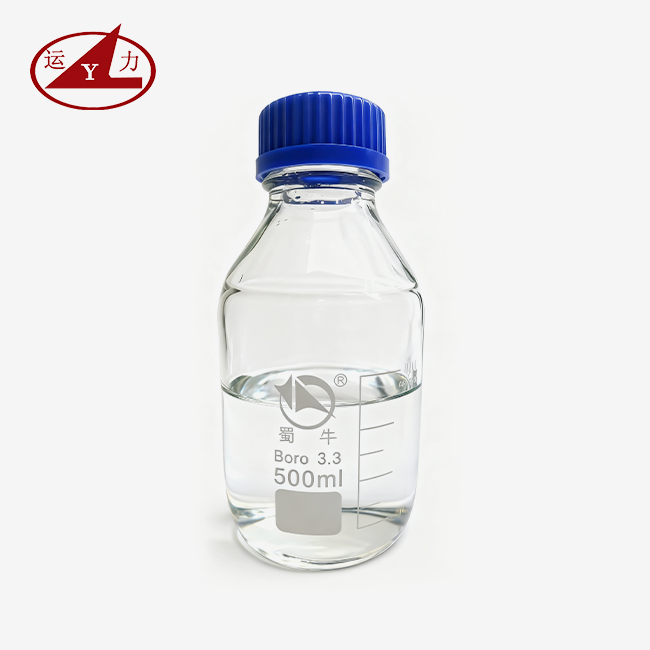
Product availability spans multiple forms including solid crystals, powder, and ready-to-use liquid solutions with pH control between 2.5–3.5. This flexibility accommodates diverse processing requirements while eliminating preliminary preparation steps that consume time and energy. Custom packaging options range from laboratory quantities to bulk industrial volumes, supporting operations from research and development through full-scale production.
Technical Support and Supply Chain Excellence
Beyond premium product supply, Yunli Chemical provides comprehensive technical consultation services that help customers optimize their processes and achieve superior results. Our technical team, rooted in coal-chemical engineering expertise, offers guidance on material selection, process integration, and quality optimization strategies tailored to specific applications.
Our supply chain capabilities include factory-direct distribution eliminating intermediary markups, while maintaining strategic inventory levels that ensure consistent availability. Free sample programs up to 500 grams enable thorough evaluation without financial commitment, while flexible minimum order quantities accommodate projects of any scale. This customer-centric approach builds lasting partnerships that support mutual growth and success.
Conclusion
Nickel nitrate stands as an indispensable component in advanced materials manufacturing, offering unique properties that enable superior performance across electroplating, catalyst production, and emerging battery technologies. Its exceptional solubility, controlled purity levels, and thermal characteristics provide significant advantages over alternative nickel compounds, justifying its premium positioning in industrial applications. Understanding proper procurement strategies, safety protocols, and supplier evaluation criteria ensures successful integration while maintaining regulatory compliance and operational excellence. As industries continue advancing toward more sophisticated materials requirements, nickel nitrate's role will expand, making strategic supplier partnerships increasingly valuable for maintaining competitive advantage and supply chain resilience.
FAQ
What safety protocols are essential when handling nickel nitrate in industrial settings?
Proper safety protocols include implementing engineering controls such as adequate ventilation systems, establishing administrative procedures for material handling and storage, and providing appropriate personal protective equipment including respirators and chemical-resistant gloves. Storage areas must maintain separation from organic materials due to oxidizing properties, while spill response procedures should include neutralization protocols for acidic aqueous solutions.
How do I choose between different nickel compounds for my specific application?
Selection criteria should prioritize application requirements over cost considerations. Nickel nitrate excels in applications requiring rapid dissolution, low impurity levels, and controlled thermal decomposition. Electroplating operations benefit from its superior solubility and low iron content, while catalyst manufacturing leverages its clean decomposition characteristics. Evaluate total cost including processing efficiency rather than focusing solely on material unit pricing.
What options exist for bulk purchasing with customized packaging requirements?
Leading suppliers offer flexible packaging solutions ranging from 25kg moisture-proof bags through 1MT pallets and bulk liquid IBC tanks. Custom packaging accommodates specific handling equipment and storage constraints while maintaining product integrity. Bulk purchasing typically includes price advantages, priority allocation during supply constraints, and enhanced technical support services that provide additional value beyond unit cost savings.
Partner with Yunli Chemical for Superior Nickel Nitrate Solutions
Yunli Chemical stands ready to support your advanced materials projects with premium-grade nickel nitrate hexahydrate engineered for exceptional performance and reliability. Our two decades of manufacturing excellence, combined with comprehensive technical support and flexible supply solutions, make us the ideal nickel nitrate supplier for demanding industrial applications. Whether you require small research quantities or large-scale production volumes, our commitment to quality consistency and customer satisfaction ensures project success. Contact us at wangjuan202301@outlook.com to discuss your specific requirements, request detailed product specifications, or arrange complimentary sample evaluation.
References
1. Anderson, M. et al. "Advanced Nickel Chemistry in Industrial Catalysis: Properties and Performance Optimization." Journal of Industrial Chemical Engineering, 2023, Vol. 45, pp. 123-145.
2. Chen, L. and Williams, R. "Electroplating Technology with High-Purity Nickel Compounds: Process Efficiency and Quality Control." Surface Treatment International, 2023, Vol. 28, pp. 67-89.
3. Johnson, K. et al. "Nickel-Based Materials in Next-Generation Battery Technologies: Chemical Requirements and Performance Standards." Energy Materials Research, 2024, Vol. 12, pp. 234-256.
4. Martinez, S. and Thompson, D. "Safety and Environmental Management of Nickel Compounds in Industrial Applications." Chemical Safety and Environmental Protection, 2023, Vol. 31, pp. 445-467.
5. Roberts, P. et al. "Comparative Analysis of Nickel Salts in Advanced Materials Manufacturing: Cost, Performance, and Sustainability Considerations." Industrial Chemistry Review, 2024, Vol. 19, pp. 78-102.
6. Zhang, W. and Kumar, A. "Supply Chain Optimization for Specialty Chemical Procurement: Strategies for Quality Assurance and Cost Management." B2B Chemical Procurement Quarterly, 2023, Vol. 15, pp. 156-178.