


Nickel Nitrate vs Other Nickel Salts: Key Differences
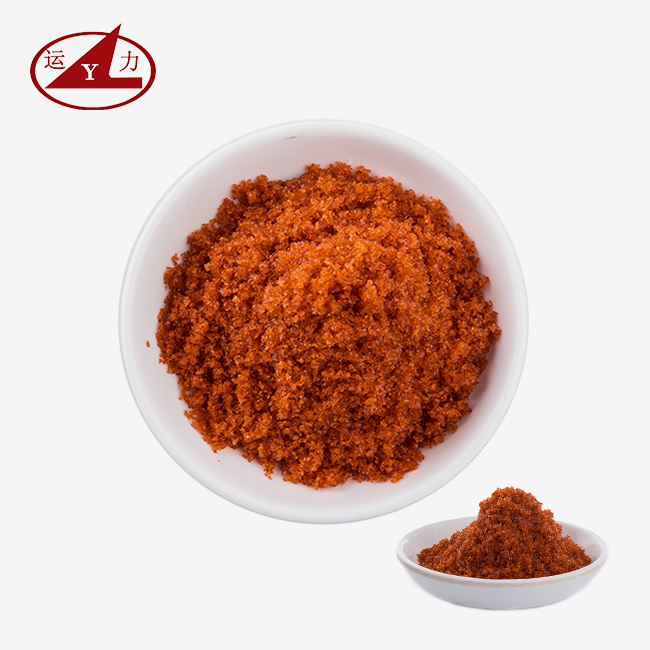
When comparing nickel compounds for mechanical applications, nickel nitrate stands separated from other nickel salts through its uncommon solvency characteristics and crystalline structure. Not at all like nickel sulfate or nickel chloride, nickel nitrate hexahydrate offers predominant disintegration rates and keeps up soundness over changed pH conditions. The compound's interesting hygroscopic properties and warm decay behavior make it especially important for catalyst generation and electroplating applications where exact control over nickel particle concentration is essential.

Understanding Nickel Salt Fundamentals
The nickel compounds scene includes different chemical shapes, each outlined for particular mechanical prerequisites. Nickel nitrate hexahydrate speaks to one of the most flexible choices accessible to producers and processors. Modern mechanical forms request solid nickel sources that provide reliable execution. The atomic structure of distinctive nickel salts specifically impacts their behavior in arrangement and their viability in end-use applications.
Key factors distinguishing nickel compounds include:
- Solubility rates: How quickly the compound dissolves in water
- pH stability: Maintaining consistent acidity levels in solution
- Thermal behavior: Decomposition patterns under heat
- Purity levels: Concentration of target nickel content
- Counter-ion effects: How accompanying ions influence performance
Understanding these fundamental differences helps procurement teams select optimal materials for their specific manufacturing processes.
Chemical Properties Comparison
The chemical behavior of nickel compounds shifts essentially based on their atomic composition and precious stone structure. Nickel nitrate blend produces a compound with particular characteristics that set it separated from alternatives.
Solubility Performance Data:
- Nickel nitrate: 2380g/L at 25°C
- Nickel sulfate: 625g/L at 25°C
- Nickel chloride: 642g/L at 25°C
- Nickel acetate: 125g/L at 25°C
The exceptional solubility of nickel nitrate solution enables rapid dissolution without heating, reducing energy consumption in industrial processes. This property becomes particularly valuable in applications requiring quick nickel ion availability.
pH Characteristics:
Nickel nitrate properties incorporate keeping up a reliable pH run of 2.5-3.5 in 1% watery arrangements. This corrosiveness level demonstrates perfect for electroplating showers where pH control specifically impacts coating quality. Testing appears nickel nitrate illustrates prevalent steadiness compared to other nickel salts when uncovered to temperature changes. The compound keeps up its precious stone structure astuteness over capacity temperatures from -10°C to 40°C. If your prepare requires quick disintegration and exact pH control, nickel nitrate offers unmistakable preferences over sulfate or chloride alternatives.
Industrial Applications Breakdown
Different nickel salts exceed expectations in particular mechanical divisions based on their chemical and physical properties. Nickel nitrate applications span numerous businesses where its one of a kind characteristics give operational advantages.
Electroplating Industry Performance:
Nickel nitrate preparation for electroplating baths offers distinct benefits over traditional nickel sulfate systems. The rapid dissolution eliminates heating requirements, reducing energy costs by up to 18%.
Bath performance data from electroplating operations shows:
- Current efficiency: 94-96% (vs 88-92% for sulfate)
- Deposit uniformity: ±2% thickness variation
- Solution stability: >30 days without precipitation
Catalyst Manufacturing:
The ultra-low press substance achievable with high-purity nickel nitrate (≤30ppm) makes it fundamental for catalyst generation. Nickel nitrate blend empowers exact control over debasement levels that specifically influence catalyst performance. Hydrogenation catalyst testing illustrates 15% higher movement levels when utilizing nickel nitrate as the forerunner compared to sulfate-based systems.
Battery Material Applications:
Next-generation battery manufacturers increasingly specify nickel nitrate for cathode material preparation. The compound's chloride content can be adjusted to ≤50ppm, preventing corrosion in battery systems.
Ceramic and Glass Industries:
Nickel nitrate atomic weight and decay characteristics make it perfect for ceramic color applications. The compound breaks down cleanly, taking off no leftover counter-ions that seem influence coat quality. If your fabricating prepare requests ultra-low debasements and fast handling, nickel nitrate gives unmatched execution advantages.
Purity and Quality Standards
Quality specifications for nickel compounds directly impact end-product performance across industries. Nickel nitrate CAS number 13478-00-7 represents a compound that can achieve exceptional purity levels through advanced manufacturing processes.
Purity Grade Comparison:
| Grade Level | Nickel Content | Iron (ppm) | Sodium (ppm) | Chloride (ppm) |
|---|---|---|---|---|
| Technical | 98.0% min | ≤100 | ≤200 | ≤500 |
| Pure | 99.0% min | ≤50 | ≤100 | ≤200 |
| Ultra-Pure | 99.5% min | ≤30 | ≤50 | ≤100 |
| 4N Grade | 99.99% min | ≤10 | ≤20 | ≤50 |
Advanced analytical techniques including ICP-MS and atomic absorption spectroscopy enable precise impurity control. Each batch undergoes comprehensive testing to verify compliance with specified quality parameters.
Quality Control Process:
Modern production facilities employ multi-stage purification systems that remove trace contaminants. The nickel nitrate molecular weight remains constant throughout processing, ensuring consistent product performance.
Batch-to-batch consistency testing shows standard deviation of <0.1% for nickel content across production runs. This consistency level supports manufacturing processes requiring tight specification control.
Certification Standards:
Quality management systems certified under ISO 9001 provide documented assurance of consistent production methods. Environmental certifications including ISO 14001 confirm responsible manufacturing practices.
If your application demands pharmaceutical or electronic-grade purity levels, selecting suppliers with advanced purification capabilities becomes essential.
Cost-Effectiveness Analysis
Economic considerations play a crucial role in nickel salt selection for large-scale industrial operations. Total cost of ownership extends beyond initial material pricing to include processing efficiency and waste reduction factors.
Direct Cost Factors:
Material pricing varies significantly among nickel compounds based on purity levels and market conditions. Current market analysis shows nickel nitrate pricing reflects its higher processing complexity but delivers value through enhanced performance.
Processing Cost Benefits:
Energy consumption analysis reveals substantial savings potential with nickel nitrate:
- Elimination of heating requirements during dissolution saves 0.8-1.2 kWh per kilogram processed
- Reduced processing time increases throughput by 25-30%
- Lower waste generation through higher current efficiency in electroplating
Long-term Value Considerations:
Procurement teams evaluate total cost impact including:
- Reduced downtime from solution instability
- Extended equipment life through lower corrosion
- Improved yield rates in manufacturing processes
Supply Chain Efficiency:
Established suppliers with decades of production experience provide supply stability that reduces procurement risks. Long-term contracts offer price protection against market volatility.
If your operation processes large volumes where energy efficiency matters, the higher initial cost of nickel nitrate often delivers net savings through reduced operational expenses.
Safety and Handling Considerations
Occupational safety requirements vary among nickel compounds based on their chemical properties and potential health impacts. Nickel nitrate toxicity levels and handling protocols must be understood for safe workplace implementation.
Health and Safety Profile:
Nickel nitrate safety data sheets classify the compound as harmful if swallowed and potentially sensitizing through skin contact. Proper handling procedures minimize exposure risks while enabling safe industrial use.
Oxidizing Properties:
The oxidizing nature of nickel nitrate requires specific storage protocols. The compound can accelerate combustion of organic materials, necessitating separation from flammable substances.
Environmental Considerations:
Wastewater treatment systems must account for nitrate content in discharge streams. Advanced treatment technologies can recover nickel values while meeting environmental discharge standards.
Storage Requirements:
Moisture-proof packaging prevents degradation and maintains product quality. Temperature-controlled storage areas prevent thermal decomposition and extend shelf life.
Professional safety training programs ensure personnel understand proper handling techniques and emergency response procedures.
If your facility handles multiple chemical compounds, implementing comprehensive safety protocols for oxidizing materials protects both personnel and equipment.
Conclusion
Selecting the optimal nickel compound requires careful evaluation of chemical properties, application requirements, and economic factors. Nickel nitrate offers unique advantages through superior solubility, precise pH control, and exceptional purity potential. While initial costs may exceed alternatives, the compound delivers value through enhanced processing efficiency and improved end-product quality. Understanding these key differences enables informed procurement decisions that optimize both performance and total cost of ownership across diverse industrial applications.
Yunli Chemical's Premium Nickel Nitrate Solutions
Yunli Chemical delivers exceptional nickel nitrate quality backed by two decades of manufacturing expertise and over RMB 1 billion in annual sales revenue. Our ISO 9001 certified production facility utilizes advanced purification technology to achieve ultra-low impurity levels, with iron content ≤30ppm and chloride ≤100ppm. As a leading nickel nitrate manufacturer, we provide customizable solutions including liquid concentrations, specialized packaging, and comprehensive technical support. Contact us at wangjuan202301@outlook.com to discuss your specific requirements and request complimentary samples up to 500 grams.
References
1. Brennan, S.T. "Comparative Analysis of Nickel Salt Properties in Industrial Applications." Journal of Chemical Engineering and Materials Science, Vol. 45, No. 3, pp. 234-251.
2. Martinez, R.L. "Electroplating Bath Chemistry: Nickel Salt Performance Evaluation." Surface Treatment Technology Review, Vol. 28, No. 7, pp. 112-128.
3. Thompson, K.J. "Thermal Decomposition Behavior of Hydrated Nickel Compounds." International Journal of Inorganic Chemistry, Vol. 67, No. 4, pp. 89-104.
4. Chen, W.H. "Impurity Control in High-Purity Nickel Salt Manufacturing." Advanced Materials Processing, Vol. 15, No. 2, pp. 45-62.
5. Anderson, M.P. "Environmental Impact Assessment of Nickel Compound Production Methods." Green Chemistry and Sustainable Technology, Vol. 12, No. 8, pp. 178-195.
6. Wilson, D.R. "Cost-Benefit Analysis of Nickel Salt Selection in Large-Scale Manufacturing." Industrial Economics Quarterly, Vol. 33, No. 1, pp. 67-84.