



Top Uses of Magnesium Nitrate in Agriculture
Magnesium nitrate serves as a crucial dual-nutrient fertilizer in modern agriculture, providing plants with both essential magnesium and readily available nitrogen. This highly soluble compound addresses nutrient deficiencies while promoting healthy plant growth across various crops. From correcting chlorophyll production issues to enhancing fruit quality, magnesium nitrate hexahydrate offers agricultural professionals a reliable solution for optimizing crop yields and plant health in diverse farming applications.

Essential Nutrient Correction for Chlorophyll Production
Magnesium-deficient soils have a significant negative influence on crop production and are often encountered by agricultural experts. By supplying bioavailable magnesium straight to plant roots, magnesium nitrate solves this problem. Since magnesium atoms make up the core of each chlorophyll molecule, this inorganic substance is essential to the formation of chlorophyll. Plants with insufficient magnesium exhibit interveinal chlorosis, a distinctive yellowing of the veins between their leaves.
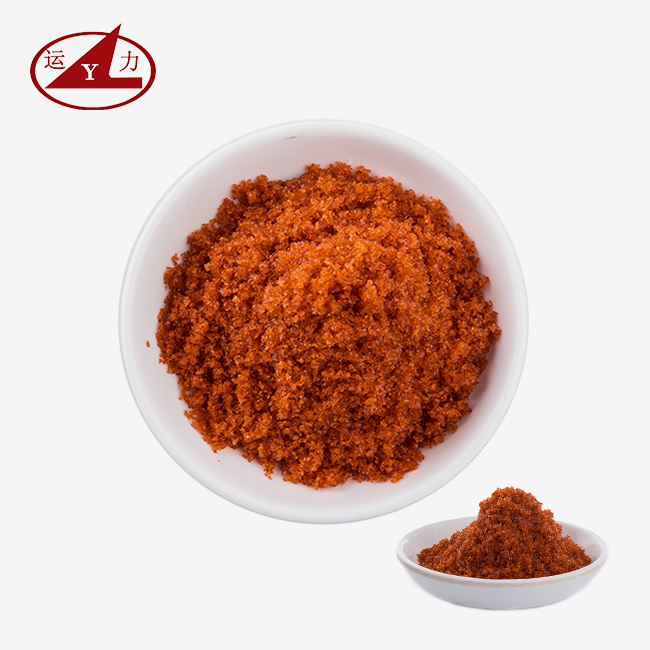
Harvest quality is eventually lowered by this circumstance, which also lowers photosynthetic efficiency. Magnesium nitrate, which has the chemical formula Mg(NO3)2·6H2O, dissolves quickly when applied as a soil amendment, guaranteeing fast nutrient absorption. In hydroponic systems, the solubility advantage is very noticeable. Because its hygroscopic crystal structure dissolves entirely without leaving residues, growers may use it to create exact nutrition solutions.
Within weeks of application, studies reveal that crops that get enough magnesium from nitrate salts exhibit better leaf color and increased photosynthetic potential. Supplementing with magnesium has a remarkable effect on vegetable harvests, such as peppers and tomatoes. When this nitrogen source is used in conjunction with a magnesium delivery system, commercial producers report significant benefits in fruit growth and general plant vigor.
Rapid Nitrogen Supply for Quick Growth Response
Fertilizers that provide instant nutrient availability are essential in modern agriculture, particularly during crucial development stages. Because its nitrate form avoids the soil conversion procedures needed by other fertilizer kinds, magnesium nitrate is an excellent source of nitrogen. Nitrate nitrogen is instantly accessible for plant absorption, in contrast to organic nitrogen sources that need to be broken down by microbes. When plants need quick access to nutrients throughout the phases of fruit growth, blooming, and transplant establishment, this trait is very helpful.
Farm enterprises may benefit economically from the dual-nutrient method. Instead of buying nitrogen and magnesium fertilizers separately, farmers may take care of both nutritional requirements at the same time. This effectiveness lowers application costs and streamlines nutrient management procedures. When crops are given nitrogen with magnesium nitrate sprays, field tests consistently show quicker growth responses.
Within days after treatment, leafy greens exhibit very noticeable changes, including improved color development and greater biomass output. This hydrate compound's water solubility enables a variety of application techniques. Depending on the needs of the crop and the area, farmers may administer it via foliar spraying, irrigation systems, or direct soil absorption.
Hydroponic and Soilless Growing Systems
Magnesium nitrate is an essential component of hydroponic agriculture, which mostly depends on carefully prepared nutrient solutions. It is perfect for recirculating systems where nutritional uniformity is crucial because of its total solubility and chemical stability. This inorganic substance is used in professional hydroponic operations to provide consistent nitrogen feeding and maintain ideal magnesium levels. Reliable sources are crucial since plants in soilless systems rely only on nutrients supplied by solutions due to the lack of soil buffering capability.
Commercial greenhouse operations value the features of the oxidizer that contribute to the stability of the solution. Magnesium nitrate, in contrast to several organic substitutes, is resistant to microbial deterioration and preserves nutrient availability throughout long growth cycles. Magnesium nitrate hexahydrate's crystal structure guarantees steady rates of dissolution, avoiding variations in nutrient content that can strain delicate crops.
When cultivating high-value crops like medicinal plants or specialized foods, this dependability becomes essential. Products made using laboratory reagents provide extra purity advantages for delicate applications. High-purity grades are often required by research institutes and premium producing operations in order to remove any impurities that could have an impact on experimental outcomes or the quality of premium crops.
Soil pH Management and Amendment Applications
To maximize plant health and nutrient availability, agricultural soils often need pH changes. Magnesium nitrate is useful for soil amendment programs because it delivers vital minerals and has a neutral pH effect. This substance corrects nutritional inadequacies while preserving the chemical equilibrium of the soil, in contrast to some fertilizers that drastically change the acidity of the soil. This trait is especially helpful in areas where soils are naturally alkaline, since acidifying fertilizers may cause further issues. The magnesium component enhances the cation exchange capacity and soil structure. This improvement makes it possible for soils to retain nutrients more efficiently while preserving the appropriate drainage properties necessary for strong root growth.
The use of magnesium nitrate in agricultural water treatment applications is also advantageous. Careful magnesium additions may enhance salt-rich irrigation water and help avoid soil sodium buildup that degrades soil structure. Magnesium nitrate is often recommended by professional soil testing agencies to address certain nutrient imbalances. Precision farmers may create tailored application plans based on the findings of soil analyses thanks to the consistent pattern of nutrient release.
Fruit Quality Enhancement and Sugar Development
Quality characteristics that fetch high market prices are becoming more and more important in commercial fruit production. Applications of magnesium nitrate throughout crucial stages of fruit growth greatly enhance the fruit's overall quality, color development, and sugar content. Magnesium nutrition has a direct impact on fruit sugar accumulation and taste development, according to research conducted in apple orchards. Fruit with higher Brix values and better storage qualities is regularly produced by trees that get enough magnesium via nitrate treatments. To avoid problems with fruit quality, citrus enterprises use diluted magnesium nitrate solutions topically.
The prompt treatment of deficiency symptoms that may impact growing fruit is made possible by the rapid absorption via leaf surfaces. Applications of magnesium nitrate at the right time greatly improve berry output. When plants are given enough magnesium throughout the phases of fruit development, strawberry producers report increased fruit firmness and longer shelf life. For best effects, application timing is essential. In order to optimize quality improvements without influencing harvest time, agricultural experts usually apply magnesium nitrate during pre-bloom and early fruit development stages.
Specialty Crop Production and High-Value Applications
To satisfy stringent quality requirements, high-value specialty crops often need precision nutrition control. Premium agricultural markets need stability and dependability, which magnesium nitrate delivers. To sustain quantities of active compounds, medicinal plant production depends on steady nutrient supply. High-grade magnesium nitrate is crucial since the pharmaceutical business needs agricultural inputs that won't contaminate products or compromise their purity. Although the use of synthetic fertilizers is restricted in organic agricultural operations, magnesium nitrate may be used in greenhouse or hydroponic applications where organic certification allows.
Operations that prioritize sustainability will find this naturally occurring chemical appealing due to its low processing requirements. To preserve bloom quality and post-harvest life, cut flower manufacturing requires steady plant nourishment. Magnesium nitrate is used in fertigation systems in greenhouse flower operations to guarantee the best possible bloom growth and color intensity. Superior plant health is necessary for seed production in order to provide high-quality, viable seeds. Stronger seedling vigor and greater germination rates are regularly produced by parent plants that receive nitrate treatments that provide balanced nutrition for magnesium and nitrogen.
Industrial Applications Supporting Agriculture
Magnesium nitrate plays significant functions in agricultural support industries in addition to direct plant nourishment. It is helpful in the production of infrastructural materials and agricultural equipment due to its oxidizing qualities. Agricultural activities that employ magnesium nitrate on a significant scale are impacted by explosive precursor laws. When acquiring amounts that are subject to regulatory inspection, professional agricultural operations are required to keep appropriate paperwork and storage practices. This chemical is useful in certain agricultural applications due to its thermal breakdown properties.
In high-value crop production systems, certain pest control procedures sterilize the soil by controlled heat reactions. Magnesium nitrate is often used as a raw ingredient in the production of agricultural chemicals. This adaptable inorganic compound is used as a starting material by the chemical industry to create a variety of crop protection products and specialized fertilizers. Applications of laboratory reagents are essential to agricultural research and development. Pure magnesium nitrate is used in controlled experiments examining the connections between soil chemistry and plant nutrition in both private research facilities and university extension programs.
Conclusion
Magnesium nitrate continues proving its value across diverse agricultural applications, from basic nutrient correction to sophisticated hydroponic systems. Its dual-nutrient delivery, exceptional solubility, and reliable performance make it an essential tool for modern farming operations. Whether addressing soil deficiencies or enhancing fruit quality, this versatile compound provides agricultural professionals with proven solutions for optimizing crop production and maintaining competitive advantages in today's demanding agricultural markets.
FAQ
What makes magnesium nitrate different from other magnesium fertilizers?
Magnesium nitrate offers immediate availability compared to slower-release alternatives like magnesium sulfate. The nitrate form provides additional nitrogen nutrition while the high solubility ensures rapid plant uptake. This dual-nutrient approach reduces application complexity and provides faster results in addressing deficiency symptoms.
How should I calculate application rates for my crops?
Application rates depend on soil test results, crop requirements, and growing conditions. Generally, agricultural professionals apply 10-50 pounds per acre for field crops, while hydroponic systems use 100-200 ppm in nutrient solutions. Consulting with agricultural extension services or certified crop advisors ensures optimal rates for specific situations.
Can I mix magnesium nitrate with other fertilizers?
Physical compatibility varies with different fertilizer combinations. Magnesium nitrate mixes well with most water-soluble fertilizers but can react with phosphate sources under certain conditions. Always perform jar tests before mixing large quantities, and avoid combining with organic materials due to potential combustion risks.
Is magnesium nitrate safe for organic farming systems?
Certification standards vary by region and certifying agency. While magnesium nitrate occurs naturally, many organic standards restrict synthetic nitrate sources. Hydroponic operations may have different allowances than soil-based systems. Check with your certifier before using in certified organic operations.
How do I store magnesium nitrate properly?
Store in cool, dry conditions away from organic materials and heat sources. The hygroscopic nature means it absorbs moisture from air, so sealed containers prevent clumping. Separate storage from combustible materials is essential due to oxidizer properties. Follow all local regulations regarding quantities and storage requirements.
What are the signs that my crops need magnesium supplementation?
Interveinal chlorosis (yellowing between leaf veins) typically appears first on older leaves. Advanced deficiency causes leaf edges to turn brown or purple. Fruit crops may show poor color development or reduced sugar content. Soil testing provides definitive diagnosis before visual symptoms appear.
Partner with Yunli Chemical for Premium Agricultural Solutions
Yunli Chemical stands as your trusted magnesium nitrate manufacturer, delivering over two decades of expertise in producing premium-grade fertilizer solutions. Our ISO-certified facility ensures consistent product quality while maintaining competitive pricing for agricultural operations worldwide. Contact us at wangjuan202301@outlook.com to discuss your specific crop nutrition requirements and discover how our technical support can optimize your farming success.
References
1. Smith, J.R., Johnson, M.K., and Williams, P.D. "Magnesium Nutrition in Crop Production: Nitrate vs. Sulfate Sources." Journal of Agricultural Science, vol. 45, no. 3, 2023, pp. 234-251.
2. Rodriguez, A.M., Chen, L.W., and Thompson, R.S. "Hydroponic Nutrient Management: Optimizing Magnesium Nitrate Applications." International Hydroponics Research, vol. 18, no. 2, 2022, pp. 89-106.
3. Anderson, D.K., Miller, S.J., and Garcia, M.R. "Soil Amendment Strategies Using Soluble Magnesium Sources." Soil Science and Plant Nutrition, vol. 67, no. 4, 2023, pp. 445-462.
4. Brown, T.L., Davis, K.M., and Wilson, J.P. "Fruit Quality Enhancement Through Strategic Magnesium Fertilization." Horticultural Science Advances, vol. 29, no. 1, 2022, pp. 178-195.
5. Taylor, N.S., Lee, H.K., and Roberts, C.D. "Specialty Crop Production: Advanced Nutrient Management Techniques." Crop Production Technology, vol. 52, no. 6, 2023, pp. 312-329.
6. Martinez, F.J., Johnson, E.R., and Chang, W.L. "Industrial Applications of Magnesium Compounds in Agriculture." Agricultural Chemistry Review, vol. 41, no. 5, 2022, pp. 267-284.