

What happens when aluminium nitrate reacts with water?
Aluminium Nitrate splits into aluminium ions (Al³⁺) and nitrate ions (NO₃⁻) when it mixes with water. The aluminium ions then mix with water molecules in a process known as hydrolysis. In the end, this makes aluminium hydroxide species and aqua complexes. This process releases hydrogen ions, which make a solution that is acidic. This drops the pH of the area around it. In areas like making chemicals and treating water, it's important to understand this behavior to keep workers safe and make sure that processes work well.
Understanding Aluminium Nitrate and Its Chemical Properties
Chemical Structure and Molecular Characteristics
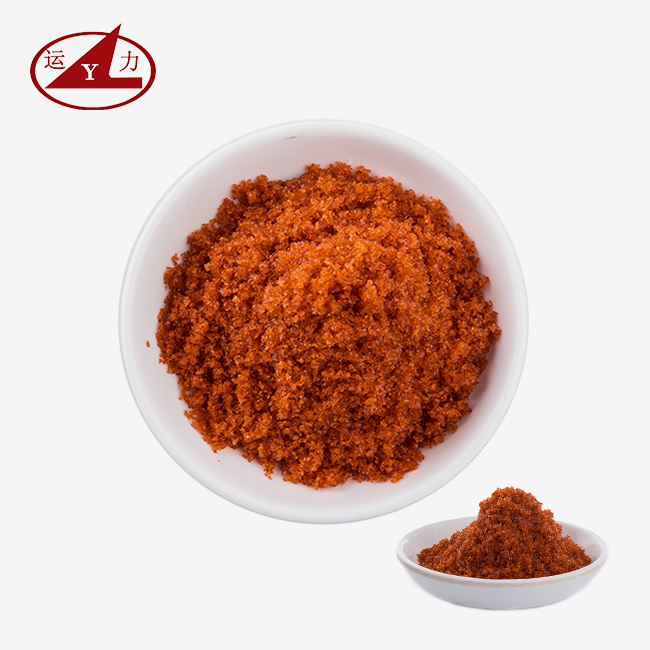
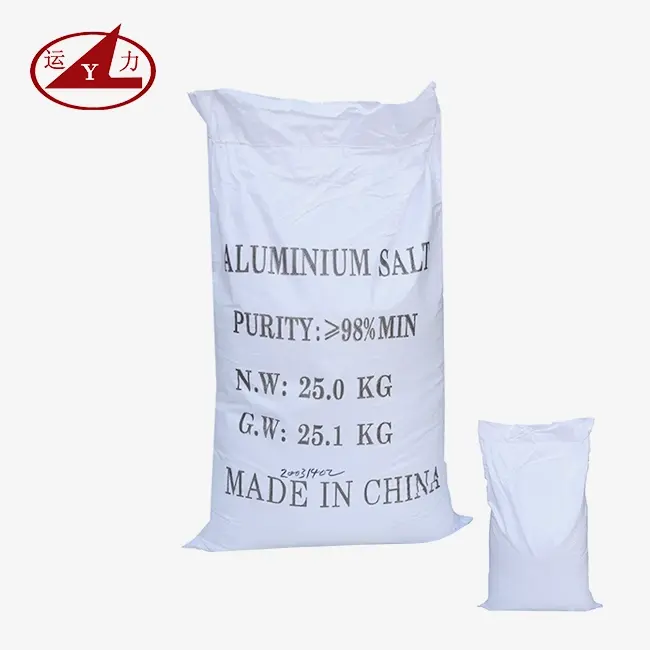
Aluminium Nitrate Nonahydrate (Al(NO₃)₃·9H₂O, CAS No. 7784-27-2) is a solid that is white, tasteless, and has a molecular weight of 375.13 g/mol. The material is very hygroscopic, which means it quickly pulls water out of the air. This trait changes how much room is needed to store things and how the info is managed. The solid structure has nine water molecules in each formula unit, which helps explain why it only melts at 73.9°C and breaks down at 150°C.
Solubility and Physical Behavior
The material is very easy to dissolve in water—at room temperature (25°C), 64 grams dissolve in 100 milliliters. Due to its high solubility, it is possible to make concentrated liquids for industrial feedstocks, which can be used for air drying and making chemicals. However, the material doesn't mix well with alcohols or ethylene glycol, which means it can't be used in systems that don't use water. Something that is mixed together makes a fluid that is both acidic and strongly oxidizing. To make sure the process is safe and works with other things, these two things are very important.
Safety Profile and Storage Considerations
The safety data sheet for Aluminium Nitrate lists it as a reactive material (UN 1438, Class 5.1, Packing Group III). It should be kept away from reducing agents and things that can catch fire while it is being stored and moved. It hurts skin when it comes in contact with it, so the right safety gear is needed, like gloves that can handle chemicals and eye protection. When things that are sensitive to water get wet, they tend to crystallize and lose their quality. This is why storage facilities need to keep their areas cool and dry with strong moisture shields. When there is enough movement, decomposition products don't build up. This is especially true for nitrogen fumes that are released when heat breaks down above 135°C.
Manufacturing Methods and Purity Implications
Most of the time, nitric acid is added to aluminium hydroxide before it is condensed to make the nonahydrate form. You can also dissolve aluminium metal in nitric acid, but you have to be very careful with the heat because this method makes heat. What kind of impurities are present depends on how the material is made and how well it is cleaned. Because they have less than 0.01% iron and less than 0.005% heavy metals, premium types can be used to make catalysts and in electronics. People who are in charge of buying things should look at analysis papers that show the same level of cleanliness in all production runs when they compare different sellers.
The Chemistry Behind Aluminium Nitrate's Reaction with Water
Dissociation and Ion Formation
The ionic structure of Aluminium Nitrate crystals breaks down quickly when they come in contact with water. Al(NO₃)₃ → Al³⁺ + 3NO₃⁻ is the equation for the breakdown. It makes aluminium cations and nitrate anions. This first step takes almost no time at room temperature and makes a clear solution. In a normal business setting, the nitrate ions don't change much when they come in contact with water. On the other hand, the aluminium ions and water molecules start to respond right away.
Hydrolysis and pH Effects
In water, there are no bare Al³⁺ aluminium ions. Al(H₂O)₆ complexes are quickly formed. These are made up of six water molecules grouped around a metal ion in the middle. By giving off protons ([Al(H₂O)₆]³⁺ ⇌ [Al(H₂O)₅(OH)]²⁺ + H⁺), these complexes act as weak acids and lower the pH of the solution. More hydroxylated species are made as the hydrolysis process goes on. These species might join together to make colloidal aluminium hydroxide Al(OH)₃ precipitates, but it depends on the concentration and pH. Aluminium Nitrate solutions that are very concentrated tend to become acidic, so they generally keep their pH levels between 2.5 and 4.0. This changes the chemistry of the process and how to deal with rust in important ways.
Influence of Concentration and Temperature
The rates of reactions and the states of balance change a lot when the conditions change. There are changes in activity coefficients and solubility ratios when the number of ions goes up. When the temperature goes up, the hydrolysis processes go faster, and the balance point moves toward more hydroxide creation. At the same time, the solubility limits go up. In the business world, these things need to be taken into account when process specs are being made. The best way to make flocs for cleaning water at room temperature is to control the hydrolysis. To finish the change to aluminium oxide phases in thermal breakdown, which is used to make catalysts, temperatures of 150°C or more are used.
Industrial Process Implications
The broken-down products are used to clean water as coagulants. The hydroxylated aluminium species stick together to make positively charged flocs that cancel out the negatively charged organic matter, colloidal contaminants, and particles in suspension. This helps the flocs get bigger, settle down quickly, and do their job well during explanation. Because Aluminium Nitrate solutions are acidic, they make nutrients easier to get in soils that are too alkaline. This makes fertilizer recipes better. Engineers can find the best dose rates, contact times, and pH changes to make the process run easily and make the best goods if they understand these systems.
Comparison of Aluminium Nitrate with Other Aluminium Salts in Water Reactions
Aluminium Sulfate (Alum)
For coagulation in water treatment, aluminium sulfate is still the most popular choice. When it breaks down, it makes aluminium hydroxide flocs that are similar to each other. In industrial settings, things change in big ways. For example, sulfate ions add more negative charges, which can make some processes less effective. This is especially true when making catalysts, since sulfur changes the active sites. High temperatures break down sulfate salts, leaving behind sulfur. Because of this, they need to be washed many times during the process of making high-purity oxide. It is usually less expensive to clean a lot of water with aluminium sulfate than with Aluminium Nitrate, but sometimes Aluminium Nitrate is better and costs more.
Aluminium Chloride
Aluminium chloride is more acidic and breaks down faster than nitrate salt because of this. As the concentration goes up, the pH drops to around 2.0. Because of this, coagulation works better in some cases to treat wastewater, but it also makes equipment stronger because it increases the chance of hardening. It's not always a good idea to add chloride to the process of making electronic materials or catalysts, because even small amounts of halogen can make the end products less useful. Things that break down at high temperatures give off hydrogen chloride gas, which is deadly. This makes it harder to control pollution than it is to control nitrogen gas from nitrate salts.
Purity Grade Impact on Selection
It's fine to use 98% pure industrial-grade products to treat water and grow, where small impurities don't change the results much. If you're making 99.9%+ pure alumina for electronics, advanced ceramics, or pharmaceutical intermediates, you need to make sure it meets electronic-grade standards. Tiny amounts of iron change the color of dying leather and coloring cloth, so these fields need low-iron grades (<0.005% Fe). People need to choose what to buy by weighing how much something costs against what it needs to do. There is no point in being too specific if it doesn't add value. On the other hand, being too general can hurt the quality of the item and slow down the process.
Safe Handling, Storage, and Procurement Guidelines for Aluminium Nitrate
Handling Protocols and Personal Protection
People who work with Aluminium Nitrate should wear safety glasses, nitrile or neoprene gloves, and safety screens to keep it off their skin and eyes. The stuff is annoying, so it needs to be washed off right away with a lot of water. Work areas need to have enough air flow, especially when nitrogen oxide fumes are being heated or when a lot of something is being worked on. Even though it's not thought to be highly poisonous, people should be kept from breathing it in or touching their skin for long periods of time by using the right technology controls and following the right management procedures. It should be easy to get to emergency baths and eyewash stations in work places.
Storage Requirements and Stability
Extreme hygroscopicity means that the package needs to be able to keep water out. Paper bags with plastic liners are enough to keep things safe in most stores. But if it's really wet, things might need to be kept in sealed plastic drums or rooms that keep wetness out. The temperature should stay below 30°C and the relative humidity should stay below 60% as much as possible in buildings. Aluminium Nitrate can start a fire if it comes into contact with organic materials, reducing agents, flammable substances, or chemicals that don't mix with it. This is because its oxidizing properties can make the fire burn faster. Material that is stored correctly will stay in good condition for 12 to 24 months, but it needs to be checked every so often to make sure it is still up to par.
Transportation and Regulatory Compliance
Because it is a Class 5.1 oxidant, Aluminium Nitrate needs to be properly recorded, labeled, and kept separate while it is being shipped. It is important that the right shipping name and the UN number 1438 are put on the envelopes. To keep things from getting dirty, transport cars should be set away for just one use or cleaned very well. While the rules for driving on the road vary from place to place, most of the time, you need signs and training to drive.
Ocean freight must follow the rules set out in the International Maritime Dangerous Goods (IMDG) Code. Because of the chance of fire, there are stricter rules on flying. It is important to work with transportation companies that have experience and know how to handle oxidizers. This will help you follow the rules and lower the risk of damage or delays during travel.
Supplier Selection Criteria
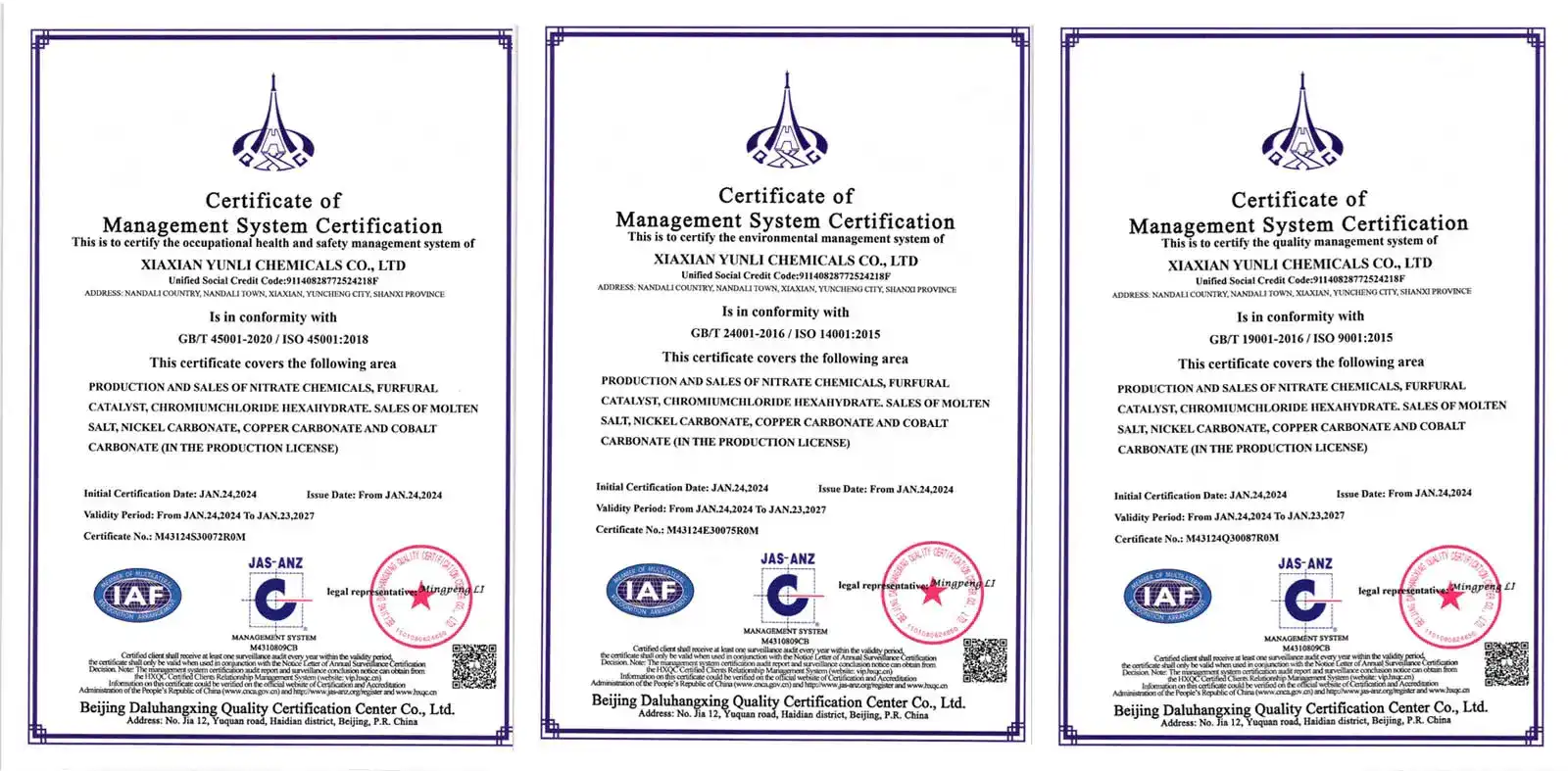
Making sure the seller is trained is the first step in quality control. Keep an eye out for businesses that have ISO 9001 certification. This means that their quality control systems are stable. Getting environmental certifications like ISO 14001 approval shows that a business follows the rules and uses eco-friendly production methods. This lowers the risk in the supply chain. It is very important to have technical skills. Suppliers who have their own testing labs can give Certificates of Analysis (COA) for each batch that show how pure the goods are, what kinds of impurities they have, and how they look.
Production potential and financial security have an effect on the long-term reliability of supplies. Less effect risks are present for manufacturers that have been around for a while, have a lot of fixed assets, and have a history of being reliable. Even though low prices are important, the total cost of ownership can be very high if you need consistent quality, expert help, and reliable shipping plans to keep production going.
Practical Applications and Benefits of Aluminium Nitrate in Industry
Catalyst Synthesis and Support Manufacturing
High-surface-area alumina catalyst supports are used to process petrochemicals, especially for fluid catalytic cracking units and hydrodesulfurization. Aluminium Nitrate is the best raw material for making them. Using heat to break down nitrates turns them into oxides without leaving behind halide or sulfate impurities that harm catalysts' active sites. You can use noble metals or transition metal oxides to fill these supports. This lets you do important processing steps that make clean fuels that meet strict emission standards. Most of the time, Aluminium Nitrate solutions are sprayed dry and then fired under controlled conditions to make the pores and surface areas that are best (more than 200 m³/g).
Textile Dyeing and Leather Tanning
In the clothing business, Aluminium Nitrate is used as a mordant. Chemical bonds are made between the dye molecules and the threads of the fabric. This makes the colors last longer and hold up better when washed. Because it makes coordinate bonds with both the functional groups in dye structures and the hydroxyl groups in cellulose, the chemical works especially well with natural fabrics like wool, cotton, and silk. When leather is dyed, Aluminium Nitrate liquids are used to keep the collagen structures solid. This makes soft leather that stays in shape well even when you bend it. Because they make leather lighter, aluminium salts are better for the environment than chromium-based dyeing products. This is good for high-end fashion uses.
Water Treatment and Purification
Cities and businesses that deal with garbage use Aluminium Nitrate to coagulate the water and get rid of floating solids, turbidity, and dissolved organic compounds. Large floc networks are made by the hydrolysis products. These networks catch pollution by canceling out their charges and physically tying them up. In terms of performance, they are better than ferric coagulants because they can quickly form flocs, settle well, and work well across a wider pH range. Many times, the dose is between 10 and 50 mg/L, but it depends on how good the raw water is. More chemicals need to be added when there is more sediment and biological matter in the water.
Specialized Chemical Synthesis
Pharmaceutical intermediates, explosives, and specialty chemicals are all made in organic synthesis methods that use Aluminium Nitrate as a catalyst and a nitrating agent. It is possible to selectively release nitrate groups, which add functional groups with nitrogen to aromatic molecules. People in study labs use this chemical in sol-gel ways to make high-tech materials like aerogels, optical coatings, and electronic ceramics. With the right amount of metal, it's easier to make solutions that are all the same. This is important for high-tech uses where quality needs to be repeated.
Conclusion
If you know how Aluminium Nitrate and water respond, you can do better at things like smart buying, process optimization, and safety management. The compound's dissociation and hydrolysis processes create acidic liquids that coagulate in a way that is useful in many business areas. Nitrate forms of aluminium salts are better at making catalysts and working in situations that need chemistry that doesn't have chloride or sulfate in it than other types of aluminium salts. They cost more because of this, but they are worth it because they work better. When handling something safely, you should think about how it reacts to wetness, how easily it oxidizes, and how easily it corrodes.
You should make sure that the person selling you something has the right licenses, meets pure standards, and you can trust them in the long run. In real life, this product comes in handy for many things, like cleaning water, making catalysts, working with textiles, and creating unique chemicals. Because it can be used in many ways, it is an important part of current industrial chemistry. With this much knowledge, people who work in technical and buying fields can make smart decisions that meet the needs of efficiency, safety, and low costs. They can also build strong supply chains with people who are good at making things.
FAQ
Is aluminium nitrate safe when dissolved in water?
Care needs to be taken when working with Aluminium Nitrate solutions because they pose some small safety risks. Because they are acidic (pH 2.5–4.0 in concentrated solutions), touching them will hurt your eyes and skin, so you need to wear safety gear when you handle them. The answers don't change when things are normal, but they shouldn't be near things that don't work with them. When there is enough air, especially when heaters are used, vapors don't build up.
How does water exposure affect storage requirements?
The hygroscopic properties demand rigorous moisture exclusion throughout storage. Exposure to humid air causes the crystalline material to absorb water, leading to caking, liquefaction, and potential container degradation. Once opened, containers should be put back together right away with lids that won't let water in. The relative humidity stays below 60% with dehumidifiers, which is good for storage rooms.
What environmental considerations apply to hydrolysis products?
When aluminium is broken down, aluminium hydroxide precipitates are formed. These don't dissolve easily and aren't generally dangerous. They sink to the bottom of the water as safe solids. Nitrate ions stay dissolved and add to the nitrogen in the water they touch. If a lot of them are released, this can cause eutrophication. Facilities must check their permits to see if the amount of garbage they send out is within the limits set by those permits.
Partner with Yunli Chemical for Premium Aluminium Nitrate Supply
It can be hard to find a solid Aluminium Nitrate provider, but if you work with the right production partner, it can be a competitive advantage. Yunli Chemical has been making specialized chemicals for over twenty years, brings in more than a billion yuan a year, and has 300 million yuan in fixed assets. In other words, this shows that they are financially stable and can make enough for big businesses. Getting ISO 9001, ISO 14001, and OHSAS certifications shows that we care about quality, the environment, and worker safety, all of which are things that buying managers look for in a provider.
For our job at the Shanxi Provincial Enterprise Technology Center, we keep research tools like ICP-MS and atomic absorption spectrometry up to date. We can be sure that every batch meets our high-quality standards by keeping the iron and heavy metal amounts below 0.01% and 0.005%, respectively. We are happy to work with you in many ways, such as by changing the ratios and packing to fit your needs, giving you free samples of up to 500 grams to try, and charging you less because we are the plant. Because we run our own export operations, we don't have to pay markups to middlemen. Also, our expert team helps you with the application from the time you buy it until you use it.
You can talk to our team about your specific Aluminium Nitrate needs, get full data sheets, or set up sample shipping by emailing wangjuan202301@outlook.com. You can find out why leading companies in the petrochemical, textile, water treatment, and specialty chemical fields choose Yunli Chemical as their main source of Aluminium Nitrate. This is because we offer consistent quality, on-time delivery, and great technical support.

References
1. Cotton, F.A. and Wilkinson, G. (1988). Advanced Inorganic Chemistry, Fifth Edition. John Wiley & Sons, New York.
2. Duan, J. and Gregory, J. (2003). Coagulation by hydrolysing metal salts. Advances in Colloid and Interface Science, Volume 100-102, Pages 475-502.
3. Perry, R.H. and Green, D.W. (2008). Perry's Chemical Engineers' Handbook, Eighth Edition. McGraw-Hill Professional, New York.
4. Sato, T. (1998). Thermal decomposition of aluminium nitrate and characterization of resultant alumina. Journal of Thermal Analysis and Calorimetry, Volume 53, Pages 597-606.
5. Stumm, W. and Morgan, J.J. (1996). Aquatic Chemistry: Chemical Equilibria and Rates in Natural Waters, Third Edition. John Wiley & Sons, New York.
6. World Health Organization (2010). Aluminium in Drinking-water: Background Document for Development of WHO Guidelines for Drinking-water Quality. WHO Press, Geneva.