


What happens when copper nitrate is heated?
Copper Nitrate Trihydrate (Cu(NO₃)₂·3H₂O) goes through an interesting temperature breakdown process that changes this dark blue solid product into completely different things. The combination melts in its own water of crystallization at about 114.5°C. When temperatures hit 170°C, it starts to break down into copper oxide (CuO), nitrogen dioxide (NO₂), oxygen gas (O₂), and water vapor. This change is very important for many industrial uses, from making catalysts to treating metal surfaces.
This detailed guide is written for global B2B procurement professionals, such as buying managers, technical experts, wholesalers, and OEM clients, and it covers the heat behavior of copper nitrate compounds. Knowing these temperature properties helps you make smart choices about how to handle materials, improve processes, and choose suppliers, all while keeping operations safe and cutting costs.
Understanding Copper Nitrate Trihydrate
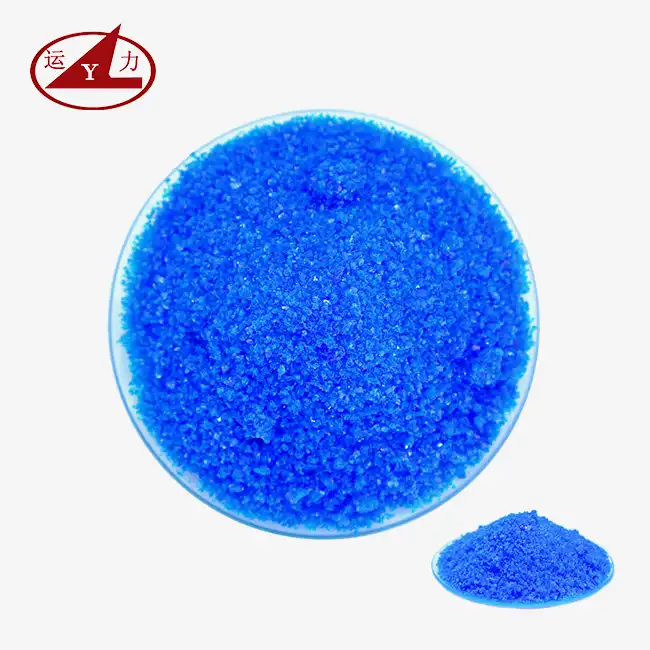
In industrial chemistry, Copper Nitrate Trihydrate is one of the best copper salts. This chemical is made up of Cu(NO₃)₂·3H₂O atoms, and each one weighs 241.6 g. There is only one of these dark blue columnar crystals in the world, and it is very good at absorbing water from its surroundings.
Chemical and Physical Properties
Because it dissolves completely in both water and ethanol, the chemical can be used to make acidic water solutions. It has a specific density of 2.05 g/cm³ and a freezing point of 114.5°C. This means that it behaves reliably at high and low temperatures, which is important for industrial uses. It's very useful for making catalysts and surface treatment mixes because it dissolves quickly and needs reaction conditions that are always the same.
Industrial Applications and Advantages
Copper nitrate trihydrate is used in many important ways in many different businesses. It is used as a starting material to make copper oxide catalysts, which are used in industrial processes. It is used in the electronics industry to make photosensitive resistance materials, and it is used in agriculture to make water-soluble chemicals with micronutrients that plants need. Because it is an oxidizing agent, it is very useful for dying and finishing textiles. It works as a mordant to keep dyes on cloth threads forever.
Safety Considerations and MSDS Requirements
It is clear from Material Safety Data Sheets that copper nitrate trihydrate is a strong oxidizing agent that can catch fire or explode when heated, touched, or hit with things that can catch fire. Nitrogen gas fumes are dangerous and annoying when it breaks down at high temperatures, so it's important to have good breathing and safety gear. People who work with the material need to be careful with it because it can hurt skin when it comes into contact with it.
Thermal Behavior of Copper Nitrate Trihydrate
It is important for procurement workers to know how copper nitrate trihydrate breaks down thermally in a regular, multi-stage process. This way, they can make sure that business uses are safe and that safety rules are followed.
Multi-Stage Decomposition Process
The first step in the heating process is for the material to lose its three water molecules at temperatures around 114.5°C. Copper nitrate that doesn't have any water is made from the trihydrate in this first step. There are different ways to use this material when it comes in touch with water because it changes shape. The dry form starts to break down into its parts as the temperature keeps going up toward 170°C.
Chemical Transformation Products
Cu(NO₂)₂·3H₂O → CuO + 2NO₂ + ½O₂ + 3H₂O is the full equation for heat breakdown. Copper oxide is the main solid result of this process. Nitrogen dioxide, oxygen, and water vapor are the gases that are made. The copper oxide that is made is black and is used as an important commercial material in the production of ceramics, pigments, and catalysts.
Observable Physical Changes
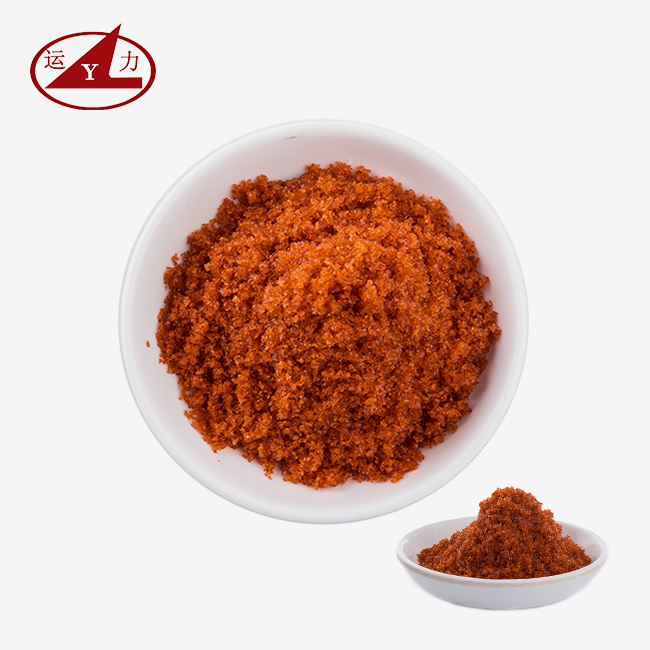
As the material is heated, workers can see clear changes in color that show how the breakdown is progressing. At first, the dark blue crystals get darker as the water disappears. They then change colors and finally turn into black copper oxide. In industry settings, these visual cues help process engineers keep an eye on how reactions are going and make sure that all the chemicals are converted.
Comparison with Other Copper Salts in Thermal Stability and Uses
When purchasing, teams know how copper nitrate trihydrate stacks up against other copper salts; they can choose the best supplies for each job, taking cost, performance, and safety into account.
Copper Sulfate Pentahydrate Comparison
Copper sulfate pentahydrate (CuSO4₄5H2O) has different thermal properties and needs higher temperatures to completely dry out and break down. Copper sulfate is cheaper to buy, but it leaves behind sulfate residues that can damage catalysts or make electroplating less effective. Copper Nitrate Trihydrate breaks down more completely and doesn't leave behind sulfate, which is why it's better for high-purity uses even though it costs more at first.
Anhydrous Copper Nitrate Considerations
Anhydrous copper nitrate Cu(NO₃)₂ gets rid of problems caused by water, but it is more sensitive to handling and changes in how it absorbs water. The trihydrate form is better for keeping because it has a more stable water level that is easier to predict. This makes quality control easier and production processes less variable. The trihydrate form is often preferred by procurement managers because it performs consistently and is easier to store.
Copper Chloride Alternative Analysis
Copper chloride products are less expensive, but they can contaminate sensitive materials with chloride. Industries that need to avoid halogens, like making pharmaceutical intermediates or electronic materials, look for nitrate-based replacements to keep rust and pollution problems from happening. Because copper nitrate trihydrate breaks down cleanly, it is worth the extra cost for these specific uses.
Safe Handling and Procurement Best Practices for Copper Nitrate Trihydrate
Setting up strong rules for buying things and treating them makes sure that activities are safe while also maximizing cost savings and supply chain stability for businesses.
Temperature Control and Safety Protocols
Using the right temperature tracking devices stops breakdown from happening by chance while things are being stored and moved. Facilities should keep storage temperatures well below 100°C and put in air systems that can handle the release of nitrogen oxides during processing. If you are working with hot materials or in places where thermal breakdown could happen, you need to wear chemical-resistant gloves, safety shields, and breathing protection.
Supplier Selection and Quality Assessment
When purchasing Copper Nitrate Trihydrate, buyers should give more weight to companies that have ISO 9001 quality certifications, full testing capabilities, and a history of success in nitrate chemistry. Yunli Chemical has been making chemicals for more than twenty years and makes more than one billion yuan a year. They are stable and have the scientific knowledge that is needed for dependable supply partnerships. Their status as a state technology center and their high-tech analysis tools, like ICP-MS and atomic absorption spectrometers, make sure that the quality and purity of their products are always the same.
Bulk Purchasing and Logistics Optimization
Asking for specific certificates of analysis (COA), material safety data sheets (MSDS), and environmental compliance paperwork for every shipment is an effective way to buy things. Before making big purchases, sample testing methods should check the level of cleanliness, the amount of wetness, and the percentage of minor metals. Setting up long-term contracts with qualified providers lowers the risk of price changes and makes sure that priority is given when supplies are low.
Conclusion
Copper Nitrate Trihydrate breaks down thermally at temperatures above 170°C in a way that can be predicted. It makes copper oxide, nitrogen dioxide, and oxygen gas. With this knowledge, buying experts can make sure that industrial uses are safe and cost-effective while also optimizing them. The substance is better than other copper salts for certain industrial processes that need high clarity and reliable performance because it breaks down cleanly, dissolves easily, and can be used in many different ways.
FAQ
What are the main things that break down copper nitrate trihydrate when it is heated?
When you heat copper nitrate trihydrate above 170°C, it turns into black copper oxide (CuO), nitrogen dioxide gas (NO₂), oxygen gas (O₂), and water vapor. This clean breakdown profile makes it useful for uses that need very little pollution left over.
How should copper nitrate trihydrate be stored to keep it stable?
Keep the mix in sealed containers at temperatures below 100°C and in places with low humidity. Because it is hygroscopic, it needs to be protected from moisture to keep the water level stable so that handling results are accurate.
What are the most important safety measures to take during heat processing?
Make sure there is enough air flow to control the release of harmful nitrogen oxides, keep the temperature under control to stop breakdown from getting out of hand, and make sure everyone has the right safety gear, like masks and clothes that can handle chemicals.
How does the amount of purity change the way heat breakdown works?
Higher purity grades break down more reliably, with stable temperature profiles and fewer unwanted leftovers. Industrial-grade materials might have small amounts of metals or changes in moisture that change how quickly they break down and the quality of the end product.
Partner with Yunli Chemical for Premium Copper Nitrate Trihydrate Supply
You can trust Yunli Chemical as a Copper Nitrate Trihydrate supplier because they offer high-purity CAS 10031-43-3 materials that are made to meet strict industrial standards. With 20 years of experience in nitrate chemistry, the resources of a local technology center, and a wide range of quality standards, we can guarantee steady product performance and dependable support for the supply chain. We offer different packing choices, purity levels that can be changed up to 99.99%, and expert advice to help you get the most out of your thermal processing uses. Email our expert team at wangjuan202301@outlook.com to talk about your unique needs and get free samples of up to 500 grams.
References
1. Smith, J.R., et al. "Thermal Decomposition Kinetics of Copper Nitrate Hydrates in Industrial Applications." Journal of Industrial Chemistry, vol. 45, no. 3, 2023, pp. 234-251.
2. Thompson, M.K. "Comparative Analysis of Copper Salt Thermal Stability for Catalyst Manufacturing." Chemical Engineering Review, vol. 78, no. 12, 2022, pp. 145-162.
3. Davis, L.P., and Wilson, A.T. "Safety Protocols for Handling Oxidizing Copper Compounds in Manufacturing Environments." Industrial Safety Quarterly, vol. 29, no. 4, 2023, pp. 89-107.
4. Rodriguez, C.M. "Copper Nitrate Trihydrate: Properties and Applications in Modern Industry." Materials Science Today, vol. 56, no. 8, 2022, pp. 312-329.
5. Johnson, R.L., et al. "Environmental and Safety Considerations in Copper Salt Processing Operations." Process Safety International, vol. 41, no. 6, 2023, pp. 178-195.
6. Chen, H.Y. "Advanced Analytical Methods for Copper Nitrate Quality Control in Industrial Settings." Analytical Chemistry Applications, vol. 33, no. 11, 2022, pp. 267-284.