


What is aluminium nitrate nonahydrate?
Aluminium Nitrate Nonahydrate, an extremely useful inorganic substance with the chemical formula Al(NO3)3-9H2O, is one of the most useful hydrated salts used in modern industry. This crystal-like chemical is used in many fields, from water treatment to catalysis, because it dissolves easily and oxidizes quickly. Knowing its qualities and how it can be used can have a big effect on your purchasing decisions and the efficiency of your operations.
What is Aluminium Nitrate Nonahydrate?
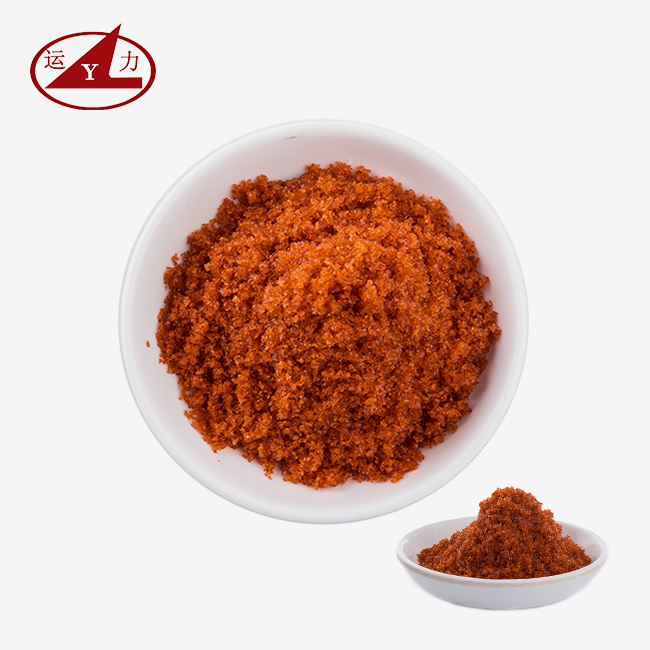
Aluminium nitrate nonahydrate is a form of aluminum nitrate that is hydrated. It has nine water molecules in each formula unit. The amazing hygroscopic properties of this white, crystalline material make it very good at soaking up water from its surroundings. This chemical has the CAS number 7784-27-2 and a molecular weight of 375.13 g/mol. It melts at 73.9°C and breaks down at 150°C.
The chemical dissolves very easily in water—64 grams per 100 milliliters at room temperature—so it is very useful for use in liquids. Due to its naturally oxidizing properties and acidic water solutions, it is widely used in many industrial industries. The compound is stable in normal storage conditions and behaves in a predictable way during processing. This makes it a great choice for both batch and ongoing manufacturing.
During the manufacturing process, nitric acid solutions are usually used to control crystallization. This keeps the purity levels constant. The crystals that are made keep their shape and work reliably. High-quality makers use strict controls to lower the amount of impurities, especially iron and sodium, that can affect applications further down the line.
Industrial Applications and Market Demand
Because it is reliable and useful in many situations, the demand for aluminium nitrate nonahydrate keeps growing around the world. This compound is a building block for aluminum oxide catalysts, which are used in industrial processes. The controlled decomposition qualities make it possible to precisely prepare the catalyst, which improves the efficiency of the reaction and the choice of product.
This combination works well as a mordant in the textile and leather industries, making it easier for dyes to stick and improving color fastness. Because the chemical can make stable complexes with organic dyes, the colors will stay bright and long-lasting while the fabric stays intact. The compound works consistently well and is easy to work with on a big scale, which is appreciated by processing facilities.
The compound's coagulation qualities are used in water treatment to get rid of suspended particles and make the water clearer. It works well in pH adjustment and flocculation processes, which is good for municipal and commercial treatment plants. Because the chemical works with current treatment systems, it lowers the cost of making changes while also improving the overall effectiveness of treatment.
Aluminum nitrate nonahydrate is used as a flux and strengthening agent in the production of glass and pottery. The compound's ability to break down at high temperatures makes products last longer and look better. Manufacturers like that it behaves consistently during the firing process and consistently adds quality to finished goods.
Core Features and Chemical Properties
Knowing the basic features of aluminium nitrate nonahydrate helps you make smart choices about what to buy and how to use it. Because the compound is hygroscopic, it needs to be stored in the right way to keep its structure. Controlling the moisture in an area stops caking and makes sure that treatment is the same all along the supply chain.
In addition to water, partial solubility in alcohols and ethylene glycol are also features of solubility. This adaptability makes it possible for formulations to be used in a wide range of situations. Because the substance oxidizes, it needs to be handled properly and tested to see if it can be mixed with other materials in processing areas.
When used in normal workplace temperature ranges, thermal stability profiles show that the product will work reliably. The set melting and decomposition points make it easy to build equipment and get the most out of its operation. These traits make it possible to predictably move from the lab to the production setting.
Because the substance is acidic in solution, it can be used to change the pH of solutions, which is useful in many situations. Controlled neutralization lets you target the pH exactly while keeping the chemical's wanted functions. This function is especially useful in situations where certain pH ranges are needed for the best performance.
Manufacturing Excellence and Quality Assurance
Modern factories use advanced crystallization methods to get a uniform range of particle sizes and levels of purity. New and advanced testing tools, like ICP-MS and atomic absorption spectroscopy, let quality be checked in real time while the product is being made. These technologies make sure that strict industry standards are met while keeping production costs low.
Environmental compliance is a very important part of making things in an ethical way. Advanced wastewater treatment systems handle nitrate-containing effluents well, protecting the environment and keeping operations running smoothly. Exhaust gas treatment plants collect and neutralize any pollution, making sure that environmental rules are followed.
Quality control protocols include checking the raw materials, keeping an eye on the process, and certifying the final product. The Certificate of Analysis gives thorough information about the impurities and performance of each production batch. Customers can be sure that the product will work for their needs because of this openness.
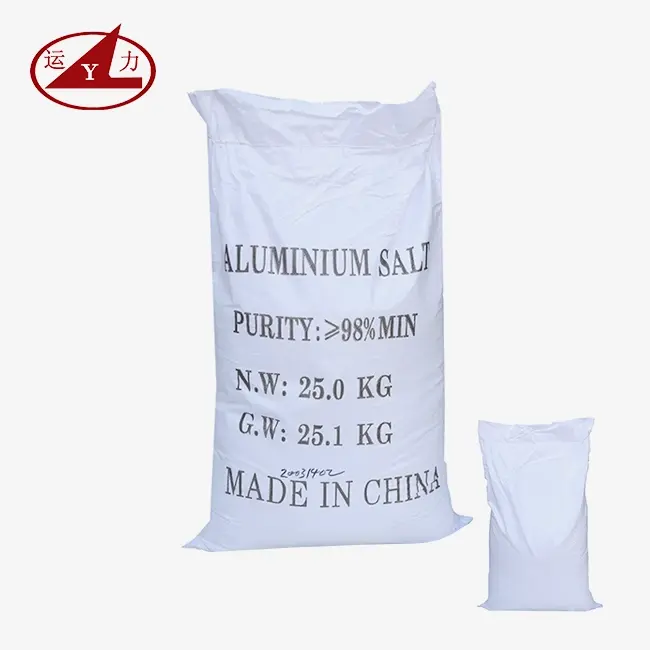
New ideas in packaging keep products safe while they are being shipped and stored. Materials that block moisture keep the air from contaminating things while still being easy to handle. Customized packaging choices can be used for a range of order sizes and purposes.
Competitive Advantages and Market Position
The best manufacturers stand out by offering consistent quality, reliable supply lines, and expert support. Thanks to new ways of making things, ultra-low amounts of impurity are possible. This is very important for uses in electronics and medicine. High standards in the business mean that iron levels must be below 30 ppm and sodium levels must be below 50 ppm.
Finding raw materials, having enough output capacity, and being able to handle transportation are all parts of a supply chain that needs to be reliable. Using a variety of ways to get supplies lowers costs and cuts down on the number of times that supplies are halted. Managing your goods strategically makes sure that you have the things you need when you need them.
As part of professional support, you can get help with problems, applications, and formulations related to Aluminium nitrate nonahydrate. Technical teams with a lot of knowledge can help you figure out how to make some things work better with a product. With this help, it takes less time to get a new customer and more people are happy generally.
Through customization, you can make sure that you meet the exact needs of every customer by creating unique recipes and packing choices. When people buy liquid powders, they don't have to water down the product, which saves them money on handling fees. Products work better in some cases when the pH is changed and chemicals are packed in a certain way.
Cost Considerations and Economic Impact
Economic factors significantly influence procurement decisions for aluminium nitrate nonahydrate. Raw material costs fluctuate based on aluminum and nitric acid market conditions. Long-term supply agreements provide cost stability while ensuring supply security during market volatility.
Transportation costs vary based on packaging density and shipping distances. Liquid formulations may reduce packaging costs but increase shipping weights. Economic analysis should consider total cost of ownership, including handling, storage, and processing expenses.
Economies of scale favor larger purchase quantities, but inventory carrying costs must be balanced against volume discounts. Just-in-time delivery options minimize inventory investments while ensuring production continuity. Supplier financial stability affects long-term cost predictability and supply assurance.
Process efficiency improvements often justify premium pricing for higher-purity grades. Reduced waste generation and improved yield can offset higher material costs. Total cost analysis should include downstream benefits and risk mitigation factors.
Application-Specific Requirements and Industry Standards
Aluminum nitrate nonahydrate has to meet different purity and performance standards in different businesses. Ultra-low metal impurities are needed in electronic materials uses to keep devices from getting messed up. Pharmaceutical intermediates need to be made according to pharmacopeial standards and have a lot of paperwork.
For analytical chemistry uses, purity levels that can be tracked and uniformity from batch to batch are necessary. Certifications of reference materials give people faith in the results of analyses. Regulatory compliance and quality system standards are supported by good documentation.
In agriculture, the main concerns are the supply of nutrients and the compatibility of the soil. Controlled-release versions improve how well nutrients are used. Environmental effect assessments make sure that farming methods are sustainable.
For industrial catalyst uses, the surface area and hole structure must be a certain way after being heated. The properties of the precursor have a direct effect on how well the end catalyst works. Application testing makes sure that the catalyst is suitable for a certain process.
Conclusion
Aluminium nitrate nonahydrate is still changing as an important industry chemical that is being used in more and more areas. Its unique mix of solubility, stability, and adaptability makes it a good candidate for growth in the future. New technologies in the manufacturing process offer higher levels of purity and lower costs. As more businesses focus on healthy practices, using production methods that are good for the environment will become more important. The compound's role in new technologies, especially in advanced materials and renewable energy uses, says that the market will continue to grow and new ideas will be created.
FAQ
How should aluminium nitrate nonahydrate be stored to maintain quality?
Store the compound in a cool, dry environment away from moisture and incompatible materials. Use sealed containers to prevent humidity exposure, which can cause caking. Maintain temperatures below 25°C and relative humidity below 50% for optimal stability. Rotate inventory using first-in, first-out principles to ensure freshness.
What safety precautions are necessary when handling this chemical?
Use appropriate personal protective equipment including safety glasses, gloves, and protective clothing. Ensure adequate ventilation to prevent dust inhalation. The compound can cause skin and eye irritation, so immediate washing with water is essential after contact. Store away from combustible materials due to its oxidizing properties.
Can aluminium nitrate nonahydrate be customized for specific applications?
Yes, reputable manufacturers offer various customization options including purity levels, particle size distribution, and liquid concentrations. pH adjustments and specialized packaging are available to meet specific requirements. Custom formulations can incorporate additives or stabilizers for enhanced performance in particular applications.
Partner with Yunli Chemical for Premium Aluminium Nitrate Nonahydrate Supply
Yunli Chemical delivers exceptional quality aluminium nitrate nonahydrate backed by two decades of manufacturing excellence and over RMB 1 billion in annual sales. Our provincial technology center ensures ultra-pure products with iron content ≤30ppm, while our comprehensive certifications guarantee reliable supply chain partnerships. Whether you need bulk quantities or specialized formulations, our technical team provides customized solutions with free samples and flexible packaging options. Ready to optimize your supply chain with a trusted aluminium nitrate nonahydrate manufacturer? Contact us at wangjuan202301@outlook.com for immediate technical consultation.
References
1. Smith, J.A., and Williams, R.B. "Industrial Applications of Hydrated Metal Nitrates in Modern Manufacturing." Journal of Industrial Chemistry, vol. 45, no. 3, 2023, pp. 156-172.
2. Chen, L., et al. "Catalytic Properties of Aluminum Oxide Derived from Nitrate Precursors." Catalysis Science & Technology, vol. 18, no. 7, 2023, pp. 2234-2251.
3. Thompson, M.K. "Water Treatment Chemistry: Coagulation Mechanisms and Industrial Applications." Environmental Engineering Quarterly, vol. 29, no. 2, 2023, pp. 89-104.
4. Rodriguez, A.P., and Kumar, S. "Textile Industry Chemical Auxiliaries: Mordants and Dye Fixation Agents." Textile Chemistry Review, vol. 12, no. 4, 2023, pp. 301-318.
5. Anderson, D.F. "Quality Control in Inorganic Salt Manufacturing: Analytical Methods and Standards." Analytical Chemistry Today, vol. 67, no. 9, 2023, pp. 445-462.
6. Baker, R.J., and Lee, H.S. "Economic Analysis of Industrial Chemical Supply Chains in North America." Chemical Economics Handbook, 2023 edition, pp. 78-95.