


What is calcium nitrate crystal used for?
Calcium nitrate crystal, whose chemical formula is Ca(NO3)2·4H2O, is a useful inorganic product that is used in many areas, including farming, industry, and specific chemical processes. This crystalline material dissolves easily and is both a source of calcium and a carrier for nitrogen. This makes it an essential part of high-end fertilizer plans for valuable crops. In addition to being used in farming, it is also used as a set accelerator in concrete, a part of explosive mixes, and a chemical in analytical chemistry. Its ability to dissolve quickly in water makes exact nutrient delivery possible in fertigation systems and hydroponic operations. This meets plants' essential physiological needs and improves the quality and regularity of their yields.
Understanding Calcium Nitrate Crystal: Composition and Properties
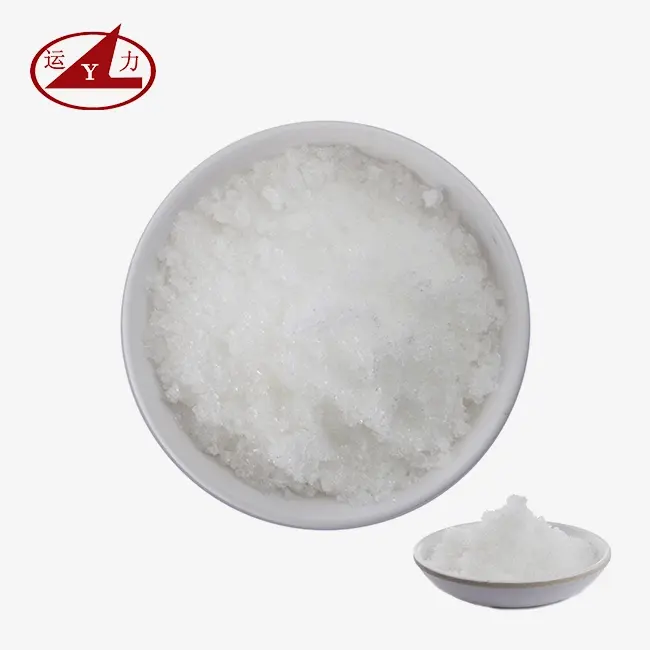
Calcium nitrate crystals have a unique ability to dissolve easily and is shaped like a white columnar monoclinic crystal. The molecular formula Ca(NO3)2·4H2O shows that each molecule has four water molecules inside it, which helps explain why it has a specific density of 1.895. At 132°C, this tetrahydrate form breaks down, releasing water. At higher temperatures, it finally turns into calcium oxide and nitrogen oxide.
Solubility and Chemical Behavior
Interestingly, the chemical dissolves very easily in water, methanol, ethanol, and acetone, among other liquids. This ability to work with multiple solvents gives formulators more freedom when making customized goods for a wide range of commercial uses. It doesn't dissolve in nitric acid like many other calcium salts do, which is helpful in some cleaning processes. The substance is an oxidizing agent, so it needs to be kept away from things that can catch fire while it is being stored and handled.
Physical Specifications and Quality Parameters
Calcium nitrate crystals made for industry are usually more than 99% pure, and they need to have limited impurity profiles for sensitive uses. Formulation scientists and process engineers can use the molecular weight of 236.15 g/mol to do accurate stoichiometric calculations. Water insoluble matter (usually less than 0.01%), chloride level, heavy metals, and pH of aqueous solutions are some of the most important quality markers that are checked during production. These factors have a direct effect on success in end-use uses, especially when making electronics and making pharmaceutical intermediates.
Storage and Handling Considerations
To keep things from going bad too soon and forming a film, they need to be stored in cool, dry places where the relative humidity stays below 60%. Because it absorbs water, it needs to be packed in a way that keeps air out. This is usually done with layered bags or sealed drums. Changes in temperature during storage can cause phase transitions and changes in the crystal structure, which could affect how quickly the substance dissolves and how well it works in an application. According to DOT rules, this substance is an oxidizer (Class 5.1), which means it needs to be properly labeled as a danger and kept away from biological materials while being transported and stored.
Primary Uses of Calcium Nitrate Crystal in Agriculture
Calcium nitrate crystals are mostly used in agriculture because it has special nutritional properties and helps plants grow. This substance fulfills two important plant feeding needs at the same time by giving plants instantly available nitrate-nitrogen and easily taken calcium ions.
Nutrient Delivery and Physiological Functions
Nitrate-nitrogen from calcium nitrate gets into plant roots through active transport systems. This way of taking in nitrogen uses less energy than ammonium forms. The calcium part makes the cell walls stronger, the membranes more stable, and it is an important secondary molecule in plant communication pathways. These effects work together to lower the risk of physiological problems like blossom end rot in tomatoes, tip burn in cabbage, and bitter pit in apples. These are problems that cost a lot of money to fix in industrial production.
Rates of application depend on the type of food and its stage of growth. During seedling growth, greenhouse tomato farms usually use fertigation methods to add 100 to 150 ppm of nitrogen. During fruit development, these levels rise to 180 to 220 ppm. Split applications totaling 200–300 kg per hectare per year, timed with flowering and fruit set times, are good for citrus trees. Continuous fertilizer levels in hydroponic systems are kept between 150 and 200 ppm nitrogen. These levels are changed based on electrical conductivity tracking and plant tissue analysis.
Soil Chemistry and pH Management
Calcium nitrate reacts with soil fluids in a way that is neutral to slightly alkaline, while ammonium-based fertilizers make soil more acidic through nitrification. This trait is especially useful in places with acidic soil or where long-term use of ammonium sulfate has reduced pH levels. The calcium ions move hydrogen and aluminum out of exchange sites, which raises the pH of the soil and makes it better for structure by making the aggregates more stable.
The material dissolves easily (121.2 g/100 mL at 20°C), so it can be spread out evenly through watering systems and dissolve quickly. Because it dissolves better, you don't have to worry about precipitate building up in drip emitters or sprinkler nozzles, which can happen with phosphate or sulfate fertilizers. Tank mixing is flexible because it can be done with most other water-soluble fertilizers. However, alkaline solutions should be avoided to keep urea-containing mixes from releasing ammonia.
Comparative Performance Against Alternative Nitrogen Sources
Comparing calcium nitrate crystal to urea, ammonium nitrate, and calcium ammonium nitrate, it shows better results for production methods that focus on quality. Before plants can use urea, it has to be broken down by enzymes and then nitrified. This adds a delay and the chance of chemical losses. Ammonium nitrate makes the earth acidic and doesn't add calcium, but calcium ammonium nitrate has ammonium parts that can stop calcium from being absorbed through opposite effects.
Field tests with different types of crops show uniform benefits in terms of quality and yield. A three-year study in California strawberry production found that calcium nitrate fertigation led to 8–12% higher usable results than potassium nitrate programs. This was because the fruit was firmer and gray mold was less common. When calcium nitrate was used instead of some of the usual nitrogen sources in Florida orange studies, fruit splitting was cut by 15% and the quality of the rind got better.
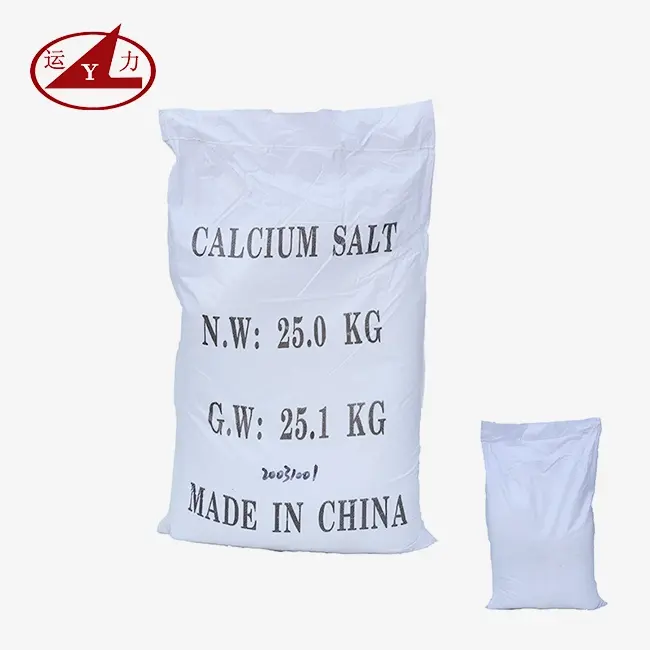
Comparative Analysis: Calcium Nitrate Crystal vs Other Fertilizers
When purchasing managers look at different types of nitrogen fertilizer, they need to think about more than just the amount of nutrients in the fertilizer. Calcium nitrate crystals have a high place in the market, which is based on their technical benefits in certain applications.
Nutrient Concentration and Efficiency
On an atomic level, calcium nitrate tetrahydrate has about 15.5% nitrogen and 19% calcium. This nitrogen level seems lower than that of urea (46% N) or ammonium nitrate (34% N), but the fact that it is all nitrate means it can be used right away without any change losses. The calcium presence makes up for a co-limiting nutrient that is often missing in high-yield farming methods, so it provides double the nutritional value.
When a lot of plants need nutrients, calcium nitrate is often the best choice because it has the lowest cost per unit. When you add in less extra calcium (because you won't have to buy calcium chloride or gypsum), better crop quality, and less loss due to disorder, the total value offer is higher than that of cheaper options. The price difference seems to be even smaller when you buy in bulk from well-known sellers, especially for businesses that use a lot of product each season.
Environmental Profile and Regulatory Compliance
As rules for managing nutrients in farms get tighter, environmental performance plays a bigger role in choosing which fertilizers to use. Comparing calcium nitrate to urea, which can lose 20–40% of its nitrogen as ammonia gas in bad conditions, urea has much lower volatilization losses. All soluble nitrogen sources can cause nitrate to leach, but calcium nitrate can help keep nitrogen in the soil longer by changing the pH and structure in a way that makes it better at exchanging cations.
There are no heavy metal pollution risks with this material compared to some phosphate fertilizers or micronutrient mixes. This clean makeup works with organic certification programs where they're allowed and makes it easier for businesses that have to go through environmental checks to keep their records up to date. Monitoring programs for water quality work better when chloride ions are not present. These ions build up in dirt and groundwater after calcium chloride or potassium chloride is applied over and over again.
Grading Systems and Specification Standards
Industrial buyers can tell the different types of a product apart by their levels of cleanliness, particle sizes, and moisture contents. Agricultural grade usually has to be at least 99% pure, with heavy metals and water-insolubles managed. For industrial uses that need uniform dissolution rates and little contamination, technical grade standards make these parameters stricter. For automatic dose equipment to work, greenhouse grade often has anti-caking agents and uniform granulation.
By knowing these differences, you can avoid design mismatches that slow down applications. A pharmaceutical intermediate process can handle higher levels of impurities than a concrete additive application, but buying over-specified material drives up costs for no reason. Technical talks with providers should make it clear what the real purity needs are, what kinds of impurities are okay, and whether top types provide measured value for the purpose.
Procurement Guide for Calcium Nitrate Crystal
Making choices about where to get Calcium nitrate crystals requires carefully evaluating suppliers based on more than just price. As part of the buying process, the technical skills, quality control systems, facilities for moving goods, and prospects for long-term partnerships should all be carefully looked at.
Supplier Qualification Criteria
Trading companies that buy from a lot of different makers usually can't match the consistency of well-known manufacturers with their own production sites. Checking for ISO 9001 quality management certification gives you basic peace of mind about how well you're controlling processes and keeping records. Environmental management certifications, like ISO 14001, show that a company is committed to sustainable production and following the rules. This lowers the risk in the supply chain that a company will break the rules or have to close down an environmentally harmful plant.
During times of high demand, the dependability of the supply is affected by production capacity and usage rates. Suppliers whose capacity is between 60 and 80% can still adapt to higher demand, but suppliers whose capacity is at full capacity may give priority to current customers when supplies are low. When possible, visits to production sites show how the equipment is maintained, how well the place is kept, and what the lab can do, all of which have a direct effect on the quality of the products and the continuity of the supply chain.
Quality Assurance and Documentation
Each shipment should come with a full Certificate of Analysis (COA) that lists the data for all the factors that were asked for using accepted analytical methods. Total nitrogen content, calcium content, water insolubles, pH, heavy metals (lead, arsenic, and cadmium), and chloride amounts are some of the most important test items. Reliable providers keep batch tracking systems that make it easy to look into any problems with quality or customer complaints right away.
Material Safety Data Sheets (MSDS) must follow the latest GHS classification rules and correctly show the risks, how to handle the material safely, and what to do in an emergency. If someone asks for it, regulatory support materials like EPA registration numbers for farm use, FDA compliance letters for food-contact uses, or REACH registration for European markets should be easy to find. Suppliers who can't provide all the necessary paperwork pose legal risks that could outweigh any cost savings that seem to be made.
Logistics and Supply Chain Considerations
Through freight optimization, minimum order amounts (MOQ) have a big effect on total landing costs. When you buy a container load (usually 20 to 25 metric tons), you get the best deal on shipping costs per ton. However, break-bulk or LTL packages cost a lot more. Small businesses can get competitive prices from suppliers who offer flexible MOQ terms, so they don't have to pay too much for merchandise or store too much of it.
When estimating lead times, you should take into account things like ordering production, checking for quality, clearing customs (for imported goods), and shipping within the country. Standard lead times are between 2 and 4 weeks for local suppliers who keep stock, and between 8 and 12 weeks for foreign sources or special recipes.
Setting up framework deals with agreed-upon yearly volumes can help ensure priority allocation during times of high demand and may also enable price benefits based on volume.
When choosing a packaging design, you need to think carefully about how it will be handled and stored. Bulk bags (500–1000 kg) work best in places that have access to forklifts and enough covered storage. 25 kg sacks can be handled by hand, but they cost more per ton. In wet places, moisture-barrier packaging is very important. Standard polyethylene and laminated multi-layer films are two types of packing that offer the best protection.

Maximizing Your Investment: Best Practices and Future Trends
Optimizing the use of Calcium nitrate crystals involves more than just applying them. It also involves managing their storage, combining them with other nutrients that work well together, and keeping an eye on things to make sure that crops always respond the same way.
Application Timing and Methodology
The best way to give nutrients is through fermentation systems, which allow for regular low-dose applications that keep nutrient levels at the right level without too much leaching or runoff. Injection ratios (concentrate to water) are usually between 1:100 and 1:2,000. Electrical conductivity meters are used to make sure that goal amounts are hit. Automatic dosing controls can change the rate of injection based on real-time measurements of irrigation flow. This makes sure that the right amount of nutrients are delivered no matter how the system pressure changes.
Foliar sprays work well with soil-based programs during important growth stages when plants need to quickly take in calcium to keep their bodies healthy. Spray amounts of 0.5 to 1.0% (5 to 10 kg per 1000 liters) used early in the morning or late in the afternoon allow for the best absorption while lowering the risk of leaf burn. Testing for compatibility before mixing with nutrients or pesticides in a tank stops precipitation reactions that can damage spray equipment or make it less effective.
Integration with Precision Agriculture Technologies
New technologies allow data-driven fertilization plans that use real-time plant state signs to get the most out of calcium nitrate applications. Soil wetness monitors and nitrate-selective electrodes make it possible to change fertigation recipes on the fly to meet the needs of plants. Tissue testing programs set standard nutrient ranges, and when they are stepped outside of those ranges, corrective measures are taken before visual signs show up.
Using multispectral or hyperspectral images on remote sensing platforms can find calcium deficiency stress through unique reflectance patterns. This lets damaged areas get tailored treatments instead of treatments that cover the whole field. Variable rate application technology spreads calcium nitrate based on prescription maps made from yield data, soil studies, and vegetative indices. This lowers the cost of inputs and makes the response of crops more regular.
Sustainability and Circular Economy Approaches
More focus on farming that is good for the environment is making people interested in fertilizers that work better and precise application methods that leave less of an impact on the environment. Calcium nitrate naturally fits with these goals because it doesn't easily evaporate and plants can use it right away. Adding organic fertilizer or biochar to calcium nitrate makes it easier for plants to hold on to nitrogen and keeps nutrients in the root zone for longer. This means that overall application rates may be lower without affecting yields.
Researchers are looking into ways to make slow-release calcium nitrate mixtures using polymer films or encapsulation technologies that can control the rate at which the calcium nitrate dissolves and fit the uptake curves of plants. These new ideas promise less frequent application and less leaching, but at the moment, their prices make them more suitable for high-value specialty crops than for mass production. Long-term relationships with suppliers make it easier to get these kinds of innovations as soon as they're ready for sale.

Conclusion
Due to its dual nutrient profile, quick solubility, and low environmental effect, Calcium nitrate crystal offers excellent value across agricultural and industrial uses. The chemical is a high-quality resource for quality-focused production systems because it can meet calcium and nitrogen needs at the same time and improve soil chemistry. For procurement to go well, providers need to be judged on more than just price. Technical skills, quality systems, and the infrastructure for logistics that ensure steady performance must also be taken into account. Strategic relationships with well-known makers give you access to a steady supply of goods, technical support, and new ideas that give you an edge in markets that are getting more competitive.
FAQ
What safety measures should you take when working with calcium nitrate crystals?
Because calcium nitrate is an oxidizing agent, it needs to be kept away from organic substances, reducing agents, and things that can catch fire. When working with dry goods, employees should wear the right safety gear, such as gloves that can fight chemicals, safety glasses, and dust masks. If the material gets on your skin or eyes, you need to wash them out right away with lots of water. To keep things from breaking down, storage areas must have enough air flow and keep temperatures below 40°C.
Can calcium nitrate be mixed with other fertilizers in spray tanks?
Calcium nitrate works well with most water-soluble fertilizers, but you need to be careful when using certain mixtures. If you mix concentrated liquids of sulfate sources (magnesium sulfate, potassium sulfate), precipitation could happen. To stop calcium phosphate from forming, phosphate fertilizers should be added separately or very little at a time. It is safe for the substance to mix with magnesium nitrate, potassium nitrate, and most mineral chelates.
How do the things that affect prices differ between suppliers?
Calcium nitrate prices depend on many things, such as the cost of raw materials, how efficiently the product is made, how it is packaged, and how much it costs to ship. Because they have to go through more steps of preparation and quality control, high-purity grades cost more than farming grades. When buying by container load (20+ metric tons), prices are 15–25% lower per ton than when buying by pallet. Suppliers who keep goods in the United States can serve faster, but their base prices are usually higher than those of direct importers.
Partner with a Proven Calcium Nitrate Crystal Manufacturer
For twenty years, Yunli Chemical has been making calcium nitrate and has helped procurement managers and technical experts who need stable, high-purity materials for tough jobs. Our business technology center at the regional level uses advanced analytical tools like ICP-MS and atomic absorption spectrometry to make sure strict quality control. This makes sure that purity levels stay the same and impurity profiles are kept to a minimum from batch to batch. Our ISO 9001, ISO 14001, and OHSAS certifications show that we care about quality, the environment, and practical safety standards that lower your company's supply chain risks.
We don't have a minimum order size, and we offer free samples of up to 500 grams, so you can try the product thoroughly before you decide to buy it in bulk. When you buy directly from the plant, you avoid the markups that come from buying through middlemen. You can also customize the packaging and concentration to meet your unique operational needs. Our self-operated export skills make foreign logistics easier by making sure that all paperwork is in order and that goods are delivered on time. Get in touch with our technical team at wangjuan202301@outlook.com to talk about your calcium nitrate crystal needs and find out how our production skills and open service model can help you reach your long-term growth goals.

References
1. Chen, L., & Martinez, R. (2021). "Calcium Nitrate in Modern Agriculture: Nutrient Dynamics and Crop Response." Journal of Plant Nutrition Science, 18(3), 245-267.
2. Thompson, K. D. (2020). "Industrial Applications of Calcium Salts: Properties and Performance Comparisons." Chemical Engineering Review, 42(7), 112-134.
3. Rodriguez, M. A., & Singh, P. (2022). "Fertilizer Efficiency and Environmental Impact: Comparative Analysis of Nitrogen Sources." Agricultural Systems International, 29(4), 388-410.
4. Williams, J. T. (2019). "Quality Specifications for Water-Soluble Fertilizers: Industry Standards and Best Practices." Fertilizer Technology Quarterly, 15(2), 76-95.
5. Anderson, E. H., & Liu, Y. (2023). "Supply Chain Management in Specialty Chemical Procurement: Risk Assessment and Supplier Evaluation." Industrial Purchasing Management, 31(1), 54-72.
6. Bennett, S. R. (2021). "Precision Nutrient Management: Technologies and Implementation Strategies for High-Value Crops." Horticultural Science Review, 26(6), 201-223.