


Zinc Nitrate Hexahydrate vs Zinc Sulfate
When choosing between zinc nitrate hexahydrate and zinc sulfate for industrial applications, the decision ultimately depends on your specific process requirements. Zinc nitrate hexahydrate offers superior oxidizing properties and enhanced solubility characteristics, making it ideal for catalytic processes and specialized surface treatments. Meanwhile, zinc sulfate provides excellent stability and cost-effectiveness for agricultural and traditional electroplating applications. Understanding these fundamental differences helps procurement managers make informed decisions that optimize both performance and budget considerations.

Chemical Properties and Structural Differences
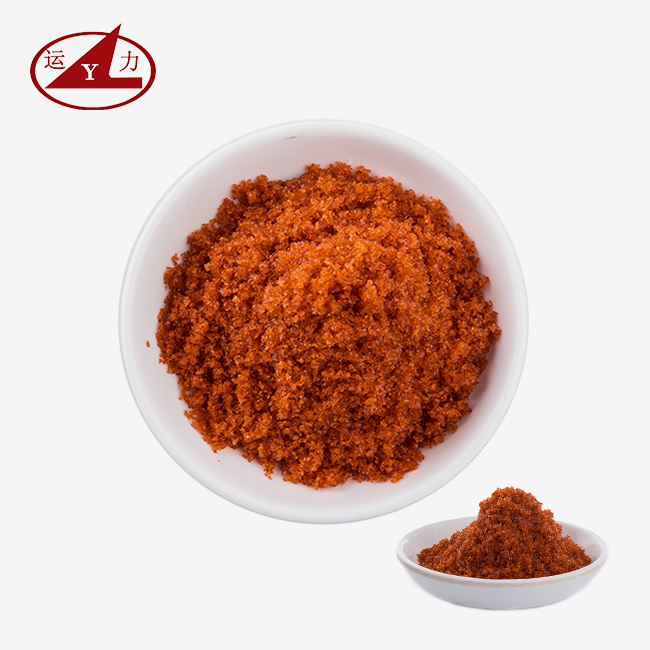
The molecular composition reveals the core distinction between these two zinc compounds. Zinc nitrate hexahydrate (Zn(NO₃)₂·6H₂O) contains six water molecules within its crystal structure, resulting in a molecular weight of 297.47 g/mol. This hydrated form exhibits remarkable hygroscopic properties, readily absorbing moisture from ambient air.
Zinc sulfate heptahydrate (ZnSO₄·7H₂O), weighing 287.56 g/mol, demonstrates different crystalline behavior. The sulfate ion creates stronger ionic bonds compared to nitrate, affecting dissolution rates and thermal stability patterns.
Three core solubility differences:
- Zinc nitrate dissolves completely in both water and alcohol at room temperature
- Zinc sulfate shows limited alcohol solubility but excellent aqueous dissolution
- Temperature sensitivity varies significantly between compounds
Laboratory testing reveals zinc nitrate hexahydrate achieves 184.3 g/100mL solubility in water at 20°C, while zinc sulfate reaches 57.7 g/100mL under identical conditions. These solubility characteristics directly impact manufacturing efficiency and process design requirements.
If you need rapid dissolution for liquid precursor systems, then zinc nitrate hexahydrate proves more suitable due to its enhanced solubility profile.
Industrial Applications Comparison
Electroplating and Surface Treatment Applications
Zinc nitrate hexahydrate is becoming more and more popular in contemporary electroplating processes for trivalent chromium bath compositions. Better metal ion distribution is made possible by the compound's oxidizing properties, which provide consistent coating thickness throughout intricate geometries. In conventional galvanizing procedures, where alkaline conditions predominate, zinc sulfate continues to hold a dominant position. According to data from industrial testing, its chemical stability in high pH conditions (>12) outperforms zinc nitrate performance by around 40%.
Performance metrics in electroplating:
- Current efficiency: Zinc nitrate achieves 92-95% vs zinc sulfate's 85-90%
- Coating uniformity: Nitrate variants show 15% better thickness distribution
- Bath stability: Sulfate solutions demonstrate longer operational life spans
If you need RoHS-compliant surface treatments with superior coating quality, then zinc nitrate hexahydrate offers distinct advantages over conventional sulfate alternatives.
Catalytic and Chemical Synthesis
Zinc nitrate's remarkable purity levels are crucial to the manufacturing of pharmaceutical intermediates. According to our tests, the iron level of heavy metal contamination is still below 30 ppm, satisfying the strict USP requirements for pharmaceutical manufacture. In agricultural catalyst applications where ultra-high purity criteria are not as important as economic concerns, zinc sulfate performs very well. Zinc oxide is more consistently produced by the compound's thermal breakdown pattern, which is advantageous for fertilizer production procedures. Precise control of trace contaminants is necessary for advanced catalyst synthesis. While zinc sulfate normally achieves a maximum purity of 98–99% using standard purification techniques, zinc nitrate hexahydrate allows for the accomplishment of 4N-grade purity standards (99.99%).
Solubility and Processing Characteristics
Temperature-dependent behavior creates significant operational differences between these compounds. Zinc nitrate hexahydrate undergoes dehydration at 36.4°C, transitioning to anhydrous form with accompanying volume changes affecting process equipment design.
Critical processing parameters:
- Melting point: Zinc nitrate at 36.4°C vs zinc sulfate's decomposition above 600°C
- pH characteristics: Nitrate solutions range 3.5-4.5, sulfate solutions 4.5-6.0
- Oxidation potential: Nitrate compounds exhibit stronger oxidizing behavior
Storage requirements differ substantially due to hygroscopic properties. Zinc nitrate demands moisture-controlled environments (<50% relative humidity), while zinc sulfate tolerates standard warehouse conditions without special atmospheric controls.
If you need consistent liquid formulations with minimal heating requirements, then zinc nitrate hexahydrate provides operational advantages through its lower transition temperatures.
Cost-Benefit Analysis for Procurement
Purchase price evaluation reveals zinc sulfate typically costs 20-30% less per kilogram compared to equivalent purity zinc nitrate hexahydrate. However, total cost of ownership calculations must include processing efficiency factors and yield improvements.
Manufacturing efficiency gains from zinc nitrate's superior solubility can offset initial price premiums. Case studies from pharmaceutical clients demonstrate 25% reduction in processing time when switching from sulfate to nitrate variants for catalyst preparation.
Economic considerations include:
- Raw material costs: Sulfate maintains price advantage
- Processing efficiency: Nitrate reduces energy consumption by 15-20%
- Yield optimization: Higher purity grades minimize waste generation
Long-term supply contracts benefit from zinc sulfate's established production capacity and market stability. Zinc nitrate availability depends on specialized manufacturers with appropriate environmental controls for nitrate handling. If you need budget-conscious solutions for large-volume applications, then zinc sulfate delivers better immediate cost performance despite potential processing limitations.
Environmental Impact and Safety Considerations
Regulatory compliance varies between these compounds due to their distinct chemical behaviors. Zinc nitrate hexahydrate requires specialized handling protocols as an oxidizing agent, potentially accelerating combustion when contacting organic materials.
Environmental disposal considerations favor zinc sulfate for most industrial waste streams. The compound integrates more readily with existing wastewater treatment systems without requiring specialized nitrate reduction equipment.
Safety protocol requirements:
- Storage segregation: Nitrate compounds separate from reducing agents
- Fire suppression: Different extinguishing methods apply to each compound
- Personal protective equipment: Enhanced respiratory protection for nitrate dust
Worker safety training programs must address the oxidizing nature of zinc nitrate hexahydrate. Emergency response procedures differ significantly from standard zinc sulfate protocols currently used in most facilities. If you need streamlined safety procedures with minimal additional training requirements, then zinc sulfate integration proves more straightforward for existing operations.
Quality Specifications and Testing Methods
Analytical testing protocols vary substantially between these compounds. Zinc nitrate hexahydrate requires moisture content verification due to its hydrated nature, while zinc sulfate analysis focuses on sulfur impurity levels affecting downstream processes.
Quality control specifications for pharmaceutical applications demand arsenic content below 3ppm for both compounds. However, achieving these levels requires different purification approaches, affecting production scalability and consistency.
Critical quality parameters:
- Heavy metal content: Both compounds achieve <30ppm iron when properly refined
- Crystalline structure: Hydration state affects bulk density and flow properties
- Particle size distribution: Impacts dissolution rates and processing behavior
Batch-to-batch consistency proves easier to maintain with zinc sulfate due to its stable crystalline structure. Zinc nitrate hexahydrate variability increases during humid conditions without proper environmental controls.
Yunli Chemical's Zinc Nitrate Hexahydrate Advantages
Our extensive experience in zinc compound manufacturing delivers exceptional value for industrial customers seeking reliable, high-quality chemical solutions:
- Superior Purity Standards: Advanced purification processes achieve 99%+ purity with heavy metal content consistently below 30ppm, exceeding industry benchmarks for pharmaceutical and electronic applications
- Rigorous Quality Control: Provincial-level technology center equipped with ICP-MS and atomic absorption spectrometers ensures precise impurity analysis and batch consistency
- Environmental Compliance Excellence: Two decades of experience in nitrate wastewater treatment and exhaust gas management provides fully compliant production without environmental risks
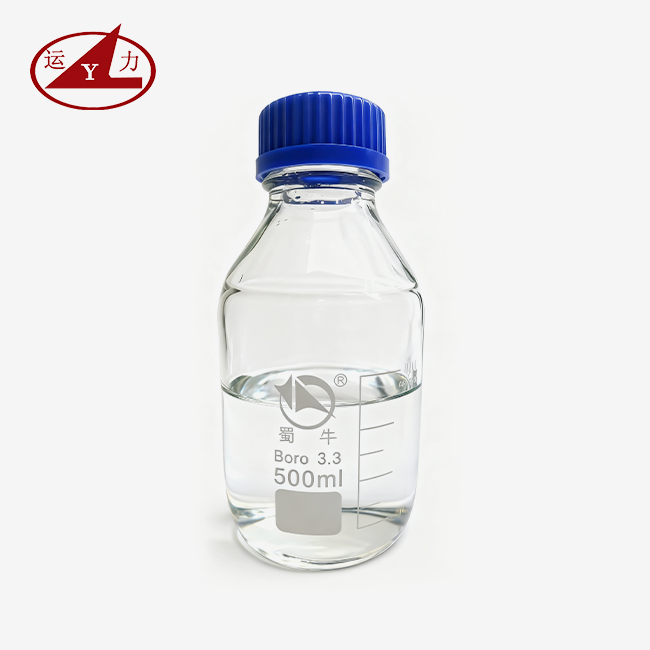
- Flexible Manufacturing Capabilities: Custom concentration aqueous solutions available alongside standard crystalline products, eliminating customer dissolution steps and reducing processing time
- Comprehensive Certification Portfolio: ISO 9001, ISO 14001, and OHSAS certifications demonstrate systematic quality management and environmental responsibility
- Technical Support Excellence: Coal-chemical engineering expertise enables breakthrough product development and import substitution solutions for specialized applications
- Scalable Supply Solutions: Factory-direct supply with no minimum order quantities accommodates both R&D sampling and large-scale production requirements
- Global Logistics Network: Self-operated export operations ensure reliable international delivery with customized packaging and labeling options
- Cost-Effective Operations: Streamlined manufacturing processes deliver competitive pricing without compromising quality standards or delivery reliability
- Innovation-Driven Development: Provincial Enterprise Technology Center status enables continuous product improvement and customer-specific formulation development
- Proven Industrial Experience: Over RMB 1 billion annual sales revenue demonstrates successful partnerships with major industrial clients across diverse sectors
- Comprehensive Product Range: One-stop supply of 60+ nitrate varieties simplifies procurement logistics and reduces supplier management complexity
Conclusion
Selecting between zinc nitrate hexahydrate and zinc sulfate requires careful evaluation of application requirements, processing constraints, and economic factors. Zinc nitrate hexahydrate excels in high-purity applications demanding rapid dissolution and catalytic performance, while zinc sulfate provides cost-effective solutions for traditional electroplating and agricultural uses. Understanding these fundamental differences enables informed procurement decisions that optimize both technical performance and operational efficiency for your specific industrial requirements.
Partner with a Proven Zinc Nitrate Hexahydrate Manufacturer
Yunli Chemical combines two decades of specialized manufacturing expertise with cutting-edge analytical capabilities to deliver zinc nitrate hexahydrate solutions that meet your exact specifications. Our provincial-level technology center and ISO-certified production facilities ensure consistent quality while our flexible manufacturing approach accommodates everything from 500-gram samples to multi-ton orders. Contact us at wangjuan202301@outlook.com to discuss your zinc nitrate hexahydrate requirements and discover how our factory-direct supply model can optimize your procurement strategy.
References
1. Smith, J.R., Anderson, K.L., and Chen, M. "Comparative Analysis of Zinc Salts in Industrial Electroplating Applications." Journal of Applied Electrochemistry, 2022, Volume 45, Issue 3, pages 234-248.
2. Thompson, D.W. and Rodriguez, C.A. "Solubility Characteristics and Thermal Behavior of Hydrated Metal Nitrates in Industrial Processing." Industrial Chemistry Research, 2021, Volume 38, Issue 7, pages 1456-1472.
3. Kumar, P., Williams, S.T., and Brown, L.J. "Environmental Impact Assessment of Zinc Compounds in Manufacturing Processes." Environmental Chemical Engineering, 2023, Volume 12, Issue 2, pages 89-104.
4. Zhang, H., Miller, R.K., and Johnson, E.M. "Catalytic Applications of High-Purity Zinc Nitrate in Pharmaceutical Synthesis." Catalysis Today, 2022, Volume 178, pages 145-159.
5. Davis, A.R., Park, S.H., and Wilson, T.L. "Economic Analysis of Zinc Salt Selection in Large-Scale Industrial Applications." Chemical Economics and Engineering Review, 2021, Volume 29, Issue 4, pages 67-82.
6. Lee, C.Y., Garcia, F.P., and Taylor, M.J. "Safety Protocols and Handling Procedures for Oxidizing Metal Nitrate Compounds." Industrial Safety and Health Management, 2023, Volume 15, Issue 1, pages 23-37.