


Aluminium Nitrate Nonahydrate Specifications: Purity, Grade, and Quality
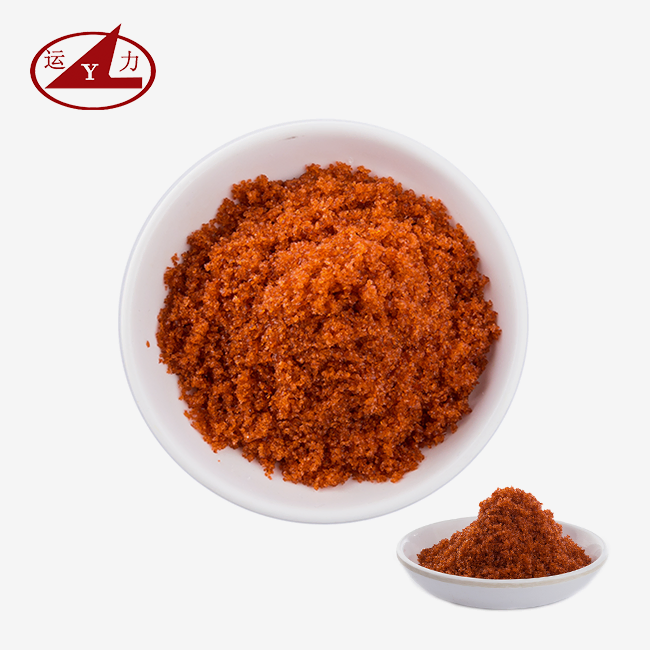
Aluminium nitrate nonahydrate (CAS# 7784-27-2, molecular formula Al(NO₃)₃·9H₂O, molecular weight 375.13 g/mol) is a white, odorless, hygroscopic crystalline salt widely used in catalyst manufacturing, textile dyeing, and specialty aluminium salt synthesis. Its purity grade and impurity profile — particularly iron and sodium content — directly determine its suitability for demanding industrial processes. Understanding the full specification picture helps procurement teams and technical engineers select the right product, avoid costly production failures, and build a dependable supply chain.
Understanding Aluminium Nitrate Nonahydrate – Core Specifications and Properties
Chemical Identity and Physical Form
The freezing point of Al(NO₃)₁·9H₂O is 73.9°C, and the crystals are white and spherical. At about 150°C, it breaks down, releasing nitrogen oxides and leaving behind aluminum oxide. This property makes it very useful for making porous gamma-alumina catalyst supports. At 25°C, it dissolves in 64 g/100 mL of water, which makes it possible to prepare high-concentration fuel for spray pyrolysis and sol-gel processes.
Solubility, Acidity, and Reactivity
This compound dissolves in water and has an acidic pH of 2.0 to 4.0 at a 5% concentration. It is a Class 5.1 oxidizing substance (UN 1438), which means it needs to be kept away from things that can catch fire and things that can reduce the amount of oxygen in the air. It doesn't mix as well with alcohols and ethylene glycol. Because it irritates the skin when it comes in contact with it, the right personal safety equipment must be worn when handling it.
Safety and Handling Considerations
This stuff is in Packing Group III according to standard safety data sheets (SDS). Workers must protect their eyes and wear gloves that can handle chemicals. To store things, you need to keep them in sealed, watertight containers in a cool, dry, well-ventilated space. Because it absorbs a lot of water and tends to clump, the consistency of the package is very important for keeping the quality of the product between shipping and use.
Purity and Grade Classifications: How They Impact Quality and Application
Industry-Standard Purity Benchmarks
For use as an industrial catalyst, the minimum purity level is ≥98.0%. Iron (Fe) content ≤30 ppm and sodium (Na) content ≤50 ppm are often given by high-end catalyst makers. This is because even very small amounts of pollution, measured in parts per million, can stop catalyst active sites from working. For electronic and pharmaceutical grades, the measurement must be at least 99.9% (4N grade), and heavy metals must be kept below 0.005%.
Grade Differentiation by Application
Different types of applications need different levels of quality. Catalyst-grade aluminium nitrate nonahydrate material focuses on low-iron and low-halide requirements so that nitrate breaks down completely into alumina without leaving behind sulfate or chloride residues that would harm catalysts. Instead of having very few trace metals, textile-mordant-grade material works on having a stable pH and being soluble. Material that is used as a reagent meets the standards for lab traceability set by certifications like ISO 9001 and relevant pharmacopeial references.
Testing Methods and Certifications
Reliable manufacturers check the purity using EDTA titration for testing, ICP-MS or atomic absorption spectrometry for finding trace metals, and gravimetric analysis to see how much of the substance is not soluble in water (target: <0.05%). Before placing a bulk order, procurement teams should make sure they have Certificates of Analysis (COA), SDS documentation, and ISO 9001 certification. For shipments going to European markets, REACH compliance is also expected.
Aluminium Nitrate Nonahydrate vs. Competitor Aluminium Salts: Choosing the Right Compound
Comparison with Aluminium Sulfate
Aluminum sulfate is easier to find and cheaper, but when it breaks down at high temperatures, it leaves behind sulfate leftovers. When sulfur gets into catalysts during synthesis, it reduces their surface area and shortens their useful life. Al(NO₃)₃·9H₂O breaks down easily into pure alumina, which makes it the best preparation for making alumina supports with no residues. The higher price is worth it because the catalyst processes last longer and regenerates less often.
Comparison with Aluminium Chloride
In Friedel-Crafts reactions, aluminum chloride is a strong Lewis acid that is used. However, chloride ions damage stainless steel process equipment and kill many heterogeneous catalysts. Aluminum nitrate nonahydrate is a clean, halide-free option that can be used as a catalyst precursor or to color textiles when halogen contamination is not acceptable. Also, its water-based solution is safer to work with on a large scale than its dry form, aluminum chloride.
Application-Driven Selection Criteria
When choosing the right aluminum compound for your process, you should think about three things: the results of heat breakdown, how well it dissolves at the process temperature, and how well it handles impurities further down the line. Al(NO₃)₃·9H₂O always does better than sulfate and chloride salts in all three ways when it comes to petrochemical hydrodesulfurization catalyst support production. Aluminum sulfate is still a cheap way to treat water in general, where managing waste is not as important.
Procurement Guide: Sourcing Aluminium Nitrate Nonahydrate with Confidence
Evaluating Supplier Credentials
A good company that makes aluminium nitrate nonahydrate should at least have ISO 9001, ISO 14001, and OHSAS certifications. Buyers should ask for COAs that are specific to a batch and find out what kinds of analytical instruments the supplier has, especially ICP-MS equipment for checking trace metals. Suppliers with their own provincial or national technology centers can do more research and development, which means that their products will always work well.
It is standard for qualified bulk procurement to have the following documents:
- Certificate of Analysis (COA): Batch-specific assay, Fe content, Na content, pH, and water insolubles data.
- Safety Data Sheet (SDS): UN 1438, Class 5.1 classification with storage and transport instructions.
- Origin Certificate: Required for customs clearance and duty calculation in most markets.
- ISO 9001 Quality Certificate: Verifies the supplier's production and quality management system.
Getting these documents together before placing a test order greatly lowers the risk in the supply chain and gives your technical team the information they need to approve the material ahead of time.

Sampling and Trial Order Strategy
Most sellers who are technically sound will give you free samples of up to 500 g to test in the lab before you commit to large orders. For a first purchase, the typical process takes two to four months, including small-scale testing in the lab, validation on a pilot scale, quality audit, and price negotiations. Before signing annual framework agreements, production teams can use trial orders of 1–5 metric tons to make sure that batches are stable.
Packaging, Logistics, and Regulatory Compliance
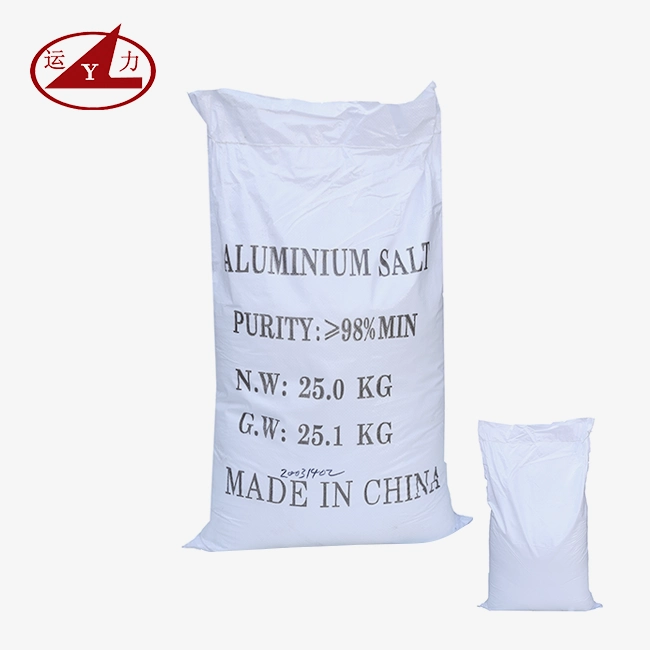
Standard packing choices include bulk bins that hold 1,000 kg and PE-lined bags that hold 25 kg. When shipping a lot of liquid concentrates (40–60% water solutions), ISO tanks are often used. Due to its classification as a Class 5.1 oxidizer, this substance needs to be properly labeled according to UN 1438, kept separate from biological goods, and shipped in accordance with either IMDG or ADR rules.
Ensuring Quality and Compliance: Best Practices for Use and Storage
Storage Conditions to Prevent Degradation
Because aluminium nitrate nonahydrate melts easily, it must be kept in sealed, moisture-proof cases. The temperature in the building should stay below 30°C, and the relative humidity should stay below 60%. Avoid being close to things that can catch fire, acids, or reducing agents. If these conditions aren't met, caking, partial hydrolysis, and test degradation will happen. All of these problems will cause stoichiometric mistakes in the production of the catalyst further down the line.
Handling Protocols Derived from SDS Guidelines
Before handling for the first time, workers should look at the SDS. If you touch it on your skin, it will itch, and breathing in dust or breakdown gasses (NOₓ) above 150°C could hurt your lungs. Exhaust scrubbers are needed to control nitrogen oxide pollution in places that process this material at high temperatures. As a reaction to a spill, sodium bicarbonate must be used to neutralize the acid and the trash must be thrown away according to local rules for hazardous waste.
Long-Term Quality Monitoring and Supplier Management
Consistency from batch to batch is just as important as initial approval. Incoming inspection procedures should be set up by procurement teams. At the very least, each shipping lot should have its assay and Fe content checked. Specification drift is less likely to happen if you keep an approved supplier list and do re-qualification audits every 12 to 24 months. When you give suppliers detailed information about the impurity standards, signing secrecy agreements saves your secret catalyst formulations.
Conclusion
To choose the correct type of aluminium nitrate nonahydrate, you need to pay attention to the purity test, the amount of minor metals, how the material breaks down at high temperatures, and the supplier's paperwork. Fe levels below 30 parts per million are a technical requirement for making catalysts, not a choice.
Carefully choosing suppliers, inspecting goods carefully when they come in, and following the right storage rules all work together to protect both product quality and production continuity. The total cost of ownership and procurement risk are lower when you work with a manufacturer that offers free samples, full certification documentation, and customized specifications.
FAQ
What purity grade should I specify for catalyst precursor applications?
As a minimum, ≥98.0% assay with Fe ≤ 30 ppm and Na ≤ 50 ppm should be met for petrochemical and coal-chemical catalyst supports. Some high-end hydrodesulfurization catalysts need Fe levels of 10 parts per million or less, which means they need a premium 4N-grade product that has been checked by ICP-MS.
How is aluminium nitrate nonahydrate different from the anhydrous form?
It has a low melting point of 73.9°C and a molecular weight of 375.13 g/mol because it has nine water molecules in each formula unit. The anhydrous form absorbs water and stays less solid when stored. The nonahydrate is better for most industrial uses because it dissolves more reliably and is safer to work with.
Why does iron content matter so much in this compound?
In systems with alumina as a base, iron impurities work as catalyst poisons. Even at 50–100 ppm levels, iron can make catalysts less effective and change the color of alumina powders. When iron is used too much for cloth mordanting, it makes stained fabric look off-tone. The standard in the business for reliable operation is to keep Fe levels below 30 ppm.
Is supplier certification mandatory for bulk purchasing?
Yes. For responsible bulk procurement, you need at least ISO 9001 certification, a valid COA per batch, and SDS documentation. For shipments going into the EU, you also need to show proof that you follow REACH rules.
Partner with Yunli Chemical for Precision-Grade Aluminium Nitrate Nonahydrate
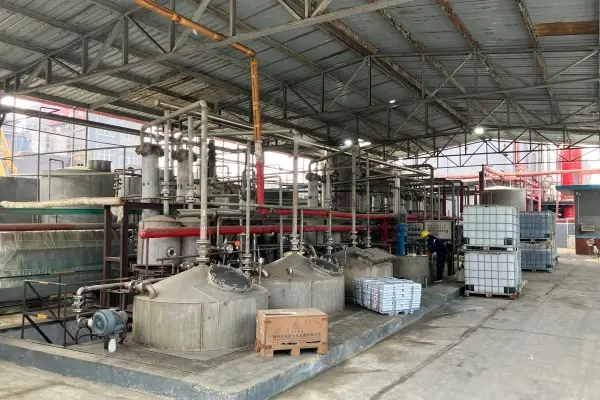
Yunli Chemical has been selling aluminum nitrate nonahydrate to businesses in Asia, Europe, and other places for more than 20 years. As a straight producer and not a trading middleman, we have full control over the whole production process, from choosing the raw materials to making sure they are safe with ICP-MS.
Our standard grade has an iron level of 30 parts per million or less. If you need a custom low-iron grade, you can ask for one and get free 500-gram samples within 48 hours. You can get a price quote, specification sheet, or COA right now by going to yunlichemical.com or emailing wangjuan202301@outlook.com.
References
1. Satterfield, C. N. Heterogeneous Catalysis in Industrial Practice. McGraw-Hill, 1991.
2. Kirk-Othmer Encyclopedia of Chemical Technology, "Aluminium Compounds." Wiley, 2005.
3. Levenspiel, O. Chemical Reaction Engineering, 3rd ed. Wiley, 1999.
4. Chinese National Standard GB/T 25575, Aluminium Nitrate for Industrial Use. Standardization Administration of China, 2010.
5. Richardson, J. T. Principles of Catalyst Development. Plenum Press, 1989.
6. Pinna, F. "Supported Metal Catalysts Preparation." Catalysis Today, Vol. 41, Issues 1–3, 1998.