


Calcium Nitrite 30% Solution Benefits for Long-Term Steel Safety
Calcium nitrite 30% solution (CAS# 13780-06-8, molecular formula Ca(NO₂)₂) is one of the most proven anodic corrosion inhibitors used in reinforced concrete today. By chemically forming a stable ferric oxide passive layer on embedded steel surfaces, it raises the chloride threshold needed to trigger corrosion — effectively extending structural service life by 50 years or more. For procurement managers sourcing rebar corrosion inhibitors, concrete admixture ingredients, or antifreeze agents for cold-weather construction, this product delivers measurable, long-term value that barrier coatings simply cannot match.
Understanding Calcium Nitrite 30% Solution and Its Role in Steel Safety
What It Is Chemically
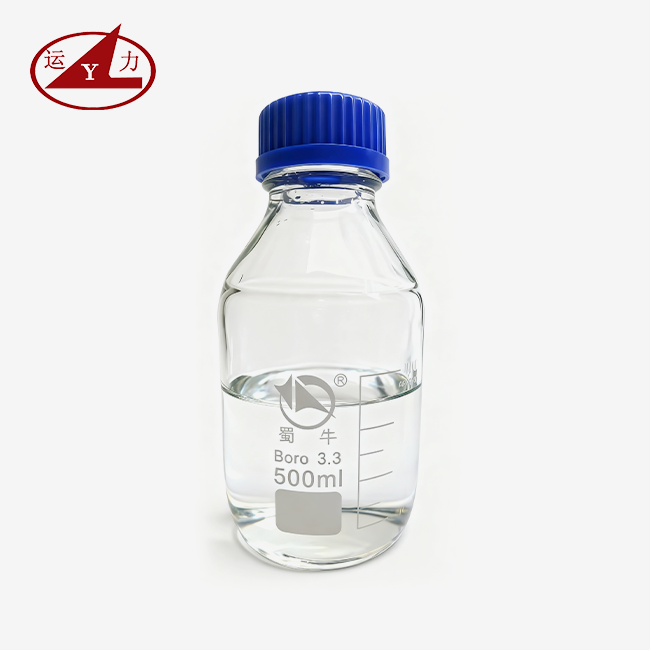
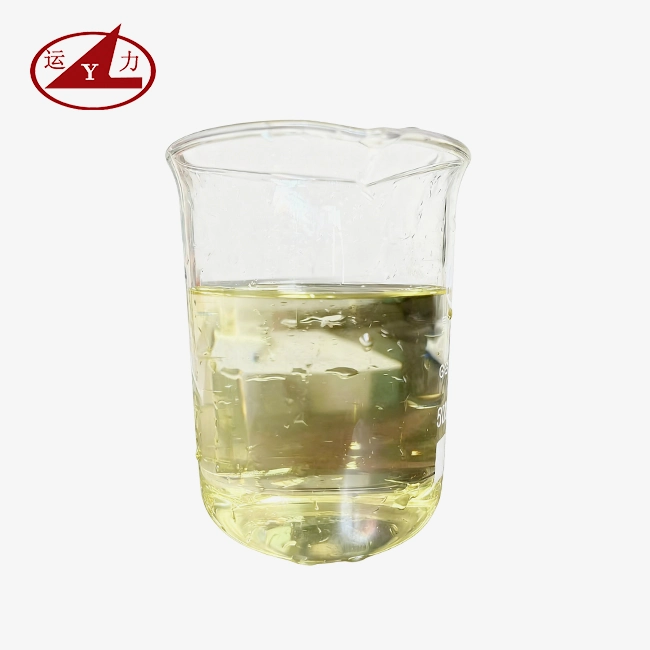
This is an aqueous solution that has a molecular weight of 132 and a specific gravity of 1.28–1.32 g/cm³. It has 30% ± 0.5% Ca(NO₂)₂ by weight. The pH is between 9.0 and 11.0, and the chloride level is kept to less than 0.1%. This is very important, as too much chloride would speed up the rusting you're trying to stop. The liquid has a clear to slightly yellow color and stays stable while being stored and used.
How It Protects Steel Inside Concrete
When nitrite ions move to the interface with the rebar, they react with ferrous ions to make ferric oxide (FeO), which forms a thin, passive film on the steel surface. This anodic inhibition process lowers the chloride-to-nitrite ratio barrier. This means that a lot more chloride ions have to build up before corrosion starts. A study in the journal Cement and Concrete Research confirms that adding the right amount of calcium nitrite to concrete can stop corrosion decades earlier than leaving the concrete alone.
Why Liquid Formulation Matters for Field Teams
The 30% solution doesn't need to be broken down on-site like dry calcium nitrite powder does. Technicians on the job site can dose it right into the mixing water, which saves time and gets rid of a common source of concentration error. Because the content stays at 30%, each liter gives you a steady amount of active nitrite. Your quality engineer won't have to guess from batch to batch.
Comparing Calcium Nitrite 30% Solution with Other Corrosion Inhibitors
Calcium Nitrite vs. Calcium Nitrate
Calcite nitrate is mostly used to speed up the setting process and stop frostbite. It does not really stop chlorine attacks from causing anodic rusting. If you specify calcium nitrate instead of calcium nitrite 30% solution in salty sea or de-icing environments, the steel that is embedded is not protected. Astm C1582 tests specifically for additives that stop corrosion. This product meets this standard, but calcium nitrate is not listed as a corrosion inhibitor in this standard.
Calcium Nitrite vs. Sodium Nitrite
Sodium nitrite has an alkaline charge that makes the sodium equivalent (Na₂O eq) in the concrete pore solution higher. This makes it more likely for structures made of alkali-silica reactive (ASR) clusters to crack over time. Calcium nitrite is made of calcium and doesn't add any acidity to the system. This makes it the safer choice for a wider range of material sources and project needs.
Calcium Nitrite vs. Calcium Chloride
Calcium chloride speeds up the setting process, but it is not allowed at all in reinforced concrete according to ACI 318. This is because chloride ions attack the passive oxide film on steel directly. Calcium nitrite develops early strength similar to chloride boosters (ASTM C494 Type C behavior) without adding any chloride ions. This makes it the only additive that speeds up setting and stops rust at the same time.
Applications and Use Cases in Concrete and Steel Protection
Marine, Bridge, and Tunnel Infrastructure
Chloride gets into tidal splash zones and coastal bridge decks quickly and continuously. Based on the amount of chloride that is expected to be present, the standard dosage rate is between 10 and 30 liters per cubic meter of concrete. Large infrastructure projects in Japan (where Yunli Chemical has produced on time) and seaside building projects all over the Middle East depend on this concentration range to last for 100 years as planned.
Cold-Weather Concreting and Precast Production
The solution works as an antifreeze that doesn't contain salt, so concrete can be poured in temperatures as low as -10°C. Nitrite ions speed up the hydration process and increase the early compressive strength. This lets precast manufacturers turn molds faster without adding harmful chlorides. To contractors with tight project schedules in northern climates, this two-in-one action—antifreeze and early strength gain—saves real time.
Industrial Cleaning and Lubricant Processing
Ca(NO₂)₂ solution, namely calcium nitrite 30% solution, is also used in heavy oil washing, emulsifying lubricants, and chemical processing where nitrite content needs to be controlled. It is a versatile chemical agent that is used by procurement teams in industrial repair operations. This lets multiple departments get their supplies from a single, qualified source.
Procurement Guide for Calcium Nitrite 30% Solution
Supplier Qualification Checklist
It's not enough to just compare prices per ton to find the right calcium nitrite 30% solution provider. Before making a large order, every procurement manager should make sure of the following:
- Active nitrite assay (titration): Confirm 29%–31% range with Certificate of Analysis from each production batch.
- Chloride ion content: Must be ≤0.1% (or stricter at <0.05% for high-spec projects) to avoid internal corrosion catalysis.
- ASTM C1582 compliance: Request third-party test reports, not just supplier-issued documents.
- Hazardous materials transport credentials: Calcium nitrite is classified as an oxidizer; verify the supplier holds valid dangerous goods shipping qualifications for both domestic and international routes.
- ISO 9001 certification: Confirms documented quality management system and production consistency.
These factors together tell you if your supply chain can stand up to the scrutiny of project owners, inspectors, and insurance companies.
Logistics and Bulk Order Planning
During the building season, hundreds of metric tons are often needed for big infrastructure projects. Assuring suppliers of their production capacity before awarding a contract keeps projects from falling short in the middle. Yunli Chemical keeps its production capacity at a good level and its supply capability stable. Its self-operated export business also keeps markups from middlemen out of foreign orders. Labels and packaging can be changed to fit the needs of the user, and products with concentrations other than 30% can be ordered.
Storage and Handling at the Job Site
Store the liquid in tanks made of polyethylene or stainless steel, away from organic materials and things that can react with the liquid. To keep the solution from crystallizing, it should be kept above -15°C. If the liquid freezes, it can be pumped back through the system to make it homogeneous again without breaking down. Always follow the instructions on the SDS: when handling, wear the right PPE, like gloves that can handle chemicals and eye protection.
Ensuring Long-Term Steel Safety: Maintenance and Monitoring Tips
Periodic Concrete Testing
Even if calcium nitrite 30% solution, an inhibitor, is properly dosed, it is still important to keep an eye on it on a regular basis. Half-cell potential studies (ASTM C876) and resistivity readings can show if there is corrosion in the rebar zone early on. Set up regular times for these tests to happen, like every three to five years for marine structures, so that decisions about when to intervene are based on facts and not guesses.
Complementary Protection Strategies
It is best to use calcium nitrite as part of a multi-layered defense system. When mixed with low water-to-cement ratios, silica fume or fly ash additions, and good curing methods, it makes concrete much less permeable. These SCMs slow the movement of chlorides, and the nitrite protects steel from any chlorides that get to it. Putting a waterproof membrane or penetrating sealer on areas that are open to the elements is a cheap way to add another physical protection.
Documentation and Site Engineer Training
The CoA, dosage amount, and mix batch number of each batch of calcium nitrite solution used on a project should be written down. This paper trail backs up warranty claims, makes checks easier, and lets engineers connect doses to long-term performance data. It only takes a day to teach site workers the right way to dose and basic SDS information, which keeps them from making the costly mistakes that happen when admixtures are added without proper control.
Conclusion
Calcium nitrite 30% solution (CAS# 13780-06-8) saves steel reinforcement in a way that chloride-based or barrier options can't: it does this through a proven anodic inhibition mechanism. It stops corrosion and speeds up the setting process, and it has a low impurity level, which makes it the best choice for bridges, tunnels, naval buildings, and precast production.
When combined with the right dosage, choosing a qualified provider, and regular structural tracking, it extends the service life of infrastructure in a way that can be measured. This product lowers long-term risk for a small portion of the total cost of concrete for buying teams that have to balance quality, schedule, and safety needs.
FAQ
How does calcium nitrite 30% solution differ from calcium nitrate?
Calcium nitrate accelerates setting and provides antifreeze protection but does not inhibit chloride-induced corrosion. Calcium nitrite offers anodic corrosion inhibition verified under ASTM C1582, making it the required choice for any structure exposed to chloride sources such as seawater or de-icing salts.
What is the recommended dosage for severe chloride environments?
Dosage typically ranges from 10 to 30 liters per cubic meter. A structural engineer should calculate the chloride-to-nitrite ratio for the specific exposure condition, targeting a protective ratio of 0.90 or higher based on anticipated chloride ingress.
Does this solution affect concrete workability?
Yes, as a set accelerator it may reduce slump retention. Pairing it with a retarding superplasticizer maintains workability during placement while preserving the early-strength benefit once setting begins.
Is the product compatible with supplementary cementitious materials?
It works well alongside silica fume, fly ash, and slag. Add each admixture separately to prevent gelling reactions. The combination of reduced permeability from SCMs and corrosion inhibition from nitrite provides the strongest overall protection.
What is the shelf life?
Shelf life is 12 months when stored correctly in approved tanks above -15°C, away from heat and incompatible materials.
Partner with Yunli Chemical for Your Calcium Nitrite 30% Solution Supply
Since 2005, Yunli Chemical has sold calcium nitrite 30% solution directly to building projects in Asia and around the world, making over RMB 1 billion a year. The company is certified by ISO 9001, ISO 14001, and OHSAS. There are no middlemen, no minimum orders, and you can get free samples of up to 500 grams. You can email our expert team at wangjuan202301@outlook.com or go to yunlichemical.com right now to ask for details and bulk prices.

References
1. Berke, N. S., & Hicks, M. C. (1992). Corrosion inhibitors in concrete — calcium nitrite performance. Cement and Concrete Composites.
2. ASTM International. (2020). ASTM C1582/C1582M: Standard Specification for Admixtures to Inhibit Chloride-Induced Corrosion of Reinforcing Steel in Concrete. ASTM International.
3. ACI Committee 222. (2019). ACI 222R-19: Guide to Protection of Metals in Concrete Against Corrosion. American Concrete Institute.
4. Hansson, C. M., Poursaee, A., & Laurent, A. (2006). Macrocell and microcell corrosion of steel in ordinary Portland cement and high performance concretes. Cement and Concrete Research, 36(11), 2098–2102.
5. Treadaway, K. W. J., Cox, R. N., & Brown, B. L. (1989). Durability of corrosion resisting steels in concrete. Proceedings of the Institution of Civil Engineers, 86(2), 305–331.
6. Neville, A. M. (2011). Properties of Concrete (5th ed.). Pearson Education.