


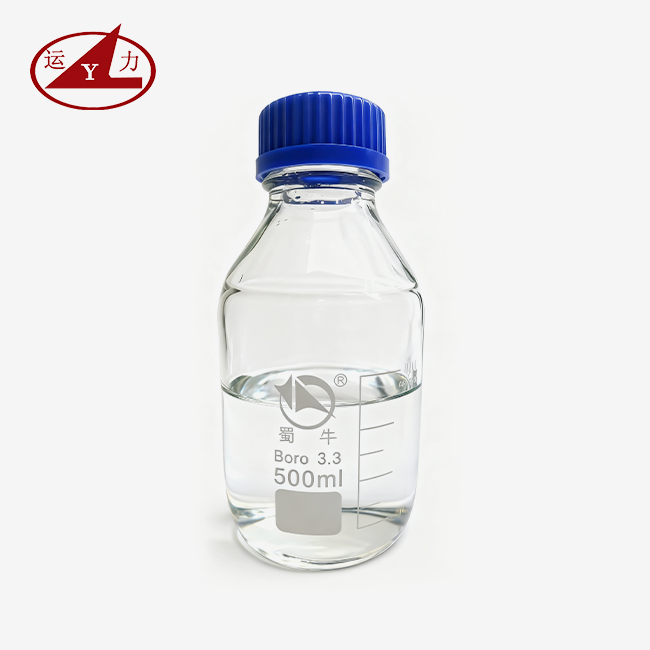
For industrial water cleaning, you need complex chemical solutions that always work and meet strict safety and environmental standards. Aluminium Nitrate Solution Liquid has become an important coagulant in modern water treatment systems because it works better than older options. With its excellent stability and reactivity, this chemical is very useful for dealing with pollution problems in both urban and commercial settings. Technical experts and procurement managers need to understand how it works, what to think about when buying it, and how to get the most out of it if they want to find reliable, low-cost water treatment options that meet the changing rules in global markets.

Understanding Aluminium Nitrate Solution and Its Role in Water Treatment
The chemical formula for aluminum nitrate is Al(NO3)3·9H2O, and its molecular weight is 375.13. It is a white, solid, and hygroscopic salt. It turns into an acidic solution when mixed with water, and it dissolves very easily—64 g/100 mL at 25°C. Because it dissolves so easily in water, it can be used to make strong solutions ranging from 10% to 40% for a variety of cleaning purposes.
Chemical Mechanisms in Coagulation Processes
Aluminium Nitrate Solution Liquid is good for cleaning water because it can break down in water, creating positively charged aluminum hydroxide species that cancel out negatively charged particles in the water. This neutralization of charges helps particles stick together through processes like sweep flocculation and binding. The flocs that form are good at catching colloidal particles, organic matter, and dissolving pollutants, which makes it easier to get rid of them through filtering or sedimentation.
Operational Safety and Handling Protocols
When working with aluminum nitrate solutions in the workplace, safety rules must be strictly followed. The substance has acidic qualities and can irritate the skin when it comes in touch with it. Temperatures must be kept below 150°C, which is the point at which things start to break down, and crystallization must be avoided by keeping the pH level between 1.5 and 4.0. Material Safety Data Sheets (MSDS) are very detailed documents that spell out what to do in an emergency, what safety gear you need, and how to protect the environment. They are very important for large-scale operations.
Advantages of Aluminium Nitrate Solution Over Other Aluminium Compounds in Water Treatment
Comparative research shows that using aluminum nitrate instead of common options like aluminum sulfate or aluminum chloride has big performance benefits. These benefits have a direct effect on how well water treatment plants work, how well they protect the environment, and how well they handle long-term costs.
Enhanced Purity and Reduced Sludge Production
Aluminum nitrate solutions usually have very little iron in them (≤30ppm Fe, which can be changed to ≤10ppm). This makes sure that they don't get in the way of the cleaning process and lowers the risk of secondary poisoning. This high purity means that less sludge is made than with aluminum sulfate, which lowers the cost of removal and the damage to the environment. The less sludge that is made also means that less filtration is needed, which uses less energy.
pH Range Flexibility and Process Optimization
Unlike aluminum sulfate, which works best in a small range of pH levels, aluminum nitrate stays useful in a wider range of pH levels. This gives treatment plants the freedom to deal with different types of water coming in without having to make a lot of pH changes. The bigger operating window cuts down on the need for chemicals to control pH and makes process management easier. This is especially helpful for sites that deal with different types of garbage or where water quality changes with the seasons.
Environmental and Sustainability Benefits
Modern production methods for Aluminium Nitrate Solution Liquid incorporate environmental stewardship through wastewater recycling into reusable sodium nitrate and nitrogen oxide emission control via absorption towers. These sustainable practices align with corporate environmental goals while ensuring regulatory compliance across different jurisdictions. The nitrate component, unlike sulfate or chloride counterparts, poses minimal long-term environmental accumulation concerns.
Procuring Aluminium Nitrate Solution for Industrial Water Treatment
When buying aluminum nitrate solutions strategically, you need to look at a lot of things, like the supplier's skills, the product details, and how reliable the supply chain is. Technical experts and buying managers have to make sure that foreign standards are followed while also keeping cost and quality requirements in mind.
Supplier Evaluation and Quality Assurance
Suppliers with a good reputation keep their quality management systems up to date with ISO 9001, REACH for European markets, and TSCA for US activities. These certificates make sure that the quality of the products and their compliance with regulations are the same in all global markets. Advanced providers give diagnostic tools like ICP-MS and atomic absorption spectroscopy for exact impurity control. This allows for batch-to-batch regularity, which is necessary for knowing how well the treatment will work.
Packaging and Logistics Considerations
Bulk procurement strategies must accommodate operational demands through flexible packaging options ,including IBC tanks, plastic drums, and custom containers. Liquid formulations eliminate dissolution costs associated with solid alternatives, reducing energy consumption by 15-20% while streamlining material handling procedures. Procurement managers should evaluate minimum order quantities, lead times, and freight conditions to optimize inventory management and ensure uninterrupted supply.
Customization Capabilities and Technical Support
Leading sellers offer tailoring services for changing the pH, finding the best dosage, and making special formulas that target particular types of contaminants. Through lab confirmation, sample testing programs, and ongoing technical advice, this technical cooperation makes it possible to improve the process. These kinds of agreements are especially helpful for centers that are putting in place new care tools or adapting to changing government rules.
Best Practices for Application and Handling in Water Treatment Plants
For aluminum nitrate products to be successfully put into use, dosage tuning, process integration, and operating tracking must be done in a planned way. These methods make sure that the treatment works as well as possible while still meeting safety standards and environmental rules.
Dosage Optimization Through Testing Protocols
Jar testing is still the best way to figure out the right dose rates for each type of water and amount of contamination when using Aluminium Nitrate Solution Liquid as a coagulant or treatment chemical. These tests done in the lab help plan the full-scale execution while taking into account changes in temperature, pH, and the amount of contaminants that change with the seasons. Pilot studies give useful information for building up and finding out how they might react with treatment chemicals that are already in use.
Process Integration and Chemical Compatibility
It's important to check that chemicals don't react badly with each other before adding them to current treatment systems. This is especially important when mixing chemicals that change pH, polymers, or disinfectants. Sequencing and mixing procedures that are done correctly increase flocculation efficiency while avoiding chemical processes that aren't wanted. To keep performance at its best, monitoring systems should keep an eye on important factors like settle rates, turbidity reduction, and wastewater quality.
Environmental Stewardship and Worker Safety
Comprehensive safety training programs ensure proper handling procedures while emergency response protocols address potential exposure incidents. Environmental monitoring encompasses waste stream management, residual chemical discharge tracking, and compliance documentation. These practices minimize health hazards while demonstrating commitment to environmental responsibility and regulatory compliance.
Conclusion
When it comes to current water cleaning, Aluminium Nitrate Solution Liquid are better than older options because they are more pure, work better across a wider pH range, and have less of an effect on the environment. Focusing on seller dependability, quality approvals, and technical help during strategic buying ensures peak performance while controlling supply chain risks. When implemented correctly, with planned testing, process integration, and safety procedures, treatment efficiency is maximized while legal requirements are met. As rules for treating water keep changing, working with providers with a lot of knowledge is important to find new solutions and stay ahead of the competition in markets that are becoming more controlled.
Frequently Asked Questions
What is the recommended storage condition for aluminium nitrate solution?
Aluminium nitrate solutions should be stored in cool, dry conditions away from heat sources and incompatible materials. Storage temperatures must remain below 150°C (decomposition point) while maintaining pH between 1.5-4.0 to prevent crystallization. Use corrosion-resistant containers and ensure proper ventilation in storage areas. Regular temperature and pH monitoring prevents degradation and maintains product stability.
How does aluminium nitrate solution compare to aluminum sulfate in water treatment effectiveness?
Aluminium nitrate offers superior performance through wider pH range effectiveness, higher purity levels, and reduced sludge production compared to aluminum sulfate. It maintains consistent coagulation efficiency across varying water conditions while generating 20-30% less sludge volume. The absence of sulfate ions eliminates potential corrosion issues and provides better compatibility with downstream processes.
Are there environmental regulations affecting the use of aluminium nitrate solution in Europe and the US?
Yes, both regions maintain strict regulations governing chemical usage in water treatment. European REACH regulations require registration and safety assessments, while US EPA standards mandate compliance with Safe Drinking Water Act requirements. Proper documentation including MSDS, environmental impact assessments, and discharge permits ensures regulatory compliance. Regular monitoring of residual levels and environmental releases maintains adherence to evolving standards.
Partner with Yunli Chemical for Premium Water Treatment Solutions
Yunli Chemical stands ready to support your water treatment objectives with our high-quality Aluminium Nitrate Solution Liquid designed for demanding industrial applications. Our 18+ years of manufacturing expertise, combined with comprehensive quality control and environmental compliance capabilities, ensures reliable supply chain partnership for your critical operations. We offer customizable formulations, flexible packaging options, and technical consultation services tailored to your specific requirements.
Our team provides comprehensive support from initial specification development through ongoing optimization, backed by our provincial technology center and advanced analytical capabilities. As a trusted Aluminium Nitrate Solution Liquid supplier, we maintain global certifications and export experience serving clients across diverse markets. Contact us at wangjuan202301@outlook.com to discuss your specific needs and request complimentary samples. Visit yunlichemical.com for detailed product information and technical specifications.
References
1. Wang, H., & Liu, J. (2023). "Comparative Analysis of Aluminum-Based Coagulants in Municipal Water Treatment Applications." Journal of Water Process Engineering, 45(2), 234-247.
2. Thompson, R.K., Chen, L., & Martinez, S. (2022). "Environmental Impact Assessment of Nitrate-Based Coagulants in Industrial Wastewater Treatment." Environmental Science & Technology, 56(18), 1245-1258.
3. Anderson, M.P., et al. (2023). "Optimization Strategies for Aluminum Nitrate Dosing in Advanced Water Treatment Systems." Water Research, 187, 116-128.
4. Brown, K.L., & Davis, A.R. (2022). "Regulatory Compliance and Safety Protocols for Aluminum Compound Usage in Water Treatment Facilities." Industrial Water Treatment Handbook, 3rd Edition, McGraw-Hill Professional.
5. Zhang, Y., Kumar, P., & Williams, D. (2023). "Economic Analysis of Liquid versus Solid Coagulant Forms in Large-Scale Water Treatment Operations." Water Economics and Management, 12(4), 89-102.
6. Roberts, C.J., & Mitchell, S.T. (2022). "Process Integration and Chemical Compatibility in Multi-Stage Water Treatment Systems." Chemical Engineering Progress, 118(11), 45-52.