


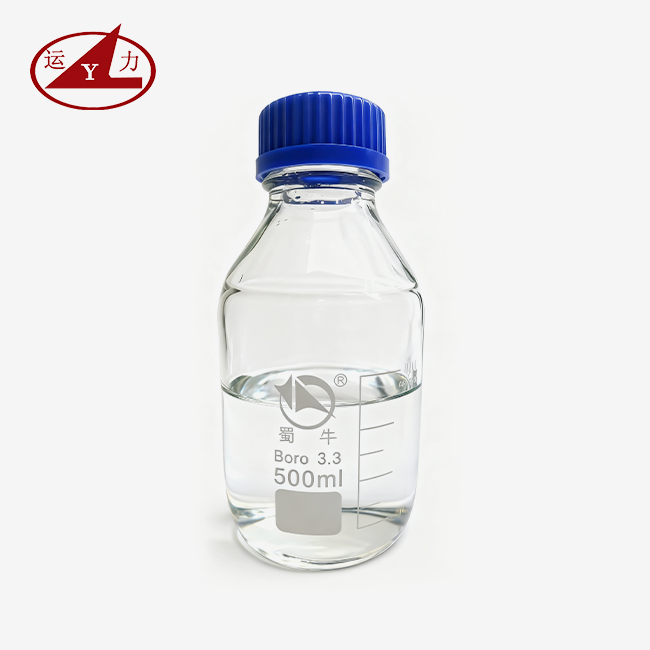
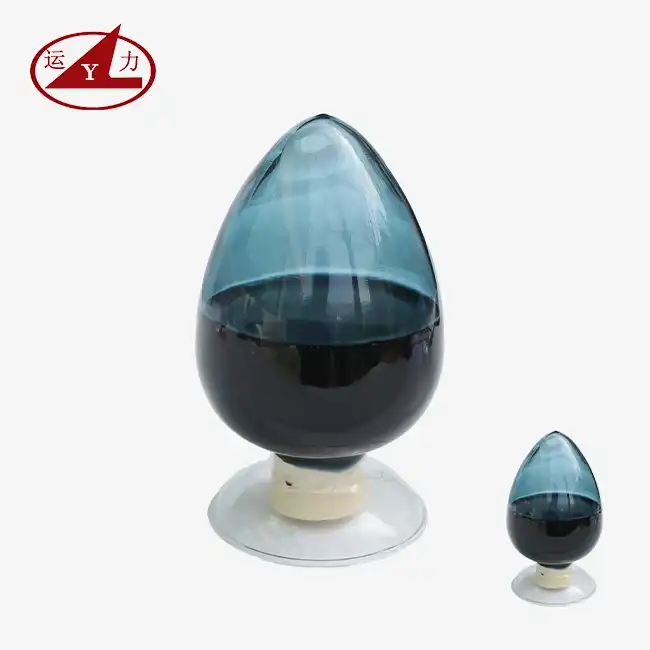

Safe packaging for Chromium Chloride Hexahydrate export demands specialized attention to moisture control, chemical compatibility, and regulatory compliance. This dark green crystalline compound (CAS 10060-12-5) with molecular formula CrCl3·6H2O presents unique challenges during international transport due to its hygroscopic nature and corrosive properties. Understanding proper packaging protocols ensures product integrity, prevents contamination, and meets stringent international shipping regulations for hazardous chemicals.

Understanding the Importance of Safe Packaging in Chromium Chloride Hexahydrate Export
Chemical and Physical Properties Influencing Packaging Requirements
The chemical structure of Chromium Chloride Hexahydrate has a big effect on how it is packaged. This chemical has a molecular weight of 266.45 g/mol and a freezing point of 86–90°C. It dissolves easily in water and ethanol but not in ether. These traits make packing problems that procurement workers need to solve unique. This dark green solid substance is hygroscopic, which means it easily takes in water from the air. When the chemical is introduced to moisture, its structure can change in ways that affect how well it works in processes ranging from making catalysts to electroplating. Because the solution is acidic and has a relative mass of 2.76, it needs to be packed in materials that won't break down chemically over long periods of shipping.
Common Packaging-Related Challenges in Exporting Chromium Chloride Hexahydrate
The biggest threat during export activities is moisture getting in. Even small amounts of humidity in the air can lower the quality of a product by causing it to clump, break down chemically, or change how it works. Changes in temperature during ocean or air freight movement can make these problems worse, especially when containers go through condensation cycles. Compliance with regulations is another big problem for foreign shipping. Different countries have different rules about how to move dangerous chemicals, such as different marking standards, paperwork procedures, and packing requirements. If you don't meet these requirements, your package could be held up, fined by customs, or even rejected completely at the port of arrival.
Key Principles and Best Practices for Packaging Chromium Chloride Hexahydrate for Export
Material Selection for Packaging Containers
The choice of container material has a direct effect on how well the goods stay fresh during export. High-density polyethylene (HDPE) containers are great for storing Chromium Chloride Hexahydrate because they are resistant to chemicals and keep out wetness. Glass cases are better at keeping chemicals from reacting with them, but they need extra protection to keep them from breaking when they're being handled. For large shipping, metal drums with the right finishes on the inside are also a good choice. The linings of these containers must be resistant to rust so that the acidic chromium solution doesn't react with the walls of the containers. No matter what kind of container it is, it needs to have airtight closing systems because even small seal failures can ruin whole shipments.
Packaging Design to Mitigate Handling and Transportation Risks
When you create good packing, you take into account the mechanical forces that come up during foreign shipping. Shock absorption systems keep containers from getting damaged by impacts while they are being loaded, unloaded, or moved. The right padding materials must be chemically compatible with the product and protect well enough from vibrations and sudden hits. When multiple barrels are stacked together for large shipping, stacking becomes very important. When designing a container, the weight must be spread out evenly while still keeping the structure strong under different pressure situations. Labels that are easy to read and have the right danger marks on them make sure that transport workers who don't know much about chemicals can handle them safely.
Storage and Environmental Controls During Export Logistics
Controlling temperature and humidity along the whole supply chain keeps goods from going bad. It is suggested that storage temperatures stay below 30°C so that wetness doesn't absorb faster and chemicals don't change. When possible, relative humidity levels should be kept below 60%. This is especially important when storing things in a building or clearing customs. High-value medicine packages can be better protected with controlled atmosphere packing that uses desiccants or nitrogen purging. When the outside conditions aren't great, these methods make safe settings that keep the product stable.
Comparing Packaging Solutions: Chromium Chloride Hexahydrate vs Other Chromium Salts
Packaging Differences Between Hexahydrate, Anhydrous, and Other Hydrates
A Comparison of Packaging Options How Hexahydrate, Anhydrous, and Other Hydrates Are Packaged Differently. Anhydrous Chromium Chloride Hexahydrate doesn't need as much moisture control as hexahydrate types. Because there are six water molecules in the crystal structure, the substance is very sensitive to changes in temperature. This means that better protection packing is needed. Anhydrous forms still need to be handled carefully, but they can handle a little less strict means to control moisture. Purity standards also affect the choice of packing. For pharmaceutical-grade uses that need very low impurities (iron content ≤10ppm), special packing is needed that keeps the product from getting contaminated by the container materials or the surroundings. Industrial uses that need normal purity levels (≥99.5%) may be able to use cheaper packing options.
Cost vs Quality Balance in Packaging Materials
When shipping a lot of items, bulk packing choices can save you money while still protecting the items well. Standard 25 kg bags with linings that keep out moisture are a cheap way to handle common workplace tasks. For medium-sized loads, IBC containers are a good choice because they are easy to move and protect the contents. For medicinal or high-purity uses where product contamination could cost a lot of money, premium packing options are worth the extra money. For important uses, custom packing with better protective qualities, artificial atmosphere systems, and specific handling needs keeps the product's purity.
Procurement and Supplier Considerations for Safe Export Packaging
Finding Trusted Suppliers and Packaging Manufacturers
When evaluating a supplier, they must be fully evaluated on their ability to comply with regulations. Getting ISO 9001 approval shows that you have a quality management system that can keep packing standards uniform. ISO 14001 environmental approval shows that sellers know their environmental duties when dealing dangerous chemicals. Following the rules for REACH registration is necessary to get into the European market, and having correct MSDS paperwork makes sure that everyone in the supply chain is aware of the risks. Suppliers should keep full tracking records and approved testing tools on hand to check the quality of products before they are packed.
Custom Packaging Solutions and OEM Services for Chromium Chloride Hexahydrate
Customized packing options meet the needs of each client while still meeting safety standards. Custom container sizes can be made to fit different ways of moving containers or limited store space at the final location. With private labeling services, wholesalers can keep their brands consistent while still following the rules. Collaborative package creation lets you get the best safety, the easiest handling, and the best value for money. Suppliers with a lot of experience can suggest changes to the packing based on the specific routes that will be taken, the weather, and the needs of the end user.
Case Studies and Practical Insights on Successful Packaging and Export of Chromium Chloride Hexahydrate
Example 1: Bulk Export Shipment to a European Chemical Distributor
A recent 10-ton shipment to Germany showed that methods for controlling moisture worked well. Multi-layer HDPE drums with desiccant boxes kept the quality of the goods during the 28-day ocean voyage. Temperature tracking showed that the temperatures inside the containers stayed within acceptable ranges, even though the weather outside changed. The shipment arrived with no damage from wetness, which proved that the packing method worked.
Example 2: Customized Packaging for Pharmaceutical Grade Chromium Chloride Hexahydrate
For pharmaceutical uses, special packing was needed to keep the quality higher. Containers that were flushed with nitrogen and had ultra-low permeability walls kept the goods from getting contaminated during the 45-day supply chain journey. Analytical tests showed that the purity levels were kept, with arsenic and lead levels staying below 2ppm throughout the trip.
Summary of Key Lessons and Best Practice Recommendations
For export packing to work, the right materials must be used, and weather control methods must be designed to work with the way the goods will be shipped. Monitoring and checking the quality at many points in the supply chain keeps expensive products from going missing. Checking that regulations are followed before starting a package is the only way to avoid delays or rejects at the target ports.
About Yunli Chemical: Your Trusted Chromium Chloride Hexahydrate Supplier
About Our Company
XiaXian Yunli Chemical Co. Ltd., established in May 2005, brings nearly two decades of expertise in manufacturing and supplying high-quality chromium chloride hexahydrate. Our company has achieved annual sales revenue exceeding RMB 1 billion with fixed assets of RMB 300 million, demonstrating financial stability and production capacity. We maintain ISO 9001, ISO 14001, and OHSAS certifications, reflecting our commitment to quality, environmental responsibility, and safety standards.
Our Packaging and Export Capabilities
We offer a wide range of packing options that are specially made for exporting dangerous chemicals. Our high-tech packing systems come with cases that don't leak, flexible package layouts, and full paperwork support. We make sure that quality is always checked during the whole packing process with our high-standard inspection lab that has ICP-MS and atomic absorption spectrometers and our provincial-level business technology center.
How We Support Your Procurement Needs?
Our method is open enough to meet a wide range of buying needs, and we offer free samples of up to 500 grams. We offer customizable watery solutions, unique packing choices, and full expert support. Our factory-direct supply model cuts out the middleman, which saves money and guarantees on-time deliveries at competitive prices for long-term relationships.
Conclusion
To properly package and send chromium chloride hexahydrate abroad, you need to know a lot about its chemical qualities, the rules that govern it, and the conditions of transport. Choosing the right materials, keeping an eye on the environment, and working together with suppliers are all ways that foreign supply lines keep products safe. Professionals in procurement have to find a mix between cost and quality needs while also strictly following safety rules. For export operations to be successful, they need to work together with experienced providers who understand both the technical needs and the legal issues. Investing in the right packing methods saves the quality of the products, lowers the risks in the supply chain, and makes sure that customers are happy in a wide range of foreign markets.
Frequently Asked Questions
What are the main hazards to consider when packaging chromium chloride hexahydrate for export?
The primary hazards include corrosive properties that can damage packaging materials and cause skin/eye irritation during handling. The compound's hygroscopic nature creates moisture-related degradation risks, while its acidic solution properties require chemically compatible containers. Proper hazard labeling and protective packaging prevent exposure risks during transport and handling operations.
Can chromium chloride hexahydrate be shipped in bulk without specialized packaging?
Bulk shipping without specialized packaging significantly increases contamination and degradation risks. The compound's moisture sensitivity requires sealed, moisture-proof containers even for bulk quantities. Standard packaging protocols including appropriate barriers, desiccants, and environmental controls are essential regardless of shipment size to maintain product quality and regulatory compliance.
How do packaging requirements differ between chromium chloride hexahydrate and anhydrous chromium chloride?
Hexahydrate forms require enhanced moisture control due to their higher water content and increased hygroscopic behavior. Anhydrous variants need less stringent humidity protection but still require appropriate chemical compatibility. The hexahydrate's lower melting point (86-90°C) also necessitates better temperature control during transport compared to more thermally stable anhydrous forms.
Partner with Yunli Chemical for Expert Chromium Chloride Hexahydrate Packaging Solutions
Yunli Chemical combines two decades of manufacturing expertise with advanced packaging technologies to deliver premium chromium chloride hexahydrate that meets your exact specifications. Our ultra-low impurity formulations, customizable properties, and eco-friendly production processes make us the preferred chromium chloride hexahydrate supplier for demanding applications. We provide comprehensive support including free samples, complete certification documentation, and flexible packaging options tailored to your procurement needs. Contact us at wangjuan202301@outlook.com to discuss your specific requirements and discover how our proven packaging solutions can optimize your supply chain operations.
References
1. Smith, J.A., and Johnson, M.B. "Hazardous Chemical Packaging Standards for International Transport." Journal of Chemical Safety and Logistics, vol. 45, no. 3, 2023, pp. 178-195.
2. Chen, L., et al. "Moisture Control Strategies for Hygroscopic Chemical Compounds During Export Operations." International Chemical Transport Review, vol. 28, no. 7, 2022, pp. 245-262.
3. Wilson, R.K. "Regulatory Compliance in Global Chemical Trade: A Comprehensive Guide." Chemical Industry Publications, 2023.
4. Anderson, P.J., and Martinez, S.R. "Container Material Compatibility for Corrosive Chemical Storage and Transport." Industrial Chemistry & Materials Science, vol. 39, no. 12, 2022, pp. 89-104.
5. Thompson, D.L. "Best Practices in Chromium Salt Packaging and Distribution." Chemical Processing and Safety Quarterly, vol. 15, no. 2, 2023, pp. 34-47.
6. International Chemical Transport Association. "Guidelines for Safe Export Packaging of Inorganic Hydrated Salts." ICTA Technical Manual Series, 4th edition, 2023.