





Aluminium Nitrate Solution Packaging and Transport Guide
Aluminium Nitrate Solution Liquid packing and shipping are very complicated. To make sure the product is safe, regulations are followed, and the supply chain works well, you need to know a lot about them. This detailed guide covers all the important things that industrial workers need to think about when looking for reliable aluminum nitrate solutions, such as the right containment materials and the rules for sending goods across foreign borders. By knowing these basics, you can protect your investment and keep the best safety standards throughout the whole logistics process.
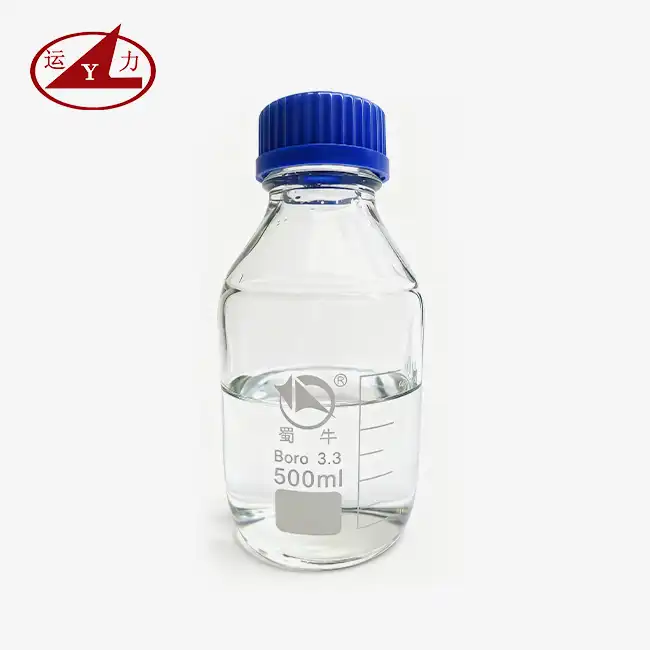
Understanding Aluminium Nitrate Solution and Its Packaging Requirements
The unique chemical makeup of aluminum nitrate nonahydrate (CAS# 7784-27-2) with the molecular formula Al(NO3)3·9H2O makes it hard to package in standard ways. When dissolved into a solution, this white crystalline hygroscopic salt has acidic and oxidizing qualities that directly affect the choice of container and how it should be handled.
Chemical Properties Affecting Packaging Selection
The molecular weight of 375.13 and certain physical qualities make the needs for packing materials very high. Since it melts at 73.9°F and breaks down at 150°F, it is important to keep the temperature stable while transporting it. Because the solution is acidic and easily dissolves in water (64 g/100 mL at 25°C), it needs to be stored in containers that won't break down chemically and won't get contaminated.
People who work in packaging need to be aware that aluminum nitrate is hygroscopic, which means it draws water from the air. Because of this, walls that don't let water in and good sealing systems are needed to keep the percentage from changing while the product is being stored or transported. Because of the oxidizing qualities, the materials used for the containers need to be carefully chosen to avoid chemical processes that aren't wanted.
Compatible Container Materials and Specifications
The best way to package aluminum nitrate solutions is in high-density polyethylene (HDPE) drums and intermediate bulk containers (IBCs). It is very hard for chemicals to damage these materials, and they keep their shape while being transported. Because HDPE doesn't mix with chemicals, neither the bottle nor the chemical solution can break down.
Specifications for containers must include the right wall thickness to handle changes in internal pressure and forces from treatment outside the container. Overpacked drums or spill boxes are examples of secondary containment methods that offer extra defense against accidental leaks. The right venting methods allow for thermal growth while keeping the air clean.
Labeling and Documentation Requirements
International labeling guidelines make sure that the product is safe to handle and gets permission from the right authorities. Material Safety Data Sheets (MSDS) give important information to people who work in transportation and to people who use the products. All packages must have symbols that show what the danger is, how to handle it, and emergency contact information that is easy to see.
A Certificate of Analysis (COA) is proof that the quality and pure levels of a product meet certain standards. Documentation about environmental security helps people in different places follow the rules. Labeling things correctly makes it easier to get them through customs and cuts down on delays in international shipping.
Best Practices for Transporting Aluminium Nitrate Solution Safely
International transport regulations specify how Aluminium Nitrate Solution Liquid can be shipped across borders and via different modes of transport. Due to its corrosive and oxidizing properties, this material is classified under specific hazardous goods categories, requiring strict adherence to safety protocols during shipment.
Regulatory Compliance Framework
The European Agreement concerning the International Carriage of Dangerous Goods by Road (ADR) and International Maritime Dangerous Goods (IMDG) codes set out strict rules for transporting dangerous goods. These rules include rules for packaging, car requirements, driving skills, and what to do in an emergency.
Declaring dangerous goods, transport emergency cards, and route planning are some of the documents that are needed. The right classification makes sure that the right handling methods and emergency reaction tools are always available along the shipping chain. Regulatory standards need to be checked for compliance all the time because they are always changing.
Temperature and Environmental Controls
Transport environment control stops damage to goods and avoids safety risks. Temperature tracking tools keep an eye on things the whole way, making sure the solution stays within certain limits. Controlling the humidity stops changes in concentration that happen when water evaporates or absorbs.
Specialized tools and trained workers are needed for loading and unloading. Using the right methods to secure containers stops them from moving during transport, which lowers the risk of spills. Neutralizing chemicals and personal safety equipment must always be easy to get to in case of an emergency.
Emergency Response Protocols
A thorough emergency reaction plan takes into account what could go wrong during travel. Training for employees includes how to control spills, give first aid, and know what to do in case of an emergency. Communication systems make it easy for transportation businesses, emergency services, and governmental officials to work together quickly.
Plan for what to do in case something goes wrong by including different routes and safe places to store things temporarily. Regular practice make sure that the emergency team is ready and show them where they can improve. Writing down emergency plans helps with following the rules and making improvements all the time.
Comparative Insights: Aluminium Nitrate Solution vs Other Aluminium Salts
Knowing the differences between the different aluminum salts helps people who work in buying make smart choices about how to package and ship goods. Aluminum nitrate is similar to aluminum sulfate and aluminum chloride in some ways, but there are also big changes that affect how it is shipped and how much it costs.
Corrosivity and Container Compatibility
Aluminum nitrate solution is more corrosive than aluminum sulfate solution, so it needs stronger filtration solutions. Because nitrate compounds oxidize, there are extra worries about how well they will work with some packing materials. These things often require high-end container requirements and may limit the types of packing that can be used.
Different problems come up with aluminum chloride solutions, such as higher gas pressure and the chance that they will absorb water from the air. When choosing a container, these different chemical responses must be taken into account to make sure the safety of the product and that it stays intact. When moving between different kinds of aluminum salt, it is important to test the materials to make sure they are compatible.
Physical Property Implications
Aluminium nitrate nonahydrate differs from other aluminum salts in its hygroscopic behavior, which influences packaging and transport logistics. In contrast, Aluminium Nitrate Solution Liquid presents distinct handling characteristics: variations in density affect shipping costs and container utilization, while differences in viscosity impact pumping and handling requirements during loading and unloading operations.
Different aluminum salts are sensitive to temperature in different ways, so they need special weather controls while they are being shipped. How to store something and how long it will last depend on how likely it is to crystallize. The changes in these physical properties have a direct effect on the prices and processes of logistics.
Cost and Efficiency Considerations
Different kinds of aluminum salt have very different bulk shipping optimization methods because of different packaging needs and compatibility issues. Higher-grade container systems for aluminum nitrate solutions may cost more to ship each unit than options that are less likely to corrode. The better performance, on the other hand, usually makes the extra money worth it.
When thinking about volume economy, you should think about things like the maximum size and weight of containers for each type of travel. Standardizing the packaging for different types of aluminum salt can make inventory simpler and operations run more smoothly. Container lifecycle costs and removal should be part of a long-term cost study.
Procurement Guide: Sourcing and Buying Aluminium Nitrate Solution Liquid
Aluminium Nitrate Solution Liquid must be procured successfully, which necessitates careful consideration of the procedures, quality, and providers. Because this chemical is so specialized, it needs producers who have a track record of success in production, packing, and following all regulations.
Supplier Evaluation Criteria
Some of the things that are needed to get certified are ISO 9001 quality management systems, REACH compliance, and TSCA government approval. These licenses make sure that production methods are always the same and that rules are followed in all foreign markets. Being able to audit suppliers lets you check that manufacturing standards and quality control processes are being followed.
Annual income, asset base, and operational experience are all signs of financial stability. Established providers with decades of experience show that they can be relied on to keep providing goods. Technical skills include tools for research and development, the ability to analyze data, and services for customizing products.
Quality Assurance and Testing Protocols
Reliable performance across multiple packages is ensured by batch consistency standards. Ultra-low iron content standards (≤30ppm Fe, ranging from ≤10ppm) meet the strict purity needs of catalytic uses. Stable pH between 1.5 and 4.0 stops crystals and keeps the solution's structure.
Advanced analysis tools, like ICP-MS and atomic absorption spectroscopy, help with checking the quality and making custom specifications. Certificate of Analysis paperwork gives quality data and tracking details for each batch. Sample testing programs let you check the performance of a product before buying it in bulk.
Flexible Supply Solutions
Customization options for Aluminium Nitrate Solution Liquid include adjusting concentration or pH and selecting preferred packaging formats. Flexible minimum order quantities accommodate both small-scale research projects and large-scale industrial applications. Lead time optimization further supports just-in-time delivery schedules and effective inventory management strategies.
XiaXian Yunli Chemical is a good example of these skills because it has over 18 years of experience controlling impurities and making products that are good for the environment. Their ready-to-use mixtures cut down on energy and labor costs by 15-20% and get rid of the need for dissolving costs. Concentration choices between 10% and 40% give you options for a wide range of application needs.
Storage and Post-Transport Handling Guidelines
Following the right steps for keeping and handling helps keep the quality of the product high and the workplace safe after delivery. During storage, environmental controls, containment systems, and handling practices keep both people and the purity of the product safe.
Environmental Control Requirements
Controlling the temperature stops decay and keeps the solution stable. Controlling humidity lowers the amount of water absorbed by the air, which could change concentration levels. Ventilation systems keep the air quality in storage places by getting rid of any fumes.
The design of a storage area includes the right control systems to deal with any spills or leaks that might happen. The secondary storage capacity should be able to hold the biggest container's contents plus an extra 10% for safety. Access controls only let trained professionals with the right safety gear in.
Safe Handling Procedures
Wearing chemical-resistant gloves, eye protection, and the right breathing protection when working with concentrated liquids are all required pieces of personal protective equipment. Training programs make sure that employees know how to handle things properly and what to do in a situation. Maintenance and inspection plans for safety tools keep the equipment working well.
Part of the unpacking process is checking each container for damage or leaks before moving it. When moving containers, accidents can be avoided by using the right lifting methods and mechanical tools. During all handling activities, spill reaction gear is always close at hand.
Integration with Manufacturing Processes
Quality control steps make sure that the product meets the requirements before it is used in production. Protocols for sampling and testing make sure that each batch is consistent and works with other systems. Planning for process integration keeps activities running as smoothly as possible.
Inventories keep track of how often items are used, when they expire, and how often they need to be reordered. The rules for managing waste cover how to get rid of empty containers and any other leftover materials. For legal compliance and quality assurance reasons, documentation systems keep track of what is received, stored, and used.
Conclusion
For Aluminium Nitrate Solution Liquid to be properly packed and shipped, people must have a deep understanding of its chemical features, government rules, and the best ways to handle operations. Because this special chemical is acidic and oxidizing, it needs high-quality storage solutions and strict safety rules all along the supply chain.
Successful buying strategies stress evaluating suppliers based on their qualifications, quality skills, and ability to provide customization services. Because aluminum nitrate solutions are so special, they need to be made by companies with a lot of experience, like XiaXian Yunli Chemical, which has decades of experience and high-tech quality control systems.
The right way to store and handle things keeps the product safe and the workers safe, and it also makes it easier to incorporate into manufacturing processes. These detailed guidelines help buying professionals deal with the tricky details of aluminum nitrate solutions while staying in compliance and running their businesses efficiently.
FAQ
Q1: What packaging materials are suitable for Aluminium Nitrate Solution Liquid?
A: The best chemical protection and structural stability can be found in high-density polyethylene (HDPE) drums and intermediate bulk containers (IBCs). These materials don't break down easily when exposed to the acidic and oxidizing qualities of aluminum nitrate solutions. They also keep the integrity of containers while they are being moved and stored.
Q2: How do transport regulations affect aluminium nitrate solution shipping?
A: International rules, like the ADR and IMDG codes, say that aluminum nitrate solutions are dangerous substances that need special paperwork, storage requirements, and ways to be handled. Compliance makes sure that transport is legal, lowers the risk of responsibility, and speeds up the clearance of goods at foreign borders.
Q3: What quality specifications should buyers consider?
A: Important quality factors include iron levels (usually less than 30ppm), pH stability (between 1.5 and 4.0), and concentration accuracy. Batch uniformity, analytical approval, and the ability to make changes all support the needs of specific applications while making sure that performance is reliable across multiple orders.
Q4: How does aluminium nitrate solution compare to other aluminium salts for logistics?
A: Because they are more corrosive and burning than aluminum sulfate or chloride, aluminum nitrate solutions need stronger control. These features might make packing more expensive, but they make the product work better in catalytic and other specific situations.
Q5: What storage conditions maintain product quality?
A: Environments with controlled temperature and humidity environments prevent degradation and concentration changes. Safety and product quality are ensured by good airflow, additional containment, and entry controls. Quality assurance and legal compliance standards are met by regular monitoring and documentation.
Partner with Yunli Chemical for Premium Aluminium Nitrate Solution Liquid
With over 20 years of manufacturing excellence and a billion RMB in yearly income, Yunli Chemical is the only company you can trust to provide you with Aluminium Nitrate Solution Liquid. Our regional technology center and advanced testing tools make sure that the iron content is very low (≤30ppm Fe, which can be changed to ≤10ppm) and that the pH stability can be changed from 1.5 to 4.0 for the best performance.
Working with a well-known company that offers ready-to-use products that remove dissolution costs and cut energy and labor costs by 15–20% is a good idea. Our production methods are safe for the environment, we follow all the rules (ISO 9001, REACH, TSCA), and we can make changes to fit your needs, whether you need small batches for study or big volumes for industry. You can get free samples of up to 500 grams by emailing our technical team at wangjuan202301@outlook.com with your requirements.
References
1. International Maritime Organization. "International Maritime Dangerous Goods Code Guidelines for Aluminium Nitrate Transport." Maritime Safety Committee Documentation, 2023.
2. European Chemical Agency. "REACH Compliance Requirements for Aluminium Nitrate Solutions in Industrial Applications." Regulatory Framework Analysis, 2022.
3. American Chemical Society. "Packaging and Storage Standards for Corrosive Aluminium Salt Solutions." Industrial Chemistry Safety Guidelines, 2023.
4. Transportation Research Board. "Hazardous Materials Transport Regulations: Best Practices for Chemical Solution Logistics." National Academy Press, 2022.
5. International Organization for Standardization. "Quality Management Systems for Chemical Manufacturing: ISO 9001 Implementation in Aluminium Nitrate Production." Technical Standards Review, 2023.
6. Environmental Protection Agency. "Chemical Storage and Handling Guidelines for Aluminium Nitrate Solutions in Industrial Settings." Environmental Compliance Manual, 2022.







