


What Is Cobalt Nitrate Solution and Its Industrial Uses
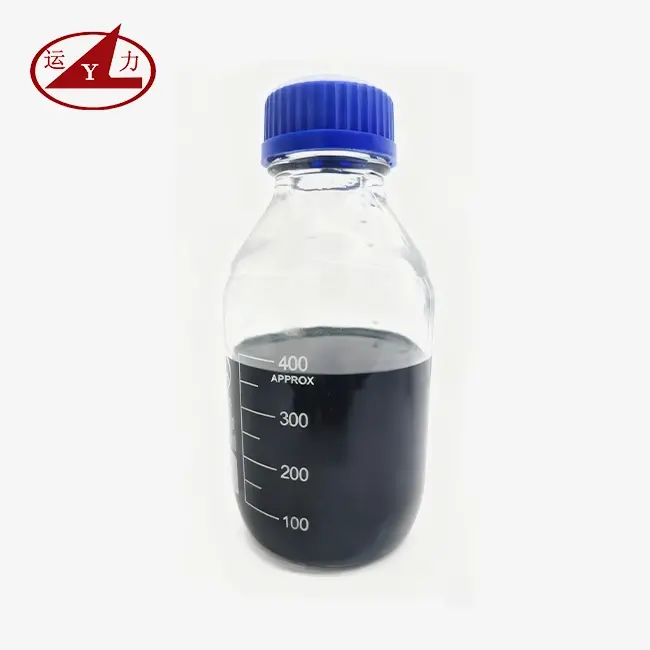
Cobalt Nitrate Solution is an important chemical product that comes from cobalt nitrate hexahydrate (Co(NO3)2·6H2O). It is used in many industries because it is very flexible and good at catalyzing reactions. This water-based solution always has between 40 and 50 percent cobalt in it, and it is an important raw material for etching, making batteries, making ceramics, and making specialty chemicals. Its unique mix of high solubility, reducing power, and stable chemical behavior makes it essential for uses that need to give cobalt precisely in liquid form.
Understanding Cobalt Nitrate Solution
Chemical Properties and Molecular Structure
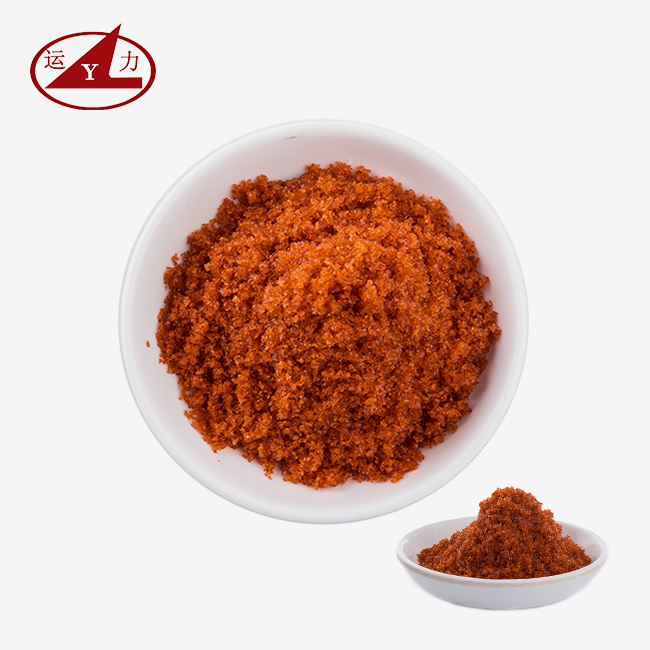
Industrial cobalt nitrate solutions are built on cobalt nitrate hexahydrate, which has the CAS number 10026-22-9. The chemical formula for Co(NO3)2·6H2O shows that it has a weight of 291.03 g/mol. The compound is found in nature as reddish-brown crystals that are very good at holding water. Additionally, the specific density hits 188, and the melting point is relatively low at 55–56°C, which makes the dissolution process easier in industrial settings.
The chemical has amazing solubility properties in a wide range of solvents. Complete breakdown is easy in water, ethanol, and acetone, which lets formulators use a variety of methods to meet the needs of different industries. Because of its unique solubility profile, manufacturers can make concentrated solutions that are perfect for particular applications and stay stable during storage and shipping.
Purity Grades and Quality Standards
To make sure uniform performance, modern industrial uses need strict purity requirements. High-quality cobalt nitrate solutions usually keep the amount of iron below 30ppm, the amount of sodium below 50ppm, and the amount of heavy metals like lead and cadmium below 10ppm. These requirements are especially important for catalyst synthesis, where small flaws can have a big effect on how well the reaction works and the quality of the result.
As part of quality control, the pH must stay between 3 and 5 and the concentration must not change more than 1% between production runs. During the whole production process, these factors are checked using high-tech analytical methods like ICP-MS spectroscopy and atomic absorption analysis. Such strict quality control measures make sure that procurement workers get goods that are exactly what they need for their jobs.
Safety Protocols and Handling Requirements
Because cobalt nitrate solutions oxidize, full safety precautions must be taken when storing and handling them. Contact with biological materials poses a high risk of fire and explosion, so they need to be stored in separate areas with good air. Exposure of workers through eating, inhalation, or skin touch can be harmful to their health, so they need to wear the right safety gear and know what to do in an emergency.
Storage sites must keep temperatures under control and keep wetness from building up, which could change the percentage of the Cobalt Nitrate Solution. International shipping rules must be followed, and UN-certified packing methods make sure of that. Correct labeling is also important for communicating hazards throughout the supply chain. These safety concerns have a direct effect on buying choices, especially when it comes to choosing a supplier and making plans for logistics.
Industrial Applications of Cobalt Nitrate Solution
Catalysis and Chemical Processing
The cobalt-based catalysts made from nitrate solutions work better in hydrogenation reactions, CO2 conversion processes, and the production of methanol. The liquid form is better than the solid form because it doesn't need to be dissolved, and it also cuts working time by about 20%. This level of productivity directly leads to lower costs for big chemical manufacturing plants.
Liquid cobalt nitrate solutions make it easier to prepare catalysts consistently compared to other cobalt compounds because they spread out evenly. Using these solutions in precipitation methods makes catalysts with a controlled range of particle sizes and the best surface area properties. This level of accuracy is very important for businesses that need the catalyst to work the same way during multiple production runs.
Battery and Energy Storage Technologies
Lithium-ion battery makers depend more and more on cobalt nitrate solutions to make cathode materials. The liquid form allows for precise stoichiometric control during the production of lithium cobalt oxide (LiCoO2). This leads to better electrochemical performance and longer battery life. This is one of the areas where the market for industrial cobalt nitrate products is growing the fastest.
Optimized cobalt absorption leads to higher energy densities, which is why high-purity nitrate solutions are better than other cobalt sources. Customizing the amount of cobalt and reducing the amount of impurities has a direct effect on battery performance measures, such as charge capacity, cycle stability, and temperature management.
Ceramics and Pigment Manufacturing
Cobalt nitrate solutions are used as building blocks to make bright blue and green pottery glazes that stay true to color and don't melt in hot temperatures. Adding cobalt salt in liquid form makes it easier to mix with other ceramic parts evenly, which isn't always possible with rigid forms. This uniformity is very important for high-end clay uses that need to match colors exactly and last a long time.
Controlled cobalt transport made possible by nitrate solutions is very helpful for pigment production. Its oxidizing qualities help make sure that pigment particles form consistently and that the color strength stays the same under different processing conditions. Because of these features, cobalt nitrate solutions are very useful for using as unique pigments in paints for cars, building finishes, and art supplies.
Comparing Cobalt Nitrate Solution with Alternative Cobalt Compounds
Chemical Behavior and Reactivity Differences
Different reactions happen in cobalt nitrate solutions compared to cobalt chloride and cobalt sulfate solutions. The nitrate anion can oxidize things that chloride and sulfate systems can't. This makes it possible for new reaction paths to be used in making catalysts and processing materials. This oxidizing property is especially useful for situations where controlled oxidation states are needed during product formation.
Different cobalt chemicals have very different solubility properties. For example, Cobalt Nitrate Solution dissolves more quickly and concentrates better than other solutions. Cobalt chloride is cheaper in some situations, but Cobalt Nitrate Solution is often worth the extra cost for demanding commercial uses because it is more reactive and easier to process.
Performance Comparison in Catalytic Applications
When you prepare a catalyst with cobalt nitrate solutions instead of chloride or sulfate precursors, you usually get materials with more surface area and better activity. Since chloride ions are not present, they can't harm sensitive catalytic systems, especially those that use hydrogenation processes. This benefit is especially clear when making medicinal intermediates and trying to keep small halide contamination to a minimum.
Cobalt nitrate decomposes very differently at high temperatures than other substances, leaving behind better catalyst surfaces with fewer impurities. This trait makes the catalyst last longer and makes its deactivation patterns more reliable, both of which are important for the economics of an industrial process and planning upkeep.
Cost-Effectiveness and Availability Considerations
Even though cobalt nitrate solutions cost more per unit than cobalt chloride options, nitrate systems often have a lower total cost of ownership because they are more efficient and make better products. In most industry settings, the original cost difference is balanced out by fewer working steps, higher yield rates, and better product performance.
Cobalt nitrate solutions are better for uses that need uniform quality and predictable delivery schedules because of how the supply chain works. Stable availability is ensured by established production capacity and global delivery networks. This lowers the buying risks that come with supply gaps or changes in quality that could affect production continuity.
Procuring Cobalt Nitrate Solution: What B2B Buyers Should Know
Supplier Evaluation and Certification Requirements
A successful buying process starts with a careful evaluation of the seller, focused on their production capacity, quality management systems, and compliance with regulations. ISO 9001 certification means that quality control processes have been set up, and ISO 14001 certification means that environmental management is a priority, which is necessary for supply chain activities to last. These licenses give people who work in buying faith in the skills and risk management practices of suppliers.
A review of technical competence should look at critical skills, the ability to make changes, and application support services. Suppliers who have advanced testing facilities like ICP-MS and atomic absorption spectrometry show that they have the right technology to consistently check the quality of their products, such as Cobalt Nitrate Solution. This analytical ability is especially useful when tight control of impurities is needed or when unique formulas are needed.
Pricing Models and Contract Structures
The price of cobalt nitrate solution is usually based on the cost of the raw materials, how hard the process is, and changes in market demand. Costs are usually stable with long-term supply deals, and buyers who buy a lot of goods can get better price terms. Often, these contracts have price adjustments that are linked to the price of cobalt metal. This makes sure that sellers and buyers share costs fairly when the market is unstable.
Volume-based price levels give buyers who buy more lower unit costs and give sellers peace of mind when planning production. Minimum order amounts vary from supplier to supplier, but they tend to go down as a customer becomes a regular and orders more from that seller. These pricing systems let procurement pros find the best ways to buy things based on predictions of usage and goals for managing inventory.
Logistics and Documentation Requirements
Regulatory compliance paperwork is an important thing to think about when buying something, especially for foreign packages that go through more than one country. Full MSDS files, certificates of analysis (COA), and environmental compliance certificates make sure that the customs processing and regulatory approval processes go smoothly. Suppliers who keep their licenses up to date under programs like REACH (EU), TSCA (US), and others show that they are committed to following the rules and keeping their market access open.
Specifications for packaging must strike a mix between protecting the product, making sure it is safe to handle, and lowering costs. UN-certified containers make sure that transportation rules are followed, and different sizes of packing can be made to fit different ways of using things and storing them. Flexibility in delivery schedules, such as faster shipping choices for urgent needs, adds value for time-sensitive apps or just-in-time inventory management methods.
Conclusion
Cobalt Nitrate Solution is an important chemical product that is used in many different industries. It has special benefits in catalysis, making batteries, ceramics, and other specialty chemical uses. Because it dissolves more easily, reacts less, and can have different levels of purity, it is the best choice for demanding uses that need exact cobalt delivery and consistent performance. Procurement professionals can make choices that are both cost-effective and efficient by understanding the basic properties, safety standards, and benefits that are specific to the application. Careful consideration of a supplier's skills, pricing policies, and ability to follow rules leads to long-lasting relationships that help industrial processes run smoothly.
FAQ
What safety precautions are necessary when handling cobalt nitrate solutions?
Chemical-resistant gloves, safety masks, and lung protection are some of the personal protective equipment that can keep you from getting exposed through skin contact or breathing it in. Due to the compound's burning nature, storage areas must keep it separate from biological materials and flammable substances. When there is an emergency, the right thing to do is to flush the area with water right away for skin contact and get medical help right away for any possible ingestion or major exposure events.
How do I determine the optimal concentration for my catalytic applications?
To find the best mix between activity and selectivity, catalyst performance improvement usually needs to be done on a lab scale with different amounts of cobalt. Starting amounts of 5 to 15% cobalt content are a good starting point for most uses. These can be changed depending on the reaction needs and cost concerns. With application-specific advice and past performance data, technical help from experienced providers can speed up this optimization process.
What distinguishes cobalt nitrate from cobalt chloride in pigment production?
Because chloride ions can get in the way of color development, cobalt nitrate solutions make blue pigments that are cleaner and brighter. Nitrate's oxidizing features help pigment particles form while keeping the color stable under different processing settings. It's possible that cobalt chloride is cheaper, but nitrate solutions often offer better color quality and uniformity, which makes the extra cost worth it for high-value pigment uses.
Partner with Yunli Chemical for Premium Cobalt Nitrate Solution Supply
Yunli Chemical provides excellent cobalt nitrate solutions and has been making them for 20 years with over 1 billion yuan in yearly sales. Our ISO 9001-certified factory makes sure that the quality is always the same, with ultra-pure standards like ≤30ppm iron content and ±1% concentration stability, which meets the strictest industry needs. As a top manufacturer of Cobalt Nitrate Solution, we offer pH levels that can be changed, fast sample delivery (within three days), and full expert help throughout the whole procurement process.
Our history of working with clients around the world in the electroplating, battery manufacturing, and specialty chemical industries shows that we are dedicated to building strong supply chain relationships. Email our technical team at wangjuan202301@outlook.com to talk about your unique needs and see what it's like to work with a known leader in the field. Check out yunlichemical.com for full product details and to learn how our custom solutions can help you run your business more efficiently.
References
1. "Industrial Applications of Cobalt Compounds in Modern Manufacturing Processes," Journal of Industrial Chemistry, 2023, Volume 45, Issue 3.
2. "Comparative Analysis of Cobalt Salt Precursors in Catalyst Synthesis," Catalysis Science & Technology, 2022, Volume 12, Issue 8.
3. "Safety and Handling Guidelines for Oxidizing Chemical Compounds in Industrial Settings," Chemical Safety International, 2023.
4. "Economic Evaluation of Cobalt-Based Materials in Battery Manufacturing," Energy Materials Research, 2023, Volume 7, Issue 2.
5. "Quality Control Standards for Specialty Chemical Solutions in B2B Procurement," Industrial Procurement Management, 2022.
6. "Environmental Compliance and Sustainability in Cobalt Chemistry Manufacturing," Environmental Chemical Engineering, 2023, Volume 11, Issue 4.