



Are calcium nitrate and calcium nitrate tetrahydrate the same?
What is calcium nitrate and what is calcium nitrate tetrahydrate? They are both different kinds of the same thing, but they have very different amounts of water. Calcium Nitrate Tetrahydrate (Ca(NO₃)₂·4H2O) is solid and has four water molecules in it, but calcium nitrate (Ca(NO₃)₂) is solid and does not have any water molecules. The chemical weight, how it looks, how it dissolves, how it is treated, and how well it works in a given situation are all changed by this difference. Technical experts and buying managers can pick the right form for their industrial or farming needs if they know these differences. This keeps things running smoothly and saves money.
Introduction
Compounds of calcium nitrate are useful in lots of different areas, from farming with water-soluble fertilizers and hydroponics to adding to concrete and making rubber coagulate. Calcium nitrate comes in two main forms that business buyers usually see: dry calcium nitrate and its tetrahydrate form. These types look the same, but their moisture states are different. This means that they should be kept differently, used differently, and cost differently. Business people who buy things need to understand these differences in order to pick the best goods, make sure they are dosed properly, and lower overall costs.
There are a lot of different things that this detailed guide talks about when it comes to both types. It covers their chemical structure, physical properties, production standards, how the market works, and how to deal with them. We want to give engineers, chemical traders, and people in charge of the supply chain the real-world data they need to choose the best places to get their goods. This study gives you useful information if you work in electroplating, dying textiles, using new energy, making pharmaceutical chemicals, or making ceramics. Because it tells you about stable quality, long-term supply partnerships, and following the rules, it's useful.
Understanding Calcium Nitrate and Calcium Nitrate Tetrahydrate
Chemical Structure and Molecular Characteristics
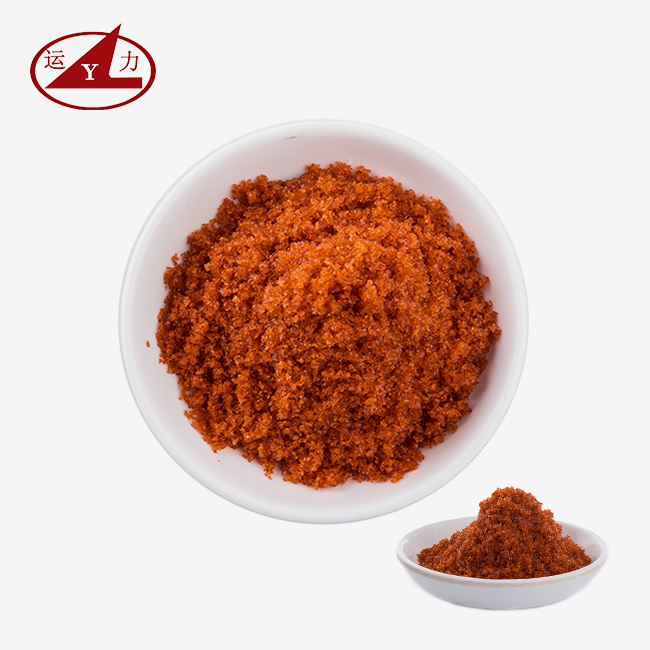
The chemicals that make these two types different are what makes them unique. One type of calcium nitrate that doesn't dissolve in water is called Ca(NO₃)₂ and has a molecular weight of 164.09 g/mol. Calcium Nitrate Tetrahydrate, on the other hand, is written as Ca(NO₃)₂·4H2O and has a molecular weight of 236.15 g/mol. About 30.5% of the molecular weight is made up of these four water molecules that are woven into the structure of the crystal. It is because of them that calcium and nitrogen can be used in different amounts in different forms.
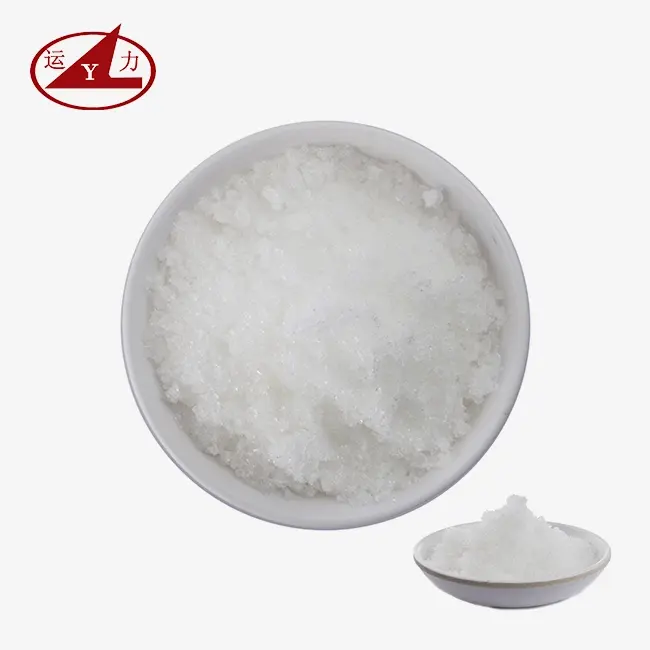
From the point of view of structure, the tetrahydrate form looks like white columnar crystals with a monoclinic system and a specific density of 1.895. Around 132°C is the point at which these crystals break apart. The water molecules that are attached to them are freed, and the substance moves toward a dry state. Because there are water molecules in the crystal structure, it stays more solid when left out in the open air. But this means that extra care needs to be taken during processes that happen at high temperatures, since dehydration could happen by mistake and change the effects of dose formulas and the process itself.
Solubility and Solution Behavior
Both types do break down quickly in water, but they do so in very different ways. To make solutions with a pH level of 5.0 to 7.0, water, methanol, ethanol, and acetone can easily break down the tetrahydrate form. The pH level is very close to normal, so it can be used with living things that are sensitive to it. It also lowers the chance of equipment rusting in places like pharmacies and food-grade facilities where stainless steel or special polymer pipe systems are used.
The strength of the answer is something else you should think about. Calcium Nitrate Tetrahydrate can be mixed with water at 20°C to make more than 1290 g/L. If you want to make stock solutions with a lot of calcium for fertigation systems or industrial dose tools, this makes it easy. The process of endothermic dissolving takes in heat from the environment, which makes the solution a little cooler while it is being mixed. Tech teams should think about this trait when they are making processes or systems that need to be kept at a certain temperature or that dissolve things automatically.
Production Methods and Quality Standards
In companies, the first step in making calcium nitrate is to reduce nitric acid with limestone or calcium carbonate. Spray drying or fluidized bed drying are used by makers to get rid of both free and bound water when they want to make the anhydrous form. To make the tetrahydrate form, on the other hand, liquids that are mostly water must solidify at a certain temperature and concentration level that supports the solid four-hydrate crystalline structure.
For high-purity types, quality standards need to be met by tight control of impurities. Manufacturers with a good reputation keep test values above 99.0% and water-insoluble matter below 0.01% for high-end commercial uses. The iron amount is generally kept below 0.001% so that colors don't run when rubber coagulates or drugs are made. International rules are very strict about how heavy metals should be made. It is very important to do this when goods are going to be used with food or to make electronics, because even small amounts of contaminants can hurt the structure or functionality of the goods.
Comparative Analysis: Calcium Nitrate vs. Calcium Nitrate Tetrahydrate
Nutrient Availability and Agricultural Performance
They both give plants calcium and nitrate-nitrogen, but because they contain different amounts of water, they don't have the same nutritional value. This kind of calcium nitrate has about 24% calcium and 17% nitrogen by weight. The Calcium Nitrate Tetrahydrate form, on the other hand, has about 11.7% nitrogen and 16.9% calcium. To meet the same protein supply goals, buying teams have to change how much they buy and how they use it. This is because of the difference in concentration.
The tetrahydrate form is now the standard for fertilizers that dissolve in water and systems that use fertigation. This is because its stable crystalline structure keeps it from hardening while it's being kept, and when it breaks, it doesn't leave behind any chunks that could get in the way of drip emitters or spray nozzles. People who grow valuable indoor plants like peppers, tomatoes, and leafy greens like this form because it makes sure that calcium moves around equally during the growth cycle, which stops physiological problems like blossom end rot. The dual-action nutrient profile strengthens cell walls and helps plants grow strongly at the same time by making nitrate-nitrogen easy to get to.
Environmental Impact and Soil Health Considerations
The pH of the soil stays the same when nitrogen is added in the form of calcium nitrate, but when nitrogen is added in the form of ammonium, it makes the soil more acidic through nitrification. With this trait, you can grow plants that need a certain pH level or in places where the soil is usually sour. It also helps the structure of the soil by making the clay particles stick together. If the earth is heavy, this helps water get in and roots grow through it.
It's getting more and more important to think about the environment when making purchases. These two kinds don't stay around for long. The nitrate part moves around in the water in the soil and plants can take it up. Water in the ground can get nitrate if too much of it is spread. When the right methods are used to match the supply of nutrients with the needs of crops, the world is less at risk. In hydroponic and controlled-environment gardening, closed-loop nutrient systems take in and give back any extra nutrients. This pretty much gets rid of release problems while keeping input costs as low as possible.
Market Pricing and Commercial Considerations
Their prices change based on how much it costs to make them, how much water they have, how heavy they are to ship, and how much desire there is in the market. Most of the time, the dried form costs more per kilogram because it needs to be dried more completely and has more active nutrients per weight unit. There is less water in the Calcium Nitrate Tetrahydrate form, but it is often better when the water content doesn't matter or is even helpful, like in liquid fertilizer mixes or concrete admixtures.
It costs a lot more to send when you buy a lot of it. When commercial end-users buy more than one ton, they can often get better prices by promising a certain amount of volume each year, setting supply dates, and agreeing on payment terms. Chemists who sell chemicals to a lot of different people usually keep the tetrahydrate form in stock because it can be used in more situations and stays stable for longer. Buyers should compare more than just prices per kilogram when getting quotes from providers. They should also find out how much each unit of provided nutrients costs. This shows which form is better for some uses in terms of cost.
Packaging and Regulatory Compliance
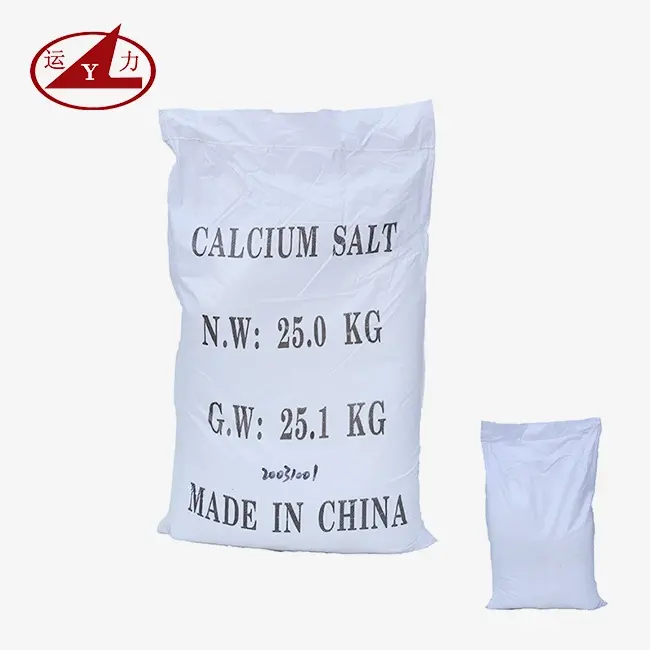
In general, things are packed in 25 kg multi-wall paper bags with plastic covers, 50 kg woven polypropylene bags, 500 kg to 1000 kg giant bags, and large amounts of liquids are shipped in lined containers or trucks. Each customer's needs are met by unique packing and marking, especially for markets outside of the United States where the rules are different. It is easier to get through customs and follow internal quality assurance rules when you have all the information you need, such as Safety Data Sheets, Certificates of Analysis, and proof that the product meets health and environmental standards.
A lot of places have different rules about calcium nitrate, but in general, it is an oxidizing agent that needs to be kept and treated in a certain way. It is put in the right group by the UN's Globally Harmonized System for Transport Rules. This changes how it is shipped and what paperwork is needed. Suppliers who have exported before and have quality management certifications like ISO 9001, ISO 14001, and OHSAS can promise that their goods are always the same, can be tracked, and follow all the rules. This is very important for teams that don't want to take chances when they buy something.
How to Choose the Right Calcium Nitrate Product for Your Business
Defining Your Application Requirements
You need to know what you need to do before you can choose between dry and tetrahydrate forms. The Calcium Nitrate Tetrahydrate form is usually preferred by agricultural users who use fertigation programs for greenhouse vegetables or fruit crops. This is because it mixes better and works the same way in all types of water. When builders use calcium nitrate in cold weather, they use the tetrahydrate form to speed up the setting process without putting the steel holding the concrete at risk of chloride rusting.
Pharmaceutical and fine chemistry businesses that need very low levels of impurities look for high-purity specs that have less than 0.001% iron and heavy metal amounts that meet USP or European Pharmacopoeia standards. When electronics companies need materials for certain tasks, they need materials that work the same from batch to batch and come with full research reports that list all the important factors. If you make these needs clear to potential suppliers, you can be sure that you get the exact goods you need instead of general types that could hurt the process.
Evaluating Supplier Credentials and Capabilities
It's not enough to just compare prices when picking a supplier. You should also carefully consider how stable their supply chain is, how much they can produce, and if they have quality methods or advice. Some manufacturers have been around for a long time, have a lot of fixed assets, and have state-of-the-art research labs. These things show that the company is financially stable and technically sound. International standards are met by the ways that quality is managed, the environment is protected, and workers are safe at work, as shown by certifications from well-known standards groups.
Help with technical issues is what makes great sellers stand out from average ones. The skilled application experts who can help you solve problems in your business are worth more than the product itself. Certain suppliers can meet many business needs by providing different ratios, special packaging, and order amounts that can be changed at any time. This way, buyers don't have to stick to strict buying patterns. Also, where you live is important. For instance, suppliers in the same country may have faster wait times and make it easier to follow the rules, while suppliers in other countries may offer cheaper prices for large orders, even though their supply lines are longer and the paperwork is more difficult.
Cost Analysis and Total Ownership Calculation
A good cost analysis looks at more than just the price of the item being bought. It also looks at the total costs of having something, like freight, storage, staff for moving things around, keeping inventory, and how well it works. A less expensive material that needs to be used more often might cost more per treated area or production batch than a more expensive material that works better or is more concentrated. The more nutrient-dense anhydrous types are cheaper to ship per unit, but they might need special storage conditions to keep them from getting wet and caking.
Payment terms, minimum order amounts, and shipping plans all have an impact on working capital, which in turn has an impact on managing cash flow. A business can run more smoothly with the help of suppliers that offer payment plans, open terms, or return programs based on sales. Prices that stay stable over the long term protect against market instability and make sure that when supply is low, buyers get what they need first. When you model costs that take all of these things into account, you can see how the economy really is and feel more sure about the purchases you make that meet your needs and your financial goals.
Best Practices for Handling and Applying Calcium Nitrate Tetrahydrate
Storage Environment and Facility Requirements
Before you can store Calcium Nitrate Tetrahydrate properly, you need to know how it takes in water. Crystalline water molecules are joined together in the lattice structure, but the material can easily absorb water from the air when it's wet, which could cause it to harden, gain weight, and become difficult to handle. If stores want to avoid mist, they should keep the relative humidity below 60% and make sure there is enough air flow. Keeping a product in its original, sealed box until it's needed helps it stay fresh and keeps it from coming into contact with airborne moisture.
Setting the right temperature is not as important as setting the right humidity, but you should stay away from heat that gets close to 132°C (the point at which things break down). Calcium nitrate is an oxidant, so it should be kept away from living things, reducing agents, and things that can catch fire. People and belongings are kept safe at work by having clear labeling signs, fire safety features, and designated storage places with the right fire safety features. When moving inventory, the first-in, first-out method keeps things fresh and stops them from going bad after being kept for a long time.
Safe Handling Procedures and Personal Protection
The right safety gear should be worn by people who work with calcium nitrate. This includes gloves that can handle chemicals, safety glasses or face shields, and protective clothing that covers any skin that isn't covered. In the short term, the material isn't very dangerous, but if it's on the skin for a long time, it can hurt it and lead to acne. Dust is released when you open a bag or move things around, so you need to wear breathing masks in small spaces or when there isn't enough movement. It should always be easy to get to emergency eyewash stations and safety showers in places where people handle things a lot.
Steps to take in response to a spill emphasize containment and cleanup without adding things that don't mix. A small spill can be cleaned up and the items can be reused or thrown away properly. For bigger spills, on the other hand, you need to control them and let the right people know about them. If you clean up without using flammable liquids, organic materials, or reducing agents, you can avoid chemical processes that you didn't expect. Keeping track of accidents and close calls helps make safety rules better all the time and shows that you care about managing health and safety at work.
Application Techniques Across Industries
Calcium is usually dissolved in irrigation water at a level of 50 to 200 ppm for farming reasons. However, this can change depending on the needs of the crop, its stage of growth, and the basic chemistry of the water. When picking out pumps and seals for injection systems, you need to think about how the material oxidizes. Specialized elastomers and stainless steel are better at keeping their shape than regular rubber or iron parts. Concentrated stock solutions that have already been dissolved make work easier in the field, but they need to be kept in the right containers and mixed up often so they don't settle or crystallize.
Most of the time, industrial concrete mixes have between 1% and 4% by weight of cement. However, this can change depending on the temperature and how quickly the concrete needs to set. It will be spread out evenly if you mix the additive well with the batch water before you add the dirt and cement. For rubber coagulation processes, it's important to keep the temperature and amount of solution in certain areas. This keeps the film formation and product quality constant. Always pay close attention to what the maker says and what the best practices are in the business for each use. Performance tracking and quality testing data should be used to decide what changes should be made.

Conclusion
B2B buyers who want to get the most out of their purchases need to know the difference between calcium nitrate and Calcium Nitrate Tetrahydrate. With four water molecules, this tetrahydrate form has a stable solid shape. It breaks down and stores better, and it can be used in a lot of different areas, like building, farming, and trade. It doesn't have as many nutrients per weight as dry forms, but most commercial uses choose it because it's easier to work with and always does a good job. You need to look at more than just prices when you're shopping. You need to look at the skills of the provider, their quality certifications, the help they can give you, and the total cost of ownership. Buying managers can make sure they have a steady supply by learning these technical differences and taking the right steps for handling. Technical teams can make sure that the process always leads to results that help the business reach its goals.
FAQ
Q1: Can anhydrous calcium nitrate and tetrahydrate forms be used interchangeably?
A: These types can be used instead of each other a lot of the time. But the amount needs to be changed because the Calcium Nitrate Tetrahydrate contains mostly water, which means it doesn't have as many nutrients that are good for you. To change the application rates, you should not use the product weight but instead the real calcium and nitrogen amounts when you change types. Some uses need one form over another because of how fast it breaks down, the crystal's shape, or other things that have to do with the process. Before you switch, make sure that the two forms can work together.
Q2: What storage conditions minimize quality degradation of tetrahydrate products?
A: To keep a product's quality, keep the relative humidity below 60%, keep it in its original, sealed box until it's time to use it, and keep it away from high temperatures. As for inventory, follow the "first-in, first-out" rule and check things often to see if they are caking or getting wet. If you store things correctly, they won't soak up moisture from the air, which could change how you handle them and cost a lot to pack or recondition.
Q3: How does pricing compare with alternative nitrogen fertilizers?
A: Calcium nitrate generally costs more per unit of nitrogen than urea or ammonium nitrate, which are more popular nitrogen sources. This item costs more because it has extra benefits, like nitrate-nitrogen that can be used right away, extra calcium nutrition, and a normal pH effect. It's worth the extra money because these special qualities help crops grow better, cause fewer health problems, or make processes run more smoothly than general choices.
Partner with Yunli Chemical for Reliable Calcium Nitrate Tetrahydrate Supply
If buying managers want to find a trustworthy company that sells Calcium Nitrate Tetrahydrate, Yunli Chemical has everything they need. Our business has been making things for more than twenty years and was started in 2005. Our factories in Shanxi Province, China, are approved by ISO 9001, ISO 14001, and OHSAS, and we make more than RMB 1 billion in sales every year. Advanced ICP-MS and atomic absorption spectrometers are housed in the regional technology center of our company. These instruments ensure strict quality control and can make high-purity grades that meet strict standards for use in electronics, pharmaceutical intermediates, and other niche areas.
We offer factory-direct prices and don't have a minimum order size. You can also get free samples of up to 500 grams, and you can change the way we pack, name, and concentrate the products to suit your needs. It's easier to do business with other countries because our self-run export area has all the paperwork you need, like MSDS, COA, and environmental certifications. Our technology support team helps fix problems with the process and raise the standards for applications. Contact us at wangjuan202301@outlook.com or visit yunlichemical.com to get quotes, detailed data sheets, or trial packages that show how dedicated we are to a steady supply, good products, and building a relationship with our customers.

References
1. Chen, W., & Zhang, L. (2019). Industrial Applications of Calcium Nitrate Compounds: Production Methods and Quality Standards. Chemical Engineering Journal Press.
2. Martinez, R. (2020). Nutrient Management in Intensive Agriculture: Calcium Nitrate in Fertigation Systems. International Society of Horticultural Science.
3. Thompson, J., & O'Connor, M. (2021). Concrete Admixtures for Cold Weather Construction: Performance Analysis of Calcium Nitrate. American Concrete Institute.
4. Kumar, S., et al. (2018). Comparative Study of Hydrated and Anhydrous Calcium Nitrate in Industrial Processes. Journal of Applied Chemistry, 45(3), 287-301.
5. Anderson, P. (2022). Chemical Raw Materials Procurement Guide: Quality Assessment and Supplier Evaluation. B2B Chemical Industry Association.
6. Wang, H., & Liu, Y. (2020). Environmental Impact Assessment of Nitrate-Based Fertilizers in Modern Agriculture. Environmental Science & Technology Reviews, 12(2), 145-162.