


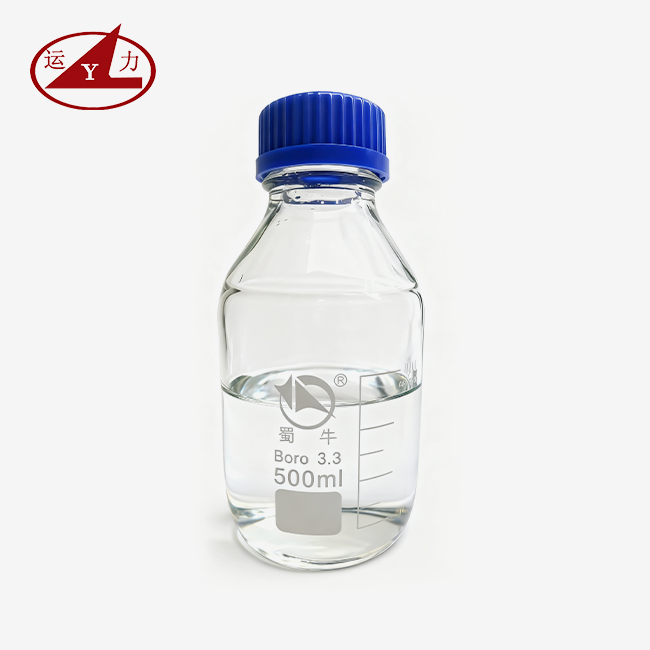

Where can I buy chromium chloride solution for laboratory use?
To get Chromium Chloride Solution that you can trust for laboratory use, you need to find providers who put a high value on product purity, uniform quality, and full regulatory compliance. This trivalent chromium compound can be bought by laboratories and factories from specialized chemical manufacturers, licensed distributors, and trusted B2B platforms that offer materials suitable for use as reagents and in factories. Yunli Chemical is a certified manufacturer with more than twenty years of experience in the field and ISO 9001, ISO 14001, and OHSAS certifications. They produce Chromium Chloride Hexahydrate (CAS# 10060-12-5) to meet the strict needs of applications like electroplating, catalyst production, and materials research.
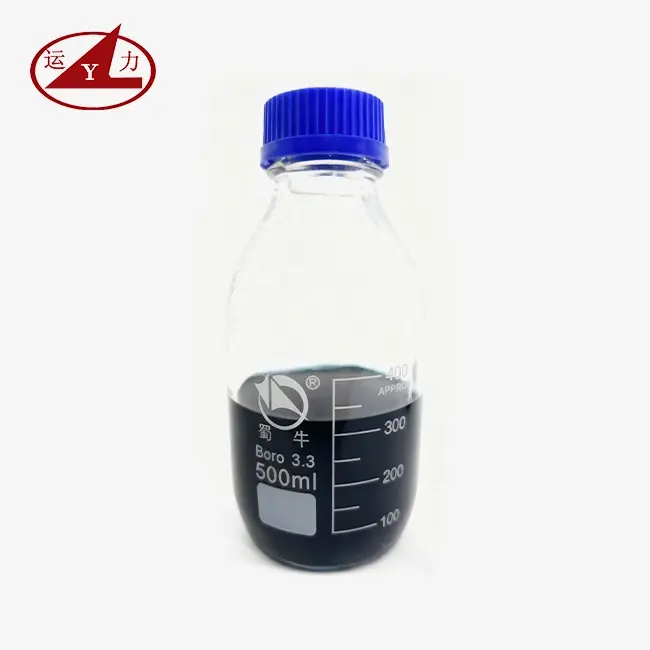
Understanding Chromium Chloride Solution for Laboratory Applications
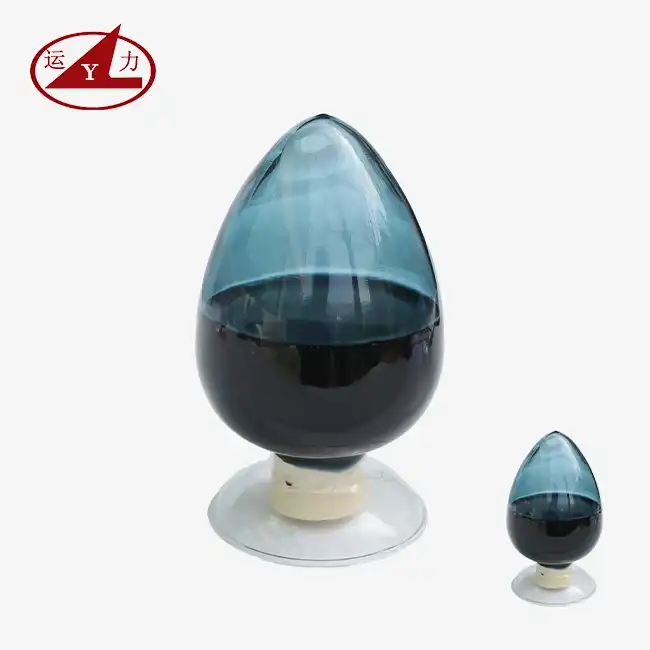
Chromium Chloride Hexahydrate is a dark green solid that has the formula CrCl₃·6H₂O and a molecular weight of 266.45. This form that is wet dissolves easily in water, making acidic solutions that can be used in both laboratories and factories. The compound's relative density is 2.76 and its melting point is between 86-90°C, which show that it is stable in normal circumstances. Because it absorbs water easily, it needs to be stored carefully in cases that cannot leak so that the concentration levels do not change.
Chemical Composition and Physical Properties
It dissolves easily in water, ethanol, and acetone because it has a hexahydrate structure, but not in ether. When something is dissolved, an acidic solution is formed. This makes pH tracking very important during experiments. The dark green color shows that trivalent chromium is present and can be distinguished from the more dangerous hexavalent chromium products. Modern environmental rules, like REACH and RoHS, are in line with this trivalent form. This makes it the best choice for laboratories moving away from harmful hexavalent options.
Common Laboratory and Industrial Applications
Chromium Chloride Solution liquids are used in laboratories for a variety of tasks. When making catalysts, ultra-high purity grades keep them from getting contaminated, which could lower their effectiveness in methanol synthesis and polymerization reactions. Analytical scientists use it as a solution for spectroscopic studies and to describe materials. It is used by the electroplating industry to make useful coatings that are more resistant to corrosion, and ceramic makers add it to pigments to make sure that colors develop consistently. As a mordant and precursor material, this molecule is also used in the making of pharmaceutical intermediates and textile dyeing.
Safety Handling and Storage Requirements
Handling procedures that are done correctly protect laboratory workers from environmental risks. Because chromium chloride solutions are acidic, you need to wear gloves, safety glasses, and laboratory coats that can withstand chemicals. Controlled temperatures between 15-25°C should be kept in storage places, and there should be enough air flow to keep toxic vapors from building up. Containers must be clearly marked with information about hazards and kept away from things that do not work with them, like strong bases and oxidizing agents. Safety Data Sheets (SDS) should always be available to anyone working with the product. These sheets explain what to do in case of an accident or spill.
How to Choose the Right Chromium Chloride Solution for Your Laboratory Needs?
To choose the right Chromium Chloride Solution products, you have to carefully compare the needs of the experiment with the skills of the seller. The level of purity has a direct effect on the results of the study. Materials that are laboratory grade and have less than 30 ppm of iron impurities are good for developing catalysts. Standard laboratory grades are good for teaching demos and regular tests. For industrial uses, a little higher impurity levels may be acceptable. Different uses call for different concentrations. Custom formulas with 10-40% CrCl₃ content can be ordered from specialized makers.
Assessing Purity Levels and Concentration Options
For research uses that need exact results, materials that are more than 99.5% pure are needed to get rid of variations caused by trace contaminants. The provincial-level technology center for Yunli Chemical keeps up-to-date testing tools like ICP-MS and atomic absorption spectrometers so that 4N-grade high-purity materials can be made. Customization of concentration gives operations more freedom by letting purchasing managers buy solutions that meet the needs of a particular process without having to go through steps like diluting or reconstituting, which could introduce contamination. Packaging options are based on volume. For example, 25 kg PE-lined containers are good for small-scale study, while 500 kg UN-certified drums or IBC totes with nitrogen purging systems are better for industrial operations.
Comparing Chromium Chloride with Alternative Chromium Compounds
Chromium sulfate and chromium nitrate are both used for similar tasks in some situations, but they work in different ways. Chromium sulfate is the most common chemical used to tan leather because it is good at controlling basicity and is also cheap. However, chromium chloride is better at conducting electricity in electroplating pools. The chloride counter-ion speeds up the formation of metals compared to sulfate-based systems. This makes it better for ornamental plating that needs a consistent coating thickness. Chromium nitrate is used in certain types of catalysts, but it is not as useful in as many fields as chloride forms. Specific testing for each application helps find the best chromium substance for each set of experiments.
Evaluating Supplier Quality Control and Certifications
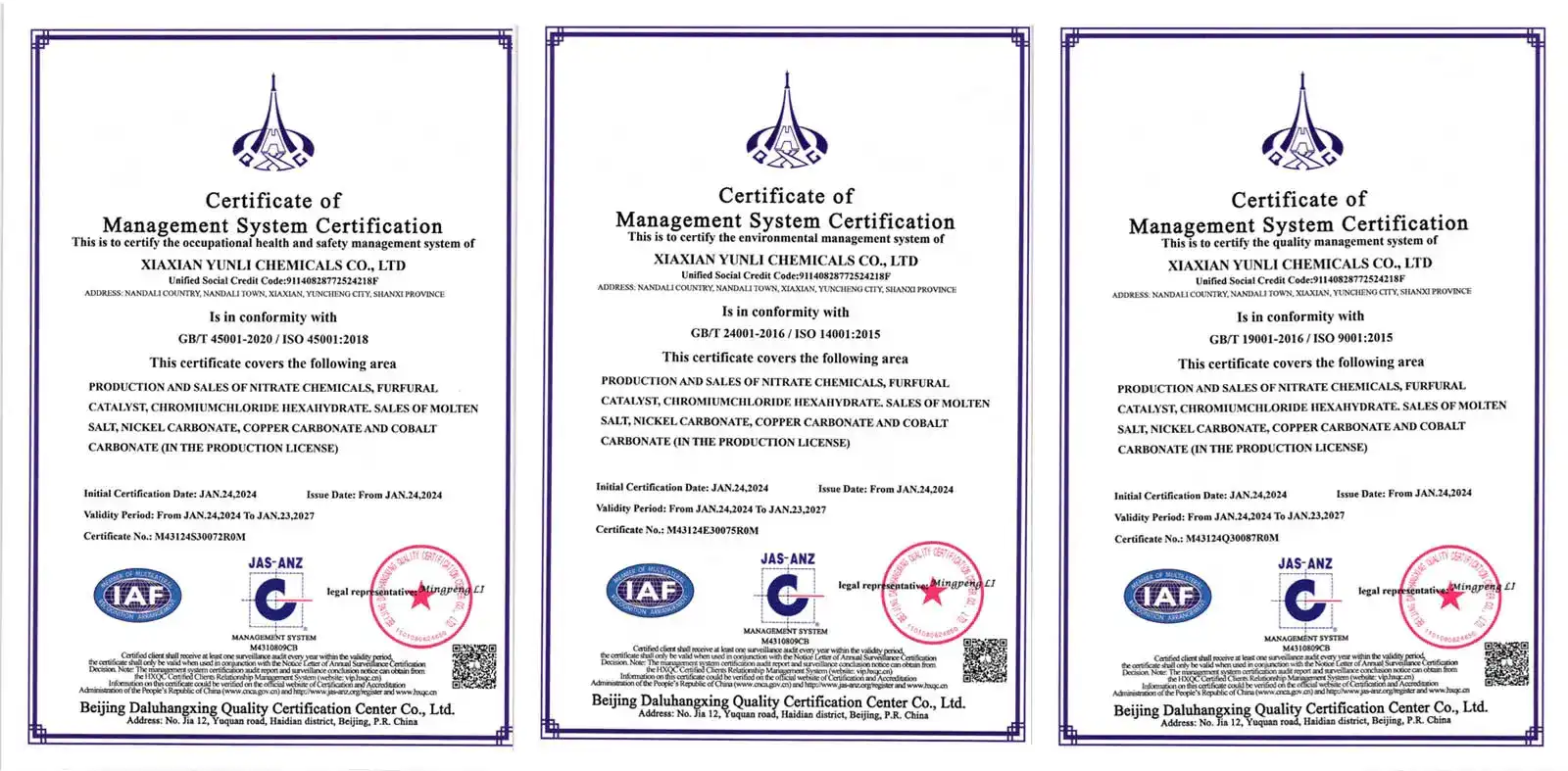
Internationally known certifications show that a seller is committed to quality. ISO 9001 approval means that there are well-established quality management systems with written processes for making sure that production is always the same. Concerns about the environmental effect of chemical production are growing, and ISO 14001 certification shows that industrial methods are environmentally responsible. OHSAS 18001 approval proves that health and safety rules at work protect workers during production.
Each batch should come with a Certificate of Analysis (COA) from the supplier that shows the real purity levels, impurity profiles, and concentration readings. Yunli Chemical has been recognized as a provincial or national technology center since 2019. This means that the company has put money into study and professional skills that go beyond basic manufacturing.
Top Trusted Suppliers and Brands of Chromium Chloride Solution for Laboratories
There are well-known names in global Chromium Chloride Solution supply networks that are known for consistently high quality. Under the name of Merck, Sigma-Aldrich keeps very large product lists with specific information for research-grade chemicals. Alfa Aesar is an expert in providing high-purity materials to study institutions in both academia and industry. Spectrum Chemical makes goods that are GMP-compliant for the pharmaceutical and laboratory industries. These wholesalers usually get their products from certified makers. They then add markups that can have a big effect on the budgets of people who buy a lot of things.
Direct Manufacturer Advantages
Buying directly from well-known companies like Yunli Chemical cuts out the middleman and makes sure the product is real. Factory-direct supply models make the production process clear, which lets quality checks and facility reviews happen, which boosts trust in the supply chain's honesty. Manufacturing companies that make more than 1 billion yuan a year and have fixed assets worth 300 million yuan show the financial security that is needed for long-term supply relationships.
Direct ties with manufacturers give you customization choices that you can't get from distributors. For example, you can change the concentration, change the packaging, and make the paperwork fit the needs of specific regulatory bodies. Since there are no agents, communication is streamlined, which speeds up responses to technical questions and order completion.
Quality Assurance Practices and Batch Testing Protocols
Suppliers who are trusted are set apart from commodity providers by strict testing methods. Each run of output should go through a full study that checks for chromium, iron impurities, heavy metal pollution, and pH levels. ICP-MS can find trace elements at parts-per-billion levels, which means that the readings are correct. Statistical process control charts find trends before they hurt the quality of the product by keeping track of how consistent production is across batches. For tracking reasons, suppliers should keep archived samples from each batch. This way, if quality problems arise after shipping, they can be looked into. Third-party laboratory verification gives independent confirmation to what the maker says, which is very helpful when setting up new supply relationships.
Verification Techniques for Authentic Products
It is very dangerous for laboratories to use fake or low-quality chemicals because they can affect the truth of study. The first step in making sure something is real is to look at the paperwork and make sure that the SDS sheets are in the right format for the regulations and have information specific to the provider instead of general templates.
A close look at the substance shows signs of its quality: real Chromium Chloride Hexahydrate has a constant dark green color that does not change or have any particles in it. Testing the melting point shows that the thermal qualities are in the expected range of 86-90°C. Simple tests of solubility in water and ethanol show how well something dissolves, and pH readings of liquids should always show acidic values. Most worries about authentication can be put to rest by working with certified suppliers whose production sites can be checked.
Ordering Chromium Chloride Solution: Procurement and Transaction Best Practices
Cost concerns are balanced with quality assurance and supply dependability in efficient buying. It's easier to negotiate when you know how prices work in the market. For example, when you buy in bulk, you can usually get 15-30% off of small sales. Current market conditions show how much raw materials cost, how much it costs to follow environmental rules, and how much it costs to ship goods. All of these things affect the end price. Transparent sellers give thorough quotes that break down the prices of materials, packaging, and shipping. This makes it possible to accurately plan your budget.
Bulk Purchase Options Versus Small Volume Packaging
Laboratory eating habits tell you how much to order. Smaller packaging helps keep materials fresh and reduces the amount of space needed for storage in research sites that only do tests every once in a while. Industrial operations that make things all the time can save money by buying in bulk, but their storage facilities need to be able to safely hold bigger amounts.
Yunli Chemical can meet a wide range of needs and does not have a minimum order amount. They also offer free samples of up to 500 grams for testing reasons. This flexibility lowers the risk of buying by letting expert teams make sure the product is right before committing to large-scale sales. Customizable packing choices include bags with desiccant that keep moisture out while storing and special cases that keep solutions stable during long transports.
Logistics Considerations and Regulatory Compliance
As toxic materials, Chromium Chloride Solution must be shipped in accordance with the rules for dangerous materials. Packaging that has been approved by the UN meets international standards for travel, so it can be sent safely across countries. Having the right paperwork, like SDS sheets, COA certificates, and customs reports, makes importing and exporting easier.
Suppliers with a lot of experience can easily handle regulatory systems and hold certifications that meet FDA, EDQM, and TSCA standards for different markets. Logistics that are controlled by temperature stops crystallization during delivery in cold weather, and faster shipping choices meet urgent production needs. For storage after arrival, the right buildings must be used, with containment systems that do not rust, ventilation systems, and easy access to emergency response gear.

Environmental and Safety Considerations When Using Chromium Chloride Solution
When chromium compounds are handled properly, they protect both people and the earth. Even though trivalent chromium is much less dangerous than hexavalent types, it is still important to follow the right procedures. Closed-loop wastewater systems get chromium back from process streams, which lowers the cost of dumping and limits the amount of pollution that gets into the environment. Through modern treatment systems, Yunli Chemical's factories are able to collect 99.2% of the chromium that is used in their products. This shows that they are committed to using environmentally friendly manufacturing methods.
Waste Disposal Methods and Compliance
Waste streams that contain chromium need special cleaning before they can be thrown away. Using precipitation, chromium that is dissolved is turned into solid hydroxides that can be thrown away in a dump or recycled. Laboratories that only make small amounts of waste should hire approved toxic waste handlers instead of trying to get rid of it on their own.
Following the rules means keeping thorough records of the amount of trash, how it was treated, and where it was finally thrown away. Environmental agencies are paying more attention to chromium pollution, which makes it a good business move to work with sellers who show environmental leadership. Customers, especially those who have to follow strict local rules, can be sure that their suppliers have NOx absorption towers that are well-established and environmental management systems that are up and running.
Laboratory Safety Protocols and Emergency Preparedness
Full safety plans cover all possible situations where people could be exposed. Within ten seconds of places where Chromium Chloride Solution is handled, there should be emergency eyewash stations and safety baths. Accidental escapes can be quickly contained with spill reaction tools that include neutralizing agents, absorbent materials, and disposal bins. Employee training includes how to recognize exposure signs, use personal safety equipment correctly, and know what to do in an emergency. Regular safety checks find possible dangers before they happen, and written processes make sure that reactions are the same across shifts and staff changes. Setting up clear lines of contact with providers' technical support teams lets you get expert advice when things go wrong.
Conclusion
Finding Chromium Chloride Solution for laboratory use is easier when procurement teams put quality checks, source dependability, and full compliance paperwork at the top of their list of priorities. Instead of buying things in bulk, it's better to have direct relationships with qualified makers who offer clear quality controls, a variety of packaging choices, and technical support. The move toward trivalent chromium compounds shows that the chemical industry as a whole wants to use chemicals in better and more environmentally friendly ways without sacrificing performance.
By looking at suppliers' certifications, output capabilities, and how quickly they respond to service requests, laboratories can form relationships that will help them be successful in the long run. A careful look at the purity needs, application details, and number requirements helps choose the best product, and knowing the rules for buying and dealing it makes sure that everything is done legally.
FAQ
Q1: What concentration of chromium chloride solution is optimal for electroplating applications?
A: Electroplating usually uses liquids with a 30-40% CrCl₃ concentration, which gives enough chromium ions for metal coating to work well. Lower concentrations make the bath last longer but slow down plating, while higher concentrations raise the risk of crystals. Application-specific testing finds the best concentrations by combining the need for output with the need for working stability.
Q2: Can chromium chloride substitute for chromium sulfate in tanning operations?
A: Chromium chloride can be used instead of chromium sulfate in leather dying, but it is not often done because it is more expensive and the industry has standardized on sulfate-based methods. In high-value electroplating, chloride forms are used in specific ways because their better conductivity explains the higher price. The proven performance traits and good economics of sulfate make tanning operations more successful.
Q3: What shipping and storage precautions prevent chromium chloride degradation?
A: Transport that is managed by temperature stops crystallization below 0°C, and packages that are covered keep moisture out, which changes the concentration. Corrosive attacks are less likely to damage HDPE or rubber-lined containers than carbon steel that is not secured. Storage places need to have air flow, keep the temperature between 15-25°C, and keep chemicals that do not mix with each other away. If you seal it right, it will stay stable for 12-24 months in the right circumstances.
Partner with Yunli Chemical for Premium Chromium Chloride Solution Supply
Yunli Chemical sells Chromium Chloride Solution for laboratories and factories. They have been making high-quality products for 20 years and make over RMB 1 billion a year. Our technology center at the regional level makes materials that are more than 99.5% pure and have less than 30 parts per million (ppm) of iron. These materials meet the high standards needed for making catalysts, electroplating, and analytical research.
As a recognized producer of chromium chloride solutions with ISO 9001, ISO 14001, and OHSAS certifications, we offer full documentation, such as SDS, COA, and technical data sheets, to help you meet regulatory standards. You can email our technical team at wangjuan202301@outlook.com to get free samples up to 500 grams, talk about customizing the concentration, or get full quotes for the exact amount you need. Our factory-direct supply model cuts out the middlemen and their fees, so you can be sure that the products you buy are real and of the same high quality in every batch.

References
1. American Chemical Society, "Chromium Compounds in Industrial Applications: Properties and Safety Considerations," Journal of Chemical Education, Vol. 98, 2021.
2. International Organization for Standardization, "Quality Management Systems for Chemical Manufacturing: ISO 9001 Implementation Guidelines," ISO Technical Report, 2020.
3. United States Environmental Protection Agency, "Trivalent Chromium Compounds: Environmental and Health Assessment," EPA Chemical Assessment Series, 2019.
4. European Chemicals Agency, "REACH Compliance for Chromium Salts: Registration and Authorization Requirements," ECHA Guidance Document, 2022.
5. National Institute for Occupational Safety and Health, "Handling Corrosive Chemical Solutions: Laboratory Safety Protocols," NIOSH Publication Series, 2020.
6. Society of Leather Technologists and Chemists, "Chromium Chemistry in Modern Tanning and Plating Industries," SLTC Technical Monograph, 2021.