


Best Aluminium Nitrate Nonahydrate Packaging for Global Shipping
When shipping aluminium nitrate nonahydrate (CAS# 7784-27-2, Al(NO₃)₃·9H₂O, MW: 375.13) across international borders, packaging is not a minor detail — it is a critical line of defense. This white crystalline hygroscopic salt melts at 73.9°C, decomposes at 150°C, and absorbs atmospheric moisture rapidly. Classified as a UN 1438 Class 5.1 oxidizing substance, it demands packaging that controls moisture ingress, resists mechanical stress, and meets global hazardous goods regulations. Choosing the wrong container can compromise purity, trigger customs delays, or create serious safety incidents.

Understanding Aluminium Nitrate Nonahydrate and Its Packaging Challenges
Why Physical Properties Drive Packaging Decisions?
At 25°C, 64 g/100 mL of the substance dissolves easily in water, and its water solution is acidic. Aluminium nitrate nonahydrate really can oxidize things and irritates the skin when it comes into contact with it. Because of these factors, even small problems with the packaging—like a torn liner, a lid that doesn't fit properly, or a pallet that gets wet—can lower the quality of the product before it even gets to the production floor.
The companies that make catalysts are very aware of this risk. More than 30 parts per million of iron can completely disable a batch of catalysts, wasting weeks of production time and money. Caking caused by moisture makes doses wrong and clogs spray tubes in coating processes. Every choice made about packing earlier has a direct effect on how well it works later.
Regulatory duties make the problem even worse. Class 5.1 oxidizers must be packed in UN-approved containers with clear GHS warning labels and come with all the necessary paperwork, such as an SDS, COA, and an origin certificate. If you skip any part, your package could get stuck at port.
Criteria for Selecting Optimal Packaging
The Non-Negotiables: Moisture Resistance, Compatibility, and Compliance
When purchasing experts look at packages for inorganic nitrate salts, they always put three qualities above all others. These are the main things that make up a sound packaging specification for aluminium nitrate nonahydrate:
- Moisture barrier performance: The box has to have a plastic inner liner that is sealed. The standard in the business is to use double-layer PE liners inside woven polyethylene outer bags. Any path for absorption leads to deliquescence and a caked, discolored result.
- Chemical compatibility: At room temperature and pressure, packaging materials must not mix with nitrate ions. There is a chance of pollution with some metals and repurposed plastics. As far as safety goes, food-grade polypropylene and virgin PE are the best choices for direct contact layers.
- Regulatory approval: All outer packaging has to have UN certification marks on it. For ocean freight, you have to follow IMDG Packing Group III. IATA Special Provision A3 sets the rules for transporting oxidizers for air cargo.
These factors are not separate lists. They work together: a bag that doesn't have UN certification but is resistant to wetness leaves you open to compliance risks, and a container that does have UN certification but doesn't have an inner cushion fails to protect materials. Both measurements must be met at the same time.
Comparison of Common Packaging Options
Matching Container Format to Your Supply Chain Reality
There are a lot of different packaging options on the market. Each has its own logistics needs, and the best one depends on the number of orders, the shipping method, and the final use for the aluminium nitrate nonahydrate.
Most business buyers use 25 kg double-lined PE bags as their main bag type. They are easy to move around in the plant, can be stacked quickly, and have full GHS labels. They are good for both normal FCL ocean transfers and shipping within the United States. This is how most catalog orders are sent to Yunli Chemical by default.
Flexible intermediate bulk containers (FIBCs) that hold 1,000 kg cut the amount of work needed to handle each unit by a huge amount for large customers. Even though they cost more per unit, they cost less per ton shipped. Because FIBC liners are more likely to get punctured by forklifts than rigid drums, they need a dry, covered storage area at the receiving warehouse.
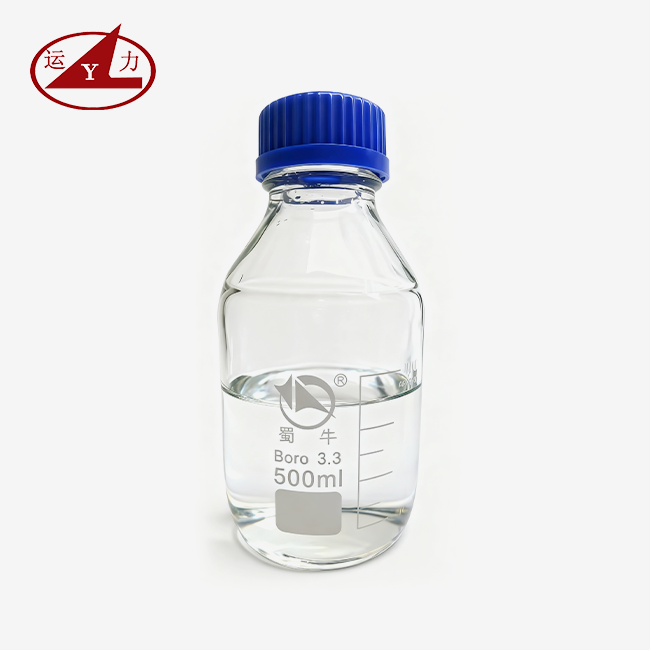
ISO tanks and bulk liquid formats are only used for liquid concentrates that have already been dissolved (40–60% solution). Catalyst makers who put liquid aluminium salt straight into reactors like this method because it skips the dissolving step and keeps the production floor less dusty.
Smaller sealed bottles and vials are used for OEM samples and lab reagents. They are not cost-effective on an industrial scale, but they are still needed for the first batches of qualification.

How to Store and Handle Packaging During Transit?
Temperature, Humidity, and Documentation Control
The purity of the transit starts with the conditions in the building and ends at your receiving dock. Aluminium nitrate nonahydrate needs to be kept below 30°C, away from flammables, reducing agents, and organic materials, in a dry, well-ventilated area. Because it melts at 73.9°C, container temperatures in tropical sea lanes, especially in holds that don't have enough air flow, can get close to risk levels in the summer.
To let air move, pallets should be shrink-wrapped and set back from the walls of containers. When the sea is rough, shock-absorbing dunnage between the layers keeps the bag's structure. Each package should have a moisture indicator card inside the outer packaging so that the recipient can see right away what the conditions were like during transport.
The discipline of documentation is just as important. Every international shipment needs to have the SDS, COA, packing list, dangerous goods declaration, and origin certificate. The most common reason why oxidizer shipments in the US market are held up at customs is because of missing paperwork.
Procuring Aluminium Nitrate Nonahydrate: Supplier Selection
Evaluating Suppliers Beyond Price Per Kilogram
There are many companies that supply aluminium nitrate nonahydrate, ranging from trade middlemen to fully integrated producers. The difference is very important for B2B buyers who need technical purity.
Yunli Chemical (yunlichemical.com) is a direct-production company that was founded in 2005 and has its main office in Yuncheng City, Shanxi Province. The company has ISO 9001, ISO 14001, and OHSAS standards and makes more than 1 billion yuan a year in sales. Its fixed assets are worth 300 million yuan. It has an on-site lab that uses ICP-MS and atomic absorption spectrometry to check impurity profiles for each lot, making sure that Fe levels are below 30 ppm and Na levels are below 50 ppm. These are the exact levels needed to meet catalyst-grade procurement standards.
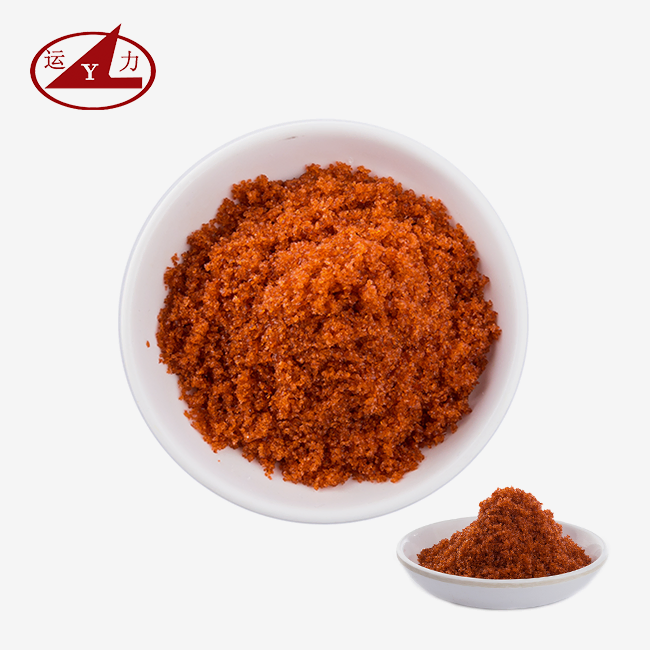
The business sells solid crystals (0.1–5 mm), liquid concentrates, and fully customizable mixtures. There is no minimum order number. In 48 hours, you'll get free 500-gram samples. The standard lead time is 15 days, but you can get it faster in just 7 days. As usual, all export paperwork is included, such as an SDS, a COA, and an origin certificate. There are no middlemen because factory-direct pricing gets rid of the markup layer that is common in supply chains with trading companies.
Being a Shanxi Provincial Enterprise Technology Center means that Yunli Chemical's R&D and quality infrastructure have been checked by a third party, which is a strong sign of how reliable the process is for procurement teams doing supplier audits.
Conclusion
To properly package aluminium nitrate nonahydrate for shipping around the world, material science, legal compliance, and transportation must all work together. Because this artificial salt absorbs water and reacts with oxygen, it is essential to control wetness and keep it inside UN-approved containers. Which type of container you need—25 kg PE bags, FIBC bulk containers, or liquid ISO tanks—depends on how much you're sending, how you're making the goods, and the shipping route. The easiest way for procurement teams to make sure they always have the supplies they need is to work with a company that controls both the quality of the products and the specifications for the packing.

FAQ
What packaging format is best for ocean freight of aluminium nitrate nonahydrate?
For most FCL shipments, double-lined 25 kg PE bags on shrink-wrapped pallets are the norm. When buying in bulk, 1,000 kg FIBCs lower the cost of handling, but they need to be unloaded in a covered area.
How do I verify iron content before accepting a shipment?
Ask for the COA to show the Fe level ICP-MS findings. Reliable makers, such as Yunli Chemical, give test data that is specific to each lot. Catalyst-grade material must have Fe levels of 30 parts per million or less.
What UN classification applies to this compound during international shipping?
Both IMDG (sea) and IATA (air) rules list aluminium nitrate nonahydrate as an oxidizing substance (UN 1438 Class 5.1) in Packing Group III.
Can I request custom packaging formats from a manufacturer?
Yes. Manufacturers who can do OEM work, like Yunli Chemical, can print custom labels, offer different bag sizes, and change the formats of liquid concentrates based on confirmed order volumes.
Does moisture exposure permanently damage the product?
A lot of water intake leads to caking and a loss of effective focus. The drug itself doesn't change, but it's harder to dose correctly and handle. This can't happen at all if the packaging is properly sealed.
Partner with Yunli Chemical for Reliable Aluminium Nitrate Nonahydrate Supply
Yunli Chemical sends aluminium nitrate nonahydrate directly from the factory. The quality is ISO-certified, the purity is guaranteed to be Fe ≤30 ppm, and the packaging is export-compliant and fits your needs for shipping. You can get free trials within 48 hours and there are no middlemen. You can email our technical team at wangjuan202301@outlook.com to get a unique price and full documentation package right away.
References
1. United Nations. Recommendations on the Transport of Dangerous Goods: Model Regulations. United Nations Publications, 2023.
2. International Maritime Organization. IMDG Code: International Maritime Dangerous Goods Code. IMO Publishing, 2022.
3. International Air Transport Association. Dangerous Goods Regulations (DGR), 65th Edition. IATA, 2024.
4. American Chemical Society. Chemical & Engineering News: Inorganic Nitrates in Catalyst Precursor Manufacturing. ACS Publications, 2021.
5. Brydson, J. A. Plastics Materials, 7th Edition. Butterworth-Heinemann, 1999.
6. Rouquerol, F., Rouquerol, J., & Sing, K. S. W. Adsorption by Powders and Porous Solids: Principles, Methodology and Applications. Academic Press, 2014.