


What Are the Main Benefits of Cobalt Nitrate Solution Liquid for Labs?
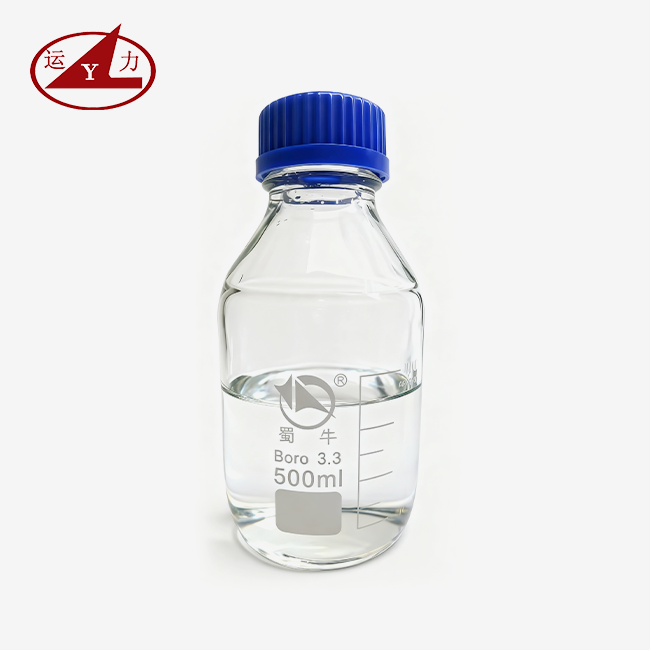
Cobalt nitrate solution liquid offers laboratories a precise, ready-to-use cobalt source that eliminates the handling challenges associated with solid hexahydrate forms. Formulated as Co(NO₃)₂ in aqueous medium (CAS# 10026-22-9), this deep red fluid delivers consistent cobalt ion concentrations, minimal trace impurities, and direct volumetric dosing compatibility with automated reactor systems. Whether your team synthesizes hydrodesulfurization catalysts, NCM battery precursors, or ceramic glazes, the liquid format accelerates workflows, reduces contamination risk, and supports reproducible results—making it a strategically sound choice for procurement managers and R&D engineers alike.

Understanding Cobalt Nitrate Solution: Properties and Industrial Relevance
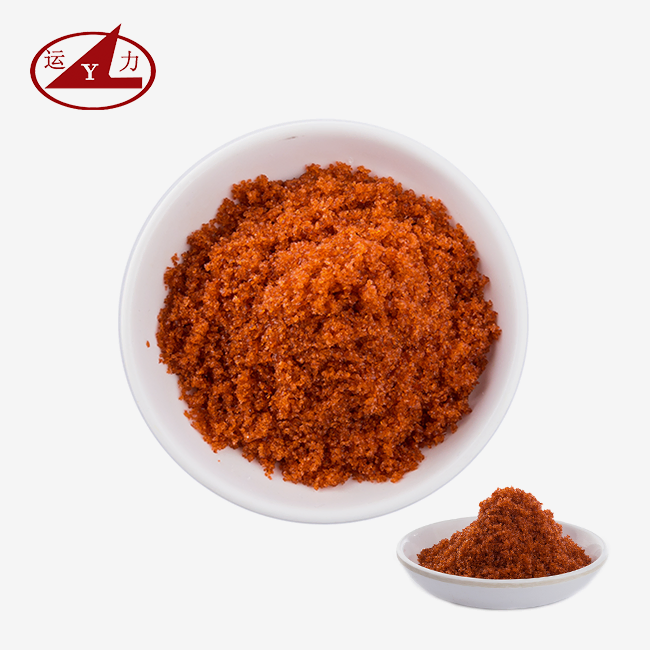
Cobalt(II) nitrate hexahydrate has the formula Co(NO₃)₂·6H₂O and a molecular weight of 291.03 g/mol. When it is dry, it is a reddish-brown brittle material. It turns into a clear reddish-brown liquid when mixed with water. At 20°C, its density is between 1.25 and 1.45 g/mL, and its pH ranges from 2.0 to 4.0. It is easy to add the chemical to wet-chemistry procedures because it dissolves easily in water, ethanol, and acetone.
Why the Liquid Form Matters for Industrial Labs
Solid cobalt nitrate absorbs water and tends to clump together, which leads to uneven breakdown rates that mess up delicate processes. This is not a problem at all with the liquid version. Since it is already dissolved and uniform, it adds uniform cobalt ion activity straight to impregnation baths, co-precipitation reactors, and spray-nozzle systems, without the risk of breathing in fine cobalt dust. This means that facilities with automated dosing lines will be able to increase throughput and make sure workers follow safety rules.
The substance can oxidize things and reacts violently with biological materials, making them dangerous to touch and potentially exploding. Because it is dangerous when eaten, breathed in, or absorbed through the skin, PPE like nitrile gloves, chemical masks, and an acid-resistant apron must be worn when handling it normally.
Comparing Cobalt Nitrate Solution to Alternative Cobalt Compounds
Teams in charge of buying cobalt usually compare cobalt nitrate to liquids of cobalt chloride (CoCl₂) and cobalt sulfate (CoSO₄). Each has pros and cons that affect the quality of the process further down the line.
Cobalt chloride adds chloride ions that harm hydrodesulfurization (HDS) units and make it harder for active sites to attach to alumina carriers. Even though cobalt sulfate is cheaper per kilogram, it leaves behind sulfate residues that make the co-precipitation chemistry used to make NCM battery precursors more difficult. Cobalt nitrate solution avoids both problems because the nitrate anion breaks down neatly during heat calcination, not leaving any halide or sulfate on the catalyst supports. For cobalt nitrate solution liquid, this clean-decomposition advantage is what makes it the preferred cobalt source in catalyst manufacturing and battery precursor production, where residual anions can compromise performance.
Purity Grades and Supplier Landscape
There are scientific, reagent, and high-purity types of cobalt nitrate solutions on the markets in the US and Europe. Technical-grade material is good for industrial impregnation of large amounts. For battery-grade precursor work, you need reagent-grade or higher because trace iron above 30 ppm destroys electrical performance in a way that can be measured. When labs compare suppliers, they should ask for a Certificate of Analysis (CoA) that lists the levels of Fe, Na, Cu, Zn, Pb, and Cd. They should also use ICP-OES data to make sure that the levels are the same from batch to batch.

Key Benefits of Using Cobalt Nitrate Solution Liquid in Labs
Working with a well-defined cobalt nitrate solution has many benefits besides just being convenient. Here are the main performance benefits that procurement professionals always put first:
- Concentration stability (±1%): Batch-to-batch uniformity is critical for reproducible catalyst impregnation and co-precipitation. A ±1% cobalt content guarantee means stoichiometric calculations remain valid across production runs, reducing scrap rates and re-work.
- Ultra-low impurity profile: Specifications of ≤30 ppm Fe, ≤50 ppm Na, and ≤10 ppm heavy metals (Pb, Cd) protect catalytic active sites and meet the purity thresholds required for EV battery precursor applications under USABC and IEC 62133 frameworks.
- Customizable concentration and pH: Labs handling CO₂ hydrogenation catalysts or specialty ceramic pigments often require non-standard cobalt loadings. Supplier-side customization of pH (3–5) and concentration (10–50% w/w) eliminates in-house dilution steps and the associated measurement error.
- Direct dosing compatibility: The liquid format integrates seamlessly with peristaltic pumps, flow meters, and spray impregnation towers, supporting lean manufacturing objectives without capital investment in dissolution equipment.
- REACH, TSCA, and JIS compliance: International regulatory alignment reduces customs clearance friction and satisfies EHS audit requirements across North American, European, and Asia-Pacific facilities.
All of these perks lower the total cost of ownership, not just the price per unit. Teams that switch from solid cobalt salt to a solution that has already been dissolved often say that they save up to 20% on labor in the stages of preparing raw materials. This number is in line with lean manufacturing benchmarks found in chemical process engineering literature. For cobalt nitrate solution liquid, this labor saving is a direct result of eliminating dissolution steps, reducing manual handling and enabling automated dosing in catalyst and battery precursor production.
How to Select the Best Cobalt Nitrate Solution for Your Lab?
It takes more than just comparing price sheets to find the right cobalt nitrate supplier. A organized screening method keeps both the quality of the product and the supply going.
Certification and Quality Transparency
Make sure that the company you're buying from has ISO 9001 quality control certification and can give you lot-specific COA data backed up by ICP-MS or ICP-OES analysis. Suppliers with their own region or national-level technology centers are seen as more trustworthy because they have to go through independent third-party checks of their analytical skills.
Concentration Verification and Sampling
Before you buy in bulk, ask for a free sample—at least 500 g is best. Use EDTA complexometric titration or ICP-OES in-house to make sure the cobalt level is within ±0.2% of what is reported. This one-step check stops costly changes in the next step of the process and sets a standard for future lot comparisons.
After-Sales Technical Support
Long-term purchasing deals work best when the supplier's expert team can give advice on how to change the concentration, find the best pH level, and make sure the product can be stored safely. Troubleshooting times are cut down when process parameters change during scale-up because the technical contact is quick to respond.
Best Practices for Handling, Storing, and Using Cobalt Nitrate Solution
To keep the chemical integrity of cobalt nitrate solution, you need to pay attention to both how it is stored and how it is handled. If you store things in a stable way, they will last for 12 to 24 months without losing their concentration. For cobalt nitrate solution liquid, proper storage means sealed, corrosion-resistant containers kept away from direct sunlight and extreme temperatures, which preserves both concentration and purity between delivery and use.
Keep the solution out of direct sunlight and away from organic materials in 316L stainless steel tanks or HDPE drums with tight lids. The point at which a standard 13–14% Co solution crystallizes is close to 0–5°C. This means that in cold places, winter transport needs to be done in insulated or temperature-controlled ISO tanks to keep the concentration from shifting and rain falling.
Wear rubber or neoprene gloves, chemical splash masks, and a lab coat that can handle acid while handling. If you come into touch with something on your skin, wash the area with running water for at least 15 minutes and see a doctor. To clean up a spill, you should use dry sand or vermiculite instead of water-reactive absorbents to neutralize it. Then, you should properly dispose of the toxic waste according to the rules in your area.
When it comes to transport classification, cobalt nitrate solution is usually labeled as either UN 3082 (Environmentally Hazardous Substance, Liquid, N.O.S.) or UN 3264 (Corrosive Liquid, Acidic, Inorganic), based on how much free acid is in it. Shipments must have SDS paperwork that is up to date and UN-approved packaging.
Conclusion
Cobalt nitrate solution liquid is an important part of current chemical supply lines in both laboratories and factories. We can get exact amounts of cobalt ions, low levels of impurities, and direct process compatibility from it, which makes it better than solid cobalt salts and other cobalt compounds in most catalyst, battery material, and clay color uses. It supports both quality goals and regulatory compliance without making buying more difficult if it comes from a certified maker with traceable analytical data and the ability to be customized in a number of ways.
FAQ
Is cobalt nitrate solution classified as a hazardous material for shipping?
Yes. Depending on free acid content, it is typically classified under UN 3082 or UN 3264. Proper SDS documentation, UN-certified packaging, and hazard placards are mandatory for both domestic and international shipments.
What certifications should I verify before placing a bulk order?
Prioritize ISO 9001, REACH registration (for EU destinations), and TSCA compliance (for US imports). Request lot-specific CoA data with ICP-MS impurity profiles confirming Fe, Na, Pb, and Cd levels.
How long does cobalt nitrate solution remain stable in storage?
When kept in sealed HDPE drums or 316L stainless steel tanks, away from sunlight and heat, the solution retains its specified concentration for 12–24 months. Evaporation from unsealed containers is the most common cause of concentration drift.
Can the concentration be customized for specific process requirements?
Reputable cobalt nitrate solution manufacturers offer concentration ranges from approximately 10% to 50% w/w, with pH adjustable between 3 and 5 to suit catalyst impregnation, co-precipitation, and ceramic application workflows.
Partner with Yunli Chemical for Reliable Cobalt Nitrate Supply
Yunli Chemical has been making specialty nitrate solutions for more than 20 years. They are certified by ISO 9001, ISO 14001, and OHSAS, and their annual sales are more than RMB 1 billion. We are a straight provider of cobalt nitrate solution liquid and don't go through any middlemen. We offer ≤30 ppm Fe purity, concentrations that can be changed, free 500 g samples, and bulk shipping in 7–10 days. To get a quote right away, email our technical team at wangjuan202301@outlook.com.

References
1. Journal of Catalysis – Knözinger, H. & Weitkamp, J. (1997). Preparation of supported catalysts by impregnation with metal salt solutions.
2. Journal of Power Sources – Liu, Z., Yu, A., & Lee, J. Y. (1999). Synthesis and characterization of LiNi₁₋ₓ₋yCoxMnyO₂ as the cathode materials of secondary lithium batteries.
3. Chemical Engineering Journal – Neimark, A. V., & Kheifets, L. I. (1995). Pore structure and active component distribution in supported catalysts.
4. Industrial & Engineering Chemistry Research – Topsøe, H., Clausen, B. S., & Massoth, F. E. (1996). Hydrotreating catalysis: Science and technology.
5. Journal of Hazardous Materials – Barceloux, D. G. (1999). Cobalt: Toxicological review and occupational exposure assessment.
6. Green Chemistry – Anastas, P. T., & Williamson, T. C. (1998). Green chemistry: Frontiers in benign chemical syntheses and processes. Oxford University Press.