


Best Heat Transfer Salt for High Temperature Systems
Choosing the best heat transfer salt becomes a mission-critical choice when high-temperature industrial processes require reliable thermal management. These special thermal fluids, which are also called molten salt solutions, help systems that work at temperatures between 150°C and 565°C move energy more efficiently. Unlike regular thermal oils that break down or need to be kept under pressure, nitrate-based salts stay very stable at room temperature. This means they don't crack when heated and keep working well in all kinds of demanding situations. We at Yunli Chemical have improved these formulas over 18 years of producing high-quality products for chemical reactors, concentrated solar power plants, and thermal storage sites in the US and around the world.
Understanding Heat Transfer Salt: Properties and Working Principles
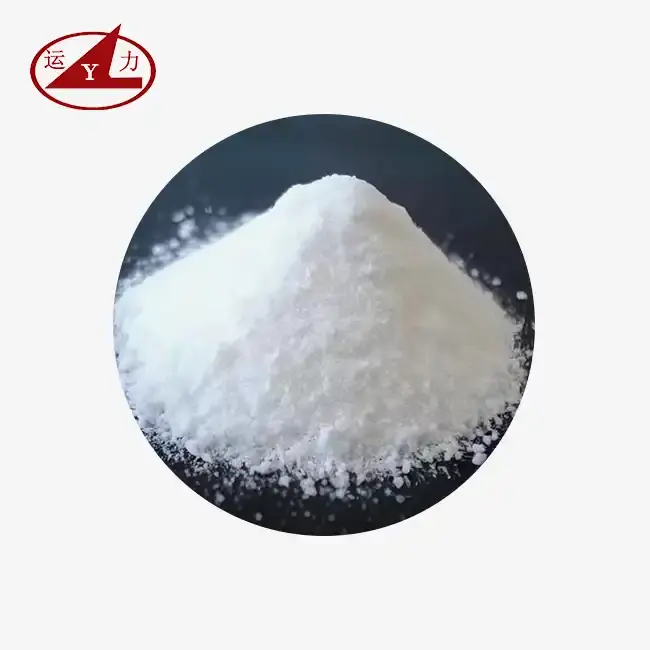
Traditional thermal fluids have problems that molten salt systems solve at their core. We mix sodium nitrate, potassium nitrate, and sodium nitrite in eutectic ratios, which are usually 53% KNO₃, 40% NaNO₂, and 7% NaNO₃. This gives the mixture a melting point of 142°C ± 2°C and makes it stable up to 550°C when not reacting with anything else.
Key Physical and Thermal Characteristics
Our salts have a thermal conductivity of at least 0.5 W/m·K, which lets heat move quickly through small system designs. Its specific heat capacity is higher than 1.5 kJ/kg·K, making it much better than synthetic organic fluids. At working temperatures, density stays between 1.8 and 2.0 g/cm³, and viscosity stays below 5 cP at 300°C, which is low enough to keep the flow turbulent and the pump working well. As a direct result of these qualities, equipment needs to be smaller, capital costs are cheaper, and energy recovery rates are better.
Chemical Stability and Environmental Safety
Unlike options built on hydrocarbons, these Heat transfer salt formulations have almost no vapour pressure, which means they don't release volatile organic compounds. Under normal working conditions, they stay non-flammable. This lowers the risk of insurance claims and the work needed to follow regulations. It is compatible with stainless steel types 304, 316, and 321, but the chloride content must be strictly controlled below 500 ppm to keep austenitic metals from stress corrosion cracking.
Types of Heat Transfer Salt and Their Industrial Applications
Different thermal needs are met by our range of products, which are all made with custom formulations that have been checked for purity using ICP-MS and ion chromatography.
Nitrate-Based Formulations for Solar Energy Storage
These salts are the main heat storage in concentrated solar power plants. When the sun is shining the brightest, liquid salt moves through receiver tubes on top of solar towers and soaks up heat up to 565°C. Later, the stored energy powers steam engine generators for 10 hours or more after the sun goes down, making base-load green electricity production possible. When our products are covered by nitrogen blanketing systems, they stay stable at high temperatures for thousands of heating cycles with very little breakdown.
High-Purity Salts for Chemical Processing
To manage exothermic reactions in the production of melamine and acrylic acid, temperatures must be carefully kept between 350°C and 450°C. At these temperatures, regular thermal oils turn into carbon dioxide, but our liquid salts consistently remove heat from jacketed reactors. Controlling impurities is very important here. The iron content stays below 30 ppm, and sulphate levels are kept as low as possible to stop fast decomposition that could hurt the quality of the product.
Waste Heat Recovery in Heavy Industry
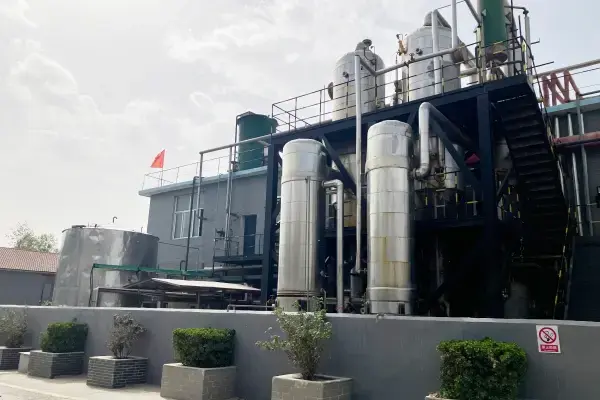
Flue gases with temperatures that can vary above 500°C are released by metallurgical and cement plants. Our salts are better at capturing this thermal energy than direct steam production because they have a high thermal inertia that keeps output stable even when input conditions change. This restored energy powers secondary processes or warms up the air for combustion, which in most setups cuts fuel use by 15 to 25 percent.
How to Choose the Best Heat Transfer Salt for Your High-Temperature System?
A structured selection technique helps procurement managers balance performance needs with lifetime costs. Before making big purchases, we suggest that you look at six important factors.
Operating Temperature Range Assessment
The Heat transfer salt composition is determined by the system's highest temperature. Standard nitrate-nitrite blends can be used in temperatures between 150°C and 500°C. Better blends with controlled atmospheres can be used safely up to 550°C. When systems are close to their upper limits, they need to automatically check the temperature and purge nitrogen to stop nitrite from breaking down into nitrate through oxidation.
Chemical Compatibility and Corrosion Management
The amount of chloride ions has a direct effect on how long equipment lasts. Our strict quality control keeps chloride levels below 500 parts per million (ppm) in standard grades and below 20 parts per million (ppm) in high-purity options for important uses. This difference stops stress corrosion cracking in stainless steel pipes, which can happen when even small amounts of chloride are exposed to high temperatures and cause severe breakdowns.
Thermal Performance Verification
Ask for official test results based on ASTM E1461 (thermal conductivity) and DSC analysis (specific heat capacity). These factors affect the size of the heat exchanger and the choice of pump. Our product specs include test results that are unique to each batch and can be traced back to calibrated instruments. This takes the guessing out of designing the system.
Moisture Control Requirements
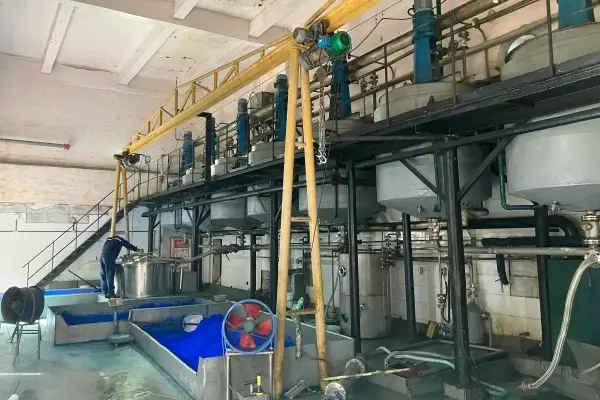
When heating frozen salt, the moisture level must stay below 0.5% to avoid the risk of a steam blast. When we package products, we use desiccant to keep them safe, and we suggest system commissioning steps that include slowly heating the system under controlled conditions. Taking care of moisture properly also stops nitrite hydrolysis, which weakens heat qualities.
Procurement Guide: How to Buy Heat Transfer Salt Efficiently?
To set up reliable supply chains for tonnage amounts, suppliers must be judged by operational and compliance standards that reduce the risk of disruption.
Certification and Quality Documentation
Certifications like ISO 9001, ISO 14001, and OHSAS show that the manufacturing process is uniform. Yunli Chemical is an enterprise technology center accredited at the provincial level in Shanxi Province. They also have their own analytical tools, such as ICP-MS and atomic absorption spectroscopy. A Certificate of Analysis (COA) is included with every shipment. It shows the melting point, impurity profiles, and moisture content. Material Safety Data Sheets (MSDS) make sure that rules are followed all over the world.
Supply Chain Resilience and Flexibility
Our factory-direct model for Heat transfer salt gets rid of markups for middlemen while keeping yearly production capacity at more than RMB 1 billion in sales volume. Self-operated export businesses offer reliable lead times to U.S. markets, usually three to four weeks for large orders. We can meet your specific needs for packaging, ranging from 25 kg bags to intermediate bulk containers (IBCs). We also provide aqueous solutions at certain concentrations to make handling easier.
Strategic Purchasing Considerations
There are no minimum order quantities, so you can try a sample before committing to the whole batch. We even offer up to 500 grams for free for lab testing. When you buy in bulk, you get better payment terms and expert help while the system is being set up. Long-term contracts with price stabilisation terms protect budgets for buying things from changes in the prices of raw materials.
Best Practices and Safety Guidelines for Handling Heat Transfer Salt
For operations to run smoothly, strict rules must be followed for storage, handling, and maintenance. These rules are meant to protect people and keep products safe.
Storage and Melting Procedures
Keep solid salt in dry, temperature-controlled stores away from things that won't work with it, like organic acids or reducing agents. When charging the system, use gradual heating profiles (usually 50°C per hour) to avoid thermal shock and let the moisture evaporate in a controlled way. To keep salt above 142°C (the point at which it freezes), all pipes and valves need to have extra electrical heat tracing.
System Integrity and Monitoring
Set up continuous temperature monitoring with interlocks that will shut down the system automatically if temperatures get close to 570°C, which is the point at which decomposition speeds up. Covering the eutectic with nitrogen stops oxygen from getting in, which changes nitrite to nitrate and slowly changes the makeup of the eutectic. Every year, salt samples are taken and analysed to find carbonate buildup or impurity buildup. This helps with planning maintenance or chemical regeneration needs.
Environmental Compliance and Disposal
Even though the EPA says that wasted salt is not dangerous, it must be thrown away according to rules for industrial trash. Chemical renewal makes things last longer than 20 years, which cuts down on waste. Yunli Chemical gives detailed advice on ways to recover salt, such as getting rid of carbonate by controlling acidity and filtering.
Conclusion
Choosing better thermal management options like Heat transfer salt can make high-temperature industrial processes much more efficient. When compared to pressurised steam systems or degradable organic fluids, molten salt formulas offer the best temperature stability, safety benefits, and cost-effectiveness. To make implementation work, you need to work with manufacturers who can show you they have good quality control, full technical support, and reliable global logistics. We can meet the high standards of U.S. buying workers in charge of solar energy setups, chemical production facilities, and thermal storage projects thanks to our 20 years of production experience, ISO-certified quality systems, and advanced analytical tools.
FAQ
Q1: What is the maximum safe operating temperature for molten salt systems?
A: Standard formulations can be used constantly up to 500°C, and they can be used up to 550°C if they are covered by a nitrogen atmosphere that stops nitrite from oxidising. If the temperature goes above 570°C, breakdown speeds up and needs to be fixed right away.
Q2: How is freezing risk managed during plant shutdowns?
A: Since salt hardens at around 142°C, all of the pipes need two separate electrical impedance heating systems. Temperatures stay above the melting point with controlled cooldown procedures, or systems are made so that they drain completely before cooling.
Q3: Can these salts be used with carbon steel piping?
A: Above 400°C, carbon steel oxidises at too fast of a rate. 304, 316, and 321 stainless steel grades are standard materials in the industry. The amount of chloride in these grades is carefully managed to keep austenitic alloys from stress corrosion cracking.
Q4: What happens if water contaminates the salt system?
A: When water comes in contact with molten salt, the volume of the salt quickly expands, which is called a steam explosion. For safety reasons, systems must be hermetically sealed and strict moisture control must be used during charging. These requirements are confirmed during commissioning.
Contact Yunli Chemical for Premium Heat Transfer Salt Solutions
With more than 20 years of experience, Yunli Chemical is your trusted heat transfer salt manufacturer for utility-scale solar installations and chemical processing plants. Our ISO-certified quality management makes sure that every batch meets strict purity standards, such as having a chloride content below 500 ppm, a moisture content below 0.5%, and thermal properties that have been tested in a way that meets ASTM standards. Factory-direct price cuts out the middleman, and our self-run export team makes sure that products get to U.S. markets on time by offering custom packing and concentration options. Contact wangjuan202301@outlook.com right now to get a free 500-gram sample and see how well it works in your unique application. Work with a Provincial-Level Enterprise Technology Center that combines cutting-edge research and development with quick technical support to make sure your heating and cooling systems work perfectly and reliably for decades.

References
1. Bauer, T., Laing, D., & Tamme, R. (2012). Overview of Molten Salt Storage Systems and Material Development for Solar Thermal Power Plants. Proceedings of the SolarPACES Conference.
2. Goods, S. H., & Bradshaw, R. W. (2004). Corrosion of Stainless Steels and Carbon Steel by Molten Mixtures of Commercial Nitrate Salts. Journal of Materials Engineering and Performance, 13(1), 78-87.
3. Vignarooban, K., Xu, X., Arvay, A., Hsu, K., & Kannan, A. M. (2015). Heat Transfer Fluids for Concentrating Solar Power Systems—A Review. Applied Energy, 146, 383-396.
4. Pacheco, J. E., Showalter, S. K., & Kolb, W. J. (2002). Development of a Molten-Salt Thermocline Thermal Storage System for Parabolic Trough Plants. Journal of Solar Energy Engineering, 124(2), 153-159.
5. Zhao, C. Y., & Wu, Z. G. (2011). Heat Transfer Enhancement of High Temperature Thermal Energy Storage Using Metal Foams and Expanded Graphite. Solar Energy Materials and Solar Cells, 95(2), 636-643.
6. Williams, D. F. (2006). Assessment of Candidate Molten Salt Coolants for the NGNP/NHI Heat-Transfer Loop. Oak Ridge National Laboratory Technical Report ORNL/TM-2006/69.