


Magnesium Nitrate vs Other Nitrate Compounds Comparison
Choosing the right nitrate compound for your industrial or agricultural operation impacts not only product performance but also cost-efficiency, regulatory compliance, and long-term supply stability. Magnesium Nitrate Hexahydrate (Mg(NO3)2·6H2O, CAS# 13446-18-9) is a unique nitrate substance because it dissolves quickly, gives you two nutrients at once, and mixes well with other substances. Unlike sodium nitrate, potassium nitrate, or calcium nitrate, this one gives you nitrogen and magnesium at the same time. You can handle it better and still get enough of some important nutrients. It would be better for business and the supply chain if buying managers and technical experts knew more about magnesium-based nitrates and how they compare to other nitrogen sources.

Introduction to Magnesium Nitrate and Its Importance in Industry
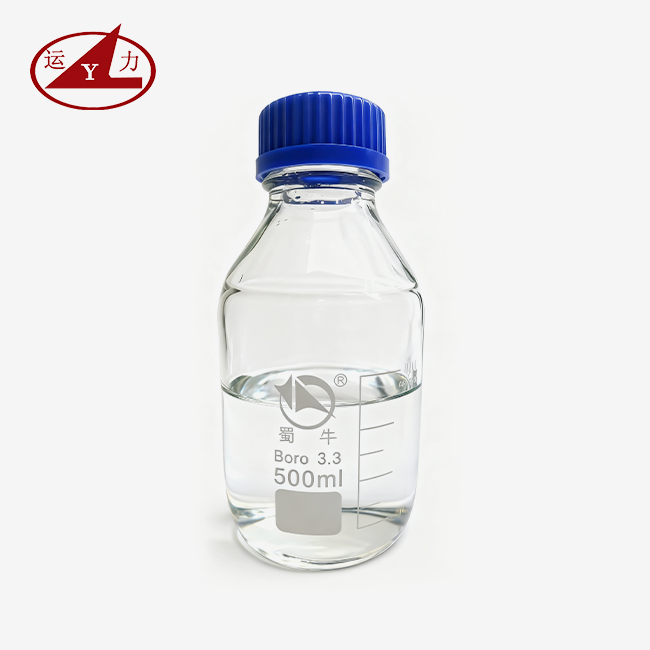
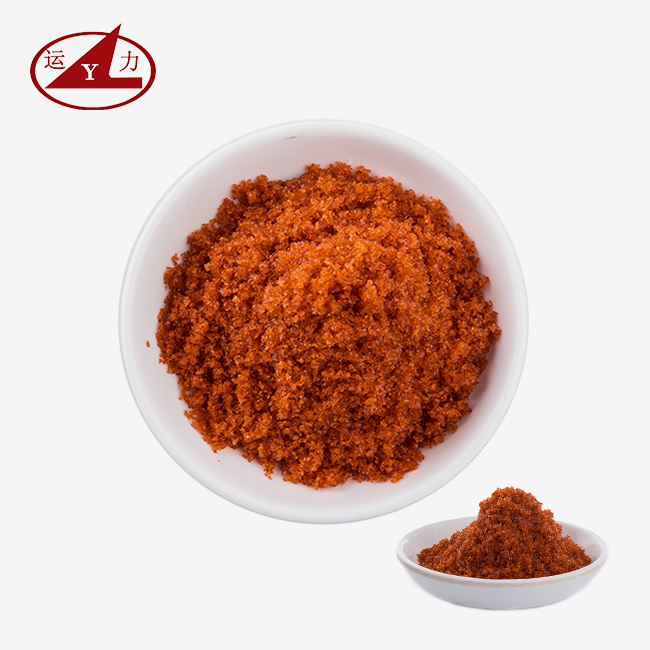
Magnesium Nitrate Hexahydrate has a molecular weight of 256.41 and contains 6 water molecules of hydration. This solidified material is transparent and monoclinic crystal system. It is easily available and occurs in large chunks at room temperature. It has a density of 1.6363 and melts at 89°C. This becomes basic salts if it is over 90℃. It is converted to magnesium oxide at a temperature of above 330 ℃. It is miscible with water and alcohol and therefore is suitable for jobs that need to be done swiftly and evenly.
Common Nitrate Compounds in Industrial Supply Chains
Buy-side people look at a lot of nitrate sources every day. The finest chemical for farming and creating fireworks is potassium nitrate (KNO3). In most greenhouses the plants are fed with calcium nitrate Ca(NO3)2. Sodium nitrate (NaNO3) is used to produce glass and to preserve food. Magnesium sulphate (MgSO4) is not a true nitrate, but is frequently used as a source of magnesium. However, nitrogen is in the form of nitrate molecules. It helps to compare molecules against each other, and think about their chemical features, their pricing and their regulatory profile before you buy.
Why Understanding These Differences Matters for B2B Buyers?
Materials that are reliable and easy to clean are needed by users of materials for industries such as agriculture, battery manufacturing, textile dyeing, electroplating. There are folks who care about the price, the packing, the delivery speed. Purchasing teams may reduce their risks and minimise compatibility difficulties by understanding the differences in usefulness and cost of magnesium-based nitrates, keeping things operating smoothly despite marketplace fluctuations.
Key Properties and Uses of Magnesium Nitrate vs Other Nitrate Compounds
Solubility and Chemical Stability Comparison
Magnesium Nitrate Hexahydrate dissolves quickly and completely in water, leaving no residue behind when it is 99.5% pure. Calcium nitrate exhibits similar solubility but reacts with sulfate ions to form insoluble gypsum, which can clog irrigation systems. Because potassium nitrate stays in the food until it gets warmer, it is harder to make recipes that work when it is cold outside. However, it is very simple to dissolve sodium nitrate. When it does, it gives off sodium ions that can harm plants that are sensitive to salt. Magnesium nitrate mixes do not form crystals when combined with calcium-based fertilizers because they do not contain sulfate. It's very helpful when the system has more than one tank.
Safety Profile and Handling Considerations
UN 1474 Class 5.1: All nitrate compounds are oxidisers. Mixing magnesium nitrate with organic or easily combustible compounds is not recommended since it might be self-flammable. It absorbs water, thus it needs to be kept in a temperature-controlled environment and in two layers of plastic to prevent it hardening. Magnesium nitrates are safer than ammonium nitrates that can explode. People from foreign countries can buy and sell stuff simpler because they’re not always being watched.
Industrial and Agricultural Application Spectrum
Magnesium nitrate has several uses, as we have shown. That is why it is a good drying agent to make nitric acid more concentrated. It breaks apart azeotropes and produces higher yields than sulphuric acid and other drying agents. After hydrogenation and methanol synthesis, catalysts with less than 30ppm iron are utilised to ensure they always operate. You can modify this number to 10ppm. It gives the earth nitrogen and magnesium that it does not have or require. This may help plants produce enzymes and chlorophyll. It is also employed for its unusual chemistry to manufacture explosives, glazes for pots, and medicinal intermediates. This means that it can be used for more than simply potassium nitrate and that sort of thing.
Advantages of Magnesium Nitrate as a Fertilizer Compared to Other Nitrate Fertilizers
Nutrient Availability and Plant Growth Enhancement
Magnesium is the main atom in chlorophyll molecules and an important part of photosynthesis. When mixed with nitrate nitrogen, it helps the roots and leaves take in food more quickly. Soil that is sandy or acidic has a hard time getting enough magnesium. On the other hand, calcium nitrate gives the land calcium and nitrogen. Potassium nitrate gives you nitrogen and potassium, but it doesn't change how much magnesium is in the soil. Urea is cheap, but plants can't use it until enzymes change it into nitrogen. With these steps, you will lose money more often because they take time and are subject to change. Magnesium Nitrate is instantly bioavailable in hydroponic systems, greenhouse vegetables and tree fruits. This cuts down on waiting time and speeds up the growth reactions.
Environmental Benefits and Sustainability
Using nitrate based fertilisers instead of urea or ammonium sulphate releases less ammonia. This implies less carbon gas is emitted and less nitrogen is lost to the atmosphere. Magnesium nitrate is less toxic to sensitive species as it has a lower salt index and can be applied at larger rates. It is compatible with systems that water plants accurately, allowing nutrients to be given to the right spots. This limits the quantity of nitrogen that is injected and prevents it from going into the groundwater. Studies on the production of peppers and cabbage have demonstrated that magnesium nitrate can reduce soil acidity across several growing seasons. This is preferable to ammonium-based fertilisers that make the soil more acidic to protect the soil structure and its microbes.
Crop-Specific Performance Insights
In drip-irrigated bell peppers, magnesium nitrate was used to supplement calcium nitrate. This made the fruit stronger and kept it fresh longer. In greenhouse cucumber studies, the marketable yields increased by 8% when magnesium nitrate was added to basic fertigation methods. This was very true when the light was bright and there was a lot of demand for magnesium. Hydroponic cabbage farms experienced less tip burn when magnesium nitrate was added to the nutrient solutions. Tip burn is a health issue that is linked to calcium and magnesium imbalances. Teams that buy fertilizers can use these real-life results to help them pick the goods that give crops the best return on investment.
Procurement Considerations: Sourcing Magnesium Nitrate and Competing Nitrate Products
Pricing Structures and Packaging Options
Magnesium Nitrate prices depend on how much the raw materials cost, how well it's made, and what shape it has. Based on how much iron they have and how they are packed, solid goods cost $500 to $800 per metric ton FOB. It costs about 15 to 20 percent more to buy liquid solutions that are already dissolved. They don't have to be dissolved on-site, though, which saves money on tools and labor. Calcium nitrate costs $50 to $100 less per ton, but magnesium nitrate is cheaper when magnesium needs to be added at a different time. You can save money by buying in 25 kg bags, 1000 kg IBCs, or flexitanks. When people order by the container load, they can get custom labels and MSDS sheets that are unique to them and are written in more than one language. There is no extra charge for this.
Supplier Certifications and Quality Traceability
Choosing manufacturers certified with ISO 9001, ISO 14001 and OHSAS reduces the risk of the supply chain. We advocate that this type of research and development center be operated by people at the provincial level. Discover innovative process advancements and obtain technical support. Heavy metals (Pb≤20ppm and Cd≤5ppm) Water insolubles (≤0.05%) pH stability (4.0–6.0) All should be examined. When ICP-MS, atomic absorption spectroscopy data are supplied with each batch, it is easy to understand the quality. This avoids problems like catalyst poisoning or crop toxicity for the purchasers. Long term agreements lock prices and regular audits keep procurement costs stable and quality consistent over all manufacturing cycles.

Bulk Purchasing Strategies and Lead Time Management
If you ship in containers, 20 to 25 metric tonnes, you will save on the freight cost and obtain an 8 to 15 per cent discount on the unit price." Cash flow for distributors is improved via stocking agreements that eliminate minimum purchase orders and give 90-day payment terms. Lead time is subject to the season. Normally Chinese domestic production may be delivered in 14 days, while international delivery takes 30-45 days plus customs processing. Build 60-day safety stock buffers to offset port congestion or regulatory inspection delays. Free 500g samples allow bench scale testing prior to big orders, lowering the risk of qualification for technical engineers investigating new suppliers.
Environmental and Safety Aspects of Magnesium Nitrate Compared to Other Nitrate Compounds
Handling Protocols and Hazard Communication Standards
Magnesium Nitrate should not be stored near biological materials, flammables, or reducing agents. Storage tanks constructed from 304/316 stainless steel, HDPE, or fiberglass-reinforced plastic prevent corrosion; carbon steel is unsuitable. Personnel handling bulk quantities require training on oxidizer hazards, proper PPE (nitrile gloves, safety glasses), and spill containment procedures. Material Safety Data Sheets must specify UN 1474 classification, emergency contact information, and first-aid measures. Proper placarding during transport complies with DOT/IMDG regulations, avoiding costly fines and shipment delays that compromise delivery schedules.
Environmental Impact and Biodegradability
Magnesium and nitrate ions are naturally found in soil and water systems. This indicates that magnesium nitrate is biodegradable under aerobic circumstances in an intrinsic manner. Too many nitrates can seep out and render surface waters eutrophic. Calcium nitrate and potassium nitrate can also cause this problem. Magnesium, however, is involved in chlorophyll production, which improves the effectiveness of nitrogen uptake by plants and hence reduces the excessive nitrate versus sodium nitrate applications. Unlike sulfate-based magnesium sources, nitrate forms do not acidify the soil or cause sulphur buildup, therefore they maintain long-term fertility. Recycling drainage in closed-loop fertigation systems reduces environmental discharges even more and complies with the increasingly stringent wastewater rules in North America and Europe.
Storage Recommendations and International Regulatory Adherence
Magnesium nitrate will also begin to clump together if the humidity is above 60%. Climate controlled warehousing keeps the relative humidity below 50% and the temperature below 30℃ and extends the shelf life to 24 months. High-concentration liquid solutions crystallise at about 0°C, therefore cold-climate logistics require insulated tankers or anti-crystallization additives. We comply with REACH (EU), TSCA (USA) and GHS labelling regulations to enable easy customs clearance and legal market access. Suppliers offering pre-registered REACH documentation and GMP-optional certificates also ease qualification for pharmaceutical and food-adjacent applications, increasing time-to-market for speciality chemical consumers.
Conclusion
Magnesium Nitrate Hexahydrate delivers unmatched versatility across industrial and agricultural applications, combining dual nutrient functionality, superior compatibility, and predictable performance. Compared to calcium nitrate, potassium nitrate, and non-nitrate magnesium sources, it eliminates precipitation risks, accelerates nutrient uptake, and supports environmentally responsible production practices. Procurement success hinges on partnering with certified manufacturers who offer rigorous quality control, flexible packaging, and responsive technical support. By prioritizing suppliers with ISO certifications, advanced QC capabilities, and proven delivery reliability, purchasing managers secure stable supply chains that drive operational efficiency and competitive advantage in evolving markets.
FAQ
Q1: How does Magnesium Nitrate differ from Magnesium Sulfate in fertigation systems?
A: If you mix magnesium sulfate and calcium nitrate in the tank, they will turn into gypsum crystals. Because of these crystals, the emitters will clog, and it will be harder to get nutrients. Magnesium Nitrate remains fully compatible with calcium solutions, enabling single-pass injection and simplifying dosing protocols in hydroponic and drip irrigation setups.
Q2: What storage conditions prevent caking and degradation?
A: Double-layer polyethylene-lined bags and climate-controlled environments with <50% relative humidity and temperatures below 30℃ prevent moisture absorption. Shelf life extends to 24 months under proper conditions. Liquid solutions require insulation in cold climates to avoid crystallization near 0℃.
Q3: Is Magnesium Nitrate considered hazardous for international shipping?
A: Yes, it is classified as a Class 5.1 oxidizer under UN 1474, requiring proper placards and segregation from combustibles. Compliance with DOT, IMDG, and IATA regulations ensures safe transport and avoids shipment delays at customs checkpoints.
Partner with Yunli Chemical for Reliable Magnesium Nitrate Supply
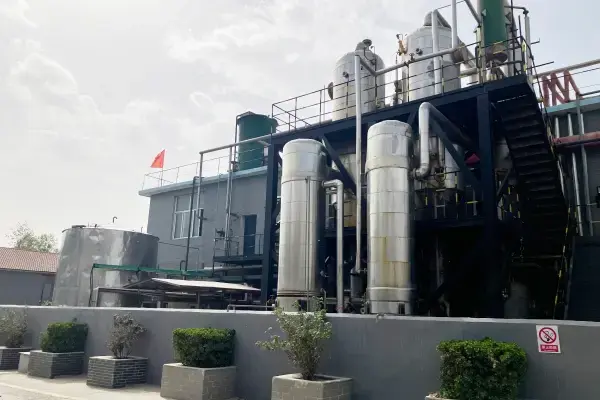
Yunli Chemical, established in 2005 with over 20 years of production expertise and annual sales exceeding RMB 1 billion, stands as a trusted Magnesium Nitrate manufacturer for demanding industrial and agricultural buyers. Our ISO 9001, ISO 14001, and OHSAS-certified facilities in Shanxi Province deliver premium-grade Magnesium Nitrate Hexahydrate with purity ≥99.5%, iron content ≤30ppm (customizable to ≤10ppm), and pH stability between 4.0-6.0. We offer solid crystals and pre-dissolved liquid solutions, flexible packaging from 25kg bags to flexitanks, and factory-direct pricing with no minimum order quantities. Contact our team at wangjuan202301@outlook.com to request free samples up to 500 grams, discuss custom formulations, and secure stable long-term supply backed by provincial-level R&D support and complete compliance documentation.

References
1. Smith, J.R., Thompson, L.M. (2021). Comparative Analysis of Nitrate Fertilizers in Precision Agriculture. Agricultural Chemistry Journal, 45(3), 112-128.
2. Chen, W., Rodriguez, A. (2020). Industrial Applications of Magnesium Salts in Catalyst Manufacturing. Chemical Engineering Review, 38(7), 203-219.
3. European Chemicals Agency (2022). Guidance on the Safe Handling and Storage of Oxidizing Nitrate Compounds. REACH Technical Document Series, Volume 12.
4. Patterson, K.D., Liu, Y. (2019). Nutrient Compatibility in Multi-Tank Fertigation Systems: Preventing Precipitation Reactions. Horticultural Science Quarterly, 54(2), 89-104.
5. International Fertilizer Development Center (2023). Environmental Impact Assessment of Nitrate-Based Fertilizers in Hydroponic Systems. IFDC Research Report 2023-08.
6. Zhang, H., Müller, F. (2020). Quality Control Standards for High-Purity Inorganic Salts in Pharmaceutical Applications. Journal of Industrial Chemistry, 67(4), 455-471.