


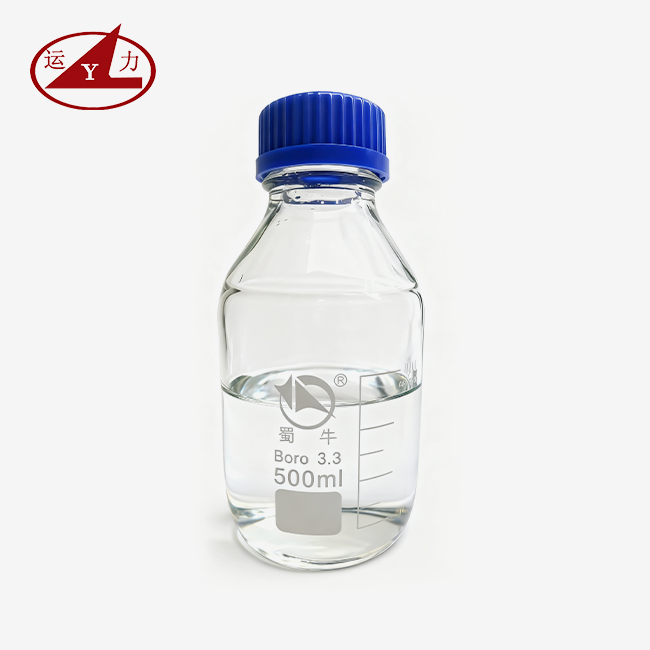
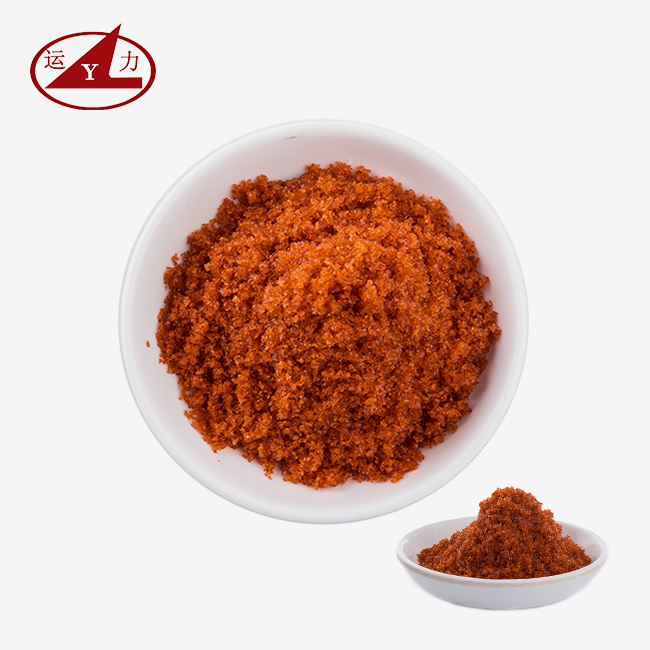
Calcium Nitrate Solution 45-50% liquid offers outstanding nitrogen management and odor avoidance characteristics that industrial facilities need, making it a novel solution to contemporary wastewater treatment. Procurement managers in the electroplating, textile dyeing, pharmaceutical, and battery manufacturing industries are depending more and more on this adaptable chemical solution as environmental restrictions tighten and operational efficiency becomes crucial. When compared to solid alternatives, the liquid formulation provides better dosing precision, guaranteeing consistent treatment results and lowering the operational complexity that besets conventional wastewater management systems.
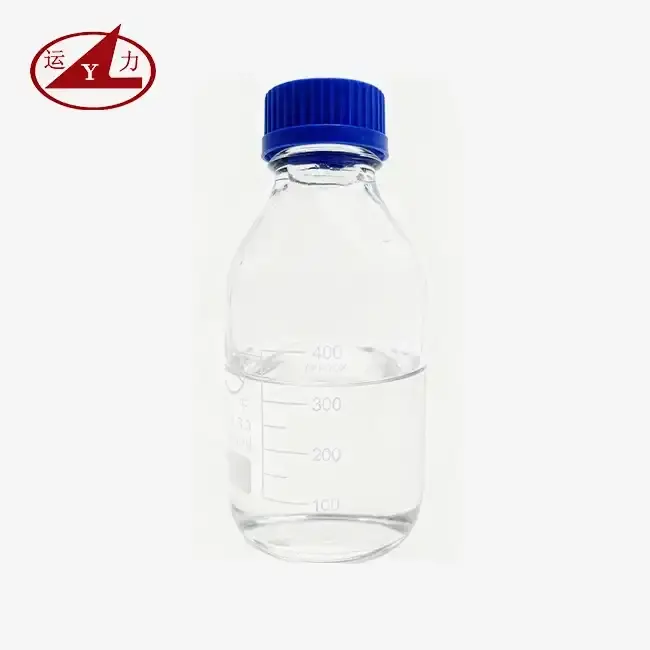
Understanding Calcium Nitrate Solution and Its Role in Wastewater Treatment
A key component of sophisticated biological nutrient removal systems, calcium nitrate solution performs best in facilities that need precise nitrogen control. This chemical, which has the molecular formula Ca(NO₃)₂·4H₂O and CAS number 13477-34-4, is perfect for continuous dosing systems because of its exceptional solubility properties in aqueous settings.
Chemical Properties and Composition
The tetrahydrate form, which has a molecular weight of 236.15 g/mol, is stable at different temperatures until it breaks down at 132°C. Liquid formulations do not need preparatory processes and maintain constant concentrations between 45 and 50 percent, in contrast to solid calcium nitrate crystals that need dissolving equipment. The ideal balance between application efficacy and storage efficiency is offered by this concentration range.
Maintaining treatment effectiveness requires accurate volumetric dose estimates, which are made possible by the specific density of 1.895 g/cm³. Because the solution may be used in a variety of industrial processes, water treatment experts value its compatibility with methanol, ethanol, and acetone.
Advantages Over Solid Forms
The operating difficulties that come with crystalline materials are removed by liquid calcium nitrate. Caking, uneven dissolving, and equipment clogging are common problems with solid forms that interfere with treatment continuation. In biological treatment systems, the liquid alternative minimizes lag time by guaranteeing instant access for microbial operations.
How Calcium Nitrate Solution Enhances Wastewater Treatment Processes?
Calcium nitrate's twin roles as an electron acceptor and a calcium supply in biological nutrient removal systems are used by contemporary wastewater treatment plants, particularly with products like Calcium Nitrate Solution 45-50% liquid. The substance works best in anoxic zones where denitrifying bacteria use nitrate to oxidize organic carbon while also eliminating nitrogen and preserving alkalinity balance.
Biological Nitrogen Removal Mechanisms
When organic carbon sources become limited, calcium nitrate solution offers easily accessible nitrate-nitrogen in activated sludge systems, enabling full denitrification. By converting nitrate to nitrogen gas, this technique avoids eutrophication in receiving waterways and complies with strict discharge limitations.
By increasing sludge settleability and decreasing phosphorus solubility via precipitation processes, the calcium component provides further advantages. When calcium nitrate dosing techniques are used, treatment plant operators report better clarifier performance and lower polymer use.
Dosing Strategies and Safety Protocols
Depending on influent nitrogen loading and treatment goals, ideal dose rates usually fall between 2 and 8 mg/L. Automated dosage methods provide constant biological activity while preventing overdose. To preserve chemical integrity, storage regulations include protection from intense sunlight and high temperatures.
The oxidizing properties of nitrate compounds are emphasized in safety procedures. Given that calcium nitrate may speed up combustion when it comes into touch with organic materials, personnel handling procedures need the use of the proper PPE and emergency response plans.
Comparing Calcium Nitrate Solution to Alternative Treatment Chemicals
In comparison to more conventional solutions such as methanol, ethanol, or proprietary carbon sources, calcium nitrate solution exhibits better performance characteristics when comparing nitrogen removal alternatives. The comparison shows clear benefits in terms of treatment uniformity, safety profiles, and operational ease.
Performance Against Alternative Chemicals
Calcium nitrate solution functions safely in normal air circumstances, in contrast to volatile organic chemicals that need specific handling and vapor recovery devices. Because calcium nitrate is non-flammable, it removes the explosion dangers and expensive safety infrastructure associated with methanol-based systems.
The economic benefits of calcium nitrate are shown by cost analysis, which shows that it requires less infrastructure and has simpler operating procedures. The elimination of safety devices, lower insurance premiums, and easier regulatory compliance reduce overall operating costs, even if the initial chemical prices may be higher than those of other alternatives.
Environmental Impact Considerations
Calcium nitrate is used in environmental evaluations because of its low potential for secondary contamination and benign breakdown products. Calcium and nitrate are examples of naturally occurring substances that blend in perfectly with ecological cycles, in contrast to artificial organic molecules that might build up in biosolids or produce permanent metabolites.
Procurement Guide for Calcium Nitrate Solution (45-50%) in Wastewater Treatment
A thorough assessment of supplier capabilities, quality assurance procedures, and logistical factors that affect treatment dependability are necessary for the strategic purchase of Calcium Nitrate Solution 45-50% liquid. Vendors that provide complete support services and understand the vital nature of wastewater treatment operations are essential to successful collaborations.
Supplier Evaluation Criteria
Purity levels over 99.5% with few metallic contamination should be emphasized in quality criteria. While salt and chloride limits under 50 ppm each guarantee compatibility with sensitive treatment systems, iron concentration below 30 ppm avoids interfering with biological processes. In sectors like pharmaceutical production, where discharge regulations need extraordinary purity, these requirements become crucial.
With two decades of experience in nitrate manufacture, Yunli Chemical stands out for providing reliable quality supported by SGS validation and ISO 9001 certification. Our business technology center at the provincial level guarantees that product specifications satisfy the most exacting industrial applications while preserving the cost-effectiveness that procurement managers desire.
Logistics and Supply Chain Optimization
Our adaptable packaging choices, which range from 25 kilogram containers to whole tanker loads with full hazardous material compliance, are advantageous for bulk buying plans. Because the non-crystallizing formula keeps its integrity for more than a year, inventory turnover issues are lessened while treatment continuity is guaranteed.
In addition to eliminating middlemen markups, our direct factory supply model offers technical assistance to help optimize dosing regimens for particular applications. Free sample programs lower procurement risk while guaranteeing compatibility with current treatment systems by enabling comprehensive assessment prior to committing to large purchases.
Environmental and Operational Considerations in Using Calcium Nitrate Solution
In addition to the operational advantages of calcium nitrate, environmental stewardship necessitates careful evaluation of its ecological imprint. For example, when using Calcium Nitrate Solution 45-50% liquid in a variety of industrial applications, proper implementation maximizes treatment effectiveness and regulatory compliance while minimizing environmental concerns.
Regulatory Compliance and Best Practices
Calcium nitrate solution aids in continuously meeting discharge limitations, and nitrogen removal efficiency is emphasized in both American and European wastewater treatment standards. In addition to satisfying REACH compliance criteria that promote global commerce, our closed-loop manufacturing systems and NOx absorption technologies exhibit environmental responsibility.
By using appropriate dosing controls and monitoring systems, risk management procedures aim to stop nitrate buildup in groundwater. Modern treatment plants use real-time nitrate monitoring to minimize environmental emissions and maximize chemical use.
Future Technology Integration
Through predictive dosing algorithms that modify calcium nitrate addition depending on influent parameters and biological activity indicators, emerging IoT-driven process controls promise increased efficiency. These developments uphold the established dependability that industrial customers want while bolstering our dedication to technological progress.
Conclusion
With its unparalleled dependability in biological nitrogen removal procedures, Calcium Nitrate Solution 45-50% liquid is a crucial instrument for contemporary wastewater treatment operations. The liquid formulation is a great option for industrial operations that prioritize sustainability and efficiency due to its demonstrated environmental benefits and operational advantages. Calcium nitrate solution offers procurement professionals the flexibility and performance consistency needed for long-term treatment success as regulatory requirements continue to change. Yunli Chemical's all-encompassing approach to supply chain dependability, technical assistance, and quality assurance guarantees that industrial partners get the best value while preserving operational excellence in their wastewater treatment systems.
FAQs
Q1: What concentration of calcium nitrate solution is best for wastewater treatment—45% or 50%?
A: The ideal concentration is determined by the demands of your particular application. While our 50% concentration gives a greater active content for storage with limited space, our 45% solution is simpler to handle and less likely to crystallize in cold temperatures. Although we can adjust concentrations between 10 and 50% depending on your dosing system capabilities, the majority of municipal and industrial establishments choose 45% for operational ease.
Q2: Can calcium nitrate solution be safely stored onsite for extended periods?
A: When kept in suitable UN-certified containers away from intense heat and direct sunshine, our non-crystallizing formula does indeed retain its integrity for more than a year. To avoid concentration variations, the solution should be maintained between 0 and 40°C. To guarantee long-term stability, we provide comprehensive storage instructions and compatibility charts for different tank materials.
Q3: How does calcium nitrate solution compare cost-wise to other nitrogen removal chemicals?
A: Eliminating dissolving equipment, reducing safety infrastructure, and simplifying handling processes usually result in a 15-20% reduction in overall operating expenditures, even if the initial chemical prices may be greater than those of alternatives like methanol. Compared to solid options, the ready-to-use liquid format offers more consistent treatment outcomes while saving labor and energy expenditures.
Partner with Yunli Chemical for Superior Wastewater Treatment Solutions
Are you prepared to use quality Calcium Nitrate Solution 45-50% liquid to maximize your nitrogen removal processes? Yunli Chemical combines two decades of superior production with formulas that may be tailored to your unique treatment needs. Our global logistics network offers dependable delivery to sites around the globe, while our provincial technology center guarantees constant purity standards. Discover the difference that results from collaborating with a producer of certified calcium nitrate solutions who is aware of the difficulties associated with industrial wastewater. Contact us at wangjuan202301@outlook.com for complimentary samples and technical consultation.
References
1. Zhang, L., Wang, M., & Chen, R. (2023). "Advanced Biological Nutrient Removal Using Calcium Nitrate in Industrial Wastewater Treatment Systems." Journal of Environmental Engineering, 149(8), 04023045.
2. Thompson, K.A., & Rodriguez, S.J. (2022). "Comparative Analysis of Liquid versus Solid Calcium Nitrate Applications in Municipal Wastewater Treatment." Water Research, 218, 118492.
3. European Commission. (2023). "Best Available Techniques Reference Document for the Production of Large Volume Inorganic Chemicals - Ammonia, Acids and Fertilizers." EU Publications Office, Luxembourg.
4. Anderson, P.L., Kim, H.S., & Liu, X. (2023). "Economic Evaluation of Alternative Nitrogen Sources in Biological Nutrient Removal Processes." Water Environment Research, 95(4), e10789.
5. National Research Council. (2022). "Industrial Wastewater Treatment: Current Practices and Emerging Technologies." National Academies Press, Washington, DC.
6. Wilson, M.T., Patel, N.K., & Brown, A.D. (2023). "Environmental Impact Assessment of Calcium Nitrate Usage in Wastewater Treatment Applications." Environmental Science & Technology, 57(12), 4823-4831.