


Calcium Nitrate Solution 45-50% Liquid: Best Concentration for Crops
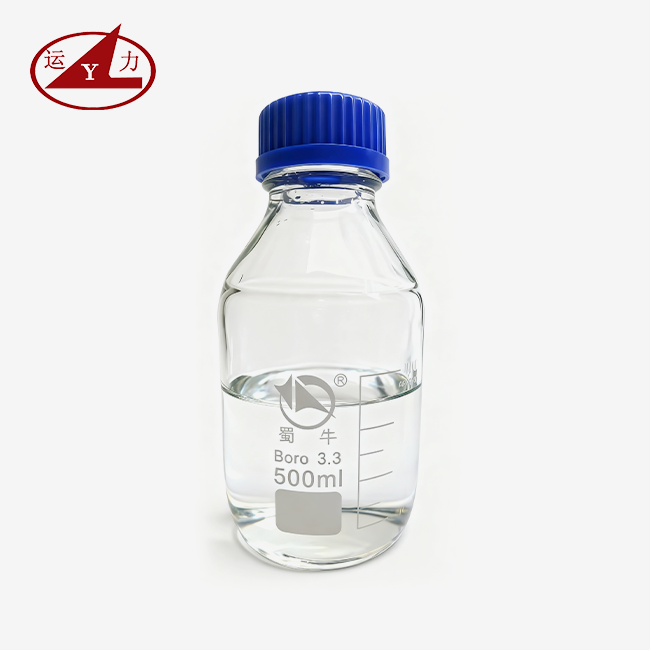
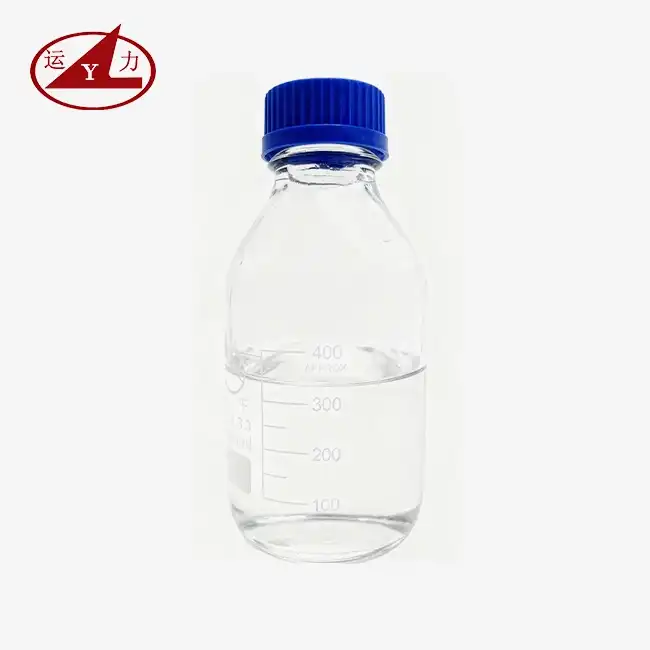
Growers and fertilizer producers routinely recommend calcium nitrate solution 45-50% liquid for nutritional density, handling convenience, and cost effectiveness. Calcium nitrate solution (CAS# 13477-34-4, Ca(NO₃)₂·4H₂O, MW 236.15) is a ready-to-dose liquid that eliminates dissolving processes and reduces energy expenditures by 15-20% compared to solid grades. This exact concentration window lies at the practical saturation limit—dense enough for cheap transport, but stable enough to withstand crystallization at ordinary ambient temperatures above 10°C.
Understanding Calcium Nitrate Solution 45-50% Liquid
Chemical Composition and What It Means for Crops
This amount of liquid calcium nitrate has a specific gravity of 1.40 to 1.50 g/cm³ at 20°C and contains about 16 to 18% CaO equivalent and 8 to 9 percent nitrate nitrogen per unit weight. Calcium enters as Ca²⁺ ions, which are immediately available to plant tissues. Nitrogen is absorbed as NO₃⁻ without competing with cation uptake, which is a major benefit over ammoniacal sources for crops that are sensitive.
Liquid vs. Solid: Why Form Matters in Production
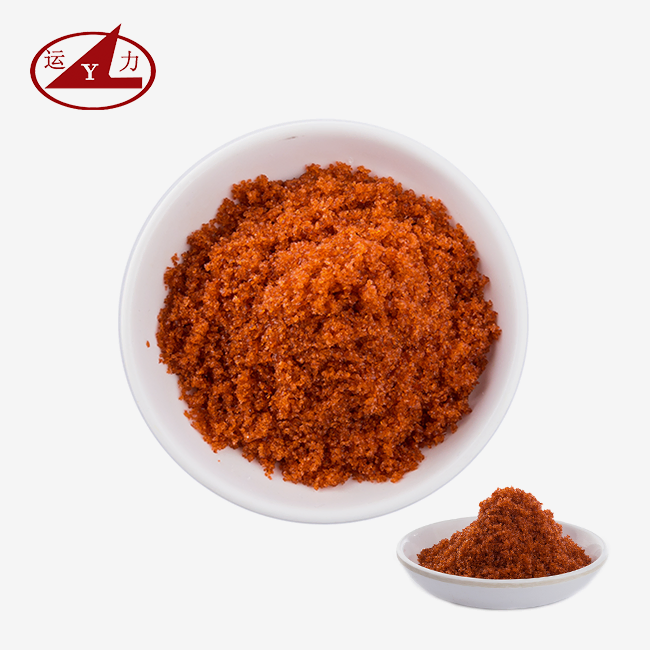
Solid calcium nitrate tetrahydrate has a specific density of 1.895 and breaks down at 132°C. It is very water-absorbing and tends to clump together. The 45–50% liquid formulation gets rid of all of those handling risks. When working with big blending tanks, production supervisors say they save a lot of time because the product doses directly into fertigation or mixing lines without first dissolving.
The 45-50% Range as the Agronomic Sweet Spot
Below 45%, the costs of transportation get worse because you have to pay more for freight on water that isn't needed. When the concentration goes above 50%, the risk of crystallization goes up sharply. Depending on the exact concentration, the solution can start to form rocks between 0°C and 12°C. The 45–50% band fits that needle: it has a high active content, a thickness that is easy to work with for fine-nozzle systems, and enough stability for shipping across borders.
Benefits of Using Calcium Nitrate Liquid Fertilizer
When you switch from granular calcium sources to a high-purity liquid form, the economics of crop nutrition change in ways that are important to both agronomists and procurement directors.
These are the main reasons why this product is a favorite input for large farms and companies that make water-soluble fertilizer:
- Instant nutrient availability: Because Ca²⁺ and NO₃⁻ are already dissolved, plant roots and drip lines receive uniform nutrition from the first second of application. Research published in HortScience (2018) confirmed that soluble calcium delivered through fertigation reduced blossom end rot incidence in greenhouse tomatoes by over 60% versus granular broadcast applications.
- No chloride, no ammonia: Unlike calcium chloride alternatives, this formulation carries zero chloride load, protecting salt-sensitive crops such as strawberries, lettuce, and peppers from chloride toxicity.
- Labor and energy savings at scale: Ready-to-use liquid cuts out dissolution tanks, agitation equipment, and the associated electricity draw—saving operations 15-20% in pre-application processing costs.
It's possible for nutrients in calcium nitrate solution 45-50% liquid to be used right away because the calcium and nitrate are already dissolved. This means that plant roots and drip lines get the same amount of nutrition from the very first second the product is applied. According to a study published in 2018 in HortScience, soluble calcium applied through fertigation cut the number of cases of blossom end rot in greenhouse tomatoes by more than 60% compared to granular broadcast applications.
There is no chloride or ammonia. Unlike other calcium chloride options, this recipe has no chloride load. This keeps crops that are sensitive to salt, like peppers, strawberries, and cabbage from becoming toxic from chloride.
Safety and Storage Guidelines for Calcium Nitrate Solution
Calcium nitrate helps break down things. If you come into direct contact with flammable materials, you could start a fire. The solution is also harmful to your skin and mucous membranes, so you must wear gloves and eye protection when handling it.
Recommended Storage Conditions
Keep it in containers that can be sealed and work with it. Containers made of stainless steel (304/316) or high-density polyethylene (HDPE) work well. Mild steel and copper metals will rust if they come in contact with water. To keep things from crystallizing, keep them in cool places (above 10°C) that are out of direct sunlight and away from burning materials and phosphate or sulfate chemicals.
Transportation Compliance
ADR (road) and IMDG (sea) rules say that shipping of dangerous goods in bulk must follow them. Use IBC tanks or trucks that have been approved by the UN. To meet the needs of customs and port authorities, every shipment must have the right labels and safety data sheets.
Crystallization Risk Management
Insulated or heated tank jackets keep rain from falling if temperatures drop close to or below 10°C while the goods are being moved or stored. When heated, a product that has crystallized will dissolve again, but if the risk is not managed properly, pump blockages during cold snaps can throw off production schedules.
Comparing Calcium Nitrate Solution Concentrations and Alternatives
45% vs. 50%: Practical Differences
A 50% solution has about 4–5% more active ingredient per liter and lowers the cost of freight per unit of calcium supplied. It does, however, need stricter temperature management during the winter. If you live in a colder area or don't have heated storage, a 45% solution gives you a wider safe-handling temperature window.
Liquid Calcium Nitrate vs. Calcium Ammonium Nitrate
Calcium ammonium nitrate (CAN) has nitrate and ammoniacal nitrogen in it. Too much ammonium stops plants from taking in calcium and makes the pH in the root zone less stable in hydroponic systems and low-pH materials. Pure liquid calcium nitrate doesn't contain any ammonium (less than 0.05%), so it is the best supply for precise fertigation.
ROI Comparison with Calcium Chloride
Calcium chloride is less expensive per kilogram, but over time, the chloride ion builds up in growing media and causes salinity stress. In high-value crops, chloride toxicity often causes more crop loss than input cost savings in a single growth season. This means that calcium nitrate solution 45-50% liquid is the better financial choice for veggie and fruit farms.
Best Practices for Applying Calcium Nitrate Solution 45-50%
Fertigation in Drip and Hydroponic Systems
Dose at 100 to 200 ppm Ca in hydroponic nutrient solutions, injected through a separate A-tank to keep it from coming into contact with concentrate tanks for phosphate or sulfate. Don't let the answer EC go above the crop tolerance level. To keep gunk from building up in emitters, always clean lines after use.
Foliar Spray Application
Dilute to a concentration of 0.3 to 0.5% (3-5 g/L equivalent) and apply to the leaves of fruiting vegetables when the cells are expanding quickly. Use early in the morning or late in the afternoon to keep leaves from getting burned by fast drainage. Field tests in apple orchards showed that foliar calcium sprays applied 6 weeks before harvest cut down on bitter pit by 22% (Journal of Plant Nutrition, 2020).
Timing by Crop Growth Stage
When calcium demand is highest, like when fruit sets and cells divide, you should use calcium-rich treatments more heavily. Start fertigating tomatoes and peppers when they are transplanted and increase the amount when they flower for the first time. When you pre-head field corn and fresh greens, you keep the tips from burning and extend the shelf life after harvest.
How to Procure Calcium Nitrate Solution 45-50% for Your Business
Sourcing liquid calcium nitrate at commercial scale requires more than a competitive price—it requires verified purity data, confirmed seasonal capacity, and reliable logistics.
Key Quality Checkpoints Before Purchase
Procurement engineers should request the following from any supplier before committing to a contract: density verification (should read 1.40-1.50 g/cm³ at 20°C to confirm concentration), water-insoluble matter below 0.01%, ammoniacal nitrogen below 0.05%, and heavy metal limits—Pb, Cd, and As each below 10-20 ppm for agricultural-grade product. SGS or third-party validated certificates of analysis are the standard of proof.
Seasonal Capacity and Lead Time Planning
Spring planting and autumn application seasons create demand spikes. Place bulk orders 4-6 weeks ahead of peak need and confirm that your supplier holds verified buffer inventory. Suppliers running ICP-MS and atomic absorption spectrometer equipment in-house can turn around batch test reports faster, shortening your qualification timeline.
Packaging and Logistics Options
Liquid calcium nitrate solution 45-50% liquid ships efficiently in IBC tanks (1,000 L), flexitanks, or dedicated road tankers for domestic delivery. For export, ISO tank containers reduce per-unit logistics cost on orders above 20 metric tons. Confirm ADR/IMDG documentation is included in the shipment package.
Choosing the Right Calcium Nitrate Solution for Your Crops
Matching Concentration to Crop and Climate
Choose 50% for operations in warm climates that need to store heat and use a lot of energy each year. Pick 45% when temperatures drop below 10°C during the winter or when there is no heat in the local storage. The choice is not based on agronomic performance, but on business performance.
Evaluating Supplier Purity Claims
Calcium nitrate made for industry with strict impurity levels (iron ≤30 ppm, sodium ≤50 ppm, chloride ≤50 ppm) meets or exceeds the standards for agricultural-grade calcium nitrate. This uniformity in purity is the buying benefit that should be checked with recorded batch data, not just a product label.
Balancing Price with Supply Reliability
In a market with low profit margins for fertilizer, securing a framework annual supply agreement protects against spot-market price changes caused by changes in the costs of nitric acid and limestone feedstock. To balance your cash flow and inventory needs, talk about volume-tiered prices and rolling 60-day supply plans.
Conclusion
The 45-50% liquid concentration of calcium nitrate solution 45-50% liquid is not arbitrary—it reflects the practical intersection of nutrient density, transport stability, and direct-use convenience that large-scale fertilizer producers and commercial farms require. From preventing blossom end rot in tomatoes to supplying consistent calcium in hydroponic systems, this formulation has a clear agronomic track record. For procurement teams, the decision framework is straightforward: confirm purity data, secure seasonal capacity, and select a supplier whose production scale matches your annual volume requirements.
FAQ
Can liquid calcium nitrate be mixed with phosphate fertilizers in the same tank?
No. Mixing calcium nitrate solution with phosphate or sulfate concentrates causes calcium phosphate or calcium sulfate precipitation, which clogs drip emitters and dosing pumps. Always use separate A and B concentrate tanks and flush lines thoroughly between applications.
What temperature does the 45-50% solution begin to crystallize?
Crystallization typically begins between 0°C and 12°C depending on exact concentration. The 45% grade remains stable at slightly lower temperatures than the 50% grade. Insulated or heated storage tanks are advisable in climates where winter temperatures regularly fall below 10°C.
How does liquid compare to granular calcium nitrate for concrete admixture use?
The liquid form disperses uniformly throughout the concrete mix, eliminating the risk of undissolved granule concentrations that can create structural weak points. This makes it preferred for cold-weather set acceleration applications in construction.
What is the shelf life of sealed liquid calcium nitrate?
Stored in sealed HDPE or stainless-steel containers away from direct sunlight, the solution remains chemically stable for two or more years—significantly longer than hygroscopic solid grades that absorb ambient moisture and cake during storage.
Is this product compatible with automated fertigation dosing equipment?
Yes. Its low viscosity at ambient temperature above 10°C allows it to flow freely through standard peristaltic and venturi injectors without clogging, provided ammoniacal nitrogen content stays below 0.05%.
Get a Direct Quote from Yunli Chemical — Your Calcium Nitrate Solution Supplier
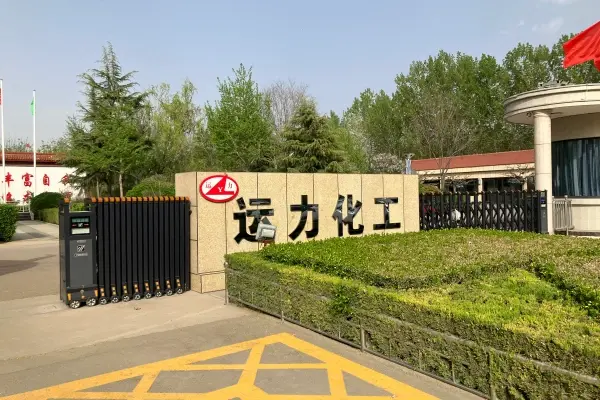
XiaXian Yunli Chemical Co., Ltd. has been making nitrate solutions for more than 20 years. It is certified by ISO 9001, ISO 14001, and OHSAS, and it sends its products to more than 30 countries. With free 500 g samples available and no minimum order size for suitability testing, our calcium nitrate solution 45-50% liquid satisfies industrial-grade purity standards (iron 30 ppm, heavy metals well below farming limits). To get a batch certificate and bulk pricing, email our technical team at wangjuan202301@outlook.com or visit yunlichemical.com right now.
References
1. Hochmuth, G. J., & Hanlon, E. A. (2010). Commercial Vegetable Fertilization Principles. University of Florida IFAS Extension.
2. Benton Jones, J. Jr. (2012). Plant Nutrition and Soil Fertility Manual (2nd ed.). CRC Press.
3. Marschner, H. (2012). Mineral Nutrition of Higher Plants (3rd ed.). Academic Press.
4. Sonneveld, C., & Voogt, W. (2009). Plant Nutrition of Greenhouse Crops. Springer.
5. Lester, G. E., Jifon, J. L., & Makus, D. J. (2010). Impact of potassium and nitrate nutrition on postharvest fruit quality. HortScience, 45(4), 569–575.
6. Shear, C. B. (1975). Calcium-related disorders of fruits and vegetables. HortScience, 10(4), 361–365.