


Calcium Nitrate Solution 45-50% Liquid Supplier Comparison Guide
Choosing the right calcium nitrate solution 45-50% liquid supplier shapes your production costs, fertilizer quality, and seasonal supply reliability. This guide walks procurement managers, agricultural engineers, and distributors through everything that matters — product chemistry, supplier differentiation, logistical realities, and the critical quality benchmarks that separate a dependable partner from a risky one. Whether you manufacture water-soluble fertilizers, concrete admixtures, or run large-scale fertigation operations, the insights here help you secure the best balance of purity, price, and service continuity.

Understanding Calcium Nitrate Solution 45-50%: Properties and Benefits
Chemical Identity and Physical Characteristics
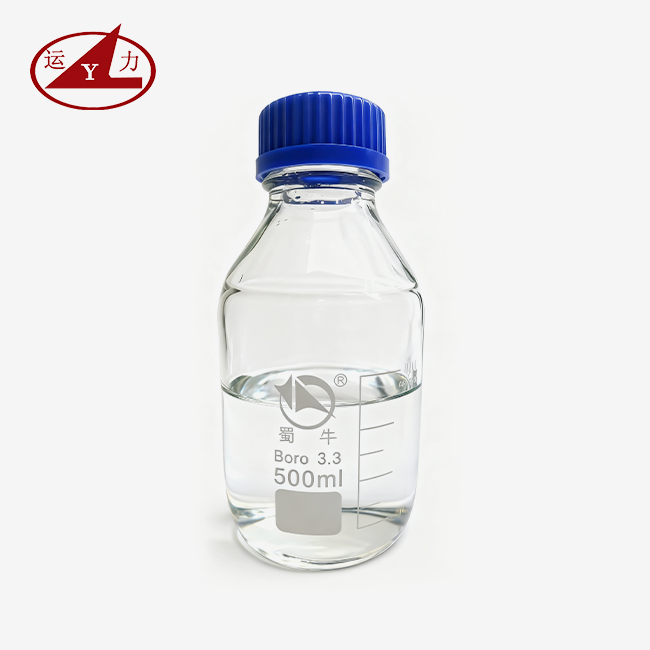
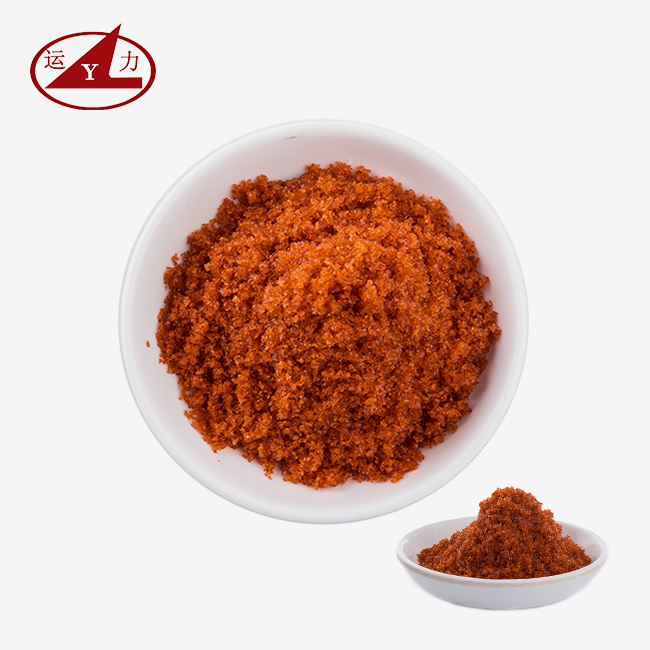
In this concentration range, calcium nitrate tetrahydrate (CAS# 13477-34-4, Ca(NO₃)₂·4H₂O, MW: 236.15) is the building block of all liquid formulations. It breaks down at 132°C and makes white monoclinic crystals with a specific mass of 1.895 g/cm³ when it is solid. It turns into a clear to slightly yellow liquid with a specific gravity of 1.40–1.50 g/cm³ at 20°C when mixed with 45–50% water. It gives off about 8.0–9.0% nitrate nitrogen and 16.0–18.0% calcium oxide equivalent per unit volume.
Because it contains both easily taken calcium (Ca₁) and nitrogen (NO₂), it is clearly better than calcium sources that are based on chloride. Chloride ions build up in the soil and hurt plants over time, but nitrate helps keep the pH level in the root zone healthy and speeds up the plant's ability to take in vitamins.
Why the Liquid Formulation Wins in Industrial Settings?
It is well known that solid calcium nitrate absorbs water and forms clumps, which makes measured dosing and storing more difficult. The 45–50% liquid mix is just the right amount of saturated: it's dense enough to keep shipping volume low, but fluid enough to consistently pump through automatic fertigation lines and concrete batching systems without dissolving first. When producers move from granular to liquid forms, they usually see 15–20% drops in the costs of energy and labor for dissolving, mixing, and equipment downtime. For calcium nitrate solution 45-50% liquid, this balance of concentration, pumpability and operational savings is what makes it the practical choice for automated fertigation and concrete batching.
Comparing Calcium Nitrate Solutions: Supplier and Product Differentiation
45% vs. 50%: Which Concentration Fits Your Process?
The 5-point difference between 45% and 50% has real effects on how things work. The 50% solution has more active ingredients per truck load, which lowers the cost of freight per kilogram of shipped nutrients. This is helpful for buyers who ship a lot of nutrients over short to medium distances. But the temperature at which it starts to crystallize rises to about 10–12°C. This means that winter storage in northern areas needs to be sealed or trace-heated. The 45% mixture crystallizes closer to 0–3°C and has wider handling safety margins for storage at room temperature in most of the continental United States.
As a safety measure, insoluble matter must stay below 0.01% in hydroponic and drip-fertigation systems. The amount of ammoniacal nitrogen should not be more than 0.05% because ammonium causes calcium to settle in feed tanks and makes pH unstable in rockwool or coco substrates.
How Yunli Chemical Stands Apart from Standard Market Offerings
These standards address the main worry of companies that make water-soluble fertilizer: one batch of calcium input that isn't up to standards can ruin a whole production run and lead to expensive product recalls.
- Purity: ≥99.5% nitrate content, iron ≤30 ppm, sodium ≤50 ppm, chloride ≤50 ppm — verified by ICP-MS and atomic absorption spectrometry at an in-house provincial technology center laboratory.
- Heavy metal compliance: As, Pb, and Cd controlled well below the thresholds required by both domestic Chinese standards and international fertilizer import regulations.
- Concentration flexibility: Custom formulations from 10% to 50%, with pH adjustable between 4.0 and 7.0, and optional trace element co-loading (magnesium, zinc) for one-stop micronutrient procurement.
- Packaging integrity: UN-certified IBC tanks and tankers, ADR/IMDG compliant, non-crystallizing formula stable for 12+ months under proper storage.
Well-known global brands like Yara and Haifa have high prices because they have high profit margins and strict minimum order sizes, which makes it hard for smaller fertilizer companies that are already struggling with low profit margins. When you buy directly from a manufacturer like Yunli Chemical, who has been serving large industrial clients for 20 years and doesn't add a markup for middlemen, you usually save a lot of money while keeping quality that can be tracked and checked.
Established global suppliers like Yara and Haifa command strong brand recognition, but their pricing structure often reflects premium margins and rigid minimum order quantities that strain mid-size fertilizer manufacturers operating on thin margins. Factory-direct procurement from a manufacturer like Yunli Chemical — with no intermediary markup and 20 years of serving large industrial clients — typically delivers meaningful cost savings while maintaining traceable, audited quality.
Procurement Insights: How to Buy Calcium Nitrate Solution 45-50% Liquid?
Ordering Channels and Bulk Purchase Strategy
To find sellers of calcium nitrate in the US, purchasing teams usually use Alibaba International, Google, and trade shows like the yearly fertilizer industry expos. Directly interacting with the manufacturer, on the other hand, always leads to more clear pricing, faster technical support, and more freedom when it comes to custom concentration or labeling needs. For calcium nitrate solution 45-50% liquid, working directly with a manufacturer also means more reliable supply, consistent batch quality and packaging options tailored to bulk fertigation or concrete batching operations.
How you buy in bulk is important. Seasonal demand spikes—planting in the spring from March to May and application in the fall from September to October—shorten lead times across the board. When buyers sign annual framework deals and place orders 4–6 weeks before busy times, they get better prices and are guarantyd a spot in the order. With a standard sample lead time of 5 days, Yunli Chemical ships all over the world and can handle full container loads with door-to-door hazardous goods compliance.
Discipline in storage is a must. Tanks need to be made of high-density polyethylene or stainless steel (304/316); light steel and copper alloys rust quickly when they come into touch with concentrated calcium nitrate. Keep the temperatures above 10°C for 50% solutions and above 3°C for 45% solutions so that crystals don't form and stop the dose pumps.

How to Choose the Right Calcium Nitrate Solution Supplier: A Decision Support Guide
The Four Evaluation Vectors That Separate Good Suppliers from Great Ones
Before signing a long-term contract, procurement workers who follow strict quality standards usually look at sellers in four different areas. The fastest first-pass screen is density verification. For calcium nitrate solution 45-50% liquid, checking density is a quick way to confirm concentration, rule out diluted or inconsistent batches and ensure the supplier can meet the technical requirements of automated fertigation or concrete batching systems.
A specific gravity number below 1.40 g/cm³ almost always means that the mixture has been diluted without permission or that the raw materials are not up to standard. In addition, test results from independent labs like SGS or Intertek on the amount of particulate matter, ammoniacal nitrogen, and crystallization temperature give you proof that your quality records are correct.
Equal weight should be given to supplier security. A producer with RMB 300 million in fixed assets, more than RMB 1 billion in yearly sales, and certifications in ISO 9001, ISO 14001, and OHSAS workplace health standards has a much lower supply chain risk than a trading company that sells spot goods. The first one keeps a buffer stock and strict production schedules, while the second one can't promise availability during peak seasons.
Partners are different from vendors because they are more technical responsive. If your agronomist or process engineer needs to test a new recipe or figure out a problem with compatibility, a technical help line that is open 24/7 and has experts in nitrate chemistry can solve the problem in hours instead of weeks.
Conclusion
It's not easy to choose a calcium nitrate liquid supplier. Finding the right partner can lower the cost of raw materials, eliminate quality risk, and keep your production schedule stable during unpredictable seasonal changes. This is especially true for calcium nitrate solution 45-50% liquid, where consistent concentration, reliable logistics and responsive technical support directly affect both operational efficiency and end-product performance.
The 45–50% concentration range is still the standard for making water-soluble fertilizer, concrete admixtures, and high-tech fertigation. This is because it strikes the right balance between nutrient density and ease of use. Long-term value is highest for suppliers who meet industrial-grade purity standards, keep up-to-date certifications, and provide real technical support. Yunli Chemical should be seriously considered in any B2B buying process because they have been making nitrate products for 20 years and have a wide range of products.
FAQ
What distinguishes 45% from 50% calcium nitrate solution in practical use?
The 50% formulation delivers higher nutrient density per shipment volume, which reduces freight cost per kilogram of calcium delivered. However, it crystallizes at higher ambient temperatures (approximately 10–12°C), requiring heated or insulated storage in cold climates. The 45% solution remains pumpable down to roughly 0–3°C, offering greater logistical flexibility across diverse geographic markets.
Can liquid calcium nitrate be mixed with phosphate or sulfate fertilizers?
No. Combining high-concentration calcium nitrate with phosphates or sulfates precipitates calcium phosphate or calcium sulfate (gypsum), which clogs irrigation emitters and dosing equipment. Always maintain separate holding tanks and inject through independent lines.
How should liquid calcium nitrate be stored safely?
Use stainless steel (304/316) or HDPE containers. Keep storage temperature above the crystallization threshold specific to your concentration. Avoid mild steel, copper, or zinc-plated fittings. Sealed containers in compatible materials keep the solution chemically stable for two or more years.
What heavy metal limits apply to agricultural-grade formulations?
U.S. and EU regulatory frameworks typically require arsenic, lead, and cadmium each below 10–20 ppm for agricultural fertilizer inputs. Yunli Chemical's ICP-MS-verified batches comply with these thresholds across all agronomic product lines.
What is the standard lead time for bulk orders?
Free 500-gram samples ship within 5 days. Commercial bulk orders in IBC tanks or full tankers are scheduled according to production allocation and destination logistics. Securing orders 4–6 weeks ahead of peak application seasons is strongly recommended.
Request a Quote from Yunli Chemical — Your Trusted Calcium Nitrate Solution 45-50% Liquid Manufacturer
Yunli Chemical sells calcium nitrate solution directly from the plant. The quality is ISO 9001-certified, the purity is SGS-validated, and the company has been making this product reliably for 20 years. Our team offers quick expert help and low wholesale prices, whether you need standard bulk supplies or special formulations with higher concentrations. To get your free sample and ensure a steady supply, email us at wangjuan202301@outlook.com right now.

References
1. Fageria, N. K., Baligar, V. C., & Jones, C. A. — Growth and Mineral Nutrition of Field Crops, CRC Press, 2011.
2. Marschner, H. — Mineral Nutrition of Higher Plants, Academic Press, 2012.
3. The Fertilizer Institute — Fertilizer Use and Price Statistics, TFI Annual Report, 2022.
4. European Fertilizers Manufacturers Association (EFMA) — Best Available Techniques for Pollution Prevention and Control in the European Fertilizer Industry: Nitric Acid, EFMA, 2020.
5. Kafkafi, U., & Tarchitzky, J. — Fertigation: A Tool for Efficient Fertilizer and Water Management, International Fertilizer Industry Association (IFA), 2011.
6. United Nations Economic Commission for Europe (UNECE) — European Agreement Concerning the International Carriage of Dangerous Goods by Road (ADR), UNECE, 2023.