


Calcium Nitrite Solution Safety and Handling Guide
Working with Calcium Nitrite 30% Solution requires comprehensive understanding of proper safety protocols and handling procedures. This chemical solution serves as a vital concrete admixture and corrosion inhibitor across multiple industrial applications. Proper storage, personal protective equipment, and emergency response protocols ensure worker safety while maintaining product integrity. Understanding chemical compatibility, transport regulations, and environmental considerations protects both personnel and surrounding ecosystems during daily operations.

Understanding Calcium Nitrite Solution Properties
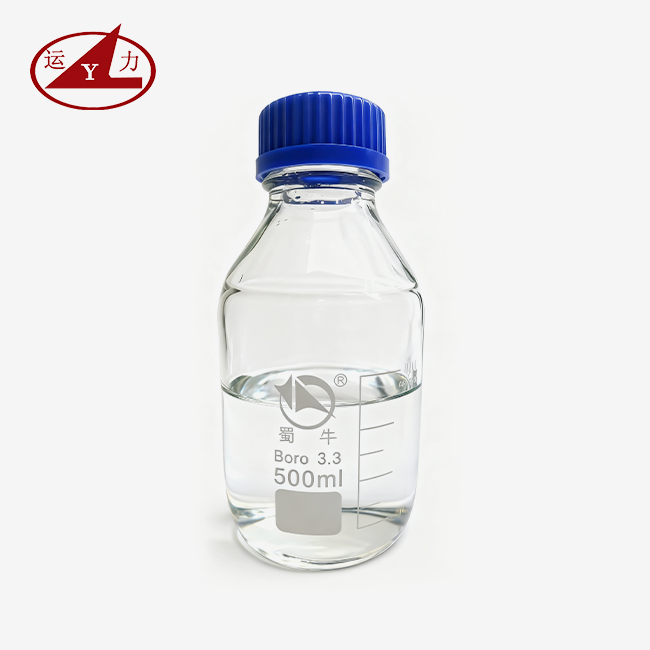
The chemical characteristics of calcium nitrite solution are somewhat unique, and as a result, it requires specialized handling procedures. The clear and slightly yellow water has a pH ranging from 9.0 to 11.0, which indicates that it is very slightly alkaline. When this alkalinity is exposed to individuals for a long amount of time, it has the potential to cause irritation to the skin as well as harm to delicate materials used in equipment.
When compared to water, the solution had a specific gravity value of 1.28-1.32 g/cm3, which indicates that it is more dense. By virtue of this characteristic, mixing procedures and the design parameters of storage containers are influenced. Temperature stability is generally satisfactory under normal conditions; nevertheless, extreme heat may hasten the processes that lead to collapse.
When mixing with a wide variety of different concrete admixtures, chemical compatibility is a particularly relevant consideration. Calcium nitrite should not be used with reducing agents and organic compounds since doing so might lead to reactions that are not acceptable from a chemical standpoint. When the solution is utilized as a rust prevention agent in strengthening steel applications, the amount of nitrite ions in it has a direct impact on the performance of the solution.
Moisture absorption properties need consideration throughout storage periods. Even container seals may undergo small concentration fluctuations over time. Regular testing guarantees constant performance in crucial applications such as concrete durability improvement and water treatment operations.
Essential Personal Protective Equipment Requirements
When workers are handling materials, the proper selection of personal protective equipment (PPE) protects them from potential exposure threats. Use eye protection or face shields to screen your eyes from the splashing solution that may be being applied. Suitable hand protection for routine tasks may be obtained via the use of chemical-resistant gloves made of latex or rubber material.
Respiratory protection becomes necessary in enclosed spaces or when handling large quantities. Half-face respirators with appropriate cartridges filter potential vapors effectively. Adequate ventilation systems reduce airborne exposure risks in processing facilities.
Calcium Nitrite 30% Solution can cause skin and eye irritation, requiring stringent personal protective equipment (PPE) protocols. Chemical-resistant aprons or coveralls protect clothing and skin from accidental splashes of this solution, while boot covers or chemical-resistant footwear prevent floor contamination from affecting workers. Additionally, emergency eyewash stations, crucial for incidents involving Calcium Nitrite 30% Solution, must remain easily accessible in all work areas.
Regular PPE inspections guarantee that protection remains functional. To ensure that safety requirements are met, replace broken or deteriorated equipment quickly. Workers benefit from training programs that teach them safe donning and removal ways to contaminated equipment.
Safe Storage and Transportation Guidelines
Regular PPE inspections guarantee that protection remains functional. To ensure that safety requirements are met, replace broken or deteriorated equipment quickly. Workers benefit from training programs that teach them safe donning and removal ways to contaminated equipment.
Temperature control avoids solution deterioration and ensures product quality. For maximum stability, store bottles between 5°C and 30°C. Freezing temperatures may produce concentration shifts, but excessive heat increases breakdown processes.
Secondary containment systems catch possible spills and prevent contamination of the environment. Containment spaces should hold 110% of the greatest container capacity. Impermeable flooring materials prevent chemical penetration and make cleaning easier.
Transportation regulations vary by jurisdiction and shipment size. UN proper shipping names and hazard classifications ensure compliance with regulatory requirements. Proper labeling and documentation accompany all shipments to prevent handling errors.
Inventory rotation maintains product freshness and prevents degradation issues. First-in, first-out protocols ensure older stock receives priority usage. Regular quality testing verifies continued compliance with specification requirements throughout storage periods.
Chemical Compatibility and Mixing Procedures
As a result of having a better understanding of chemical interactions, dangerous reactions for industrial settings are reduced. Magnesium nitrite's alkalinity is neutralized by strong acids, which may result in the production of heat and potentially toxic fumes. The use of separate storage areas helps to avoid accidental mixing.
Oxidizing agents may react vigorously with nitrite solutions, such as Calcium Nitrite 30% Solution, under certain conditions. Therefore, maintaining adequate separation distances between such incompatible materials in storage and handling is critical. Emergency response plans must specifically address potential accidental mixing scenarios involving Calcium Nitrite 30% Solution and outline the required containment and mitigation measures.
When making concrete admixture solutions, carefully follow the stated mixing sequence. Instead of concentrating, add the calcium nitrite mixture to the water. This method eliminates localized heating while ensuring uniform dispersion throughout the mixture.
Quality control testing confirms the correct mixing ratios plus chemical compatibility. Potential concerns are identified before application by pH testing, specific gravity evaluations, and visual inspections. Documentation records mixing techniques for troubleshooting reasons.
Equipment washing between chemical batches helps to reduce cross-contamination. Rinse all surfaces using clean water and look for any remaining contaminants. Proper cleaning practices improve equipment life and ensure product purity.
Emergency Response and Spill Management
Rapid response minimizes exposure risks and environmental impact during accidental releases. Immediate containment prevents solution spread to drains or sensitive areas. Absorbent materials designed for alkaline solutions neutralize and contain spills effectively.
Evacuation procedures remove personnel from affected areas until cleanup completion. Emergency communication systems alert response teams and management personnel. Proper ventilation reduces vapor accumulation in enclosed spaces during cleanup operations.
In order to properly address a wide variety of exposure situations, medical response strategies have been developed. It is necessary to do a quick flush with fresh water that lasts for at least thirty seconds while making eye contact. It is necessary to properly wash your skin with water and detergent in order to remove any leftover solution.
In conformity with the regulations governing the environment, chemical waste is disposed of. Processes that neutralize substances might reduce the expenses of disposal and the negative effects on the environment. trash management companies that are licensed to handle wastes that exceed the facility's processing capabilities are responsible for managing trash.
Documentation that is necessary includes things like accounts of incidents, risk assessments, and corrective steps, among other potential instances. It is possible that regulatory notification may be necessary, depending on the magnitude of the spill and the impact it has had on the environment. Regular training updates prepare individuals to respond appropriately to a wide range of emergency scenarios.
Environmental Impact and Disposal Considerations
Throughout their entire lives, calcium nitrite treatments need stringent environmental control regulations. Given that aquatic systems were highly susceptible to nitrite compounds, it is essential to maintain containment during any operations involving handling. It is possible that contamination of the soil will have long-term effects on the growth of plants and the quality of groundwater.
Biodegradation processes convert nitrites, such as those from Calcium Nitrite 30% Solution, to nitrates under aerobic conditions. This transformation affects the long-term environmental persistence and toxicity profiles of these nitrogen species. Therefore, monitoring programs are essential to track environmental concentrations in sensitive areas where these compounds are used or may accumulate.
Treatment methods neutralize waste solutions prior to disposal. When used in conjunction with the suitable reagents, chemical precipitation efficiently eliminates nitrite ions. Biological methods of treatment may process dilute fluids under regulated circumstances.
Recycling potential exist for certain uses and concentration levels. When correctly evaluated, concrete washing water including calcium nitrite may be added to new batches. Quality criteria influence the viability of recycling in certain applications.
To comply with regulations, you must first comprehend regional as well as national environmental requirements. Discharge permits outline the permitted concentrations and monitoring criteria. Regular compliance audits ensures that operations continue to be authorized.
Quality Control and Testing Procedures
Analytical testing guarantees consistency in product the excellence and efficacy attributes. ICP-MS examination detects trace amounts of metal that may impact concrete performance. Atomic absorption spectroscopy enables precise calcium content measurements to ensure specification compliance.
Measurements of pH, computations of specific gravity, and visual checks are all components of the regular quality checks that are performed. These parameters show the longevity of the solution as well as potential problems with contamination. Daily testing procedures identify problems before they have an effect on the quality of the production process.
Each shipment is accompanied by a Certificate of Examination document that verifies specification compliance. Heavy metal concentrations, chloride amounts, and insoluble in water matter are all highlighted in quality reports. Batch tracking systems provide comprehensive traceability through the supply chain.
Sampling procedures ensure representative testing across entire production batches. Multiple sampling points prevent localized variations from affecting quality assessments. Proper sample preservation maintains analytical accuracy during transport and storage.
Laboratory certification guarantees test reliability and adherence to regulations. ISO 17025 accreditation validates technical competence along with quality management systems. Regular proficiency testing confirms analytical methodologies and technician skills.
Conclusion
Implementing comprehensive safety and handling protocols protects workers while ensuring optimal performance from specialty chemicals such as Calcium Nitrite 30% Solution. Proper storage, transportation, and emergency response procedures for these materials minimize risks and maintain regulatory compliance. Understanding chemical compatibility and quality control requirements supports successful industrial applications across construction, chemical processing, and water treatment sectors. Partnering with experienced suppliers provides technical support and reliable product availability for critical operations, including consistent supply of Calcium Nitrite 30% Solution.
Choose Yunli Chemical as Your Trusted Calcium Nitrite 30% Solution Supplier
Yunli Chemical is a dependable provider of calcium nitrite solutions, with over RMB 1 billion in yearly sales and twenty years of production expertise to back up their claims. Our technological center at the provincial level guarantees that the quality of our products is constant while also keeping low pricing para industrial applications like manufacturing. Please send an email to wangjuan202301 @ outlook.com to share your precise needs and to obtain gratis samples of no more than 500 g for the purpose of assessment.
References
1. American Concrete Institute. "Guide for the Use of Admixtures in Concrete." ACI 212.3R-16, Farmington Hills, Michigan, 2016.
2. National Institute for Occupational Safety and Health. "Criteria for a Recommended Standard: Occupational Exposure to Inorganic Nitrates and Nitrites." NIOSH Publication No. 78-201, Cincinnati, Ohio, 1978.
3. Environmental Protection Agency. "Industrial Point Source Category - Inorganic Chemicals Manufacturing." Federal Register 40 CFR Part 415, Washington, D.C., 2021.
4. International Organization for Standardization. "Concrete - Specification, Performance, Production and Conformity." ISO 206:2013, Geneva, Switzerland, 2013.
5. Department of Transportation. "Hazardous Materials Regulations for Calcium Nitrite Solutions." 49 CFR Parts 100-185, Washington, D.C., 2022.
6. Occupational Safety and Health Administration. "Hazard Communication Standard for Chemical Solutions." 29 CFR 1910.1200, Washington, D.C., 2020.