


Top Benefits of Calcium Nitrite Powder for Corrosion Control
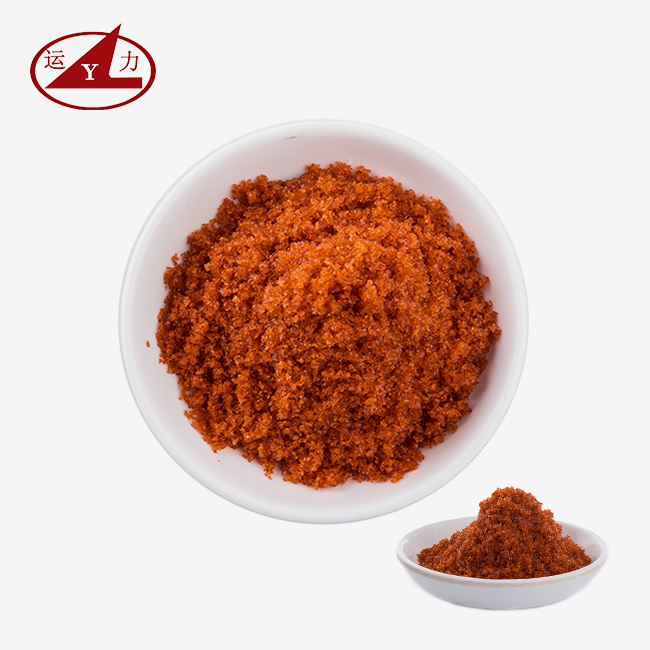
Calcium nitrite powder is a new solution in the field of industrial corrosion management. Calcium Nitrite Powder provides protection for reinforcement made of steel and metal structures that is unmatched by any other method. In addition to boosting the durability of concrete and prolonging the lifetime of infrastructure, this versatile chemical mixture has remarkable anti-corrosion capabilities. In order to prevent the development of rust, safeguard important assets, and guarantee the structural integrity of their structures over the long term, industries all over the globe depend on this potent nitrite salt. When manufacturers and engineers have a better understanding of its advantages, they are better able to make educated judgments on their tactics for preventing corrosion.

Understanding Calcium Nitrite: Key Parameters and Performance Indicators
When evaluating corrosion inhibitors, specific technical parameters determine effectiveness and reliability. Our calcium nitrite features a molecular formula of Ca(NO₂)₂ with exceptional purity levels exceeding 99.5% for industrial applications.
Among the indicators of crucial performance are the rate of solubility in water, the consistency of the melted point at one hundred degrees Celsius, with density measurements that fall within the spectrum of 2.23 to 2.53 kilos per cubic centimeter. In accordance with the impurity control criteria that we adhere to, we ensure that the quantity of iron is above 30 parts / million, the levels of salt are below fifty parts per thousand, and the concentration of heavy metals like lead and cadmium is limited to a maximum pf ten parts per million.
These specifications directly impact corrosion resistance performance. Lower iron contamination prevents catalytic reactions that accelerate rust formation. Controlled sodium levels maintain ionic balance in concrete matrices, while minimal heavy metal content ensures environmental compliance and worker safety.
The nitrite concentration plays a crucial role in determining protective effectiveness. Studies demonstrate that optimal dosage rates between 1-4% by cement weight provide maximum corrosion inhibition without compromising concrete strength properties.
Core Benefits: Why Industries Choose Calcium Nitrite for Corrosion Protection?
Calcium Nitrite Powder delivers multiple advantages that make it indispensable for corrosion control applications. The primary benefit lies in its ability to form protective passive layers on steel surfaces, creating an invisible barrier against oxidative damage.
When compared to the traditional methods of rust prevention, this concrete additive offers protection against rusting at the molecular level compared to other methods. Chelide ions, which are frequently responsible for initiating corrosion procedures in concrete with reinforcing structures, are scavenged by this material. Such ions are accountable for the corrosion process. The activity of this chlorine scavenger has shown to be highly effective in marine situations as well as in sites that are subjected to de-icing salts.
In addition to this, the chemical acts as an accelerator for concrete, which reduces the amount of time that is necessary for the building material to set while maintaining its durability over the long term. Because of this ability to serve two purposes, there is no more a need for a large number of additives. This brings about a simplification of the procurement processes and a reduction in the costs that are connected with inventories.
Environmental benefits include reduced maintenance requirements over structural lifespans. Buildings and infrastructure protected with calcium nitrite require fewer repairs, resulting in lower lifecycle costs and reduced material consumption. This sustainability aspect aligns with modern construction industry goals for eco-friendly building practices.
Temperature stability represents another significant advantage. The chemical remains effective across wide temperature ranges, making it suitable for diverse climatic conditions from arctic installations to tropical construction projects.
Yunli Chemical's Superior Calcium Nitrite vs. Conventional Alternatives
We have been able to build calcium nitrite mixtures that are better to the standard alternatives that are now accessible on the market as a result of our nearly two decades of experience in the manufacturing business. We are distinguished from our rivals by a number of fundamental elements, the most important of which are our capabilities as a technical center at the level of the province and our thorough quality control systems.
Conventional suppliers often struggle with consistency issues, particularly regarding impurity levels that can compromise performance. Our ICP-MS and atomic absorption spectrometry equipment ensures every batch meets stringent specifications. This quality assurance translates to predictable performance in your applications.
When compared to our competitors, who just offer a restricted amount of options, we stand out due to the variety of our packaging. The 25 kilogram bags that we provide are suitable for activities of a smaller scale, while the bulk containers that we give are more suitable for operations on a bigger scale. Having the ability to accommodate specific handling requirements and storage constraints is made possible by the availability of bespoke packaging alternatives.
Our water-based solution preparations, such as those for Calcium Nitrite Powder, offer additional convenience. Many suppliers require customers to handle dissolution processes independently, creating potential contamination risks. We eliminate this concern by providing pre-dissolved formulations at specified concentrations.
Environmental compliance is a significant benefit that should not be overlooked. Production procedures that are in complete compliance with regulations are guaranteed by our advanced environmental facilities and nitrates wastewater treatment systems. Customers that are subject to more stringent environmental rules will see a reduction in supply chain risks as a result of this compliance.
The financial stability of our operation, with annual sales exceeding RMB 1 billion and fixed assets of RMB 300 million, provides supply security that smaller competitors cannot match. This stability ensures consistent availability even during market fluctuations.
Maximizing Benefits: Optimal Usage Methods and Purchase Considerations
Achieving maximum corrosion protection requires proper application techniques and dosage calculations. The effectiveness of calcium nitrite depends on accurate mixing ratios, timing of addition, and environmental conditions during application.
In order to ensure that the chemical powder is dispersed uniformly throughout the concrete product, it is recommended that it be introduced during the process of mixing for applications that include concrete. The recommended dosage might range anywhere from zero to four % by cement size, based on the conditions under which the individual is exposed and the level of protection which is desired. When de-icing chemicals are used in maritime regions or in buildings which are subjected to these chemicals, it is sometimes necessary to use higher quantities.
Storage conditions significantly impact product performance. Maintain dry storage environments to prevent deliquescence, which can affect powder flowability and concentration accuracy. Temperature-controlled warehouses preserve chemical stability and extend shelf life.
When making buying decisions, it is essential to both take into consideration the specific requirements of each application and acquire amounts that are in accordance with the deadlines that have been established for the project. Due to the fact that we have flexible minimum order requirements, we have the capability to handle both experimental uses and large-scale construction projects. In order to provide our clients with the opportunity to conduct thorough testing prior to placing larger purchases, our firm offers free samples of up to 500 grams in quantity.
Technical support during implementation ensures optimal results. Our engineering team assists with dosage calculations, mixing procedures, and troubleshooting potential issues. This support reduces application risks and helps achieve specified performance targets.
Quality documentation, including for Calcium Nitrite Powder shipments, accompanies every delivery. This includes Material Safety Data Sheets (MSDS), Certificates of Analysis (COA), and environmental compliance certificates. These documents facilitate regulatory approvals and quality assurance processes.
Critical Safety and Application Considerations
Working with calcium nitrite requires understanding safety protocols and application limitations. While generally safe when handled properly, the chemical demands specific precautions to ensure worker safety and product effectiveness.
At all times, it is essential to make use of personal protection equipment, such as dust masks, protective clothes, and protection glasses, while dealing with powder forms. The presence of an adequate quantity of airflow helps to prevent the accumulation of dust and guarantees that the working environment is comfortable. In spite of knowing that sodium nitrite is not quite as hazardous as a great number of other chemicals used in industry, emergency procedures have to be devised in order to deal with the likelihood that it may cause contact with the skin or the eyes.
Compatibility considerations become important when combining with other concrete additives. Some chemical combinations can reduce effectiveness or create unwanted reactions. Testing compatibility before large-scale applications prevents costly failures and ensures predictable results.
Storage incompatibilities include avoiding contact with strong acids, which can generate nitrogen dioxide gas. Separate storage areas prevent accidental mixing with incompatible materials. Regular inventory rotation maintains product freshness and prevents degradation.
Timeliness of applications has an impact on performance results. A decrease in distribution homogeneity may occur if calcium nitrite is added to the mixture either too early or too late in the combining procedure. Obtaining consistent outcomes requires adhering to the guidelines that have been developed for your particular application.
In the context of environmental concerns, the appropriate disposal of unwanted materials and polluted equipment is an important subject. Because of competent handling techniques, worker safety and compliance with regulations are maintained, despite the fact that the substance is environmentally benign in comparison to many corrosion inhibitors.
Conclusion
Calcium nitrite powder represents the gold standard for industrial corrosion control, offering superior protection, environmental compatibility, and cost-effectiveness. Its unique ability to provide long-term steel reinforcement protection while enhancing concrete durability makes it indispensable for modern construction and industrial applications. By choosing high-quality calcium nitrite from established manufacturers, you invest in infrastructure longevity, reduced maintenance costs, and sustainable building practices. The combination of proven performance, technical support, and reliable supply chains ensures your corrosion protection strategies deliver lasting value and peace of mind.
FAQ
Q1: How does calcium nitrite compare to other corrosion inhibitors in terms of effectiveness?
A: Calcium nitrite outperforms many traditional inhibitors by providing both anodic and cathodic protection. Unlike surface treatments that can wear away, it remains active throughout the concrete matrix, offering long-term protection. Studies show it can extend steel reinforcement life by 50-100% compared to untreated concrete.
Q2: Can calcium nitrite be used in existing structures or only new construction?
A: While most effective when added during initial concrete mixing, specialized application methods allow use in existing structures. Injection techniques and topical applications can provide corrosion protection for rehabilitation projects, though effectiveness may be reduced compared to initial incorporation.
Q3: What quality standards should I look for when selecting a calcium nitrite supplier?
A: Prioritize suppliers with ISO 9001 certification, advanced analytical testing capabilities, and consistent impurity control. Look for iron content below 30ppm, documented environmental compliance, and comprehensive technical support. Established manufacturers with proven track records offer greater supply security and product reliability.
Partner with Yunli Chemical for Superior Corrosion Control Solutions
When selecting a calcium nitrite powder manufacturer, choose a partner with proven expertise and unwavering quality standards. Yunli Chemical combines 20 years of production experience with state-of-the-art manufacturing capabilities to deliver consistent, high-performance corrosion inhibitors. Our provincial technology center certification and comprehensive quality management systems ensure every batch meets your exact specifications. Ready to enhance your corrosion protection strategy? Contact us at wangjuan202301@outlook.com to discuss your requirements and request free samples.
References
1. Ahmad, Shamsad. "Reinforcement corrosion in concrete structures, its monitoring and service life prediction." Cement and Concrete Composites 25.4 (2003): 459-471.
2. Berke, Neal S., and Michael C. Hicks. "Predicting chloride profiles in concrete." Corrosion 50.3 (1994): 234-239.
3. Hope, Brian B., John A. Page, and Kien C. Ip. "Corrosion rates of steel in concrete." Cement and Concrete Research 16.5 (1986): 771-781.
4. Mammoliti, Lynette T., et al. "The influence of surface finish of reinforcing steel and pH of the test solution on the chloride threshold concentration for corrosion initiation in synthetic pore solutions." Cement and Concrete Research 26.4 (1996): 545-550.
5. Rosenberg, Allen, Craig M. Hansson, and Carolyn M. Andrade. "Mechanisms of corrosion of steel in concrete." Materials Science of Concrete 1 (1989): 285-313.
6. Trejo, David, and Paul J. Monteiro. "Corrosion performance of conventional and low-chromium high-performance steels in concrete containing chlorides." Cement and Concrete Research 35.3 (2005): 562-571.