


Can I use calcium nitrate as foliar?
Calcium Nitrate can be used to feed plants, and it works really well. Adding the right amount of water to this material makes it possible for calcium and nitrate-nitrogen to pass right through the leaves, past the soil's limits, and into the plant fast. Because it has a low molecular weight and dissolves quickly in water, calcium nitrate (Ca(NO₃)₂·4H₂O) sprays can easily get into the stomata and layers of leaves. This makes it very helpful when the dirt makes it hard for roots to take in calcium or when plants are showing serious signs of calcium deficiency that need to be fixed right away.
Understanding Calcium Nitrate and Its Role in Foliar Application
Chemical Properties Enabling Foliar Efficacy
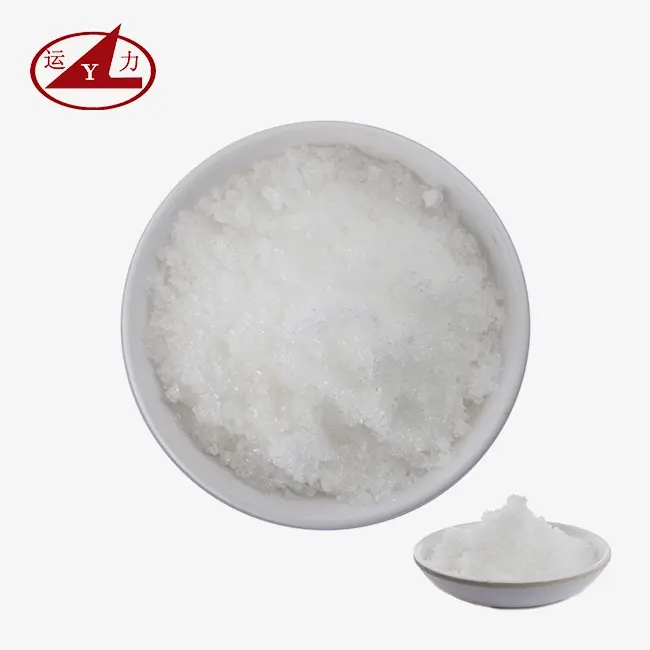
It's very easy for Calcium Nitrate tetrahydrate (Ca(NO₃)₂·4H₂O) to dissolve in water—about 1,290 grams per liter at 20°C. This makes clear solutions that spray equipment can use without getting blocked. There is only one crystal of this material, and its molecular weight is 236.15 and its specific density is 1.895. It breaks down quickly in water, methanol, and ethanol, giving plants calcium cations and nitrate anions right away. Nitrate nitrogen doesn't need to be changed by bacteria like ammonium or urea does. This speeds up the process of absorption through the leaves.
When calcium ions are added to the surface of a leaf, they form calcium pectate complexes that make the cell walls stronger. In turn, this makes tissues stronger and less likely to get sick. Nitrogen and nitrate help make proteins and oxygen at the same time. Other than being a single vitamin, calcium nitrate works in two ways, each of which helps the body in its own way. The compound's neutral pH range in weak liquids (usually between 5.0 and 7.0) makes it less likely to hurt plants. This is not the case with calcium hydroxide or calcium chloride, which can damage leaf surfaces because they are acidic or basic.
Comparative Advantages Over Alternative Calcium Sources
Purchasing teams can choose from calcium chloride, calcium acetate, calcium chelates, and different organic calcium solutions when they look at foliar calcium choice. It's easy to dissolve calcium chloride, but it gives off chloride ions that can hurt plants like ornamentals and strawberries if they are used more than once. Another thing that chlorine can do is mess up how plants use water and make their fruit taste worse.
But calcium chelates are very expensive—often three to five times more—so they can't be used for large-scale spray projects that cover hundreds of acres. Calcium nitrate is better at getting into leaves than calcium chelates. Additionally, calcium acetate is gentle, but it has less calcium per unit weight. It takes more work and fuel to use more spray because of this. Calcium nitrate seems to be the best choice in this case because it has a lot of calcium (19% basic calcium), extra nitrogen benefits, is very easy to dissolve, doesn't hurt plants, and is cheap enough to be used on a big scale.
Formulation Considerations: Liquid versus Crystalline Forms
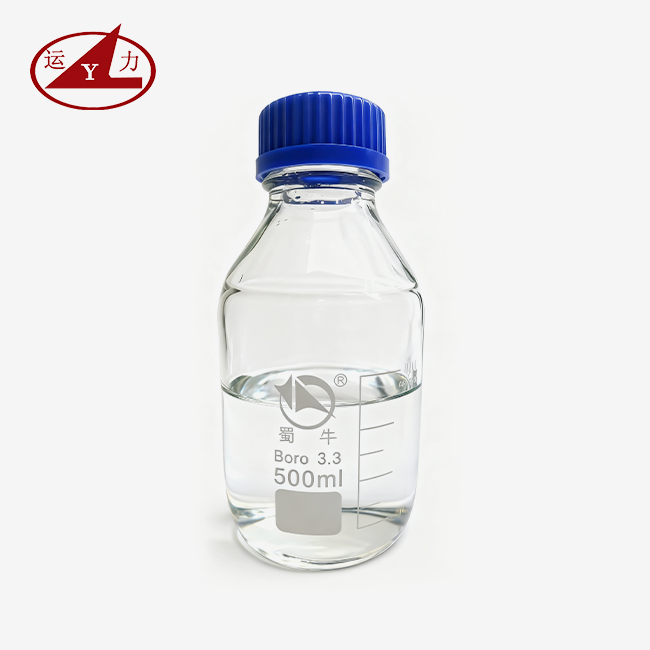
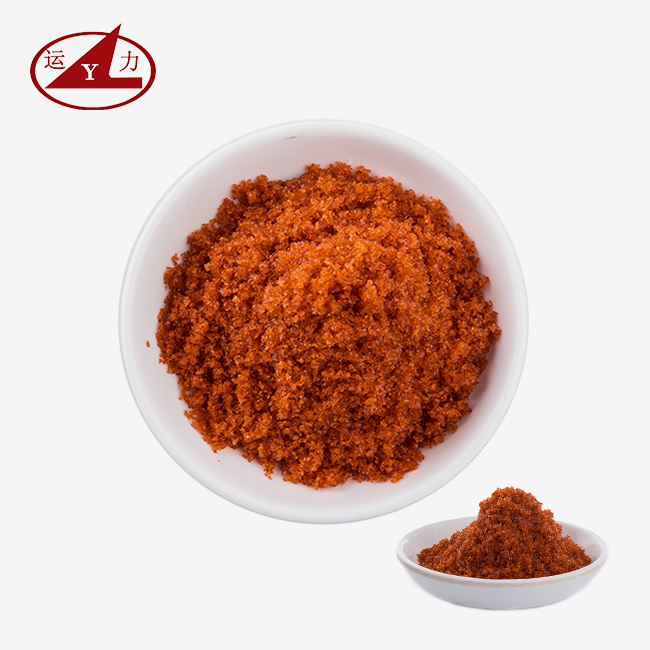
You can buy calcium nitrate in stores as both prilled grains and liquid solutions that are already dissolved. Even though the pressed material has to be melted on-site, it has useful benefits like being easier to ship, staying stable on shelves for longer, and letting you change the concentration. Since liquid formulations don't need to be mixed, the amount is always the same and mistakes are less likely to happen. This is very helpful in automatic systems that use fertigation and are linked to foliar boom sprayers.
People who buy technical goods should look for clean grades that meet the needs of the product. Most foliar programs can use standard agricultural-grade calcium nitrate that is at least 98.5% pure. High purity standards (≥99.0%, <0.01% insolubles) keep exact spray systems from getting stopped up and iron out of plants, where it could stain the leaves. If procurement experts know about these recipe details, they can match product specs with operating tools and quality standards. This makes both speed and value for money better.
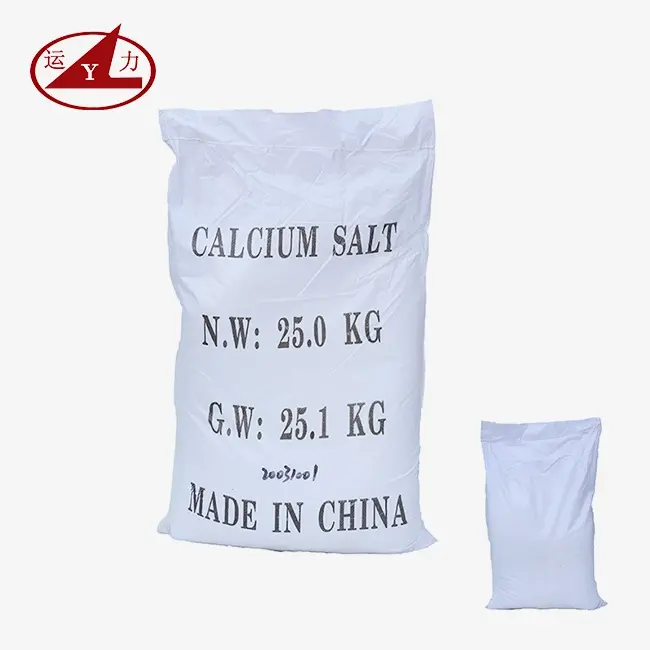
Advantages and Limitations of Using Calcium Nitrate as Foliar Fertilizer
Agronomic Benefits Driving Adoption
Some problems can be fixed by putting Calcium Nitrate on plant leaves that can't be fixed by food in the dirt. In plants, the only way for calcium to move up is through evaporation streams. Foods that grow quickly but don't lose water quickly, like fruit and growth points, are the first to show signs of lack. Sprays on the leaves get around this metabolic problem by sending calcium straight to weak spots.
Foliar calcium programs are often used to stop blossom end rot in tomato and pepper plants. This disease is caused by a lack of calcium in one area, even though the soil has enough calcium. Foliar calcium is also used to keep young leaves from getting tipburn, which is a disease called edge-necrosis by people who grow lettuce and cabbage. Blossom end rot was cut by 60 to 80% compared to plants that were not treated with foliar calcium nitrate at a dose of 0.5 to 1.0%, which was done twice a week while the fruit was growing. Adding nitrogen at the same time helps plants grow and make more food through photosynthesis. This makes the crop do better overall and increase its selling yield.
Foliar calcium fixes calcium deficits and hardens cell walls, making them less open to fungal attack and making fruit harder after harvest—important quality factors that make it sell for more at fresh markets. Apples that were sprayed with calcium before they were picked keep better and have fewer bitter pits, so they can be sold for a few more weeks. Because the quality is better, there is a clear return on investment. This makes up for the higher costs of inputs and extra work that come with foliar spray programs.
Limitations and Risk Mitigation Strategies
There are some issues with foliar calcium nitrate uses that need to be carefully handled, even though they are very helpful. What's most likely to happen is leaf burn. This can happen if there is too much spray or when the treatment is done outside in bad weather. When the temperature is high, the sunshine is strong, and the humidity is low, water leaves spray drops faster. This builds up salts on the leaves, which hurts them in a way called desiccation.
Solutions with a concentration of 0.5 to 1.5% (5 to 15 grams per liter) are best for most plants, according to concentration rules. Strawberry plants and young plants, on the other hand, need liquids with a content of 0.3% to 0.5%. It is much less likely that you will get hurt if you apply in the early morning or late afternoon, when it is cooler and more humid. Adding non-ionic detergents at a concentration of 0.1% to 0.2% makes it easier for drops to spread and go deeper. It may also lower the percentage of surface salts by letting them be absorbed more.
It's also important to think about the environment. Nitrates can get into groundwater in places where it is easy for them to do so through leaf spray drift or flow. The environment is less damaged when sprayers are set to reduce spread, when they are not used before it rains, and when they are used at the rates listed on the label. Laws in the US are paying more attention to how nutrients are controlled, especially those that have to do with the Clean Water Act and state-level fertilizer rules. To keep the environment and the company's reputation safe, the operations and buying teams should keep track of all forms and make sure that following environmental rules is a normal part of how things are done.
It gets more complicated when different species have different responses. Brassicas (cabbage, broccoli, kale) and solanaceous plants (tomatoes, peppers, eggplants) are very sensitive to calcium on the leaf surfaces. But monocot plants, like corn and wheat, have trouble getting calcium through their leaves because of how they are built. When purchasing goods for a number of different farming operations, procurement managers may need to pick products and use methods that are specific to each crop range. This could mean that the best nutrients for different types of production need to be mixed in different ways.
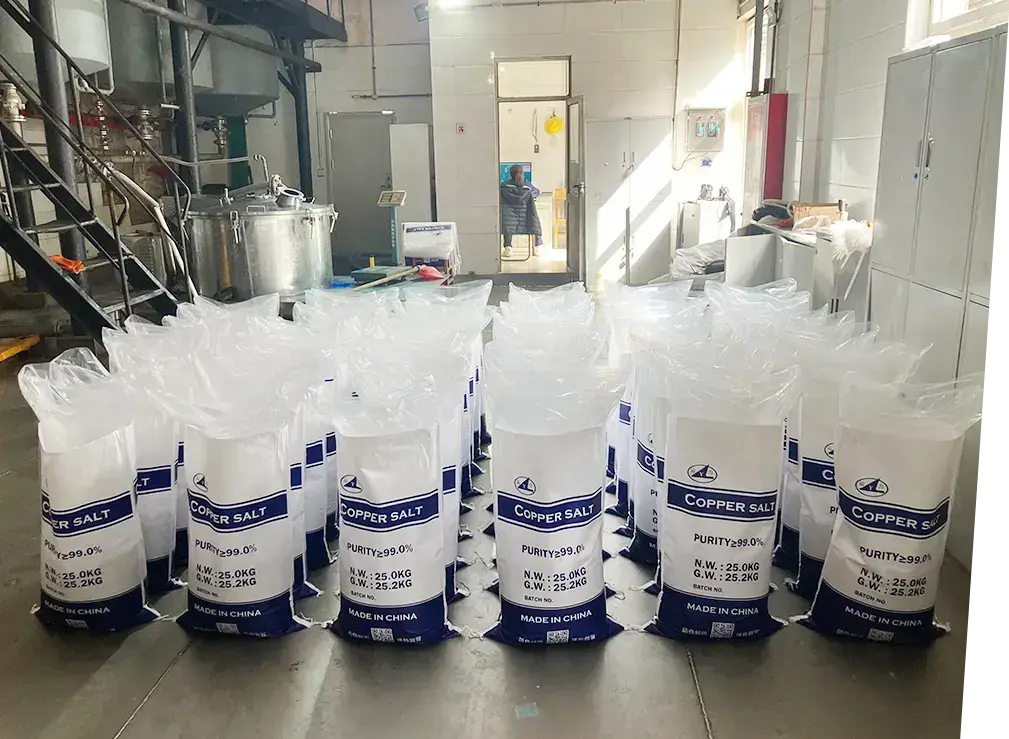
Best Practices for Using Calcium Nitrate as Foliar for Different Crops
Concentration, Timing, and Application Frequency
Making and buying must be done with great care for the best results. The amounts needed depend on how sensitive the crop is and what stage it is in its growth. To make a 0.75 to 1.2% solution, mix 7.5 to 12 grams of Calcium Nitrate tetrahydrate with 1 liter of water. It's best to spray this on peppers and tomatoes every 10 to 14 days while they are flowering and growing. For cabbage and spinach, smaller amounts (5-7 grams per liter) work best when plants are growing quickly.
This really changes how well it works when you use it during the day. When you apply between dawn and 10 a.m., when the stomata are open, the humidity is high, and the temperature is mild, you get the most absorption and the least concentration loss through evaporation. After 4:00 PM, when temperatures drop and relative humidity rises, conditions are the same for late afternoon uses. It's not a good idea to put things on in the middle of the day because strong UV rays, closed stomata, and high evaporation rates all slow down absorption and make burns more likely.
How well nutrients are supplied depends on how the spray is spread out and how big the droplets are. Drops between 200 and 400 microns should be used to cover the whole sky. These drops should be big enough to get into the leaves but small enough to stay on the leaves' surfaces. Small drops (less than 150 microns) move around a lot and dry out fast. Big drops (more than 500 microns), on the other hand, run off the leaves before they can soak in. If you use regulated boom sprayers with the right tips, they can evenly cover a lot of ground. For smaller jobs or spot treatments, hand-held or backpack sprayers work best.
Crop-Specific Case Studies and ROI Analysis
People who grow tomatoes in the Central Valley of California used foliar calcium nitrate programs on 50-acre greenhouse blocks where they grew unknown types. Blossom end rot was cut from 18% to less than 3% by applying a 1.0% calcium nitrate solution every two weeks during fruit growth. This saved about 15% of the overall yield that would not have been possible otherwise. At market prices of $1.80 per pound for good greenhouse tomatoes, the extra yield brought in an extra $135,000 per 50-acre block every year. The program costs $8,500 for materials, labor, and products, so the return on investment is more than 15:1.
Foliar calcium is being used more and more in hydroponic cabbage farms that keep the air controlled as part of plans to handle nutrients. Tests were done on a 40,000-square-foot vertical farm to see how regular root-zone fertigation stacked up against fertigation that sprayed 0.6% calcium nitrate on the leaves every week. There were 22% fewer cases of tipburn in the foliar treatment group, and the average head weight was 8% higher. This meant that they had higher market output and pack-out rates. It was easier to gather crops that grew at normal times, which meant that less work had to be done each production cycle. When crops are rotated over many years, these small changes add up to a lot of value over time.
Before they are picked, Honeycrisp and Fuji apples in Washington State are sprayed with calcium. It is known that these types have trouble storing calcium. The fruit became 1.2 pounds-force harder after being treated with three doses of a 0.8% calcium nitrate solution six weeks before it was picked. The number of bitter pits dropped from 12% to 4% while it was stored cold. Because the fruit could be kept for longer, growers were able to sell it during the more expensive winter months. They got more money back, which was eight times more than what it cost to apply.
Comparative Performance Against Alternative Nutrient Sources
Business people who buy things often compare calcium nitrate to other plant nutrients like urea (which is a nitrogen source), potassium nitrate (which is both potassium and nitrogen), and organic calcium goods. Even though urea has more nitrogen per unit weight than calcium, it needs to be mixed with calcium tablets apart from nitrogen. Potassium nitrate can make veggies taste better, but it can't make up for a lack of calcium. Different kinds of organic calcium, like calcium-amino acid chelates, are softer and work better on leaves, but they cost a lot more—about $4.50 to $7.00 per pound, while calcium nitrate tetrahydrate costs only $0.90 to $1.40 per pound in bulk.
If calcium nitrate, calcium chloride, and calcium chelate were all tried on bell peppers at the same calcium amount, they all protected the peppers from blossom end rot in about the same way. CaCl2 hurt the tips of 8% of the plants it was used on, and calcium chelate cost 40% more per acre to give the same amount of calcium mass. No harm came to the plants when they used calcium nitrate. It added nitrogen, which made the plants stronger overall. If you want to get the most for your money, these performance and price factors help you choose calcium nitrate as the best basic source of calcium for plant leaves. For certain tasks, they save the more expensive options because their unique traits make the extra cost worth it.

Procurement Guide for Calcium Nitrate in Foliar Applications
Supplier Selection and Quality Certifications
To find good Calcium Nitrate tetrahydrate, you need to work with reputable manufacturers who can show that their products meet consistent standards and that they have solid supply lines and a lot of good records. Yara, Haifa, and Nufarm are global suppliers that have been around for a long time. They have a lot of standards, such as ISO 9001 for quality management and ISO 14001 for environmental management. They also keep records of specific product registrations with farming officials in the areas they want to reach. These licenses make sure that the goods are made in a way that follows the rules, which makes getting them less risky.
You should also think about makers in your area, especially those who are putting in expert know-how and quality systems. Yunli Chemical is this kind of business, and it's in Shanxi Province. The business has been around since 2005 and makes RMB 1 billion in sales every year. Its fixed assets are worth RMB 300 million. As of 2019, it will be known as a Shanxi Provincial Enterprise Technology Center. It has ISO 9001, ISO 14001, and OHSAS certifications. Yunli Chemical makes two types of calcium nitrate: agricultural-grade and high-purity (≥99.0%, 4N-grade), which can be used in tough scenarios. ICP-MS and atomic absorption spectrometry are some of the advanced scientific tools they use to do this. Because they only buy from the plant, they don't have to pay markups on goods that go through brokers. This lets them keep quality high while keeping prices low.
When procurement managers buy something from a seller, they should ask for Certificates of Analysis (COA) for each production lot. These documents should list the product's cleanliness, water-insoluble matter, heavy metal content, and pH. Also, they should demand MSDS paperwork that shows how to safely use the product, what to do in an emergency, and how to label environmental risks. Different sellers offer different packing options, like 25 kg bags, 1-ton super sacks, or special aqueous solutions in certain amounts. This lets a lot of different working scales and application methods work, from small greenhouse operations to large-scale field spraying.
Pricing Dynamics, Minimum Order Quantities, and Logistics
The price of calcium nitrate changes based on how much energy costs, how much nitric acid and rock cost, and how much demand and supply there is around the world. Calcium nitrate tetrahydrate used in farming usually costs between $420 and $580 per metric ton (FOB origin) in big quantities (≥20 tons). More pure types cost 15 to 25 percent more. When demand is high, like in the spring when plants are growing, prices tend to go up. If you can avoid those times, you can find better deals.
For each seller and type of goods, the minimum order amount is different. You need to ship at least 20 tons of stuff in a 20-foot container most of the time. But some sources will take half loads of 5 to 10 tons for a little more per ton. Different types of liquids may have higher minimums because of how they need to be stored and treated. Buyers in charge of smaller businesses or doing first tests should look for providers whose MOQs are flexible and who offer free samples. Yunli Chemical, for instance, gives away free samples of up to 500 grams of their products so that people can try them out before they buy a lot of them.
When making plans for how to get things done, keep in mind that calcium nitrate is hygroscopic, which means it takes in water from the air and clumps together, making it harder to move. Pick packaging that won't get wet, like sealed super sacks or polyethylene-lined bags, and make sure the goods are kept in a cool place when they get there. Lead times depend on where the things are going and where they're coming from. For instance, North American sellers usually deliver within two to three weeks. On the other hand, it takes six to nine weeks for goods imported from Asia to get to their destination by water and through customs. Purchasing managers who are in charge of just-in-time operations should keep strategic inventory gaps. They should think about how much it costs to keep these gaps and how dangerous it is to lose the supply chain.
Product Form Selection Based on Operational Requirements
It depends on the job, the room available, and the number of workers on hand to decide whether to use premixed, powdered, or liquid calcium nitrate. That pressed stuff works well for companies that already have mixing tools and a lot of room for dry goods. It costs the least per ingredient and lets you choose from the most concentrations. When it comes to worker safety and ease of handling, granular goods are better, even though they cost a little more. This is because they have bigger bits and less dust.
When you don't have the right tools for mixing or when you need to finetune the amount in automatic syringe systems, liquid solutions make things easier. When formulas are already fully dissolved, the operator doesn't have to change anything. This stops the nozzle from getting stuck and the nutrients from being spread out unevenly. Moving liquid goods, on the other hand, costs more because of the extra weight of the water. Also, if you live somewhere cold, you might need to keep them at a certain temperature because calcium nitrate solutions freeze at -5°C to -10°C, based on the percentage.
A lot of the time, strategic buying teams keep two types of stock on hand: bulk prilled material for mass uses and liquid concentrate for specific treatments or emergency spot uses. This mixed method is a good mix of low cost and useful adaptability. It lets you respond quickly to new crop problems without changing how well regularly planned uses work economically.

Environmental and Safety Compliance in Using Calcium Nitrate Foliar Products
Regulatory Frameworks and Sustainable Practices
To protect water quality, environmental agencies are making it harder to follow the rules for managing nutrients. This means that officials are paying more attention to what goes into farming. The US Environmental Protection Agency (EPA) can control how much farm waste is dumped into rivers thanks to the Clean Water Act. This is especially true in places where water levels are likely to rise and become eutrophic. In some states, like Florida, Maryland, and Vermont, businesses that are bigger than a certain size are required to have nutrition management plans. There must be specifics in these plans about how much, when, and how they are used.
Calcium Nitrate spray programs that are responsible follow best management practices that are in line with laws and environmental care principles. Make sure that the spray equipment is adjusted once a year to get the right flow rates and even spread. This will keep the spray from going too far and drifting. Plan applications for times when the weather is calm (wind speeds below 10 mph and no rain is expected in the next 24 hours). This will help you get the most deliveries on time and with the least amount of moving around. As a general rule, buffer zones should be 25 to 50 feet wide and should be kept close to sources of water to stop any flow or waste.
Nitrogen added to the soil is often linked to nitrate loss, but it can also happen when too much foliar spray is used and the leaves can't hold it all in, letting it drip to the soil surface. Spray just enough to cover all the leaves without letting any run off. This is 50 to 100 gallons per acre for field crops and 100 to 200 gallons per acre for high-density garden crops. Not only do these things protect the environment's resources, they also make the best use of inputs by making sure that nutrients bought get to the right cells and don't get thrown away because of wasted resources.
Operator Safety and Handling Protocols
You need to be careful when working with calcium nitrate because it can be dangerous. The chemical burns biological things more quickly because it is a strong oxidizer. Don't put it near flames, things that can catch fire, or reduction agents. When oils, greases, or organic matter get into something, exothermic processes can happen. This can make the area more likely to catch fire. According to NFPA rules, calcium nitrate should be kept in places that are well-ventilated, won't catch fire, and aren't near anything that won't work with it.
Chemical burns can happen after long-term contact with dry or concentrated liquids that hurt the skin because of their ability to absorb water and rust. Make sure that workers wear rubber gloves, long-sleeved protection clothing, and safety glasses while they mix and pack. Put up safety showers and places to wash your eyes near where people work with things so that people can clean up right away if they get exposed. When working with dry things, taking in dust can make your lungs feel itchy. You should wear a dust mask or respirator (NIOSH N95 or a similar model) when working in dirty places with prilled or granular goods.
People who sell things put out Safety Data Sheets (SDS) that explain the risks, how to give first aid, and how to clean up a mess. Personal protective equipment (PPE), SDS sheets, and how to use them should be taught to everyone who works with calcium nitrate. Keep records of training sessions and hold regular repeat classes, especially when you hire new people. Putting money into safety helps keep workers healthy, lowers the chance of being sued, and proves that rules are being followed during reports or checks.
Integrating Compliance into Procurement Workflows
Legal problems are part of the factors that procurement professionals at the cutting edge use to judge suppliers and the terms they use to buy things. Make sure the seller uses the OHSAS 18001 or ISO 45001 guidelines for managing health and the environment at work (ISO 14001). Make sure that the sticker on the product has all the necessary warnings about danger, instructions on how to handle it, and emergency contact information. That way, the item will be in line with the DOT's shipping rules and the OSHA danger communication standard.
Making long-term deals for supplies with performance terms for safety and environmental problems is important. For a while, this will give providers a reason to keep up high standards. Having helpful relationships with suppliers that show proactive compliance management lowers the risk of buying things, makes it easier to report to regulators, and raises the sustainable image of a business. All of these things are becoming more and more important in places that care about the environment to get financing, bring in investment, and meet customer needs.

Conclusion
To fix calcium shortages, make food better, and get the most out of different growing methods, putting Calcium Nitrate on plant leaves has been shown to work and not cost much. It works well with many crops, takes quickly, and gives two nutrients. This makes it useful for agronomists and purchasing managers who need solid nutritional solutions. For a good application that keeps plants and the world safe, it's important to know the right concentration levels, when to use them, and how well they work with other things. If you want your program to be successful in the long run, you should only buy from respected companies with good quality systems, fair prices, and open supply arrangements. Environmental protection and nutrition care are becoming more and more important in regulatory systems. Foliar calcium projects that use best management methods save natural resources and make crops and the economy do better.
Partner with Yunli Chemical for Reliable Calcium Nitrate Supply
The first thing you can do to improve the performance of your plant nutrition program is to get Calcium Nitrate from a trusted manufacturer. Yunli Chemical has been making calcium nitrate for more than twenty years and is a well-known business. People in the electronics, medicine, advanced gardening, and specialty chemicals businesses use them. Our sites that are ISO 9001, ISO 14001, and OHSAS approved follow strict quality control rules. We can make calcium nitrate tetrahydrate that is either normal farming grade or high pure (4N grade) to fit your needs.
The people who work in buying can be reached at wangjuan202301@outlook.com to talk about your calcium nitrate needs and get technical specs and COA paperwork, or they can set up trial sample packages. You can see our full line of goods at yunlichemical.com and learn how our 20 years of experience making the best products can help your supply chain be more stable and your crops be more nutritious.
References
1. Saure, M. C. (2001). Blossom-end rot of tomato (Lycopersicon esculentum Mill.)—a calcium- or a stress-related disorder? Scientia Horticulturae, 90(3-4), 193-208.
2. Fageria, N. K., Filho, M. P. B., Moreira, A., & Guimarães, C. M. (2009). Foliar fertilization of crop plants. Journal of Plant Nutrition, 32(6), 1044-1064.
3. White, P. J., & Broadley, M. R. (2003). Calcium in plants. Annals of Botany, 92(4), 487-511.
4. Lester, G. E., Jifon, J. L., & Makus, D. J. (2010). Impact of potassium nutrition on postharvest fruit quality: Melon (Cucumis melo L) case study. Plant and Soil, 335(1-2), 117-131.
5. Taylor, M. D., & Locascio, S. J. (2004). Blossom-end rot: A calcium deficiency. Journal of Plant Nutrition, 27(1), 123-139.
6. Blanke, M. M., & Lenz, F. (1989). Fruit photosynthesis. Plant, Cell & Environment, 12(1), 31-46.