


Safety handling procedures for copper nitrate trihydrate
To safely handle Copper Nitrate Trihydrate (Cu(NO₃)₂·3H₂O, CAS 10031-43-3) you need to follow strict rules about how to store it, how to use safety gear, and what to do in an emergency. Dark blue crystalline oxidizer needs to be kept in dry places with temperature control and covered containers to keep water out because it is corrosive and can release nitrogen oxide when it breaks down. They also need to be fully trained on how to deal with it. You can help procurement managers and safety officers handle this chemical safely by knowing things like how sensitive it is to heat at 170°C and how acidic it is in water. This way, they can protect workers, keep the product's integrity, and follow GHS and OSHA rules in all industrial settings.
Understanding Copper Nitrate Trihydrate and Its Safety Risks
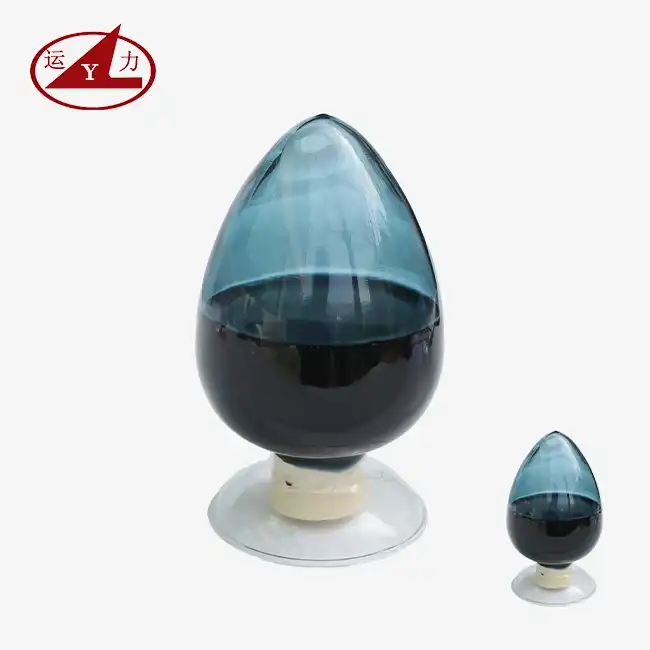
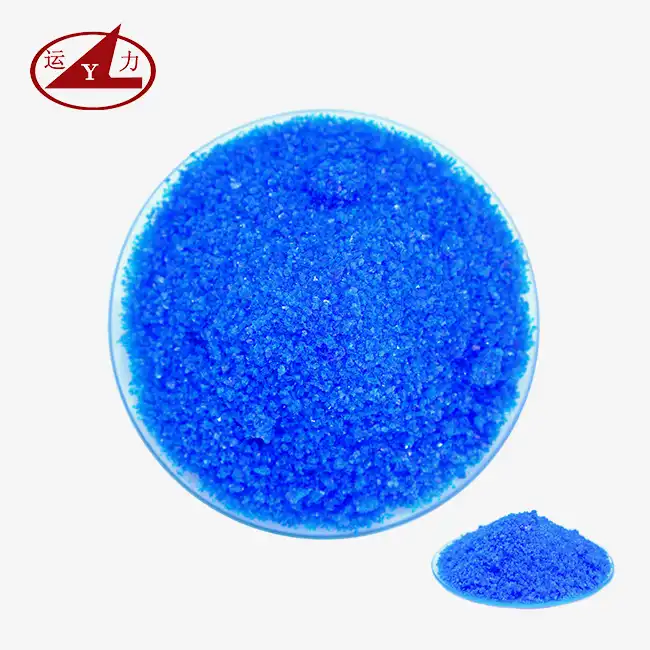
Copper Nitrate Trihydrate can be dangerous to work with, so you need to know how it works and what risks it poses. They look like lines and are dark blue. It takes 241.6 g/mol to make them and 2.05 g/cm³ to make them dense. It quickly takes in water from the air around it because it is hygroscopic. This can change the concentration ratios in commercial recipes. At 114.5°C, the material melts and breaks down in the water that it was crystallizing in. As soon as you heat it above 170°C, it turns into copper oxide and toxic nitrogen dioxide gas.
Chemical Composition and Physical Properties
Because it has three molecules of water per Copper Nitrate Trihydrate unit, the trihydrate form is different from the dry forms that are sometimes used. This amount of water in the material keeps it stable while it's being shipped, but it needs to be kept in a certain way to keep it from dissolving. Both water and ethanol fully dissolve the material, making acidic solutions that can damage metal surfaces and packages that aren't sealed. In normal conditions, its crystalline structure stays solid. But when it is exposed to light heat or high humidity, it quickly changes to a liquid phase.
Health and Environmental Hazards
When workers breathe in, touch, or eat the substance by mistake, they are exposed to serious health risks that need immediate medical help. If you take in dust or gases from decay for a long time, they can hurt your lungs and upset mucosal membranes. When the product comes in contact with skin, it burns because it is very good at burning and becoming acidic when broken down. Ocean life, especially fish and animals that are sensitive to copper ion levels, is hurt when copper ions are released into the environment. Being careful with trash and keeping it in the right place stops damage to the environment and makes sure that the EPA's standards for Copper Nitrate Trihydrate dumping are met.
Regulatory Classification and Compliance Standards
Under the Globally Harmonized System (GHS), the compound is classified as an Oxidizer Category 3, an Acute Toxicity Category 4, and a Skin Corrosion Category 1B. OSHA requires full labels with hazard pictograms that show the compound's oxidizing properties, health risks, and environmental concerns. When the amount is more than one metric ton per year, EU REACH registration needs full proof of exposure cases. A full risk assessment can be done by procurement teams when sellers give them valid Safety Data Sheets (SDS) with all the toxicological information and emergency contact information. The DOT says that these papers need to have the correct mailing names, the transport rate, and the UN number 1479 for listing dangerous goods.
Best Practices for Safe Handling of Copper Nitrate Trihydrate
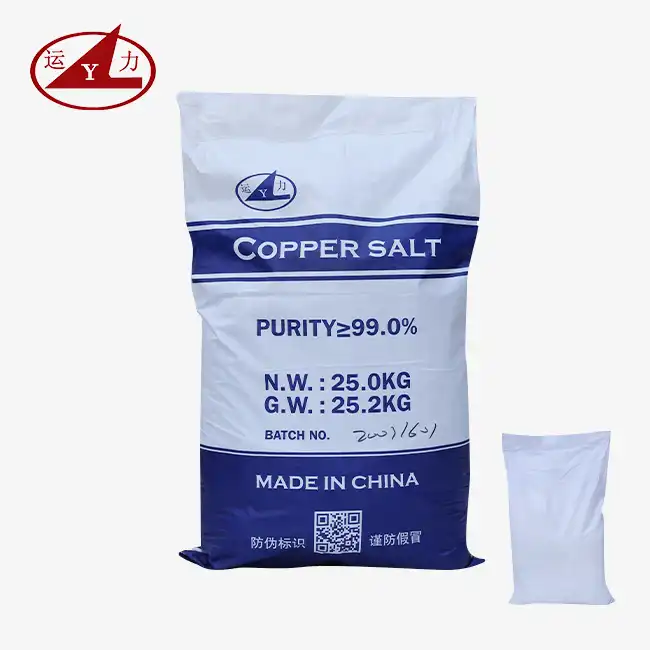
Setting strict rules for how to handle materials lowers the risk of exposure and makes sure that the quality of the materials stays high all along the supply chain. Everyday tasks that go well include ways to store things better, keep people safe, and be ready for situations, especially when dealing with sensitive materials like Copper Nitrate Trihydrate, where proper handling and storage are key to maintaining both safety and quality.
Storage Guidelines and Chemical Compatibility
Places to store things must keep the temperature between 15°C and 25°C and the relative humidity below 60% so that things don't dry out or crystallize too quickly. Containers made of high-density polyethylene (HDPE) or glass that don't let air in are the best way to keep things dry and clean. This stuff has to be separated from things that don't work with it, like sulfides, phosphorus compounds, reducing agents, and organics that can catch fire. Different oxidizers should be placed in warehouse plans with fire-resistant walls and extra space that can hold 110% of the largest container volume. Regular inspections find damage to containers, signs, or the weather that could make safety gaps more dangerous.
Personal Protective Equipment Requirements
Lab workers and factory workers need a lot of safety measures that cover all the ways they could be exposed.
• Nitrile gloves: When handling things normally, nitrile gloves that are at least 0.11 mm thick are a good shield. However, butyl rubber gloves are better for cleaning up spills that last longer than 30 minutes.
• Safety goggles: Safety glasses that meet ANSI Z87.1 standards keep splashes out of your eyes. Face guards should also be worn when moving more than 5 kilograms.
• NIOSH-approved respirators: If you work with dusty materials or heat processing that could make nitrogen oxide fumes, you need to wear NIOSH-approved respirators with P100 screens. Chemical-resistant shoes and aprons will also keep you safe from spills.
Training Programs and Emergency Preparedness
Chemical traits, spotting dangers, safe handling techniques, and how to respond to an emergency are all covered in great detail in training for workers that includes both classroom lessons and hands-on examples. Every year, training classes are held to teach staff about new safety rules and to add the things that were learned from accident reviews. People get better at responding quickly and effectively when they practice drills that mimic spills, exposures, and fires that could happen in real life. Facilities must have eyewash stations that can flush for 15 minutes straight and emergency showers that can cover the whole body in 10 seconds or less from where people are handling things. Putting up emergency phone numbers, escape routes, and ways to handle chemical reactions lets everyone work together during big events.
Transportation and Packaging Standards
The boxes must have UN-approved warning signs and the right paperwork, like copies of SDS and emergency action plans, in order to be shipped legally. The package doesn't move while it's being shipped because of the padding inside. The outside of the packaging clearly shows "Oxidizer" warnings and direction marks. Devices that track temperatures keep track of how temperatures change over long distances. This is especially important for packages going through more than one climate zone. To cover chemicals that catch fire, carriers must have hazmat licenses and the right kind of insurance. If you want to get your things across borders quickly, your paperwork should include business invoices, bills of lading, and customs statements that correctly list what the materials are and how they will be used.
Step-by-Step Safety Procedures for Laboratory and Industrial Use
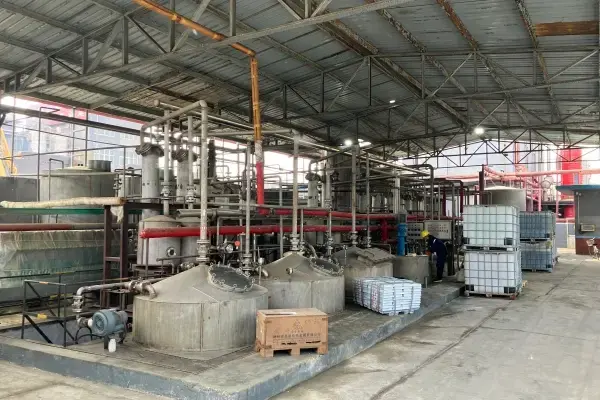
Standardized processes make sure that everything is the same between shifts and places. They also cut down on the mistakes that workers make that lead to accidents. This consistency is especially important when handling hazardous materials like Copper Nitrate Trihydrate, where precision and safety protocols are crucial to prevent mishaps.
Material Preparation and Dissolution Protocols
Before you do anything else, make sure that the batch numbers on the order forms and the packages match. Then, look for damage or signs of water damage, such as caking or changes in color. When you work in a fume hood, keep moving your face at 80 to 120 feet per minute to pick up any dust or vapors in the air. It is always better to add the solid to the water when making solutions than the other way around. This will stop the exotherm from dissolving and keep the area from getting too hot.
Most of the time, 10 to 15 minutes of low-speed magnetic stirring is enough to get stuff up to 40% by weight done. Tracking the temperature of concentrated solutions keeps them from getting too hot, which keeps mixes below 50°C while they are being mixed. Before you use them, you should clean and dry graduated cylinders and volumetric flasks to get rid of any dirt or dust that could cause effects you don't want.
Containment and Process Safety Equipment
And in certain job areas, there are extra-large trays that can hold the whole container's contents plus an extra inch for safety. Static electricity can't build up when steps like moving powder or dumping liquid are taken because of grounding and joining steps. You should only use electrical tools that won't blow up when you're in a place with solvents that could give off dangerous gases. Automatic shut-down systems keep an eye on changes in temperature, lack of air flow, or the presence of nitrogen oxide gases above the allowed exposure levels. Regularly adjusting safety interlocks and alarm systems is done to make sure they work properly before each production run.
Spill Response and Waste Disposal Methods
People who have been taught and are wearing the right PPE can clean up small spills that don't cover more than one square meter. Put up a wall so that people who aren't meant to be there can't get in. Then, don't use sawdust or paper towels because they could catch fire. Instead, use chemical sorbents or vermiculite, which can soak up water. Get rid of any leftovers with a sodium carbonate solution. Then, rinse with lots of water and gather the trash for the right place to dump it. When there is a spill of more than 10 kilos, an emergency reaction team needs to clean it up.
Depending on where the spill happens and how well the building can breathe, everyone may need to leave. Contaminated absorbents and rinse water are thrown away as dangerous trash and never go into regular sewage systems because the copper levels would be too high to allow them to be released. Testing the waste profile finds the best way to get rid of trash and what the location that will receive it needs. When things are made and when they are thrown away, manifests keep track of them.
What can happen when you're not ready for a spill? An accident at a medium-sized electroplating company in 2019 showed that. Someone put 50 kg of the material into a process tank without looking to see if the valves were set correctly. The stuff then spilled over onto the concrete floor. Not enough neutralizing agents were on hand at the plant, so the water was only diluted. This let copper-contaminated water flow into stormwater systems. Damage to the environment cost more than $75,000 in fines, and it cost more than $120,000 to fix the damage. The problem didn't happen again during later checks because transfer plans, backup containers, and spill kits that were fully stocked were used.
Comparing Copper Nitrate Trihydrate Safety Profiles with Other Copper Salts
It's helpful to know how dangerous different copper metals are that are used for the same things before you buy them.
Toxicity and Reactivity Comparisons
CuSO4₱5H2O is less likely to catch fire or explode when it comes in contact with organic materials than Copper Nitrate Trihydrate. This is because it has a lower oxidizing potential. On the other hand, sulfate forms pollute with sulfur, which is not good for catalyst uses that need to be very pure. Copper chloride (CuCl₂) draws water like nitrates do, but when it gets wet, it changes into hydrochloric acid, which is harmful and breaks down things faster. Different copper salts are about as poisonous at first. In tests with rats, the LD50 values for oral exposure ranged from 450 to 960 mg/kg. There are things that make the nitrate different when it breaks down at high temperatures. It is more dangerous to take in nitrogen fumes than sulfur dioxide (which comes from breaking down sulfate) or hydrogen chloride (which comes from breaking down chloride).
Purity Grade Considerations
Grades that are 99.99% copper are very pricey, but they don't have any stray metals that could affect how well catalysts work or how sensitive testing is done. In some cases, anhydrous Copper Nitrate Trihydrate is needed to completely get rid of water. But you have to be more careful with it because it responds and disappears faster. It is easier to work with the trihydrate form because it is more solid and makes less dust when it is moved. When used in large amounts, industrial types with a purity of 98.5% to 98.5% are fine for things like chemicals and metal treatment, even if there are some small flaws. When deciding what to buy, it's important to look at more than just the unit price. This is because of cost limits and purity standards that are relevant to the purpose.
Procuring High-Quality Copper Nitrate Trihydrate for Safe Use
Over the life of a product, picking the right provider has a direct effect on both safety and how well the business runs.
Certification and Quality Documentation
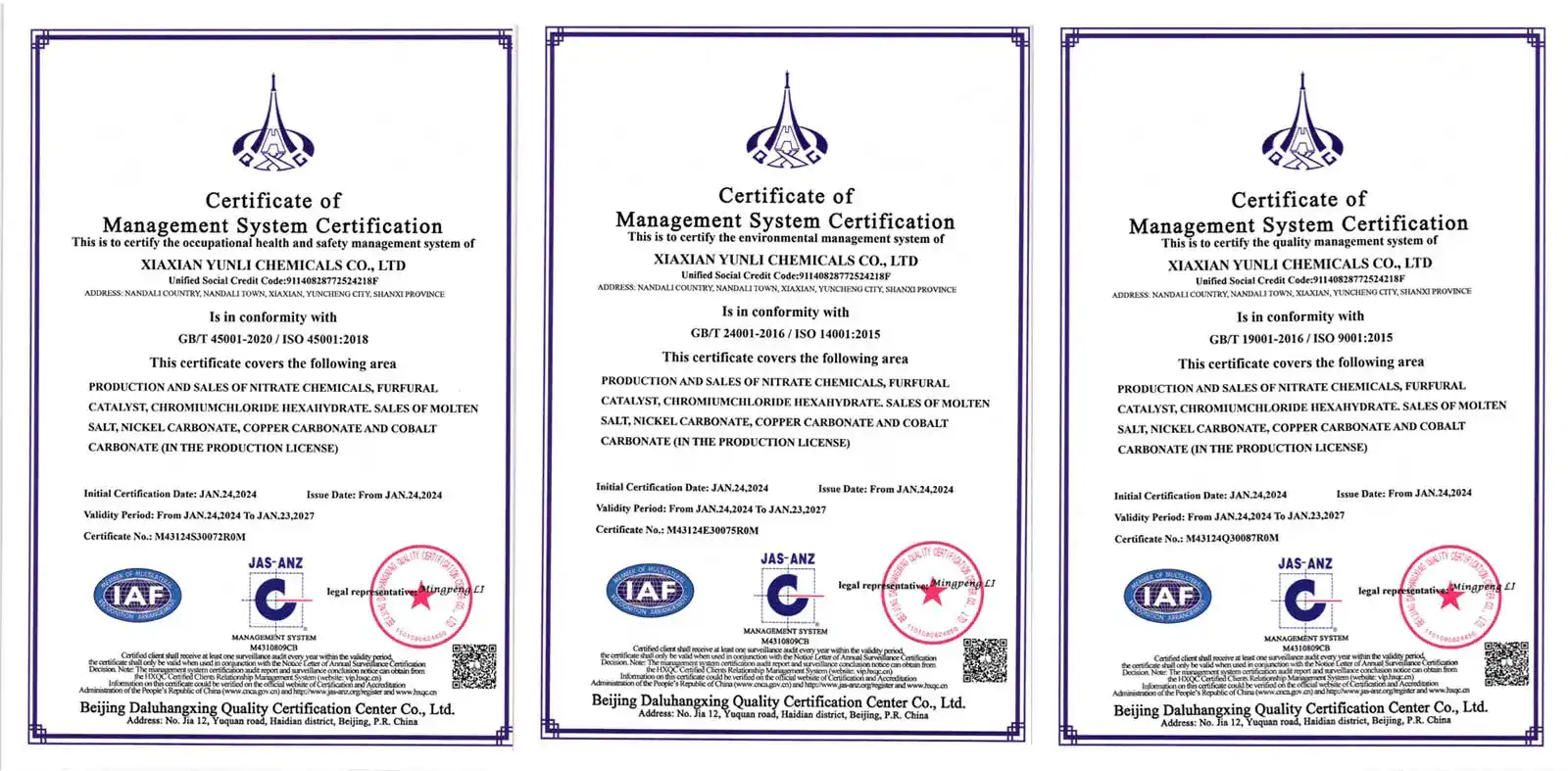
Providers you can trust keep their ISO 9001 quality management certification. This shows that they follow a planned approach to process control and are always looking for ways to improve things. Environmental standards, like ISO 14001, make sure that trash is thrown away properly and that the areas around industries are safe from pollution. Each output batch should have a Certificate of Analysis (COA) included in the full paperwork package.
The real test results for purity, moisture content, solid matter, and minor metal contaminants should be in these copies. Independent testing by a third-party lab gives authority to what a supplier says and gives you a way to settle quality issues. When batch numbers are linked to the places where raw materials came from and the times of production, it is possible to move quickly during quality checks or recalls. Copper Nitrate Trihydrate should also be accompanied by similar documentation to ensure its quality and compliance with the required standards.
Market Dynamics and Procurement Strategies
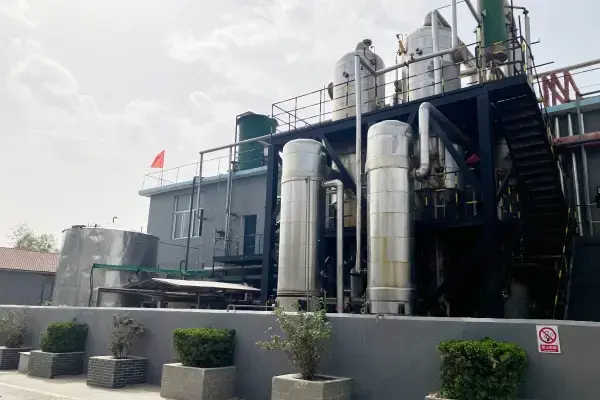
Right now, technical-grade material that is more than one metric ton costs between $2.50 and $4.00 per kilogram. Following the specs, high-purity types cost between $8.00 and $15.00 per kilogram. Long-term deals on supplies can save you 5–12% compared to buying things as they come up. They also make sure you get what you need when supplies are running low. It has been in business for 20 years and has worked with clients in the farm, electroplating, and catalyst production fields. Every year, our plant can make more than 15,000 metric tons of goods. We can make batches of any size to meet trial orders as small as 25 kilograms or regular sales by container load.
Good sellers are different from product dealers who just sell other people's things because they can make their own. We make water-based products with exact amounts between 10 and 45%. This means that there is no need for breakdown steps on-site and the handling risks that come with them. Keeping the iron level below 30 ppm keeps the catalyst running in methanol synthesis situations where too much iron would usually cause it to stop working too soon. Making sure that breakdown rates are the same for everyone is done by making sure that particle size distribution is tailored to each customer's feeding system. This stops hoppers from crossing. You can get these value-added services for less money overall, even if the unit price is higher than a product choice.
Logistics and Product Integrity Protection
The quality of the goods stays the same when they are properly packed and sent by ship, train, and the last mile of delivery. We use 25-kilogram HDPE drums with induction-sealed inner lids that keep water out for a year in our basic setups. For international shipping, palletization follows ISPM-15 rules, and corner guards and stretch wrap keep things from getting broken while they're being moved. Temperature-controlled crates keep things from getting too hot during the summer or while moving through warm areas between 15°C and 25°C. You can keep an eye on your package with real-time GPS tracking and shock sensors. This way, you can plan what to do before things go off track.
Technical support services do more than just send goods; they also help with problems with programs and fix them. Those on our team are chemical engineers with advanced degrees and real-world experience working with a wide range of clients. When we do safety checks on-site, we look for ways to improve how things are stored, how they are handled, and how emergency plans work. Customized training classes for each customer teach them about the features of materials, how to spot dangers, and the best ways to do things that have worked for 20 years of production without any problems.
Conclusion
Carefully handle Copper Nitrate Trihydrate by following strict rules about where to keep it, how to stay safe, what to do in an emergency, and how to check out sources. Because it burns easily, soaks up water, and doesn't like heat, the material needs to be kept in a controlled space and handled only by trained professionals. Because you can see how safe different copper salts are, you can choose the one that best fits your needs while also minimizing any risks. Supply chain risks are lower and rules are followed when you buy from qualified makers who offer full paperwork, customization options, and expert help. People will be safe, the quality of the products will be good, and things will run easily in both labs and factories if you follow these steps.
FAQ
Q1: What are the essential safety precautions when handling this material?
A: Always work in well-ventilated areas or under fume hoods and wear suit jackets that can handle chemicals and rubber gloves with safety masks. Keep the mix away from heat sources, things that can catch fire, and reducing agents. Keep them in safe places with temperatures that can be controlled and relative humidity levels below 60%. Also, make sure that emergency eyewash stations and safety showers are always within 10 seconds of where the goods are being handled.
Q2: How should I respond to accidental skin or eye exposure?
A: As soon as possible, wash the area with water for at least 15 minutes while taking off any dirty clothes. Hold your eyelids open while you rinse to make sure that all areas get a good rinse. Get medical help right away, and bring the SDS paper with you to help decide what kind of care to give you. Do not try to make someone throw up after they have eaten something. Instead, give them water to rinse their mouth and call 911 right away.
Q3: Can I store copper nitrate near other laboratory chemicals?
A: Not at all. Keep it away from things that don't mix well, like reducing agents, ammonium salts, sulfides, phosphorus compounds, and organic solvents. Areas that store oxygen that are set apart from each other in a way that doesn't let them catch fire stop safe responses. Do not store things with acids or bases that can cause precipitates or things that break down quickly.

Partner with Yunli Chemical for Safe, Reliable Copper Nitrate Trihydrate Supply
Copper Nitrate Trihydrate made by Yunli Chemical is very pure and meets the strictest industry standards. Their production methods are ISO 9001, ISO 14001, and OHSAS-certified. We have been making copper nitrate trihydrate for more than 20 years and can be trusted. We have different levels of purity (up to 99.99%), control over the amount of iron (below 30 ppm), and adjustable packaging choices, like water solutions that are already mixed in. Our technology center at the regional level uses ICP-MS testing to make sure that stability is checked from batch to batch. Full safety paperwork like COAs and SDS helps you meet your compliance needs. You can get free samples of up to 500 grams by emailing our technical team at wangjuan202301@outlook.com. You can also talk about your specific application needs and learn how our factory-direct supply cuts out middlemen while still ensuring quality and stability.
References
1. National Institute for Occupational Safety and Health. "NIOSH Pocket Guide to Chemical Hazards: Copper Nitrate." U.S. Department of Health and Human Services, Centers for Disease Control and Prevention, 2022.
2. American Chemical Reform Society. "Chemical Safety Guidelines for Oxidizing Agents in Research Laboratories." ACS Division of Chemical Health and Safety, 2021.
3. European Chemicals Agency. "Guidance on Safe Use of Copper Compounds in Industrial Applications." ECHA Publication Series on Risk Management, 2020.
4. Occupational Safety and Health Administration. "Hazard Communication Standard: Safety Data Sheets for Copper Salts." OSHA Technical Manual, Section IV, 2023.
5. International Air Transport Association. "Dangerous Goods Regulations for Oxidizing Substances: Class 5.1 Materials." IATA DGR Manual, 64th Edition, 2023.
6. Journal of Chemical Health and Safety. "Comparative Analysis of Copper Salt Handling Procedures in Industrial Settings." Volume 29, Issue 3, Pages 45-62, 2022.