


Chromium Acetate 50% Solution vs Powder: Which Is Best for Industry?
When industrial buyers compare chromium acetate 50% solution against powder, the answer depends heavily on how the material gets used in production. From trivalent chromium electroplating to leather tanning and catalyst manufacturing, the liquid form consistently delivers measurable advantages in process efficiency, regulatory alignment, and long-term stability. Powder has its place in certain bulk storage scenarios, but for precision-driven applications where dosing accuracy and zero crystallization matter, the 50% aqueous solution outperforms on nearly every operational metric. Here is what procurement engineers and technical directors need to know before placing an order.

Understanding Chromium Acetate Forms: Solution and Powder
Chromium acetate, with the chemical formula Cr(CH₃COO)₃, CAS 1066-30-4, and a molecular weight of 229.13, is sold in two different forms: a 50% water solution and a dry powder. Each has its own handling and performance traits that have a direct effect on the results of the next step in the process.
Physical Properties That Separate the Two
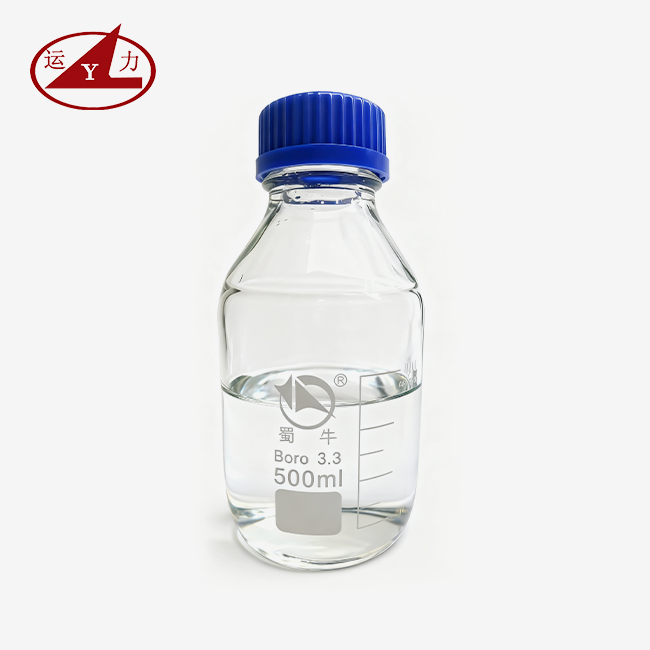
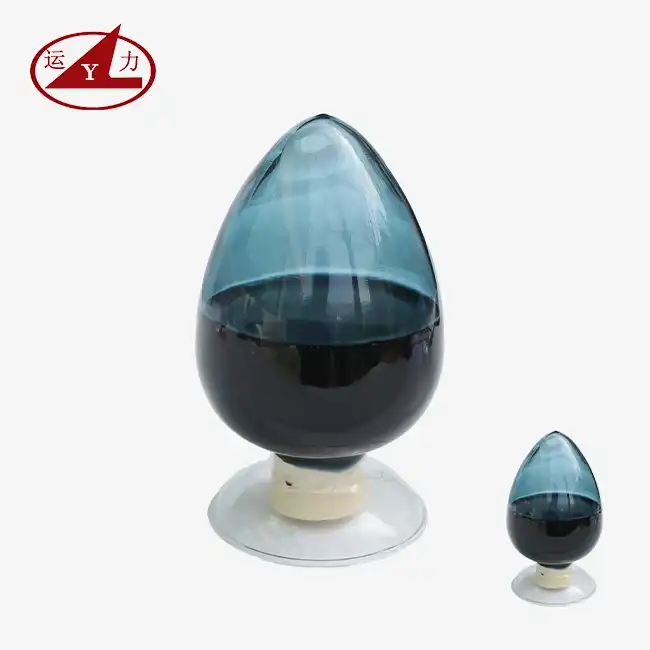
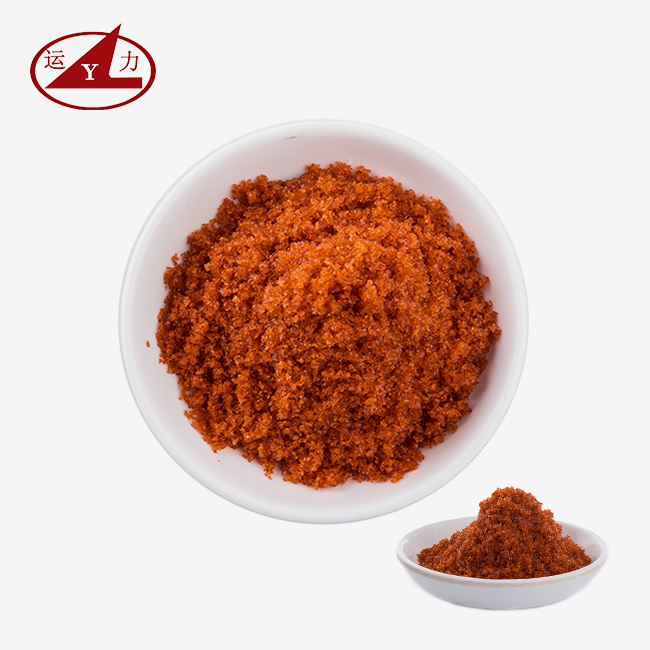
The 50% solution is a thick, grayish-green to bluish-green liquid that has a density of 1.25 to 1.35 g/cm³. The fact that it mixes completely with water means that it can be used in plate baths or coloring drums right away. When printed on paper, the powder form is purer, but it quickly takes water from the air. Once moisture gets in, caking and reagglomeration make it harder to handle and less accurate for tests. Because of this, places that store chromium acetate powder need climate-controlled storage and sealed, desiccant-lined packaging, which adds to the costs and makes the price benefit less clear.
Different safety profiles also exist. Because the solution doesn't make dust when it's dispensed, the risk of breathing it in is lower. To keep workers from breathing in small chromium-containing particles, the powder needs to be handled with respirators and negative-pressure transfer tools. This contrast is especially relevant for chromium acetate 50% solution, where liquid handling reduces airborne exposure and simplifies workplace safety compared with powdered chromium-containing alternatives.
Comparative Analysis: Chromium Acetate 50% Solution vs Powder
Purchasing managers get a lot of different quotes and need a clear way to compare them. The differences shown in the table below are real, not just marketing claims.
The solution form speeds up the process in trivalent chromium electroplating baths because the Cr∂ ions are fully dissolved when the dose is added. German electroplating partners who have tested both types have said that the solution type doesn't crystallize or settle after being stored for months, while the powder type can't do that because it has to be dissolved on-site.
Storage, Shelf Life, and Regulatory Compliance
These are the main differences that have an impact on supply chain decisions:
- Shelf life: A properly formulated chromium acetate solution with pre-adjusted pH (3.5–4.5) and anti-precipitation stabilizers maintains active Cr³⁺ content within ±2% for 12 months or longer. Powder without controlled storage degrades faster once packaging is breached.
- Regulatory paperwork: The solution ships with a single consolidated SDS and REACH/SVHC compliance report. Powder often requires an additional dissolution protocol document, increasing compliance overhead for REACH-regulated European buyers.
- Hexavalent chromium (Cr⁶⁺) risk: Any on-site dissolution of chromium acetate powder under incorrect pH or oxidizing conditions can generate trace Cr⁶⁺ — a substance subject to strict limits under REACH Annex XVII and RoHS. Factory-prepared solution with validated Cr⁶⁺ suppression technology eliminates this risk before the product leaves the production facility.
These differences can really make or break a batch during quality checks at European tanneries or automotive-tier providers.
Cost Reality vs. Sticker Price
At first glance, powder looks like it costs less per kilogram. But when procurement teams think about the cost of dissolving, extra equipment, storage with moisture control, higher rejection rates due to uneven dissolution, and the chance of getting fined for not following the rules, the ready-to-use solution often comes out on top. When a facility processes more than 500 kg of chromium salt a year, it usually gets back the solution's price within one to two production rounds by cutting down on waste and extra work.
Key Factors to Consider When Choosing Between Solution and Powder
The best option depends on three things: the needs of the application, the infrastructure for running the business, and the dependability of the supply chain.
Application-Specific Concentration Needs
To make coatings that are smooth and free of flaws, electroplating baths need to keep the concentration of Cr∂ very close to zero. Engineers who work with electroplating can fine-tune the bath chemistry with the help of a 50% ± 2% liquid concentrate that can be adjusted. Leather tanneries that work with wool, silk, and natural hides need mordanting to work the same way every time. Dissolving powder on-site can't guaranty that every batch will work the same way. Catalyst makers looking for chromium oxide intermediates with a high surface area can benefit from the even spread of Cr³⁺ that can only be found in a stable solution. For chromium acetate 50% solution, this consistency is the key advantage — a uniform liquid concentrate delivers more reliable bath chemistry, repeatable mordanting and better dispersion than powder dissolved on-site.
Operational and Environmental Fit
Handling powder is not possible in buildings that have automated dosing systems, inline flow meters, or continuous-process reactors. The solution can be added directly to pump-and-meter systems without any changes. Environmental compliance officers at companies that make things to export also like the solution because it comes with documented Cr⁹⁺ content below detection limits, which means auditors are happy without having to do any extra testing in-house.
Trusted Suppliers and Quality Assurance in Chromium Acetate Procurement
It's not just a matter of taste when buying things; in controlled markets, you have to work with a recognized chromium acetate solution maker.
Yunli Chemical was founded in May 2005 and is based in Xia County, Yuncheng City, Shanxi Province. It has grown into a producer with annual sales of more than RMB 1 billion and fixed assets worth RMB 300 million over the past twenty years. The business has won ISO 9001, ISO 14001, and OHSAS awards, and it runs a provincial-level enterprise technology center with ICP-MS and atomic absorption spectrometers for batch verification.
What Rigorous Quality Control Looks Like in Practice
Before being released, every batch of chromium acetate solution goes through the following confirmed checks:
- Cr³⁺ active content: Titration and ICP-OES confirm 50% ± 2% assay accuracy.
- Heavy metals: Pb, Cd, and As are held to ≤5 ppm; iron is controlled below 30 ppm to prevent interference with cross-linking kinetics.
- Chloride and sulfate levels: Chloride is maintained below 50 ppm to prevent corrosion in stainless steel dosing equipment.
- pH verification: Every drum is pH-tested at 3.5–4.5 to prevent both premature chromium hydroxide precipitation and acidic corrosion of injection systems.
These rules make sure that buyers get a product that works the same way from batch to batch. This is the most important thing that technical directors say when they renew yearly supply agreements. For chromium acetate 50% solution, this batch-to-batch consistency is what turns a commodity chemical into a dependable long-term supply partnership.

Best Practices and Industry Use Cases
Following strict rules is needed to handle any chromium compound. Nitrile gloves, chemical splash masks, and acid-resistant aprons should be worn by people who are giving out the solution. To keep Crⁱ⁺ from changing to Crⁿ⁺, storage areas need to be kept away from oxidizing agents and need additional control.
The difference in performance between forms is shown by a real-life example from the European electroplating industry. A German company that finishes surfaces switched from using chromium salt powder to using a trivalent chromium acetate solution that was made in the factory. During the six months of observation, the difference in bath chemistry dropped by about 40%, the number of plating rejects went down, and the facility passed its REACH compliance audit without any problems. During the testing phase, the procurement team confirmed that the solution did not crystallize or settle. This was in line with what several European buyers who worked with Yunli Chemical's formulation had said.
When used as a mordanting agent on wool and silk in leather dyeing, chromium(III) acetate solution gives better dye fixation and wash fastness than powder-based versions dissolved in-house. The even spread of Cr∂ in the solution makes it easier to predict how the surface area of chromium oxide catalysts will grow in organic synthesis and catalyst precursor production.
Conclusion
The evidence always points to the 50% liquid form being better for industrial uses that need a lot of precision. It gets rid of differences in dissolution on-site, lowers the risk of Crⁿ creation, works well with automatic systems, and comes with the compliance paperwork that buyers in Europe and North America need. Powder is only useful when the economics of long-distance bulk freight are strong and there is a lot of technical know-how on-site. The solution form is the best, most cost-effective, and technically sound choice for electroplating, leather processing, making catalysts, and mordanting textiles. For chromium acetate 50% solution, this conclusion is clear: precision, safety, automation compatibility and regulatory readiness make the liquid concentrate the superior choice for demanding industrial applications.
FAQ
What safety precautions are required when handling chromium acetate solution?
Nitrile or neoprene gloves, chemical-splash masks, and acid-resistant clothing must be worn by workers. There should be enough air flow in the work area. The solution needs to be kept away from oxidizers in HDPE or stainless steel containers that can't be opened. Spills need to be contained right away with absorbent material and thrown away according to the rules for hazardous waste in your area.
Is the solution more expensive than powder per kilogram?
In general, the solution has a higher unit price per kilogram. Total operating cost often benefits the answer for buyers processing more than 500 kg per year, when dissolution labor, moisture-control storage costs, batch rejection risk, and Crⁿ⁺ compliance tests are taken into account.
Can a facility switch from powder to solution without process changes?
Most processes that are continuous or automated can adapt with little change. Dosing lines, pumps, and flow meters that are already in place to handle liquid chemicals can be used with the solution without any problems. For batch processes that are done by hand, only volumetric measurements need to be changed. During the transition time, Yunli Chemical's scientific team gives advice on how to improve the bath chemistry.
How is hexavalent chromium content verified in the solution?
Yunli Chemical uses approved colorimetric and ICP-OES methods to make sure that Cr levels are below the limits of measurement before shipments. Full analytical data is provided upon request.
Partner with Yunli Chemical — Chromium Acetate 50% Solution Supplier
You can get approved, batch-consistent chromium acetate 50% solution from Yunli Chemical. They also offer variable minimum order quantities (MOQs) and free samples of up to 500 grams. We help customers in electroplating, catalyst, and leather processing all over the world. We have 20 years of experience in production, ISO 9001 certification, and a dedicated technical team. Get in touch with us right away to get a detail sheet or to start a sample trial. Email us at wangjuan202301@outlook.com.

References
1. Fathima, N. N., Babu, N. K. C., Raghava Rao, J., & Balachandran, U. N. (2006). Solid-state 13C NMR spectroscopy characterization of chrome tanning in leather processing. Journal of the American Leather Chemists Association, 101(2).
2. Zeng, Z., Tian, M., & Zhou, X. (2017). Advances in trivalent chromium electroplating: bath formulations and deposit properties. Surface and Coatings Technology, 324.
3. European Chemicals Agency (ECHA). (2023). Restriction of hazardous substances: Hexavalent chromium compounds under REACH Annex XVII. ECHA Publications.
4. Schlesinger, M., & Paunovic, M. (Eds.). (2010). Modern Electroplating (5th ed.). Wiley-Interscience.
5. Covington, A. D. (2009). Tanning chemistry: The science of leather. RSC Publishing.
6. International Organization for Standardization. (2015). ISO 9001:2015 Quality Management Systems — Requirements. ISO Publications.