

Aluminium Nitrate Solution Liquid Storage, Handling, and Safety Tips
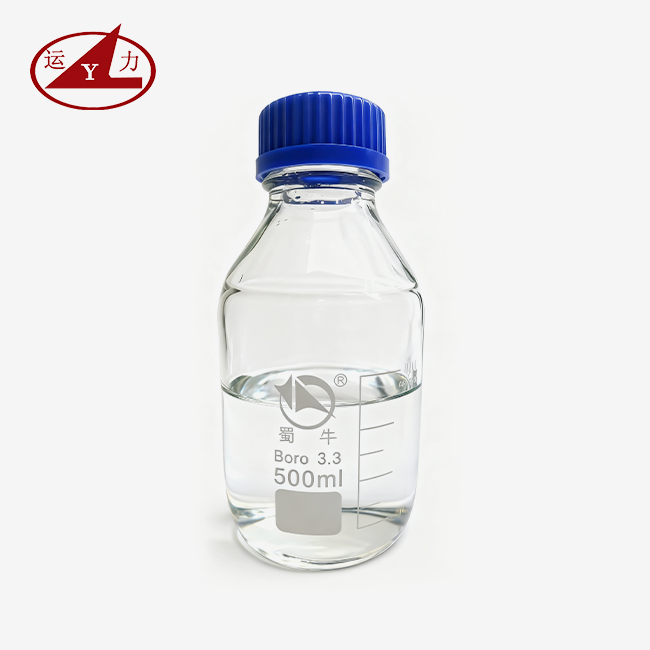
Proper management of aluminium nitrate solution liquid is non-negotiable for any industrial operation that relies on it. As a ready-to-use aqueous formulation of Al(NO₃)₃ (CAS# 7784-27-2, Molecular Weight: 375.13), this liquid carries oxidizing properties and mild acidity that demand deliberate storage protocols and handling discipline. Whether you run a catalyst manufacturing line, a water treatment facility, or a textile dyeing operation, understanding the correct way to store, handle, and procure this nitrate solution protects your workforce, your equipment, and your production output.

Understanding Aluminium Nitrate Solution Liquid
Chemical Profile and Key Properties
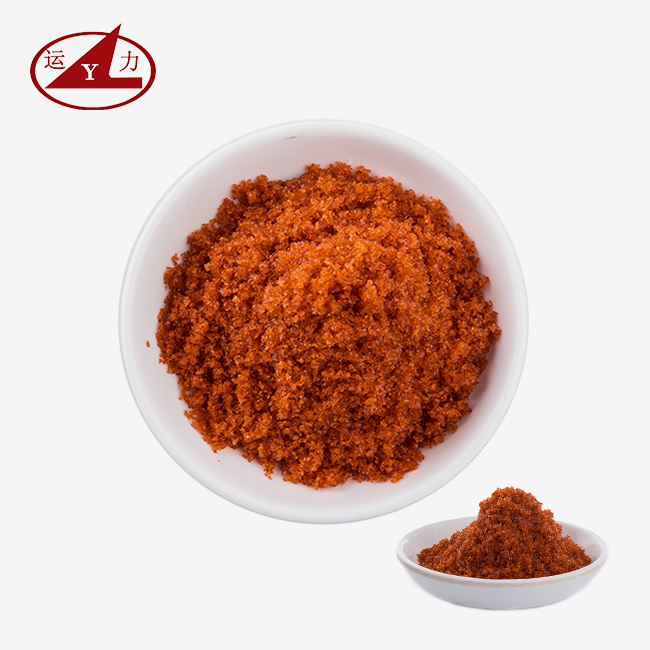
Aluminium nitrate nonahydrate (Al(NO₃)₃·9H₂O) is easy to dissolve in 100 milliliters of water at 25°C. This makes a clear, slightly acidic solution. At 73.9°C, the solid form melts, and at 150°C, it starts to break down. Based on how concentrated it is, the aluminium nitrate solution liquid pH stays between 2.0 and 4.0 when it's liquid, and it strong oxidizes other things. It doesn't mix well with ethylene glycol or alcohols, and because it's acidic, it hurts skin when it rubs against it. This is a direct result of the rules for safe handling.
Industrial Applications
As a direct-feed precursor, the liquid form is used to make catalysts. This is especially true for hydrodesulfurization and methanol synthesis catalysts, which need to make sure that all the holes are filled properly. It is a mordant used in dying fabrics, a flocculant used to clean water, and an intermediate used to make specific aluminium salts. Aluminium nitrate doesn't pollute with sulfate or chloride like aluminium sulfate and aluminium chloride do. As long as chloride levels stay below 30 ppm, the catalyst will work well and the metal surface will be treated.
Best Practices for Storage of Aluminium Nitrate Solution Liquid
Selecting Compatible Storage Vessels
Aluminium nitrate solution liquid solutions are acidic, and when they touch carbon steel, it rusts and the tank breaks. Steel (304L or 316L) or PVC, or tanks lined with glass, must be used to make storage tanks. For storage systems to work in colder places, they need to be protected or heated. Below about 15°C (59°F), a 60% solution starts to crystallize. Solutions that are kept in covered containers out of direct sunlight and heat sources stay steady for 12 to 24 months. When you test the pH and concentration again after a year, you can be sure that the quality has been kept.
Environmental Conditions and Regulatory Labeling
The solution should be kept somewhere cool and well-ventilated, away from things that can burn and reducing agents. Hazard Communication Standards (29 CFR 1910.1200) and GHS rules say that containers must have signs that say they are oxidizer and corrosive. When shipping goods across foreign borders, you must follow the DOT Class 5.1 oxidizer rating. There should be a correct safety data sheet (SDS) for every package that tells you the content, pH range, and what to do in an emergency. Not only does keeping detailed records help with legal checks, but it also keeps buying teams safe during cross-border logistics.

Safe Handling Procedures for Aluminium Nitrate Solution Liquid
Personal Protective Equipment
As soon as the aluminium nitrate solution liquid touches skin or mucosal membranes, it makes them red and itchy. If you move, measure, or handle pipes that carry this stuff, you should wear safety masks that don't get splashed, nitrile or neoprene gloves that don't get damaged by chemicals, and acid-resistant jackets. Splash contact is reduced during bulk filling by closed transfer systems or dedicated pump lines. As more catalyst makers use it, automated pipeline dosing is becoming more common. When facilities use it, they get two benefits: more accurate dosing and less exposure to people.
Spill Response and Disposal
Around storage areas, there should be containment berms or extra containment boxes that can handle liquids that are oxidizing. A sodium bicarbonate solution can be used to clean up a mess. Next, something harmless, like dry sand or vermiculite, can be used to soak up the liquid. If there is an oxidizer spill nearby, don't put sawdust or anything else that can catch fire. People must follow the rules in their area about how to get rid of dangerous trash. In the US, this generally means hiring a qualified contractor to handle hazardous trash in line with RCRA rules. Every year, at least, the staff should learn how to clean up spills and read SDSs. This makes people think about safety in a way that regulators and insurance inspectors like.
Comparing Aluminium Nitrate Solution Liquid with Alternatives
Aluminium nitrate, aluminium chloride, and aluminium sulfate are the only three chemicals that buying engineers usually see when they look at chemicals made from aluminium. Each has its own type of impurities and response patterns that change the quality of the next output.
Here is a quick list of the three main options:
- Aluminium Nitrate Solution: It doesn't add any chloride or sulfate ions to the aluminium nitrate solution liquid. The best kinds have up to 30 parts per million (ppm) of iron, which can be kept at 10 ppm. Because of this, it is the best starting material for making phosphating baths and high-surface-area alumina catalyst supports, both of which need to have very pure ions.
- Aluminium Chloride Solution: It lowers the cost of raw materials, but chloride ions make equipment rust faster and kill some catalysts. It is still used a lot to clean water in situations where salt isn't a problem.
- Aluminium Sulfate Solution: Many times, the aluminium sulfate solution is used to clean public water as a coagulant. Because it can get in the way of dye mordanting and catalyst calcination, residual sulfate can't always be used in high-purity situations.
The cost-efficiency of liquid nitrate over solid dissolution is tangible: eliminating on-site dissolution cuts energy and labor costs by 15–20%, while continuous pipeline feeding improves dosing repeatability compared with batch solid charging.
Procuring Aluminium Nitrate Solution Liquid: Tips for Buyers
Identifying a qualified aluminium nitrate solution liquid supplier requires scrutiny beyond price per metric ton. Purchasing managers and process engineers should prioritize the following criteria before committing to a long-term supply agreement.
- Certifications and compliance: Make sure the business is registered for REACH, TSCA, and ISO 9001 quality management. The fact that a seller has all the necessary licenses to make dangerous chemicals shows that regulators can trust them.
- Batch-to-batch concentration consistency: Get certificate-of-analysis (COA) data from several recent runs to make sure the number stays the same from batch to batch. The process is being managed when the iron level is less than 30 ppm and the specific gravity stays the same (1.35–1.45 g/cm³ at 20°C).
- Customization capability: Make sure the seller can change the pH (1.5 to 4.0), concentration (10% to 40%), and packing, like IBC tote tanks for automatic pipeline systems or smaller drums for R&D labs.
- Logistics and packaging: IBC tote tanks and tanker truck transport make it easy to connect to automatic dose systems and reduce the extra weight that each unit has to carry.
Suppliers with on-site ICP-OES or atomic absorption spectrometry labs can validate trace metal levels before shipment, removing uncertainty from your incoming quality-control step.
Conclusion
If you follow the right steps, it's easy to take good care of aluminium nitrate solution liquid. A potentially dangerous substance can be used as a reliable production input by keeping it in containers that won't rust, keeping the temperature above the point of crystallization, making sure workers have the right safety gear, and getting it from a known source that has a history of keeping it pure. The liquid form's direct-feed benefit—no dissolution work and no dust exposure—makes it a real step up for specialty chemical and catalyst makers who care about speed and following the rules.
FAQ
What concentration range is safest for industrial pipeline dosing?
It is best for most industrial processes to have concentrations between 20% and 40%. If the concentration is high, the material is more likely to harden at low temperatures. If the concentration is low, the oxidizer is weaker while it is being handled. A 30% solution is a good choice for automatic pipeline systems because it is stable and gives accurate doses.
How do I prevent crystallization during winter storage?
It stays above 15°C as long as tanks are insulated or light electric heat tracing is used on storage vessels and transfer lines. Solutes that are 60% can start to salt out below that point. You can break up the crystals again by slowly heating the whole thing up while stirring it. If you heat one area at a time without moving it, that area may break down.
What PPE is mandatory when transferring the solution?
Wearing rubber or neoprene gloves that are resistant to chemicals, splash-proof masks, acid-resistant jackets, and shoes with closed toes is the very least that you should do. When a vessel is open, face masks should be worn.
How long can the solution be kept without quality degradation?
If you keep the solution in the right containers that are sealed and out of direct sunlight and high temperatures, it will stay stable for 12 to 24 months. Since a little water can change the pH over time, you should test it again in a year.
Can the solution be mixed with organic solvents on-site?
Something that you mix with organic acids or reducing agents could give off heat or even start a fire. Make sure you have the most up-to-date SDS and do some small tests in a lab before you test for compatibility.
Partner with Yunli Chemical for a Reliable Aluminium Nitrate Solution Liquid Supply
Yunli Chemical brings 20+ years of nitrate chemistry expertise and ISO 9001-certified production to every order. As a trusted aluminium nitrate solution liquid manufacturer, we offer Fe ≤30 ppm purity, customizable concentrations (10%–40%), and IBC/tanker packaging. Contact us at wangjuan202301@outlook.com to request a free sample or tailored quotation—and put batch consistency to work in your process today.

References
1. Handbook of Inorganic Chemicals — McGraw-Hill, 2003.
2. Chemical Safety Data: Aluminium Nitrate — NIOSH Pocket Guide to Chemical Hazards, National Institute for Occupational Safety and Health, 2019.
3. Hazardous Materials Regulations: Classification and Packaging of Oxidizers — U.S. Department of Transportation, Pipeline and Hazardous Materials Safety Administration, 2021.
4. Industrial Catalysts: Preparation, Characterization and Application — Wiley-VCH, 2006.
5. GHS Purple Book: Globally Harmonized System of Classification and Labelling of Chemicals, 9th Edition — United Nations, 2021.
6. Standard Methods for the Examination of Water and Wastewater, 23rd Edition — American Public Health Association (APHA), 2017.