


Chromium Acetate Solution vs Other Chromium Chemicals
When comparing chromium compounds for industrial applications, many procurement managers face a critical choice: which chromium chemical best meets their process requirements while ensuring safety and environmental compliance? Chromium Acetate 50% Solution stands out as a versatile, eco-friendly alternative that delivers consistent performance across leather tanning, textile dyeing, and catalyst manufacturing. Unlike chromium sulfate or chloride variants, this aqueous formulation offers superior solubility, controlled pH stability, and reduced toxicity, making it an optimal choice for companies seeking reliable chemical sourcing with minimized regulatory risk.

Introduction
Chromium products have been important for a long time in many fields, from tanning leather to finishing textiles and making specific catalysts. But during the selection process, buying specialists often have to deal with complicated technical data, claims from different suppliers that don't always match up, and growing pressure to meet environmental standards. If you pick the wrong chrome source, it can cause problems with production, quality, and safety that waste time and money and stop operations.
We know what these problems are because we've worked with supply chain managers and technical engineers for more than 20 years. This article is mostly about Chromium Acetate 50% Solution, especially the liquid forms. It also talks about and contrasts them with other chromium compounds that are widely used in industry. We look at chemical properties, how well they work in different applications, safety profiles, and buying issues to help you make sourcing choices that are in line with your commitments to both business excellence and sustainability. This comparison gives you the information you need to move forward with confidence, whether you're looking to improve a current process or find new sources.
Understanding Chromium Acetate 50% Solution
Chemical Composition and Structure
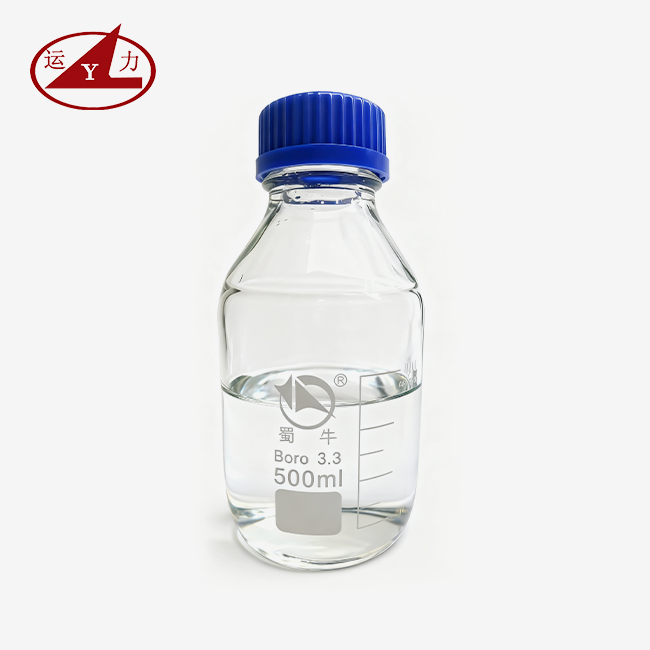
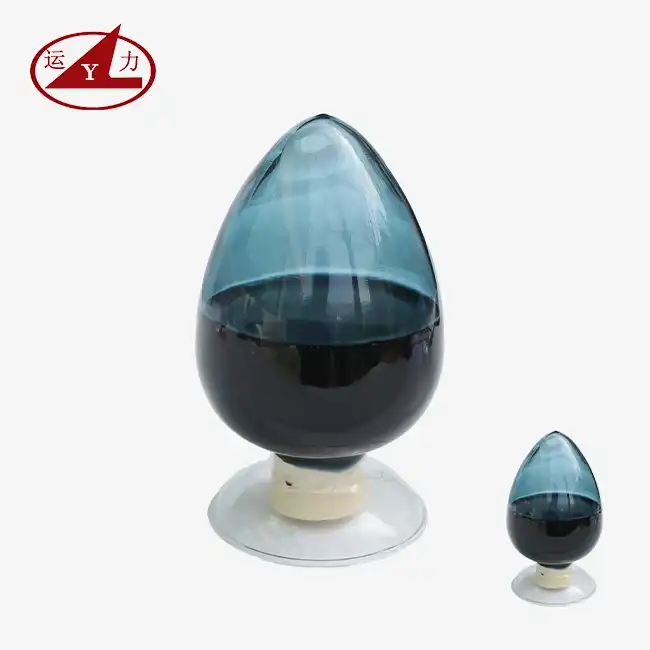
Chromium Acetate 50% Solution is a water-based form of chromium(III) acetate, which has the formula Cr(CH₃COO)₃ and a molecular weight of 229.13. The solution usually looks like a thick, grayish-green or bluish-green liquid that smells like weak acetic acid. Acetate ligands keep the chromium level stable, making a coordination complex that stays soluble in a wide range of industrial settings. This mixture has about 7.5-7.8% chromium metal in it, and the acetate groups act as buffers to keep the reactivity in check and improve process control during application.
Physical Properties and Handling Characteristics
The way this solution is handled and how well it works in industrial settings are directly affected by its physical properties. At 20°C, the density is between 1.25 and 1.35 g/cm³, which makes it easy to pump and measure with standard chemical dosing equipment. The pH is carefully kept between 3.5 and 4.5, which is an important range that keeps most cloth and leather surfaces from reacting with the chromium hydroxides too soon. Complete water miscibility makes sure that the mixture is diluted evenly without any phase separation. This makes batch preparation easier and lowers the risk of concentration spikes in certain areas that could affect the quality of the product.
Unlike some chromium compounds, it's pretty easy to figure out how to store this one. The solution stays stable for 12 to 24 months if it is kept in sealed containers away from high temperatures. Controlling the pH and adding anti-precipitation ingredients make it less likely that the mixture will settle or crystallize while it's being stored. However, checking the density every so often before dosing helps make sure that the concentration stays the same. Safety rules follow the standard MSDS guidelines for trivalent chromium compounds. They focus on protecting the skin and eyes while handling the chemicals and making sure there is enough air flow in enclosed spaces to deal with acetic acid vapors.
Comparative Analysis: Chromium Acetate Solution vs Other Chromium Chemicals
When buying teams know how different sources of chromium work in real-life situations, they can choose materials that meet technical needs while also being safe and affordable. The chemical structure, solubility profile, and reaction patterns of each chromium complex give it its own unique properties.
Chromium Sulfate: The Workhorse of the Past
Basic chromium sulfate powder, which is what chromium sulfate is usually sold as, has been the main ingredient in coloring leather for decades because it is cheap and effective. The sulfate form penetrates and crosses-links fibers quickly, which makes it good for mass production. But sulfate residues can add to the total dissolved solids in wastewater, which makes treatment more difficult. The powder form needs to be carefully mixed, and handling it often makes more dust, which raises health concerns at work. When compared to Chromium Acetate 50% Solution, sulfate variants have less stable pH and need more careful buffering to keep the leather from tanning unevenly or having harsh properties.
Chromium Chloride: Fast Reactivity with Trade-Offs
In some rapid dyeing processes, it's important that chromium chloride solutions respond quickly with surfaces. But this speed costs something. Chloride ions speed up the rusting process in stainless steel tools, which makes tanks, pipes, and pumps last less long. Because the reaction happens faster, there is less room for process control, which raises the risk of too much fixation or uneven color distribution in textiles. Environmental concerns also work against chloride forms, since chloride levels in sewer streams can make biological treatment systems less effective and make it harder to follow the rules for release permits.
Chromium Nitrate: Unique but Limited
Chromium nitrate is used in a limited way to make catalysts and for some surface treatments. The nitrate groups act as oxidizing agents when the metal breaks down at high temperatures. The chemical works well as a starting point for chromium oxide catalysts in the petrochemical field. But because of nitrate chemistry, there are safety concerns about how to handle and store oxidizers. The substance usually costs more than sulfate or acetate alternatives. It also doesn't offer many benefits for common textile or leather uses, so it can only be used in very specific technical areas.
Chromium Acetate Powder vs Liquid Solution
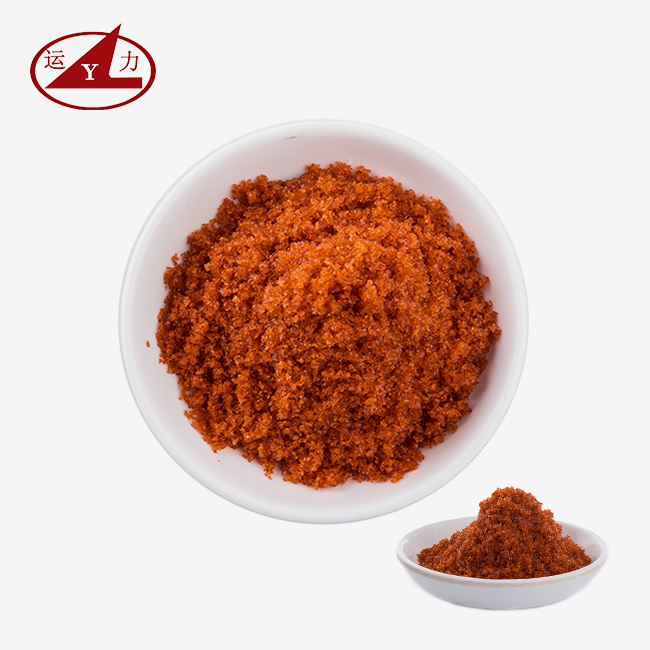
The chromium-acetate chemistry is the same in both powder and liquid types of acetate, but the physical state has a big impact on how it can be used. Powder needs steps to be dissolved, which take time and work and expose workers to dust and cause concentrations to vary from batch to batch. These steps are skipped with the liquid solution, which gives you ready-to-use material whose concentration and quality have been checked. Dosing methods that are automated work better with liquids because they don't need to be handled by hand as much. Because they contain more water, liquid solutions cost more to move per unit of chromium. However, the operational benefits often make up for the extra cost for facilities that put worker safety and speed first.

Selecting the Best Chromium Compound for Your Business
Evaluating Process Compatibility and Performance
The best source of chromium relies on the needs of the process, not on general suggestions from the business. Chromium sulfate usually does a great job when it comes to tanning power and fiber affinity, which are important for leather tanners who want deep penetration and hard grain. Textile dyers who care about color depth and how well it holds up in water often like how Chromium Acetate 50% Solution controls reactivity and keeps the pH stable. Catalyst makers who need very few impurities and exact stoichiometry may ask for pharmaceutical-grade purity levels with iron content below 30 ppm and chloride content below 50 ppm. These are easier to meet with premium liquid formulations.
Balancing Environmental Compliance and Cost
Environmental laws are having a bigger impact on where chromium comes from. Many places have strict rules about how much hexavalent chromium can be released and how much trivalent chromium can be found in wastewater. Chromium Acetate 50% Solution products naturally stop the formation of hexavalent chromium during processing. This makes compliance easier and cuts down on the need for extra treatment steps. The acetate ligands break down more quickly than some sulfate complexes, which could lower the cost of treating pollution. These benefits for the environment are especially important for businesses that have to follow strict discharge permits or are trying to get green chemistry certifications.
A cost analysis must look at more than just the price per kilogram; it must also look at the total costs of ownership. Even though chromium acetate liquids may have higher unit prices than sulfate powders, the total cost can change a lot because of things like less work needed to handle them, less equipment corrosion, fewer quality rejections, and easier wastewater treatment. Better prices are often unlocked by making volume promises, but the financial benefits depend on getting good terms with suppliers who can guarantee long-term delivery.
How to Buy Chromium Acetate 50% Solution: A B2B Procurement Guide
Identifying Reliable Suppliers and Verifying Credentials
Choosing a supplier is one of the most important parts of buying things, especially when it comes to chemicals that have a direct effect on the quality of the product and compliance with regulations. Lanxess and Merck are well-known global suppliers with large product lines and well-known quality control systems. However, their prices are usually higher and the minimum order quantity is higher. Chinese manufacturers have become a competitive option, and the best ones have achieved ISO 9001, ISO 14001, and OHSAS certifications that are on par with international standards. The key is to check credentials by having the factory inspected, having tests done by a third party, and getting references from other customers in the same industry.
Ask for detailed technical data sheets that list not only the amount of chromium in the metal but also the levels of iron, chloride, sulfate, and heavy metals that are harmful to the application and need to be controlled. Suppliers should show MSDS paperwork, a Certificate of Analysis for each batch, and proof that they are following environmental rules, such as being able to treat wastewater. Ask about the company's production capacity and backup plans in case of supply breakdowns. This is especially important if you run high-volume, ongoing processes that can't keep going if there aren't enough materials for Chromium Acetate 50% Solution.
Negotiating Terms and Testing Products
Volume-based price systems save buyers a lot of money when they know exactly what they need over and over again. However, buyers need to be able to change the size of their orders when the process changes or the market changes. A lot of sellers offer free samples of up to 500 grams, which lets technical teams compare the samples side by side in real production settings before deciding to buy in bulk. Testing should include not only how well it works right away, but also how stable it is in storage, how well it works with other equipment, and how consistent it is across different batches of samples. This validation phase lowers the chance of expensive surprises happening after supply agreements are signed.
There should be equal attention paid to both payment terms and delivery operations. Net-30 or Net-60 terms make it easier to handle cash flow, and rebate programs based on yearly volume can help customers who use a lot of services save money. Make sure you understand the lead times, minimum order quantities, and different types of packaging (drums, IBC tanks, or bulk tankers) that work with your storage and usage. Set up clear ways for people to talk to you about technical support, quality issues, and changes to your order. Over the course of the relationship, responsive service is often just as valuable as low prices.
Future Trends and Innovations in Chromium Chemicals for Industrial Use in the Future
Regulatory agencies, environmentalists, and customers who want greener supply chains are all putting pressure on the chromium chemical landscape to change. New, better formulas of Chromium Acetate 50% Solution have stabilizers added that make them last longer than 24 months and keep working the same way at a wider range of temperatures.
New ideas try to get higher amounts of chromium—up to 60% in some specialty grades—that lower the cost of shipping and storage without lowering the safety or security of the product. Researchers looking into different ligand systems are looking for combinations that stop the formation of hexavalent chromium even more, while also making the system more biodegradable and lowering the need for chemical oxygen in wastewater.
Technology for making things is also getting better. Closed-loop production systems reuse process water and collect chromium-containing waste streams so they can be used again. This has a hugely positive effect on the environment and lowers the cost of raw materials. Instead of making generic goods that work for all situations, some companies now offer custom formulas that are made to fit specific pH ranges, viscosities, or additive packages that make the best performance for those uses. These changes show a move toward working together with suppliers, where technical know-how and the ability to make changes matter more than low prices.
Conclusion
When choosing the right chromium material, you have to think about how well it works technically, how well it treats the earth, and how reliable the supply chain is. Because it dissolves better, reacts less, and leaves less of an impact on the environment, Chromium Acetate 50% Solution is clearly better than traditional sulfate and chloride alternatives.
The liquid form makes it easier to handle and dose, and it provides constant quality that supports tight process control. Still, the best choice relies on your specific needs, the amount you need, and the supplier's capabilities. Procurement teams can find chromium sources that meet regulatory standards and operational efficiency goals while also improving product quality by doing thorough evaluations, asking for samples, and working with certified manufacturers.

FAQ
What makes chromium acetate safer than other types of chromium?
Chromium Acetate 50% Solution stays in the trivalent oxidation state during normal industrial processes. This keeps hexavalent chromium from forming, which is very bad for your health and the environment. The acetate partners lower the pH and slow down the reaction, which protects skin and devices from damage. Standard personal protective equipment is still needed for safe handling, but the level of toxicity is still much lower than that of hexavalent compounds or highly acidic chloride forms.
Can chromium acetate solution be used instead of chromium sulfate to tan leather?
Chromium Acetate 50% Solution can be used instead of sulfate in many tanning processes, which helps control the pH and lowers the amount of sulfate in the wastewater. To account for differences in penetration rates and buffering, the conversion usually only needs small changes to the process. Technical support from your supplier can help you find the best doses and timing to get results that are as good as or better than sulfate-tanned leather while also making it easier to meet environmental standards.
How should I keep chrome acetate solution in good condition?
Keep the solution in sealed containers made of high-density plastic or stainless steel that are compatible with it. Keep the containers in a temperature-controlled area that is not near extreme heat or cold. The solution can be used in temperatures as low as -20°C, but freezing makes the layers separate, so it needs to be mixed well before use. Keep containers covered when not in use to stop water from evaporating, which raises the concentration. Check the density every so often to make sure the consistency is still the same before dose.
Partner with Yunli Chemical for Reliable Chromium Acetate 50% Solution Supply
Yunli Chemical has been making things for more than 20 years and can help businesses that need high-quality Chromium Acetate 50% Solution options. As an enterprise technology center at the provincial level that is certified under ISO 9001, ISO 14001, and OHSAS, we provide products that are very pure, have stable pH levels, and come with full compliance documentation for every batch, such as MSDS and COA. Our advanced quality control tools, such as ICP-MS and atomic absorption spectrometers, and closed-loop production systems make sure that every package meets your exact needs.
You can choose from amounts between 40% and 60%, and we offer flexible packing in drums or IBC tanks as well as free samples of up to 500 grams to help you with your evaluation. We make it easier to buy things for your business by offering factory-direct prices, no minimum order quantities, and dedicated technical support. Get in touch with us at wangjuan202301@outlook.com to talk about your needs and find out why top makers choose Yunli Chemical as their Chromium Acetate 50% Solution provider. You can find out more about our full range of products and services at yunlichemical.com.
References
1. Covington, A. D. (2009). Tanning Chemistry: The Science of Leather. Royal Society of Chemistry.
2. Environmental Protection Agency. (2015). Best Management Practices for Chromium in Industrial Wastewater. EPA Technical Report Series.
3. International Chromium Development Association. (2020). Trivalent Chromium Compounds in Industrial Applications: Properties and Safety Guidelines.
4. Swaminathan, K., & Suresh, S. (2018). "Comparative Study of Chromium Salts in Textile Dyeing." Journal of Cleaner Production, 178, 455-468.
5. Zhang, L., Chen, M., & Wang, H. (2021). "Advances in Chromium Acetate Formulations for Enhanced Oil Recovery." Petroleum Science and Technology, 39(3), 201-218.
6. European Chemicals Agency. (2022). REACH Compliance Guidelines for Chromium(III) Compounds in Industrial Manufacturing. ECHA Publication Series.