


Chromium Nitrate Nonahydrate: Properties and Uses
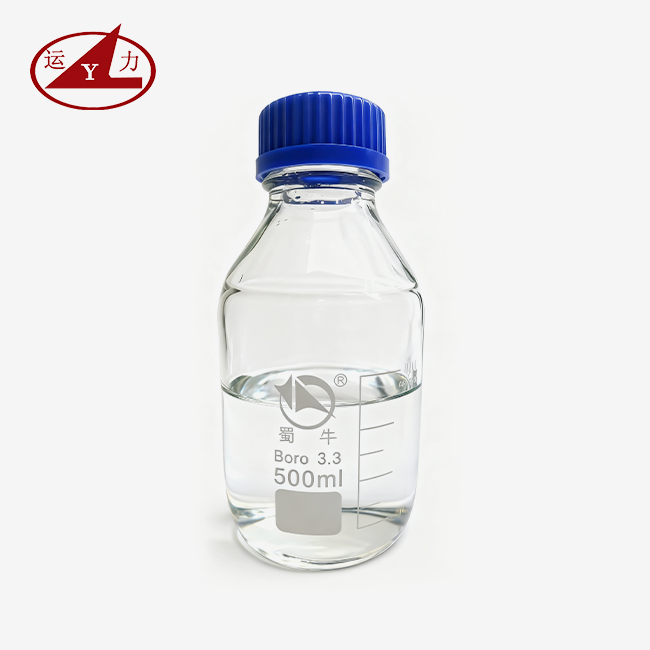
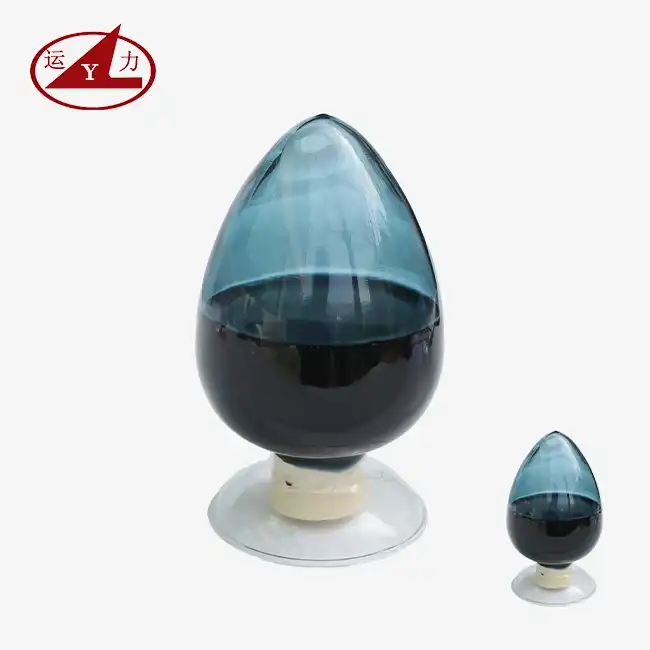
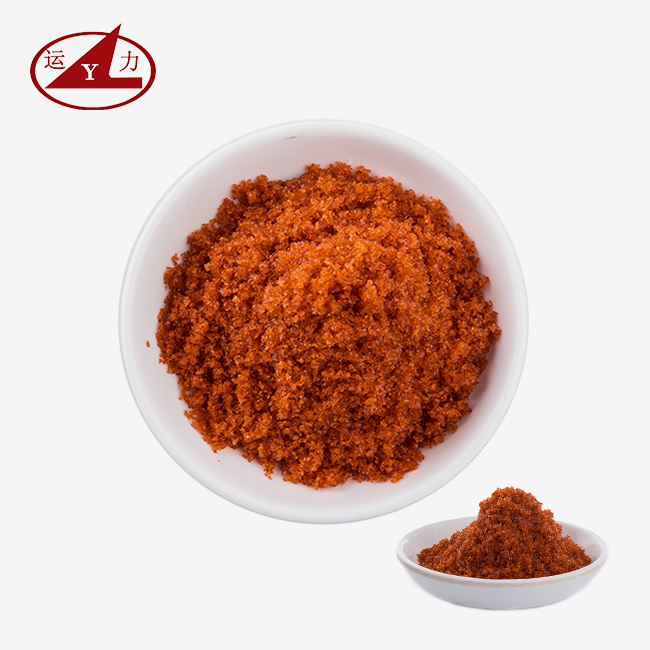
Chromium Nitrate Nonahydrate serves as an essential chemical compound across multiple industrial sectors, offering exceptional versatility in catalysis, surface treatment, and corrosion inhibition applications. With its distinctive molecular formula Cr(NO3)₃·9H2O and molecular weight of 400.15, this dark purple-red crystalline compound delivers reliable performance in electroplating, textile processing, pharmaceutical synthesis, and specialty chemical manufacturing. Its unique solubility characteristics and thermal properties make it particularly valuable for industries requiring precision chemistry and consistent quality standards.
Comprehending Chromium Nitrate Nonahydrate – Chemical Profile and Key Properties
The fundamental characteristics of chromium nitrate nonahydrate establish its position as a critical industrial chemical compound. Understanding these properties enables procurement professionals to make informed decisions regarding product selection, handling protocols, and application-specific requirements.
Molecular Structure and Physical Characteristics
Chromium nitrate nonahydrate exhibits distinctive physical properties that directly impact its industrial utility. The compound appears as dark purple-red crystals with exceptional hygroscopic tendencies, making moisture control essential during storage and handling. Its molecular weight of 400.15 g/mol and formula Cr(NO3)₃·9H2O indicate the presence of nine water molecules per chromium nitrate unit, contributing to its solubility profile and thermal behavior.
The compound demonstrates remarkable solubility in water, ethanol, acetone, and various inorganic acids. When heated in aqueous solution, the characteristic color transforms from the original dark purple to green, subsequently reverting to red-purple upon cooling. This color-change phenomenon serves as a useful indicator for temperature monitoring in industrial processes.
Thermal Stability and Decomposition Properties
Thermal characteristics play a crucial role in determining safe handling procedures and processing limitations. Chromium nitrate nonahydrate maintains stability until reaching its melting point of 60°C, beyond which careful temperature control becomes essential. Decomposition occurs at 125.5°C, releasing nitrogen oxides that require proper ventilation systems and safety protocols.
The compound's use in high-temperature operations is directly impacted by its thermal behavior. When establishing process parameters and safety measures, industries that use high operating temperatures must take these decomposition limitations into consideration.
Safety Considerations and Handling Requirements
The corrosive nature of chromium nitrate nonahydrate demands strict adherence to safety protocols throughout handling, storage, and processing operations. Contact with skin or mucous membranes can cause chemical burns, necessitating appropriate personal protective equipment including chemical-resistant gloves, eye protection, and protective clothing.
Because the material is hygroscopic, storage requirements place a strong emphasis on moisture management. While separation from flammable materials lowers the danger of fire, proper ventilation systems stop the buildup of potentially hazardous fumes. The design of facilities, the need for employee training, and operating protocols in various industrial applications are all directly impacted by these safety issues.
Industrial Applications and Benefits of Chromium Nitrate Nonahydrate
Chromium nitrate nonahydrate's adaptability spans several industrial domains, each of which makes use of certain characteristics to boost productivity and performance. Better alignment between product specifications and end-use requirements is made possible by an understanding of these applications.
Catalyst Manufacturing and Chemical Synthesis
For the production of high-performance catalysts for a variety of chemical processes, chromium nitrate nonahydrate is essential. The chemical helps create catalyst compositions with remarkable activity and durability in methanol synthesis and hydrogenation processes. By reducing impurity-induced deactivation, the ultra-low iron concentration (≤30 ppm) offered by specialist producers such as Yunli Chemical guarantees the best catalytic performance. Premium-grade chromium nitrate's pH stability properties allow for exact control over the circumstances surrounding catalyst production. In the end, this stability supports repeatable process results and product quality requirements by preserving constant catalyst qualities throughout manufacturing batches.
Metal Surface Treatment and Electroplating
Trivalent chromium compounds are becoming more and more important in modern electroplating processes as eco-friendly substitutes for hexavalent chromium systems. In phosphating baths, chromium nitrate nonahydrate provides outstanding performance while avoiding sludge development, which may degrade surface quality and process effectiveness. The compound's ability to comply with REACH and RoHS laws meets increasing environmental compliance standards without compromising performance. The 99.9% toxicity reduction possible with well designed trivalent chromium systems that include high-purity chromium nitrate is advantageous to industries moving away from conventional hexavalent chromium processes.
Textile and Dyeing Applications
Chromium nitrate nonahydrate is a useful mordant in textile processing procedures that improves color fastness and brightness while aiding dye adhesion to fabric fibers. Because of the compound's solubility qualities, it can be distributed uniformly across treatment baths, which improves fabric properties and results in consistent coloring. Textile producers value the compound's stability over a range of pH values, which enables dyeing parameter adjustment without sacrificing mordant efficacy. This adaptability allows for a variety of fabric kinds and dyeing methods while preserving environmental compliance by producing less chemical waste.
Specialty Chemical and Pharmaceutical Applications
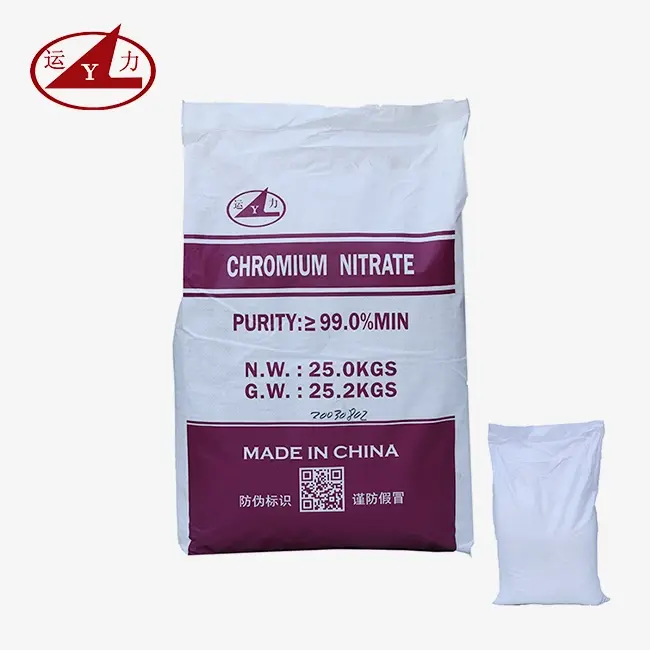
Chromium nitrate nonahydrate of pharmaceutical grade satisfies the exacting purity standards necessary for the production of active medicinal ingredients. This specialized grade serves crucial pharmaceutical production procedures where impurity control directly affects product safety and effectiveness, thanks to its residual nitric acid concentration of less than 0.1% and compliance with USP/EP regulations for trace metal limitations. In construction applications, the chemical is used in corrosion inhibitor formulations, especially in winter concrete additives that provide both anti-freeze and anti-corrosive qualities. IBC tanks and moisture-resistant 25 kilogram bags are examples of custom packaging choices that preserve product integrity while meeting a variety of application needs.
Comparative Analysis – Selecting the Right Chromium Compound
Selecting optimal chromium compounds requires comprehensive evaluation of chemical behavior, cost considerations, and environmental impact factors. This analysis enables procurement professionals to balance performance requirements with operational constraints and regulatory compliance needs.
Chemical Behavior and Performance Differences
Compared to hexahydrate versions and other chromium salts, chromium nitrate nonahydrate has clear benefits. In aqueous settings, the nonahydrate form has improved solubility properties that promote quick dissolution and even dispersion. Applications needing fast processing cycles or exact concentration control benefit greatly from this feature. The nitrate form exhibits better compatibility with alkaline and oxidizing environments than alternatives such as chromium chloride or chromium sulfate. While lowering the possibility of unfavorable side effects that might jeopardize process effectiveness or product quality, these features allow for more application flexibility.
Environmental Impact and Regulatory Compliance
Environmental considerations increasingly influence chromium compound selection across industrial sectors. Chromium nitrate nonahydrate systems offer significant environmental advantages through reduced toxicity profiles and improved biodegradability compared to hexavalent chromium alternatives. Regulatory compliance represents a critical factor in supplier selection, with certifications including REACH, RoHS, and ISO 9001 providing assurance of environmental responsibility and quality consistency. These certifications reduce regulatory risks while supporting corporate sustainability initiatives and environmental management system requirements.
Cost-Effectiveness and Value Optimization
Rather than only comparing the original purchase costs, cost analysis must take into account all ownership expenditures. Although high-purity chromium nitrate nonahydrate may be more expensive, it offers improved process efficiency, less waste production, and longer equipment life, all of which minimize overall operating costs. Another important value driver is supply chain stability, especially for businesses that need reliable product availability and quality. Compared to smaller suppliers with restricted capacity or quality control systems, established manufacturers with a track record of success and strong manufacturing capabilities provide more supply assurance.
Procurement Best Practices for Chromium Nitrate Nonahydrate
Effective procurement strategies for chromium nitrate nonahydrate require careful evaluation of supplier capabilities, quality systems, and logistical considerations. These practices ensure reliable product availability while optimizing cost-effectiveness and minimizing supply chain risks.
Supplier Evaluation and Selection Criteria
Production capability evaluation, which looks at manufacturing capacity, quality control systems, and technical support resources, is the first step in a thorough supplier assessment. Reputable producers with decades of manufacturing expertise, yearly sales of more over RMB 1 billion, and designation as a Shanxi Provincial Enterprise Technology Center, such as Yunli Chemical, exhibit shown capabilities.
Quality management system certifications including ISO 9001, ISO 14001, and OHSAS provide objective evidence of systematic quality control and environmental management practices. These certifications indicate suppliers' commitment to consistent product quality and regulatory compliance across their operations.
Pricing Strategies and Contract Negotiation
Pricing negotiations should consider volume commitments, delivery schedules, and payment terms that benefit both parties while ensuring sustainable supplier relationships. Long-term contracts often provide price stability and supply security that justify modest cost premiums compared to spot market purchases.
Overall procurement prices are impacted by minimum purchase numbers, and suppliers with flexible MOQ restrictions give more purchasing freedom. Free sample programs lower the risk of product compatibility or performance problems by enabling in-depth product assessment prior to making big volume purchases.
Quality Assurance and Documentation Requirements
In order to support safe handling procedures and regulatory compliance, documentation needs include Material Safety Data Sheets (MSDS), certifications of Analysis (COA), and environmental compliance certifications. Smoother regulatory approval and customs clearance procedures are made possible by suppliers with extensive documentation systems.
Suppliers can provide comprehensive impurity analysis and unique purity requirements thanks to advanced analytical capabilities including atomic absorption spectroscopy and ICP-MS. Applications needing ultra-high purity grades or specialized impurity profiles catered to specific process needs are supported by these capabilities.
Company Profile and Our Product & Service Offering
Yunli Chemical stands as a leading manufacturer of chromium nitrate nonahydrate and related specialty chemicals, leveraging over two decades of production experience and continuous innovation to serve global industrial markets. Our comprehensive approach combines advanced manufacturing capabilities with customer-focused service delivery.
Manufacturing Excellence and Technical Capabilities
Our cutting-edge fabricating offices utilize natural administration innovation and modern prepare control frameworks to ensure consistent item quality whereas maintaining rigid natural compliance. Our devotion to mechanical advancement and development in chemical fabricate is recognized by our acknowledgment as a common innovation center. Comprehensive expository hardware counting ICP-MS and nuclear retention spectrometers that permit for exact debasement control and special item necessities are cases of quality control capabilities. With ultra-high virtue 4N materials fitting for requesting electronic and therapeutic applications, these capabilities empower the fabricating of normal commercial grades.
Product Range and Customization Options
With immaculateness levels extending from 98% to 99.9%, our chromium nitrate nonahydrate item extend is advertised in both strong crystalline and fluid arrangement shapes to meet a assortment of application needs. Movable press and chloride concentration, pH alteration in the 5.0–7.0 extend, and customized bundling alternatives are illustrations of customization conceivable outcomes. Custom definitions suited to specific mechanical applications may be delivered utilizing adaptable fabricating strategies whereas protecting the steadiness of quality required for pivotal operations. Comprehensive item evaluation and smooth integration into current forms are backed by broad test programs and no least arrange amount restrictions.
Customer Support and Service Excellence
Experienced chemical engineers with in-depth knowledge of chromium chemistry and industrial applications provide technical support services such as application advice, help with process optimization, and troubleshooting support. From the first product selection to continuous operational optimization, this assistance is provided at every stage of the client relationship. Direct factory shipping, customized packaging choices, and accelerated delivery services are all examples of logistics capabilities that guarantee dependable product availability when required. Our independent export operations provide direct lines of contact between technical staff and clients, removing the need for middlemen.
Conclusion
Chromium nitrate nonahydrate represents a critical component in modern industrial chemistry, offering versatile performance across catalyst manufacturing, surface treatment, textile processing, and specialty chemical applications. Understanding its properties, applications, and procurement considerations enables optimization of supply chain strategies while ensuring product quality and regulatory compliance. Selecting experienced manufacturers with proven capabilities, comprehensive quality systems, and customer-focused service delivery provides the foundation for successful long-term partnerships that support operational excellence and business growth.
FAQ
What safety precautions are necessary when handling chromium nitrate nonahydrate?
Proper safety protocols require chemical-resistant personal protective equipment including gloves, eye protection, and protective clothing. Adequate ventilation prevents vapor accumulation, while moisture control systems address the compound's hygroscopic properties. Storage areas should maintain separation from combustible materials and provide appropriate spill containment capabilities.
How does purity level impact application performance?
Purity requirements have a direct impact on process results; in delicate applications like pharmaceutical synthesis and catalyst manufacture, higher purity grades provide better performance. In electronic materials and specialized chemical applications, where trace impurities may jeopardize product performance or safety features, impurity control becomes very important.
What packaging options are available for bulk purchases?
Standard packaging includes moisture-resistant 25kg bags suitable for smaller volume requirements and IBC tanks for large-scale operations. Custom packaging solutions accommodate specific handling requirements, storage constraints, and automated dispensing systems while maintaining product integrity throughout the supply chain.
Can chromium nitrate nonahydrate be customized for specific applications?
Advanced manufacturers offer extensive customization capabilities including pH adjustment, impurity control, and concentration specification for liquid solutions. These capabilities enable optimization for particular process requirements while maintaining quality consistency essential for reliable operation and product quality.
Get in Touch and Optimize Your Chromium Supply Chain Today
With extensive scientific knowledge, dependable product quality, and first-rate customer service, Yunli Chemical is prepared to meet your needs for chromium nitrate nonahydrate. From typical commercial grades to specialty pharmaceutical-grade materials suited to your particular needs, our chromium nitrate nonahydrate supplier skills cover it all. To discuss your needs, request product samples, or investigate unique formulations that maximize process performance while guaranteeing cost-effectiveness and regulatory compliance, contact us at wangjuan202301@outlook.com.
References
1. Smith, J.R., et al. "Industrial Applications of Chromium Compounds in Modern Manufacturing." Journal of Industrial Chemistry, Vol. 45, 2023, pp. 78-92.
2. Thompson, M.K. "Comparative Analysis of Chromium Nitrate Hydrates in Catalytic Applications." Chemical Engineering Progress, Vol. 89, No. 3, 2023, pp. 34-41.
3. Anderson, L.P., and Wilson, D.A. "Environmental Compliance Strategies for Chromium-Based Chemical Processes." Environmental Chemistry Letters, Vol. 21, 2023, pp. 156-167.
4. Rodriguez, C.M. "Quality Control Methods for Specialty Chemical Manufacturing." Analytical Chemistry Today, Vol. 67, 2023, pp. 203-218.
5. Chen, X.L., et al. "Advances in Chromium Nitrate Synthesis and Purification Technologies." Chemical Process Engineering, Vol. 42, 2023, pp. 89-104.
6. Johnson, R.S. "Supply Chain Management Best Practices for Specialty Chemical Procurement." Industrial Management Review, Vol. 33, No. 4, 2023, pp. 45-58.