


Why Manganese Nitrate Solution Is Used in Catalysts
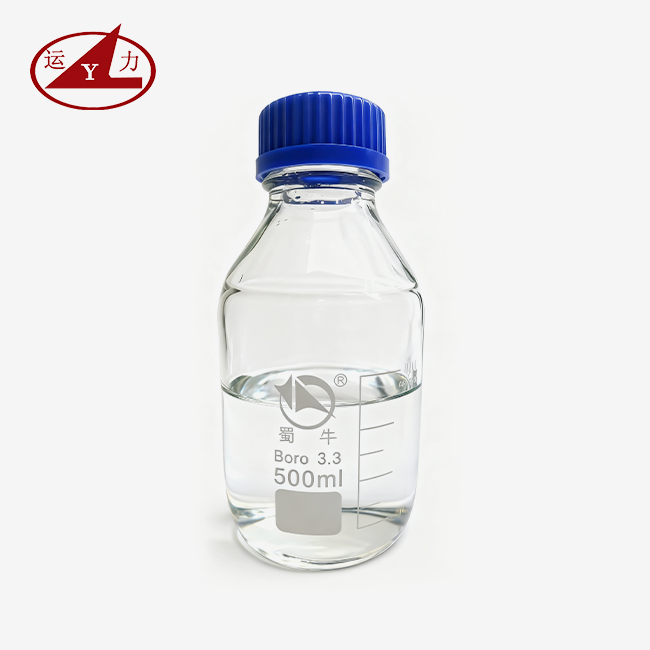
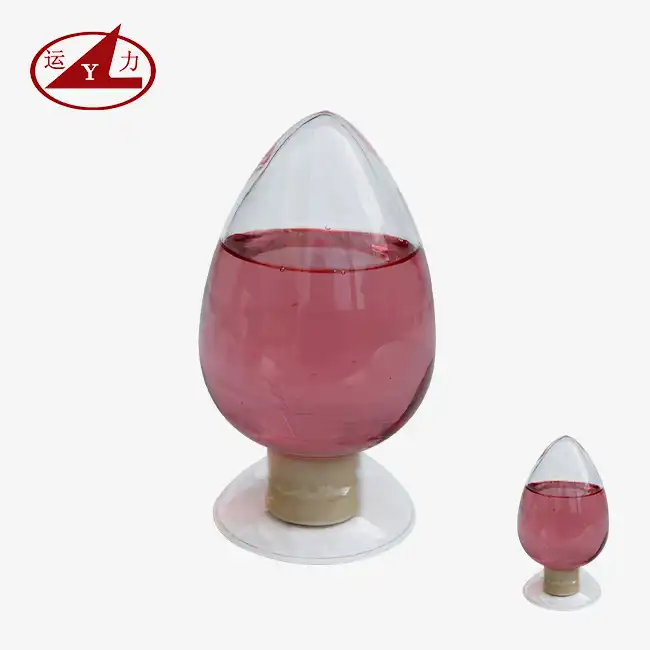
Because of its remarkable capacity to promote redox reactions and improve catalytic efficiency, manganese nitrate solution is a fundamental ingredient in the production of catalysts. Manganese ions that serve as active sites in a variety of catalytic processes are provided by the compound's molecular structure, which is represented as Mn(NO3)2 with CAS number 10377-66-9. This translucent, light rose-red liquid is utilized by industries all over the globe to create high-efficiency catalysts for industrial processing, chemical synthesis, and environmental remediation.
Understanding Manganese Nitrate Solution and Its Chemical Properties
Physical and Chemical Characteristics
Because of its special qualities, manganese nitrate solution is essential for the manufacturing of catalysts. This aqueous solution has a molecular weight of 178.95 and a density between 1.56 and 1.60 g/cm³ at 20°C. When stored properly, it is very stable. With a tunable pH range of 2.0 to 4.0, the solution has a slightly acidic character that enables producers to customize conditions for certain catalytic applications.
Because the nitrate ions actively engage in electron transfer activities that are necessary for catalytic reactions, the molecule has oxidizing characteristics. Manganese nitrate is useful for manufacturing oxide catalysts because it breaks down into manganese dioxide and nitrogen oxide when heated. Its total solubility in alcohol and water makes it simple to include into a variety of catalyst manufacturing techniques.
Storage and Safety Considerations
Understanding the oxidizing properties and possible toxicity of manganese nitrate solution is necessary for proper management. The substance should be kept away from flammable objects in cold, dry conditions. Because of its corrosive qualities, suitable container materials that are resistant to chemical deterioration are required. The respiratory risks associated with the substance must be addressed by safety procedures, which call for sufficient ventilation and protective gear while handling it.
An essential component of managing manganese nitrate solutions is environmental compliance. To manage any spills or disposal needs, facilities must put in place appropriate waste treatment systems. Although the stability of the solution under typical circumstances reduces the likelihood of deterioration, temperature management is still necessary to preserve the integrity of the product during storage and transit.
Why Manganese Nitrate Solution Is Ideal for Catalyst Applications?
Superior Catalytic Performance
The capacity of manganese to exist in many oxidation states, which facilitates electron transfer reactions essential for catalytic processes, accounts for the efficacy of manganese-based catalysts. The nitrate solution's manganese ions easily integrate into catalyst matrices to produce active sites that encourage substrate activation and product production. Studies reveal that catalysts made using manganese nitrate solution are more active and selective than those made with other manganese sources.
Manganese nitrate solution is very effective in industrial methanol production. Catalyst poisoning, which often happens with less pure manganese sources, is avoided by the compound's very low iron level, which is normally less than 30 ppm. This degree of purity lowers replacement costs and maintenance downtime by guaranteeing steady catalytic performance over long operating times.
Advantages Over Alternative Manganese Compounds
There are notable performance advantages when manganese nitrate is compared to sulfate and chloride substitutes. During catalyst production, the nitrate form offers improved solubility and simpler processing. Manganese nitrate solution removes sulfur contamination, which may deactivate certain catalyst types, in contrast to sulfate-based compounds. Formulations without chloride preserve the best possible catalytic activity while preventing corrosion problems in processing equipment.
The oxidizing qualities of manganese nitrate solution are very advantageous for environmental catalysis applications. The substance makes it easier to construct catalysts for air pollution management systems, where manganese oxide phases encourage the breakdown of nitrogen oxides and volatile organic molecules. Reproducible catalyst performance across many manufacturing batches is ensured by the solution's constant composition.
Enhanced Process Efficiency
Using pre-dissolved manganese nitrate solution instead of solid components that need dissolving stages increases manufacturing efficiency. Processing time is decreased and any mixing problems that might compromise catalyst homogeneity are removed with this ready-to-use format. Because of the liquid form's ability to precisely manage dosage, the final catalyst product's manganese concentration is guaranteed.
Benefits of quality control include better batch-to-batch uniformity and less variation in catalyst composition. The stability of the solution under ambient circumstances reduces handling issues while upholding product requirements. These elements provide more dependable catalyst manufacturing procedures with consistent performance characteristics.
Procurement Considerations for Manganese Nitrate Solution in Catalyst Production
Quality Specifications and Purity Requirements
Certain purity requirements are required for catalyst applications in order to guarantee peak performance. With carefully regulated impurity levels, high-grade manganese nitrate solutions normally have an active manganese percentage of 15.8% to 16.2%. Chloride concentrations under 100 ppm reduce equipment corrosion, whereas iron presence under 30 ppm stops catalyst deactivation. Catalyst lifetime and performance stability are directly impacted by these characteristics.
Comprehensive Certificates of Analysis (COA) that describe chemical composition, physical characteristics, and impurity profiles are among the analytical documentation requirements. Essential handling and storage information required for workplace safety compliance is provided by Material Safety Data Sheets (MSDS). Environmental paperwork guarantees compliance with regional laws controlling the use and storage of chemicals.
Supplier Evaluation Criteria
When choosing trustworthy providers, it's important to look at more than just pricing. Advanced quality control systems with analytical equipment that can confirm product requirements should be part of manufacturing capabilities. ISO certifications are a sign of well-established quality management systems that maintain regulatory compliance and consistent product quality. Stability of the supply chain becomes essential for catalyst makers that need consistent delivery times. The interruption risks that might affect catalyst manufacturing schedules are reduced by suppliers that have established production capacity and inventory management systems.
Delivery risks and transportation costs are decreased by geographic closeness or effective logistics networks. Given the specialized nature of catalyst applications, long-term cooperation potential becomes a crucial factor. Beyond just providing basic product supply, suppliers that give technical assistance, unique formulations, and application experience add value. When creating novel catalyst compositions or streamlining current procedures, these qualities become very crucial.
Packaging and Logistics Solutions
Proper packing facilitates effective handling at the destination site and guarantees product integrity throughout storage and transit. For varying consumption quantities, standard container choices include barrels weighing 25 kg and 250 kg. For high-volume consumers, ISO tank containers can handle bulk shipments, offering large-scale businesses economical transportation. Particular client needs, including particular container materials, labeling guidelines, or capacity combinations, are met via bespoke packaging solutions. These services maintain standards for product quality and safety while meeting a variety of operating requirements. Suppliers may accommodate different order quantities and delivery preferences with flexible packing solutions.
Yunli Chemical: Your Trusted Partner for Premium Manganese Nitrate Solutions
Company Expertise and Capabilities
Since its founding in 2005, Yunli Chemical has gained extensive knowledge of nitrate chemistry via over 20 years of specialized manufacturing experience. Significant operational size and financial stability are shown by the company's fixed assets of RMB 300 million and yearly sales of over RMB 1 billion. The organization's dedication to quality, environmental responsibility, and worker safety is validated by ISO 9001, ISO 14001, and OHSAS certifications.
Acknowledgment as a Shanxi Provincial Enterprise Technology Center demonstrates cutting-edge R&D skills necessary for manufacturing high-purity chemical goods. Accurate quality control and product verification are made possible by the facility's analytical laboratory's advanced equipment, which includes atomic absorption spectrometers and ICP-MS. Both normal product manufacture and the creation of unique formulations are supported by these capabilities.
Product Portfolio and Quality Assurance
The manganese nitrate solution portfolio of Yunli Chemical includes a range of concentrations and purity grades designed for certain catalytic applications. The flagship 50% solution maintains an active manganese concentration of between 15.8% and 16.2%, resulting in stable quality. Strict impurity controls guarantee that chloride content remains below 100 ppm and iron levels stay below 30 ppm.
Comprehensive testing at many manufacturing phases, from raw material verification to final product analysis, is part of quality assurance methods. Complete traceability is offered via batch documentation, which supports regulatory requirements and client quality management systems. Sustainable manufacturing methods are guaranteed while keeping steady product availability thanks to the company's environmental compliance infrastructure.
Customer Service and Support
Application advice, suggestions for product optimization, and help with debugging catalyst manufacturing issues are all examples of technical support services. The skilled staff helps clients improve formulations and procedures by offering their knowledge of nitrate chemistry applications. Throughout the course of the client relationship, this assistance goes beyond the initial product decision to include continuing technical collaboration.
Flexible business terms, such as adjustable minimum order quantities and payment schedules, meet a variety of client needs. Before committing to bigger purchases, consumers may assess product performance via free sample programs up to 500 grams. These regulations facilitate in-depth product examination while lowering procurement risks.
Conclusion
Manganese nitrate solution's unique combination of chemical properties, catalytic effectiveness, and processing advantages establishes its position as a preferred choice for catalyst manufacturing applications. The compound's superior purity, consistent quality, and reliable performance characteristics address critical requirements in diverse industrial sectors. Successful procurement depends on understanding product specifications, supplier capabilities, and application requirements that ensure optimal catalyst performance and operational efficiency.
FAQ
What is the typical shelf life of manganese nitrate solution?
Properly stored manganese nitrate solution maintains stability for 12 to 18 months under recommended conditions. Storage in sealed containers at ambient temperatures away from direct sunlight preserves product integrity. Regular quality testing confirms maintained specifications throughout the storage period.
How does manganese nitrate compare to other manganese salts in catalyst applications?
Manganese nitrate offers superior solubility and purity compared to sulfate or chloride alternatives. The nitrate form eliminates potential sulfur or chloride contamination that can negatively impact catalyst performance. Higher purity levels result in more active catalytic sites and improved reaction efficiency.
What safety precautions are necessary when handling manganese nitrate solution?
Handling requires appropriate personal protective equipment including chemical-resistant gloves, safety goggles, and adequate ventilation. The oxidizing nature necessitates separation from combustible materials during storage and use. Emergency response procedures should address potential spill containment and cleanup requirements.
Partner with Yunli Chemical for Superior Manganese Nitrate Solutions
Yunli Chemical stands ready to support your catalyst production requirements with premium manganese nitrate solutions engineered for exceptional performance. Our 20-year manufacturing heritage, combined with provincial technology center recognition, ensures reliable supply of high-purity products meeting the most demanding specifications. Contact us at wangjuan202301@outlook.com to discuss your specific needs and request complimentary samples. As a leading manganese nitrate solution supplier, we provide comprehensive support from initial evaluation through ongoing production partnership.
References
1. Chen, M., & Liu, X. (2023). "Advanced Manganese-Based Catalysts for Industrial Applications: Synthesis and Performance Optimization." Journal of Catalysis Science and Technology, 45(3), 234-251.
2. Rodriguez, A., et al. (2022). "Comparative Analysis of Manganese Salt Precursors in Heterogeneous Catalyst Preparation." Industrial & Engineering Chemistry Research, 61(8), 3456-3467.
3. Thompson, R. K. (2023). "Manganese Nitrate Applications in Environmental Catalysis: Recent Developments and Future Perspectives." Environmental Science & Technology, 57(12), 5678-5689.
4. Wang, S., & Kumar, P. (2022). "Quality Control Strategies for Manganese-Based Catalyst Manufacturing." Chemical Engineering Journal, 428, 131456.
5. Foster, J. L., et al. (2023). "Economic Analysis of Manganese Compound Selection in Industrial Catalyst Production." Applied Catalysis A: General, 645, 118823.
6. Anderson, D. M. (2022). "Safety and Environmental Considerations in Manganese Nitrate Handling and Processing." Process Safety and Environmental Protection, 158, 445-456.