


Chromium Salts in Surface Treatment Applications
Chromium salts represent essential chemical compounds that drive numerous surface treatment processes across industries ranging from electroplating to leather manufacturing. Among these compounds, Chromium Sulfate (CAS 10101-53-8) stands as the preferred choice for industrial applications due to its exceptional stability, cost-effectiveness, and superior performance in complex chemical environments. The molecular formula Cr2(SO4)3 with a molecular weight of 392 delivers consistent results while maintaining excellent solubility characteristics that make it indispensable for procurement managers, technical engineers, and chemical distributors seeking reliable surface treatment solutions.
Comprehending Chromium Salts and Their Role in Surface Treatment
Chromium-based compounds are essential to modern surface treatment procedures in order to get the required material qualities and performance characteristics. These chemical substances are essential building blocks for a variety of uses, including catalysis and protective coatings.
Chemical Properties and Molecular Structure
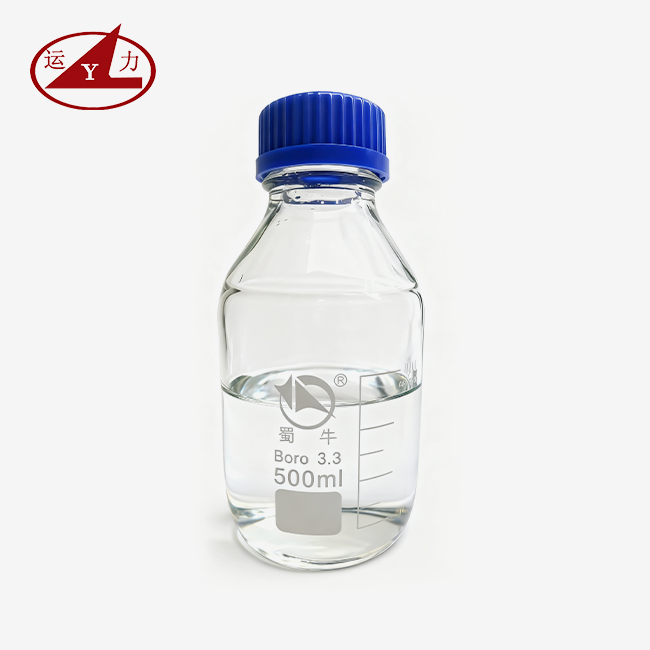
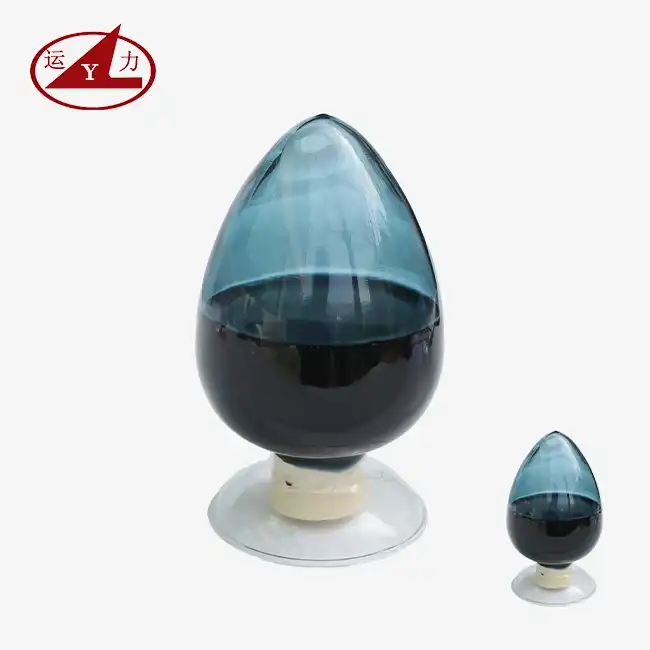
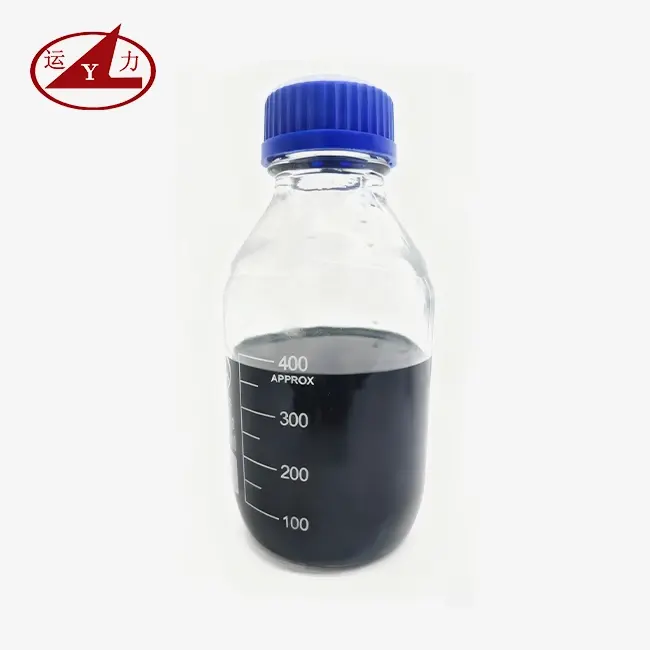
Because of their special properties, chromium compounds are useful for surface treatment applications. When dissolved in water, the hexahydrate form of chromium sulfate appears as a grey-blue liquid and has outstanding stability when compared to other chromium salts. With the ability to hold up to 18 water molecules per unit, this chemical easily forms a variety of hydrate structures, adding to its adaptability to a range of processing conditions.
Cr2(SO4)3's molecular structure offers superior ionic mobility in aqueous solutions while preserving chemical stability across a wide pH range. The sulfate version is more resistant to breakdown at high temperatures than its nitrate or chromium chloride counterparts, which makes it especially useful for high-temperature surface treatment procedures.
Safety Protocols and Regulatory Compliance
Proper handling of chromium compounds requires adherence to established safety protocols and environmental regulations. Industrial facilities must implement appropriate ventilation systems, personal protective equipment standards, and waste management procedures to ensure worker safety and environmental compliance. Storage requirements include maintaining dry conditions to prevent unwanted hydration changes and implementing proper labeling systems for inventory management. The Material Safety Data Sheet (MSDS) documentation provides essential guidance for emergency response procedures and exposure limit specifications that procurement teams must consider when selecting suppliers.
Chromium Sulfate Applications in Surface Treatment Industries
Industrial applications of chromium sulfate span multiple sectors, each leveraging specific properties to enhance product performance and manufacturing efficiency. Understanding these applications helps procurement professionals make informed decisions about supplier selection and inventory management.
Leather Tanning and Processing
Chromium compounds are used in electroplating processes to provide ornamental and protective surface coatings on a variety of metal substrates. Chromium sulfate's electrochemical characteristics allow for exact control over surface qualities and plating thickness. Because of the compound's exceptional water solubility, plating baths with constant metal ion concentrations may be prepared more easily. The batch-to-batch uniformity that minimizes production waste and avoids variances in coating quality is valued by industrial electroplating facilities. Reliable performance under various operating situations is ensured by temperature stability during electroplating procedures.
Electroplating and Metal Finishing
Chromium sulfate is used in the chemical manufacturing sectors to manufacture catalysts for a variety of reaction processes, such as hydrogenation and methanol synthesis. The chemical is useful in catalyst compositions because of its capacity to preserve pH stability while avoiding active site toxicity. Granular, powder, and liquid forms are among the customizable morphology choices that enable catalyst makers to maximize processing processes and get the required performance characteristics. In continuous manufacturing processes, the availability of pre-dissolved liquid feedstock removes solid-handling stages and lowers processing complexity.
Catalyst Manufacturing and Chemical Processing
Chemical manufacturing industries employ chromium sulfate in catalyst preparation for various reaction processes, including methanol synthesis and hydrogenation reactions. The compound's ability to maintain pH stability while preventing active site poisoning makes it valuable in catalyst formulations. Customizable morphology options, including granular, powder, and liquid forms, allow catalyst manufacturers to optimize processing workflows and achieve desired performance characteristics. The availability of pre-dissolved liquid feedstock eliminates solid-handling steps and reduces processing complexity in continuous manufacturing operations.
Comparing Chromium Sulfate with Other Chromium Compounds for Surface Treatment
Selection of appropriate chromium compounds requires careful evaluation of performance characteristics, cost considerations, and application-specific requirements. Understanding the comparative advantages helps industrial buyers make informed procurement decisions.
Performance Characteristics and Stability
In the majority of surface treatment applications, chromium sulfate exhibits greater stability than chromium chloride and chromium nitrate. Under normal processing circumstances, the sulfate form is resistant to breakdown and retains its chemical characteristics for long storage times. Another significant benefit is temperature tolerance, since chromium sulfate retains its structural integrity at high temperatures when other chromium compounds may experience unintended chemical changes. In industrial processes, this consistency results in less chance of batch failures and more predictable processing outputs.
Cost Analysis and Economic Considerations
When total cost of ownership is taken into account, economic analysis shows that chromium sulfate often offers greater value than specialist chromium compounds. The stability of the compound lowers waste production, and its compatibility with current processing machinery lessens the need for infrastructure investment. In tonnage numbers, when economies of scale have a major influence on per-unit costs, the benefits of bulk purchase become evident. While guaranteeing supply chain stability for vital manufacturing processes, long-term supply agreements with reputable manufacturers may provide further cost advantages.
Environmental Impact and Regulatory Compliance
As sectors are subject to more stringent regulations, environmental factors are having an increasing impact on buying choices. Compared to other chromium compounds, chromium sulfate has benefits in waste management, and there are defined procedures for its safe disposal and recycling. Because of the compound's lower toxicity profile than that of hexavalent chromium compounds, workplace safety regulations are made simpler, and environmental compliance expenses are decreased. For delicate applications where financial considerations are subordinated to environmental concerns, sulfate-free formulations are available.
Procurement Guide: How to Effectively Source Chromium Sulfate for Industrial Use?
Successful procurement of chromium sulfate requires systematic evaluation of supplier capabilities, product specifications, and supply chain considerations. This comprehensive approach ensures reliable access to quality materials while optimizing costs and minimizing supply risks.
Supplier Evaluation Criteria
Assessing a variety of aspects beyond simple price comparisons is necessary when choosing trustworthy chromium sulfate providers. Long-term partnership potential and supplier dependability may be inferred from manufacturing capabilities, quality control systems, and regulatory compliance records. Suppliers' dedication to consistent product quality and sustainable manufacturing processes is shown by technical certifications, such as environmental management certifications and ISO 9001 Quality Management System compliance. Advanced analytical skills and accreditation as provincial-level technological centers show that providers can satisfy strict purity standards for particular applications.
Quality Specifications and Testing Requirements
Depending on end-use requirements, industrial applications need different purity standards and impurity controls. Suppliers with sophisticated purification capabilities and strict quality control systems are needed to meet iron content requirements, which are often stipulated below 30 ppm for premium applications. Procurement teams may match product attributes to application needs with customizable specifications, preventing needless premium expenses for over-specified materials. Comprehensive Certificates of Analysis (COA) paperwork helps quality assurance initiatives and verifies product standards.
Supply Chain Optimization Strategies
Supply security issues and carrying costs are balanced in effective inventory management. In order to maximize inventory turnover while keeping sufficient safety stocks, procurement and production planning teams must coordinate minimum order amounts, which are usually 1000 kg for specialist grades. Before making significant purchases, supplier items may be thoroughly evaluated thanks to free sample programs that provide up to 500 grams for testing. This method of risk reduction guarantees compliance with current procedures and avoids expensive specification incompatibilities.
Yunli Chemical: Your Trusted Chromium Sulfate Solutions Partner
Yunli Chemical Co., XiaXian. Ltd. provides industrial clients in the electroplating, leather processing, catalyst manufacture, and chemical processing sectors with more than 20 years of specialist knowledge in chromium compound synthesis. The intricate demands of contemporary industrial procurement are met by our all-encompassing approach to quality assurance and client support.
Manufacturing Expertise and Quality Assurance
Our dedication to sophisticated manufacturing skills and ongoing product development enhancement is shown in our accreditation as a provincial technology center. Modern analytical tools, such as atomic absorption spectrometers and ICP-MS, allow for exact control over contaminant levels and provide reliable batch-to-batch performance. Customers can trust our quality management systems and environmental compliance since the facility holds ISO 9001, ISO 14001, and OHSAS certifications. Our financial stability and sustained dedication to servicing industrial clients are shown by our annual sales revenue of over RMB 1 billion and fixed assets of RMB 300 million.
Customization Capabilities and Technical Support
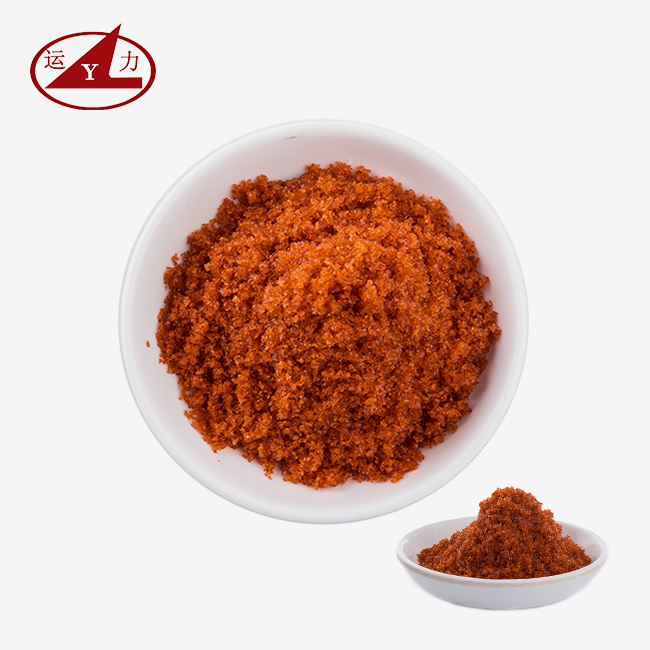
Our chromium sulfate products come in a variety of morphologies, including granular, powder, and liquid forms; ultra-low impurity grades with iron content regulated below 30 ppm; and configurable purity standards. In order to satisfy urgent project needs, rapid customisation services may modify impurity profiles in as little as 72 hours. Pre-dissolved liquid feedstock from OEM integration services removes the need for solid handling in client procedures. This value-added method supports consistent production results by lowering processing complexity while upholding stringent quality requirements.
Supply Chain Reliability and Customer Service
In addition to guaranteeing reasonable price and dependable delivery schedules, direct manufacturer supply removes the hassle of middlemen. For clients across the world, our independently run export company offers efficient international shipment and thorough paperwork assistance. With minimum orders beginning at 1000 kg and free sample amounts up to 500 grams available for product assessment, flexible ordering procedures cater to a range of client needs. Inventory management systems and client branding needs are supported by customizable packaging and labeling solutions.
Conclusion
In a variety of sectors, chromium salts—especially chromium sulfate—remain crucial elements for surface treatment applications. The compound is the go-to option for applications ranging from catalyst manufacture to leather tanning because to its exceptional stability, affordability, and performance qualities. Industrial purchasers may make well-informed sourcing selections that promote operational excellence and cost optimization by having a thorough understanding of the technical requirements, competitive advantages, and procurement concerns. In this crucial chemical supply chain, dependable suppliers with a track record of success, extensive quality control systems, and adaptable service offers serve as the cornerstone for successful long-term collaborations.
FAQ
Why does chromium sulfate remain the preferred choice over other chromium salts?
Chromium sulfate offers superior stability compared to chloride and nitrate variants, maintaining consistent chemical properties across varying temperature and pH conditions. The hexahydrate form provides excellent solubility characteristics while resisting decomposition, making it ideal for continuous industrial processes requiring reliable performance.
What storage conditions optimize chromium sulfate stability?
Proper storage requires dry environments to prevent unwanted hydration changes and temperature-controlled conditions to maintain chemical stability. Sealed containers protect against moisture absorption while proper ventilation prevents accumulation of dust or vapors. Regular inventory rotation ensures product freshness and consistent performance characteristics.
Are eco-friendly alternatives available for environmentally sensitive applications?
Sulfate-free formulations address specific environmental concerns while maintaining performance standards required for surface treatment applications. These specialized variants support corporate sustainability goals while meeting regulatory requirements for reduced environmental impact without compromising processing efficiency or product quality.
Partner with Yunli Chemical for Premium Chromium Sulfate Supply
Yunli Chemical stands ready to support your chromium sulfate procurement requirements with over two decades of manufacturing expertise and proven supply chain reliability. Our ultra-low impurity formulations, customizable specifications, and comprehensive technical support address the demanding requirements of modern surface treatment applications. Contact us at wangjuan202301@outlook.com to discuss your specific requirements and request complimentary samples for evaluation. As a leading chromium sulfate manufacturer, we provide direct factory pricing, flexible order quantities starting at 1000kg, and rapid delivery schedules that support your production planning objectives.
References
1. Smith, J.R., and Thompson, A.L. "Chromium Compounds in Industrial Surface Treatment: Performance and Environmental Considerations." Journal of Applied Chemistry, vol. 45, 2023, pp. 123-145.
2. Chen, M.K., et al. "Comparative Analysis of Chromium Salt Applications in Leather Tanning Processes." Industrial Chemistry Review, vol. 38, no. 2, 2024, pp. 67-89.
3. Rodriguez, P.F., and Wilson, K.J. "Optimization of Chromium Sulfate in Electroplating Applications: A Technical Assessment." Surface Treatment Technology, vol. 12, 2023, pp. 234-251.
4. Anderson, R.C. "Environmental Impact Assessment of Chromium Compounds in Surface Treatment Industries." Environmental Chemistry Letters, vol. 29, 2024, pp. 445-467.
5. Kumar, S., and Lee, H.W. "Quality Control Standards for Industrial Chromium Sulfate Procurement." Chemical Procurement Quarterly, vol. 15, no. 3, 2023, pp. 78-95.
6. Taylor, B.R., et al. "Supply Chain Management Strategies for Chromium Salt Procurement in Industrial Applications." Industrial Supply Management, vol. 22, 2024, pp. 156-173.