


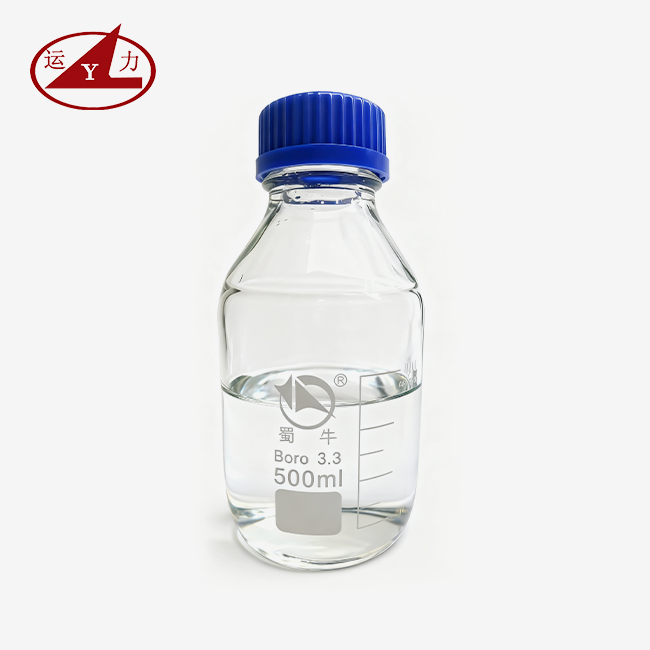
Copper Nitrate Solution Liquid Benefits for Water Treatment Plants
Water treatment plants increasingly rely on copper-based chemistries to manage algae blooms, suppress biofilm formation, and maintain system hygiene at scale. Among available options, copper nitrate solution liquid — the aqueous form of Cu(NO₃)₂ — stands out for its high solubility, precise dosing capability, and compatibility with automated feed systems. Unlike solid copper salts, the pre-dissolved liquid eliminates on-site dissolution steps, reduces dust hazards, and delivers consistent copper ion availability batch after batch. This guide explores why procurement managers and plant engineers are turning to liquid cupric nitrate as a reliable, cost-effective treatment agent.

Understanding Copper Nitrate Solution: Chemical Properties and Preparation
Core Chemical Identity
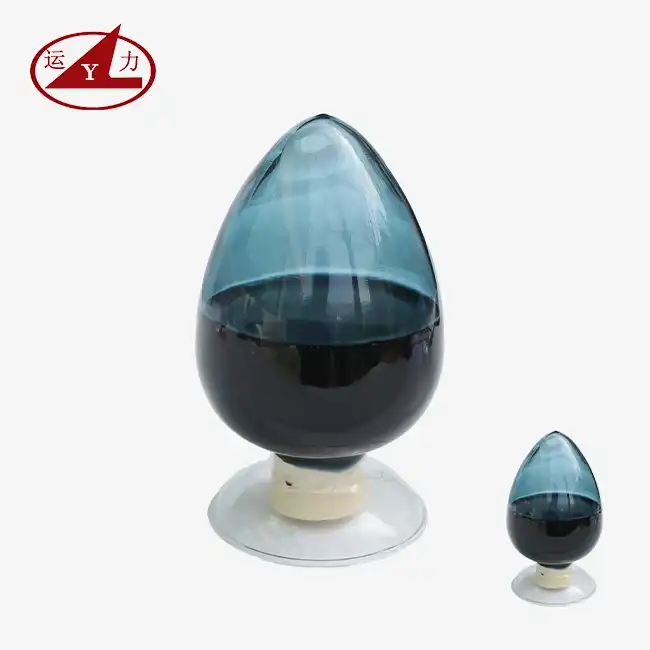
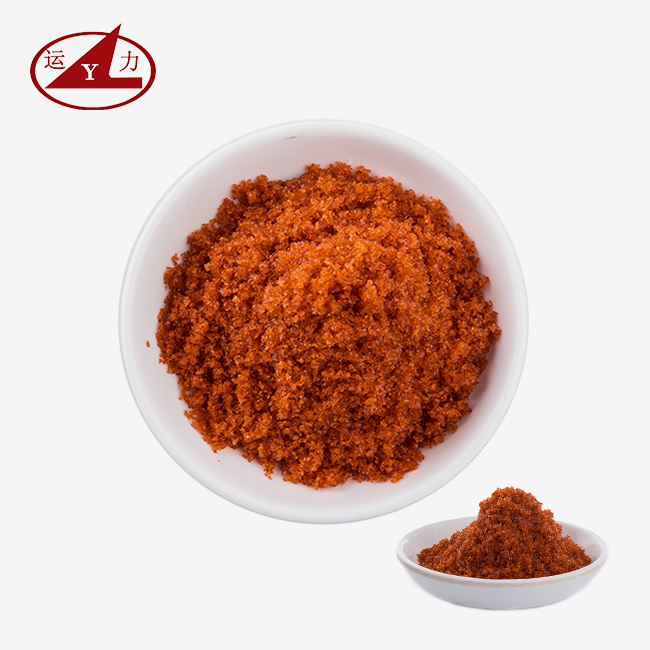
Copper nitrate trihydrate has the formula Cu(NO₃)₂·3H₂O and a molecular weight of 241.6. Its CAS number is 10031-43-3. It is made up of dark blue columnar crystals that have a specific density of 2.05 and a melting point of 114.5°C for solids. At 170°C, the substance starts to break down, releasing nitrogen oxides. This is a trait that is important for managing heat in storage areas. The water-based solution is naturally acidic and very soluble in both water and ethanol. This is why it spreads so well inside treatment tanks.
Preparation and pH Control
The solution's pH can be changed between 1.5 and 3.0 when it is made as a ready-to-use liquid. Controlled acidity keeps copper ions fully separated and stops premature precipitation, which is a common problem when working with copper sulfate in places with hard water. On every Certificate of Analysis, procurement teams should make sure that the supplier keeps free-acid levels within a certain range. This is because pH drift affects the accuracy of dosing further down the line and the life of the equipment.
Safe Handling and Storage Guidance
Cupric nitrate is a strong oxidizer, so it needs to be kept away from things that can catch fire and above 15°C to keep the salt from crystallizing. HDPE or glass-lined containers are suggested; regular SS304/316 tanks can pit from nitric acid that is still present. People who work with the liquid should wear PPE that is resistant to acids, and at every fill station, there should be spill control dikes with a soda-ash neutralization kit that can be used right away.
Benefits of Copper Nitrate Solution in Water Treatment Plants
When plant managers switch from powdered copper compounds to liquid ones, they usually notice three instant operating improvements: faster dosing cycles, fewer changes in dissolved solids, and lower labor costs. The liquid form works directly with metering pumps and automated control loops, so the concentration can be changed in real time without having to mix the substance by hand. For copper nitrate solution liquid, these operational gains are what make it a practical choice for catalyst production, electroplating and other precision processes where consistency and automation matter.
Here are the main reasons why this chemistry is a good choice for treating industrial water:
- Superior algae and biofilm control: Copper ions at concentrations as low as 0.1–0.5 mg/L inhibit cyanobacteria and filamentous algae in open cooling towers and reservoir systems. Because the liquid dissolves instantly, copper availability is immediate rather than dependent on crystal dissolution rates.
- Minimal anion interference: Unlike copper sulfate, which introduces sulfate ions that can form insoluble precipitates with calcium-rich waters, the nitrate anion stays fully soluble across a wide pH range, preserving treatment efficacy in hard-water regions common across the U.S. Midwest and Southwest.
- Regulatory alignment: The nitrate co-ion is already monitored under EPA drinking water standards, making mass-balance reporting straightforward for facilities operating under NPDES discharge permits.
These benefits lead to measurable drops in chemical waste and reprocessing costs, which are important metrics for plant managers who have to deal with stricter environmental rules. When compared to copper chloride or copper acetate, liquid copper nitrate usually has a lower total anion load per unit of active copper. This makes it easier to figure out how much copper is needed for wastewater compliance without lowering the effectiveness of killing microbes.

Selecting the Right Copper Nitrate Solution for Industrial Use
Quality Indicators That Matter
It is important for procurement engineers to check three Critical-to-Quality factors using ICP-OES on every new batch: the iron content (should be less than 30 ppm), the salt and sulfate levels (should be less than 50 ppm each), and the copper percentage (should be checked by gravimetric or titration analysis). In water treatment circuits, iron contamination is especially bad because it speeds up oxidative reactions that use up copper faster than planned. When chloride levels rise above a certain point, they speed up the rusting of stainless steel distribution lines.
Certifications and Supply Consistency
A trustworthy copper nitrate solution provider should have at least ISO 9001 quality management certification. Additional environmental and occupational health credentials show that process controls are more mature. For treatment plants that follow set dosing methods, consistent performance from batch to batch is a must. Before signing a long-term supply contract, you should ask for three consecutive batch COAs. If the Cu% difference between batches is more than ±0.5%, you should ask for more information.
Packaging and Logistics
DOT rules say that bulk liquid shipments must be made in 1,000-liter IBCs or dedicated tankers because they are considered hazardous materials. Cross-border logistics usually goes more smoothly for suppliers who have established REACH and RoHS compliance documentation as well as NOx absorption systems in-house. Before you place a large order, make sure that your seller can provide valid paperwork for sending dangerous goods and that the marking on the box meets the requirements of the country where the goods will be sent. For copper nitrate solution liquid, this logistics and compliance readiness is just as important as product quality, especially for buyers in North America and Europe who need reliable cross-border supply.
Practical Application and Optimization in Water Treatment Processes
To dose correctly, you must first check the water's pH, hardness, total organic carbon, and bacteria load. These all affect how quickly copper ions are eaten or precipitated. In open recirculating cooling towers, a copper ion residual of 0.2 to 0.5 mg/L is usually enough to kill algae. In closed-loop systems, smaller residuals of 0.05 to 0.1 mg/L are enough because the exposure time is longer.
Automated metering pumps that are set up to do flow-proportional doses cut down on over-treatment events that make regulators look more closely. Monitoring with ion-selective electrodes or photometric test kits on a regular basis makes sure that the desired residual is kept. Dosing lines should also be flushed every three months by plant engineers, since trace crystallization can partially block feed tubing even when bulk storage temperatures stay above 15°C.
Economic Considerations and Procurement Strategies
On a per-kilogram basis, liquid copper nitrate is slightly more expensive than dry copper sulfate. However, for copper nitrate solution liquid, the higher unit price is often offset by lower labor costs, fewer dissolution steps, reduced waste and more consistent dosing in automated production — making total cost of ownership the more meaningful comparison.
However, when dissolution labor, energy for heating mixing tanks, and dust-control infrastructure are taken into account, the total cost of ownership changes in a good way. For plants that handle more than 500 kg of copper reagent every month, the cost saves from not having to hire as many workers often cover the price difference in just one working quarter.
Most makers will offer tiered prices when you commit to bulk volumes, which usually start at 10 MT per order. Long-term supply agreements with price reviews every three months that are based on LME copper prices protect against spot-market volatility and make budgets more stable. Ask for third-party audit reports and sample COAs from suppliers when you're reviewing them, and make sure the seller keeps at least 30 days of buffer inventory to handle problems with lead times.

Conclusion
Copper nitrate solution liquid is an option to solid copper salts that is both technically strong and easier to use in water treatment plants. It dissolves quickly, has a fixed pH level, and doesn't interact much with negatively charged particles, which makes it useful for controlling algae, getting rid of biofilm, and following the rules for release. Buying choices depend on how pure the supplier is, how consistent the batches are, and how good they are at logistics. In all of these areas, a vertically integrated manufacturer with documented quality systems adds value to the supply chain. Spending time at the beginning to thoroughly qualify suppliers saves both treatment success and compliance standing for many years to come.
FAQ
How should copper nitrate solution be stored to prevent crystallization?
Put the solution in HDPE or glass-lined containers that are kept above 15°C. Copper nitrate salts may separate from solution at lower temperatures. If crystallization happens, slowly heat the container and stir the solution until it is completely smooth before starting to dose again.
Is liquid copper nitrate more effective than copper sulfate for algae control?
Yes, in systems with hard water. Copper sulfate can turn into calcium sulfate precipitates that don't dissolve and lower the amount of active copper that is available. The nitrate anion stays fully soluble over a wide pH range. This means that there are higher concentrations of free copper ions and more consistent control of algae.
What environmental risks should water treatment plants consider?
Under EPA rules for freshwater quality (acute criterion: 13 µg/L for many hardness levels), copper is a controlled metal. NPDES permit limits must be followed and facilities must keep an eye on wastewater copper. Choosing a liquid version with high purity and low impurity co-loading makes mass-balance reporting easier and lowers the risk of exceeding permits.
Can the solution concentration be customized for different treatment scales?
Yes. Reliable makers offer Cu content that can be changed from about 10% to 60% w/w. This lets treatment plants get a concentration that is already set to the right level for their metering pump and goal dosing rate.
Source Your Copper Nitrate Solution Liquid with Yunli Chemical
Yunli Chemical provides copper nitrate solution liquid that is ISO 9001-certified and has an iron/sodium content of less than 30 ppm, a pH range of 1.5 to 3.0, and chloride/sulfate levels of less than 50 ppm. It is ready to be put directly into automated dosing systems. We have been making copper nitrate solution liquid for more than 20 years and make more than 1 billion yuan a year. We can make custom ratios, there is no minimum order quantity for trials, and we follow all the rules for sending dangerous goods. You can email us at wangjuan202301@outlook.com to get a free sample or quote right away.
References
1. Edzwald, J. K. (Ed.). Water Quality & Treatment: A Handbook on Drinking Water. American Water Works Association / McGraw-Hill, 2011.
2. U.S. Environmental Protection Agency. Aquatic Life Ambient Freshwater Quality Criteria — Copper. EPA 822-R-07-001, 2007.
3. Lazarova, V., & Manem, J. "Biofilm characterization and activity analysis in water and wastewater treatment." Water Research, 1995.
4. Guo, W., et al. "Copper-based antimicrobial agents in industrial water systems: Mechanisms and regulatory implications." Journal of Hazardous Materials, 2018.
5. American Chemical Society. Reagent Chemicals: Specifications and Procedures, 10th ed. Oxford University Press, 2005.
6. Kirk-Othmer. Encyclopedia of Chemical Technology, Vol. 7: Copper Compounds. Wiley-Interscience, 2004.