


Difference between copper nitrate and copper nitrate trihydrate
When they are wet, Copper Nitrate and Copper Nitrate Trihydrate are not the same. In its solid structure, copper nitrate (anhydrous) does not have any water molecules. However, copper nitrate trihydrate (Cu(NO₃)₂·3H₂O, CAS 10031-43-3) does have three water molecules in each formula unit. The molecular weight (241.6 g/mol for trihydrate) changes a lot because of this small change in its make-up. This changes how it dissolves, how solid it is at high temperatures, and how it is treated in many industrial settings. These two terms are not the same. If you know the difference, you will not buy anything that could harm reply rates, product quality, or safety in ways you didn't expect.

Understanding Copper Nitrate and Copper Nitrate Trihydrate
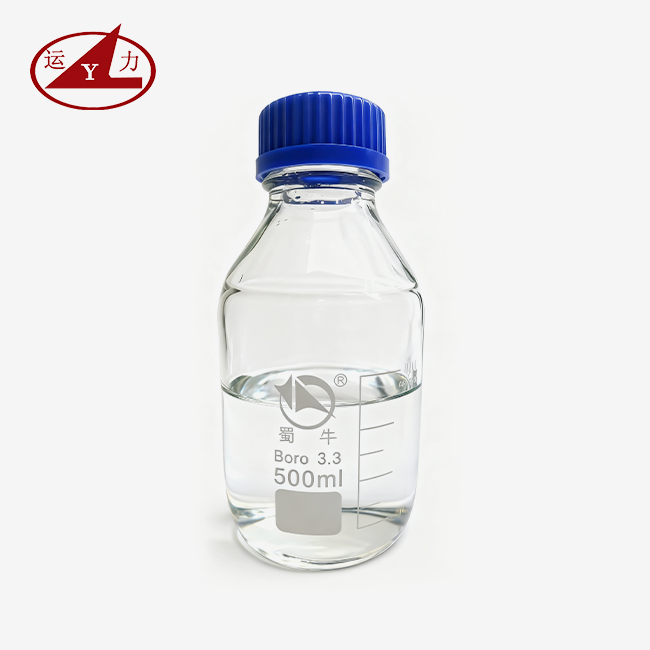
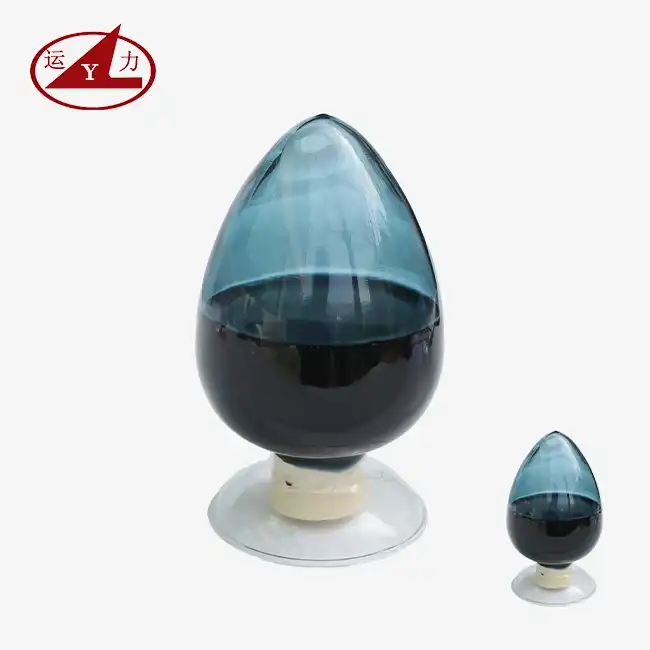
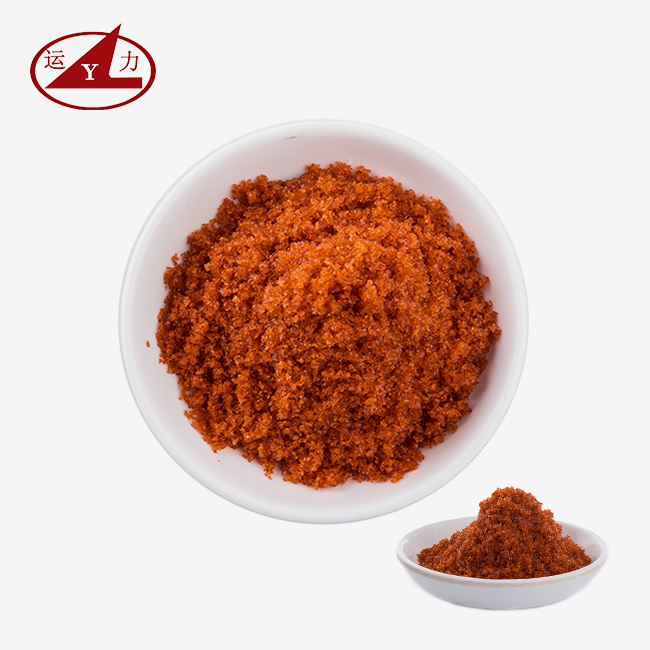
How cupric nitrate products form and where they are stored have a lot to do with what chemicals they belong to. Copper nitrate that doesn't dissolve in water is a pale blue-green material that can easily take water from the air. The trihydrate, on the other hand, has a density of 2.05 g/cm³ and looks like dark blue cylindrical crystals. At 114.5°C, this form that is wet melts and breaks down into its own crystallization water. Then, around 170°C, it starts to break down, releasing fumes of oxygen and nitrogen.
Molecular Composition and Physical Properties
By organizing the water molecules, the trihydrate structure keeps the copper(II) ion stable. In the lab and in business, this makes the material easy to work with. It is easy to spread out evenly in water systems and organic synthesis routes because it dissolves completely in both water and ethanol. How much to give changes based on the change in molecule weight. To keep the same amount of copper, if you change dry copper nitrate (187.56 g/mol) to trihydrate, you need to account for the 54 grams per mole that the water adds.
Standards for quality typically say that amounts must be above 98% pure for industrial uses. At Yunli Chemical, there are also limits on iron pollution (≤30 ppm), solid matter (<0.01%), and minor heavy metals. What these things do directly affects is how well the catalyst works in making methanol, how even the coating is in electroplating baths, and how simple it is to find nutrients in farming recipes.
Storage and Handling Considerations
While both forms are kept, the main problem is that they take in water. However, the trihydrate is more stable in normal air conditions. We recommend keeping solid things in climate-controlled, moisture-sealed cases that stay below 30°C so they don't break down too fast. Anhydrous copper nitrate is hygroscopic, which means it absorbs water and adds weight when it comes into contact with it. This makes it harder for automatic production lines to mix things correctly.
Both types are strong oxidizers that should be stored away from organic acids and things that can catch fire. People who work with chemicals that come in powder form should wear the right safety gear, such as gloves that are resistant to chemicals, safety shields, and breathing masks. The acidic water solutions (pH usually 3.5 to 4.2) need to be handled with tools that won't rust and waste streams need to be neutralized in the right way.

Industrial and Laboratory Applications
Cupric nitrate products are used in a huge number of manufacturing processes. The hydrated and dry forms are used in each of these processes in different ways. The trihydrate is mostly used in business because it is simple to work with and always does a good job.
Catalyst Production and Chemical Synthesis
Making copper oxide (CuO) nanoparticles and using them to fill catalyst support materials is best done with Copper Nitrate Trihydrate as the starting point. After being heated up to a high level, it fully breaks down into CuO, leaving no sulfate or chloride residues that could damage active catalyst sites. This is a big plus over copper sulfate or copper chloride as alternatives. Some sellers, like Yunli Chemical, offer formulas with very little iron (≤30 ppm). Catalyst makers like these because they make sure that the catalyst works well for a long time in the methanol synthesis and hydrogenation processes.
The chemical acts as a weak nitrating agent in organic nitration processes. It is better at functionalizing aromatic compounds than mixed acid systems because of this. Research labs use reagent-grade material that is at least 99% pure to make coordination groups and study copper biochemistry.
Surface Treatment and Metal Finishing
Copper nitrate solutions are used in electroplating to cover metal bases with copper and give brass building parts artistic patinas. Customized liquid recipes from Yunli Chemical get rid of the need for breakdown steps to be done on-site. This cuts down on work costs by about 30% and makes sure that each batch is accurate. Eco-friendly recipes that follow RoHS rules make it easier for markets that are controlled by environmental laws to switch to trivalent chromium alternatives.
Some of its specialized uses are to keep wood in good shape and to make reactive materials for circuit boards. Because cupric nitrate has a controlled oxidation potential, it can change surfaces exactly without scratching them as much as stronger oxidizers do.
Agricultural and Specialty Chemical Markets
Copper Nitrate Trihydrate is added to water-soluble fertilizers to make them more vitamin-rich in areas that don't have enough copper, which is common in growing food and grains. There is no need to mix it with anything else because it dissolves completely. Tough heavy metal limits (<10 ppm total, which is what the OMRI recommends) protect crops and keep the land healthy.
Some of the other uses are for color fixing in textiles, activation of luminescent phosphors in lighting products, and the creation of special building chemicals that can stop freezing (down to -20°C) and rust for steel strengthening. These different uses show how the compound's ability to oxidize, dissolve, and break down in heat makes it stand out.

Comparison of Copper Nitrate Trihydrate with Related Copper Compounds
People often compare cupric nitrate to other copper salts, which have different science and economic qualities, before they buy it. If you know about these trade-offs, you can pick products that work for your business and don't break the bank. Copper Nitrate Trihydrate is one such option that offers a unique balance between cost and performance for specific applications.
Technical Performance Characteristics
The best choice is copper sulfate pentahydrate (CuSO₄·5H₂O), which is simple to find and doesn't cost too much. But sulfate leftovers are left behind when the catalysts break down at high temperatures. This could be bad for the catalysts in certain cases. The chemical isn't as useful in systems with more than one fluid because it doesn't react as well in ethanol as it does in nitrate. It is easy for copper chloride forms (CuCl₂·2H₂O) to dissolve in water, but they give off chloride ions that damage metalworking tools faster and get into electronics parts.
Copper Nitrate Trihydrate is different because it only contains copper oxide when it breaks down, and it dissolves better in water and alcohol. It also doesn't contain any halides or sulfates. Prices are higher for high-purity uses where the source's quality directly affects the value of the end product, like in pharmaceutical intermediates, electronic-grade materials, and advanced catalyst systems.
Economic and Supply Chain Factors
The amount bought, the level of quality, and the type of packaging cause the prices to change. Copper sulfate for industry generally costs 15–25% less than copper sulfate for labs, which costs even more. When you buy in bulk (multi-ton amounts), you can save a lot of money and make the shipping process go more smoothly. This is especially true if you buy directly from manufacturers whose quality systems are ISO-certified.
Supply stability is very important in places where output stays the same. Wholesalers who have to buy on the spot market are less stable than suppliers who can make more than one thing, like Yunli Chemical, which has been a specialist in nitrate for more than 20 years. Technical help, like making new formulas and fixing problems with uses, adds value that goes beyond the price per unit.

Choosing the Right Copper Nitrate Product for Your Business
When picking a material, the first thing you need to do is figure out how pure it needs to be based on how important purity is to the end use. You need reagent-grade or API-grade specs (≥99% pure, moisture ≤0.07%) when you're making drugs or electronics. Copper Nitrate Trihydrate falls into a category that may require high purity levels for specific applications. Industrial types that are at least 98% pure are fine for building chemicals and farm supplies.
Evaluating Supplier Capabilities
Not only look at the purity standards, but also the supplier's credentials, such as ISO 9001 quality management certification, environmental compliance papers, and technology infrastructure. Yunli Chemical is a technology hub for the province, and it has analysis tools (ICP-MS, atomic absorption spectroscopy) that make it possible to test everything in small batches and make one-of-a-kind goods. Things run easily when suppliers send a certificate of analysis (COA) with every package, full MSDS paperwork, and quick technical help.
Manufacturing flexibility is important when going from lab tests to mass production. Before you choose a service, make sure they have enough production capacity, raw materials, and shipping skills to meet your needs. With fixed assets worth more than $40 million, like Yunli's RMB 300 million infrastructure, a company is stable financially and can keep up with its output.
Customization and Service Options
Formulation needs that aren't met by normal store items can now be met by providers. Some of the things that can be changed are the amount of iron used as a catalyst, the pH of the solution, the particle sizes (20–80 mesh), and the ready-to-use liquid recipes with set ratios. Some companies let you try their products for free (up to 500 grams), so you can really decide if you want to buy a lot of them.
When the rules of buying are open, it's easier for new people to join. There is no minimum order size, for instance, and labels on packaging can be changed to fit private names. Technical help is also available during product integration. Partners in production who are strategic are different from market players who only care about making the product in these ways.
Preparing and Using Copper Nitrate Trihydrate Safely and Efficiently
Since the material can oxidize and irritate the skin, safety must come first in both lab methods and handling rules in the business. People and places are safest when the right method is used, and the results can be replayed. Copper Nitrate Trihydrate should be handled with care to prevent accidents and ensure consistent, reliable outcomes.
Preparation Procedures
It is important to add solid material to water slowly when making water-based solutions. It should never be added the other way around. The exothermic breakdown process should be controlled by shaking the mixture all the time. Goal numbers are usually between 5 and 40 percent by weight, but this depends on what the product needs. After being packed up and kept away from heat and light sources, solutions will stay stable for a few months.
Copper that is solid must first be dissolved in weak nitric acid before it can be used to make something. Then, you can control how the crystals form by cooling the acid or letting it evaporate. Industrial facilities usually buy finished materials instead of making them themselves because it is dangerous to work with nitric acid and cleaning up nitrogen oxide fumes without the right tools.
Safety Protocols and Risk Management
As necessary safety gear, people dealing with powders or dust must wear nitrile or neoprene gloves that are resistant to chemicals, splash-proof masks, lab coats, and breathing protection. To keep workers from being too exposed to nitrogen gas, labs should have fume hoods and workplaces should have industrial exit systems. These systems make sure that there is enough air flow in the work areas.
If it comes in contact with the skin, flush with lots of water for at least 15 minutes. If it comes in contact with the eyes, keep rinsing them with water while you call for help. The emergency action plan says to get medical help right away without making the person throw up. To keep a spill under control, solids must be swept into the right containers, and organic absorbents that could start the rusting process must be avoided. Getting rid of trash officially requires following rules for dealing with toxic waste. These rules generally include neutralizing and precipitating the trash before it can be put away.
When things are stored, they need to be kept safe from fire by keeping flammable liquids, combustibles, and lowering agents separate. The mix won't burn on its own, but by burning flammable objects, it makes fires with them worse. Don't let containers soak up water and get dirty; keep them tightly closed.

Conclusion
You can choose between Copper Nitrate Trihydrate and anhydrous copper nitrate based on how quickly the product breaks down, how easy it is to handle, and how much moisture it needs to control. In business, the trihydrate form is most often used because it is more solid, acts in predictable ways, and mixes in many different substances. When you're shopping for something, you should find a good balance between how pure it needs to be and how much it costs. You should also put the seller's dependability, expert support, and paperwork that shows they follow the rules at the top of your list. When you work with well-known companies that know a lot about processes, can do analytical verification, and offer flexible service models, you can lower supply chain risks and make sure long-term operational success in areas like making catalysts, treating surfaces, farming, and specialty chemicals.
FAQ
Q1: What is the primary difference between copper nitrate and Copper Nitrate Trihydrate?
A: The big difference is how much water is in the solid stuff. While pure copper nitrate does not contain any water molecules, Copper Nitrate Trihydrate (Cu(NO₃)₂·3H₂O) does. Its color changes from pale greenish-blue to dark blue, its molecular weight goes from 187.56 to 241.6 g/mol, and it changes how stable it is and how it deals with things. The trihydrate stays more solid when stored and acts in a way that can be expected in most business settings.
Q2: Can I substitute anhydrous copper nitrate for the trihydrate form in formulations?
A: Substitution needs careful stoichiometric changes to keep the same amount of copper. When you swap dry material for trihydrate, you need to add about 29% more mass to make up for the water. Also, remember that solutions may be made in different ways and may dissolve in different ways. Before putting the changes into production, test them on a small scale to make sure they will work. This is especially important for sensitive jobs like making catalysts or pharmaceutical intermediates.
Q3: How should I store Copper Nitrate Trihydrate to maintain product quality?
A: Crystalline substances should be kept in airtight containers that don't let water in and in temperatures below 30°C. Keep it out of direct sunlight, damp places, and things that don't work with it, like flammables, organic acids, and reducing agents. If you store food the right way, it will stay fresh for at least 24 months. Often check containers for clumps or stains that could mean germs or water got inside. After getting a container, you should put a date on it and use the first-in, first-out method for moving your goods.

Partner with Yunli Chemical for High-Purity Copper Nitrate Trihydrate Supply
Copper Nitrate Trihydrate that is very pure is sold by Yunli Chemical and is used in business. They have spent more than $40 million on production buildings and have been making nitrates for 20 years. Our ISO 9001/14001/OHSAS-certified companies make goods that meet very high standards for cleanliness (98–99.99%). You can change the iron level (≤30 ppm), the particle size, the pH level, and the ready-to-use liquid recipes, among other things. We cut out the middleman by being the maker instead of a wholesaler. This means we can offer free samples of up to 500 grams, expert advice, and flexible order amounts with no minimums.
Our high-tech analysis tools (ICP-MS, atomic absorption) and the fact that we are a provincial technology center make sure that every batch is the same. This is very important for making catalysts, cleaning surfaces, and using specialty chemicals. You can talk to our buying experts about your specific needs, ask for certificates of analysis, or set up trial amounts by emailing wangjuan202301@outlook.com. You can rest easy knowing that your Copper Nitrate Trihydrate supplier cares about quality, compliance, and customer success.
References
1. Cotton, F.A. & Wilkinson, G. (2019). Advanced Inorganic Chemistry: A Comprehensive Text, 6th Edition. Wiley-Interscience Publications.
2. National Institute for Occupational Safety and Health (NIOSH). (2021). Pocket Guide to Chemical Hazards: Copper Compounds. U.S. Department of Health and Human Services, Publication No. 2021-156.
3. Patnaik, P. (2018). Handbook of Inorganic Chemicals: Properties, Production, and Uses. McGraw-Hill Professional Publishing.
4. American Chemical Society. (2020). Reagent Chemicals: Specifications and Procedures for ACS Grade Materials, 12th Edition. Oxford University Press.
5. Greenwood, N.N. & Earnshaw, A. (2017). Chemistry of the Elements, 3rd Edition. Butterworth-Heinemann Scientific Publications.
6. International Organization for Standardization. (2022). ISO 6353-1:2022 Reagents for Chemical Analysis—Part 1: General Test Methods. ISO Standards Publications.