


What is aluminum nitrate nonahydrate used for?
An artificial material called Aluminum Nitrate Nonahydrate (Al(NO3)3·9H2O, CAS No. 7784-27-2) is useful and can be found in many places. It is used to make catalysts, dye fabrics, color leather, and clean water. A lot of high-purity alumina is made from this white, solid material. An oxidizing agent is used in organic chemistry, and it can also be used to make dyes last longer on fabrics. It is easily broken down and breaks down quickly at high temperatures. Procurement managers who need consistent, reliable raw materials for tough industrial uses can't do without it.

Understanding Aluminum Nitrate Nonahydrate: Chemical and Physical Properties
Sourcers and technical experts can judge the quality of this substance, handle materials safely, and make sure that production processes run smoothly if they know how it works on a basic level.
Basic Definition and Molecular Composition
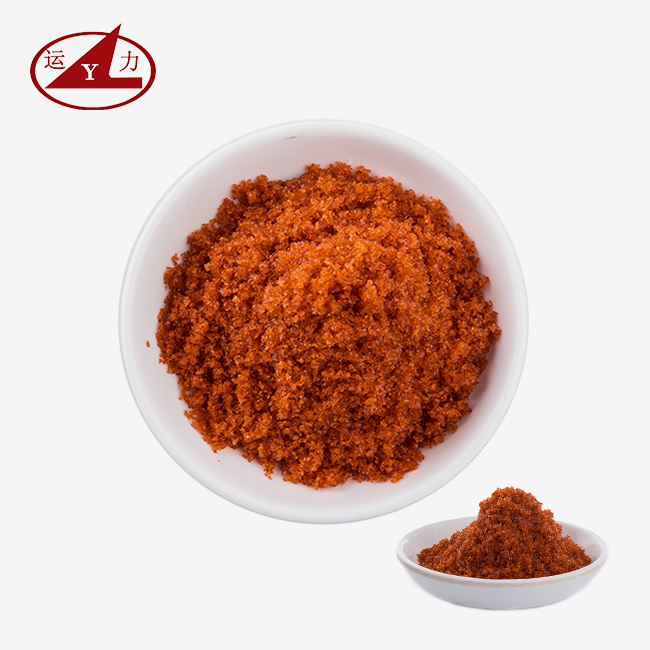
Aluminum Nitrate Nonahydrate is a man-made salt that is wet and has nine molecules of water inside its crystal structure. This thing has a molecular weight of 375.13 g/mol and a chemical formula of Al(NO3)3·9H2O. This thing is solid, white, and has no smell. It soaks up water very well. How solid and reactive the product is and how well it works in different business settings depend on how much water is in it. If a business needs precise chemistry interactions, the nonahydrate form is better than the dry or lower-hydrate forms. This is because it has better solubility and controlled breakdown pathways.
Key Physical and Chemical Characteristics
The mixture melts at 73.9°C and breaks apart at 150°C, releasing nitrogen oxides and slowly changing into basic aluminum salts before finally turning into aluminum oxide (Al2O3). This temperature behavior is useful for making catalysts since controlled breakdown makes alumina structures that are porous and have a lot of surface area.
Because of how it dissolves, this substance is not like other aluminum salts. With 64 grams of Aluminum Nitrate Nonahydrate per 100 mL of water at 25°C, it is easy to dissolve. In comparison, this is a much faster rate. The chemicals can be spread out more widely in water-based systems because they dissolve so easily in water. This is important for uses like dying clothes and cleaning water. It is hard for the chemical to mix with alcohols or ethylene glycol, which limits its use in non-water-based mixtures but also makes it more choosy in some ways.
Solution with water has an acidic pH value between 2.0 and 4.0 because aluminum ions break down in water. Because of this acidity, production methods need to be more balanced, and storage equipment needs to think about how to keep it from rusting. Due to its oxidizing properties, the substance needs to be treated with care, especially when it comes into contact with organic materials or reducing agents. This will help avoid any unwanted reactions.
Safety and Handling Considerations
Material Safety Data Sheets (MSDS) say that Aluminum Nitrate Nonahydrate is a Class 5.1 oxidizer that can make the skin and eyes itch. For handling jobs, you need safety gear like gloves that can fight chemicals, safety glasses, and good air systems. Because it absorbs moisture easily, it needs to be kept in climate-controlled areas in tightly sealed cases. This way, moisture doesn't get into the product and lower its quality, making it harder to treat.
As per UN rules, reactive chemicals must be properly labeled and packed during shipping in order to lower the risks that come with them. When teams that buy things check out companies, they should make sure that they follow OSHA rules, EPA rules, and rules for shipping goods to other countries. Not having all the paperwork, like Certificates of Analysis (COA), MSDS, and proof that the product is safe for the environment, lowers the risk of being sued and makes sure that the product works well with current safety management systems.

Practical Applications of Aluminum Nitrate Nonahydrate in Industry
Thanks to its unique mix of solubility, oxidizing, and heat breakdown qualities, the chemical is very useful. Because it has these qualities, it can be used in many industry situations that care about quality and the process.
Catalyst Manufacturing and Organic Synthesis
Aluminum Nitrate Nonahydrate is a major part of catalyst supports used in the pharmacy and industrial fields, especially in processes that remove sulfur dioxide. When you heat something up, you make gamma-alumina with controlled holes and surface area. We need this to spread out metal steps that are active, like molybdenum or cobalt. When the nitrate form breaks down, it doesn't leave behind many impurities that could hurt catalytic sites. It's not the same as aluminum chloride, which adds acidic bromide ions that hurt stainless steel reactors.
Scientists who study organic matter like this material because it speeds up processes like esterification, nitration, and Friedel-Crafts reactions. Because it has controlled reactivity, reaction lines can be changed very accurately. This makes more products while making fewer waste products. Some impurities in pharmaceutical intermediates can stop them from being approved by regulators. High purity grades (≥98%) make sure that the process can be repeated and that tight Good Manufacturing Practices (GMP) are followed.
Textile Dyeing and Leather Tanning Applications
The mordant used by cloth manufacturers is Aluminum Nitrate Nonahydrate. It makes it easier for cotton, silk, and wool fibers to take dye and help them stay colored longer. When the aluminum ions meet the color molecules, they stick to the fiber surfaces very strongly. This keeps the cloth from fading and getting dirty as easily. Regular alum mordants don't give colors as much life or stability as this substance does. This is important for high-value car upholstery and technology fabrics.
When leather is tanned, this material is added to make the leather soft, flexible, and very rigid in its shape. The aluminum salts attach to collagen structures and strengthen protein chains by joining them together. This keeps the skin healthy longer without the harm that sunbathing with chromium does to the environment. This makes Aluminum Nitrate Nonahydrate very appealing to businesses that want to sell to people who care about the environment or to places that have strict rules about heavy metal release.
Water Treatment and Coagulation Processes
In urban and industrial water treatment plants, this chemical is used to settle out colloidal particles, suspended solids, and dissolved organic matter. It does this by coagulating and flocculating the water. When aluminum ions are mixed with water, they turn into aluminum hydroxide flocs that don't dissolve. These flocs catch contaminants and make it easier to filter and settle them out. Performance tests show that this chemical works better than polyaluminum chloride at making water clearer and falling to the bottom faster in some types of water, especially when cleaning very cloudy surface water.
As part of cleaning industrial wastewater, phosphorus is taken out so that the water bodies that receive it don't become too salty. The mix works well across a wide pH range. This gives operations more freedom and reduces the need for chemical changes and operational complexity.
Additional Industrial Uses
Aluminum Nitrate Nonahydrate is used for many things, but it is also used in clay making in certain ways. Because it breaks down slowly, alumina-based glazes have good visual properties. People who make electronic materials use high-purity grades (≥99.9%) to make dielectric materials and surfaces that need to be very clean (Fe < 0.01%, heavy metals < 0.005%). It is an extra source of nutrients that is added to fertilizers to make soils that don't have enough nitrogen and aluminum.

Comparative Analysis: Aluminum Nitrate Nonahydrate vs Alternatives
You need to know about the prices, performance trade-offs, and how well they work with your current production system in order to choose the best metal sources.
Aluminum Nitrate Nonahydrate vs Trihydrate
The biggest difference between Aluminum Nitrate Nonahydrate (nine water molecules) and trihydrate (three water molecules) types is how much water they have. This determines how solid they are and how easy they are to work with. Nonahydrate is more likely to soak up water, so there should be tighter rules about how to store it. But in processing tanks, it breaks down more fully and quickly. Trihydrate doesn't dissolve as quickly, so it's easier to store for a long time. However, it may need to be cooked or mixed for longer to fully dissolve.
Most of the time, trihydrate types are chosen because they are cheaper and easier to ship because they contain less water. Not only does nonahydrate dissolve more quickly, but it also takes less time and energy to form, which can make up for its higher price. When deciding what to buy, you should compare the quick purchase price to the total cost of ownership, which should include how much it will cost to store and run.
Comparison with Aluminum Sulfate
Alum, or aluminum sulfate, is the most common choice. It is used to clean water and make paper. Most of the time, aluminum sulfate costs less per kilogram, but it gives off too many sulfate ions in places that care about the environment. Aluminum Nitrate Nonahydrate doesn't have this issue, so even though it costs more, it is better for compliance.
When the water chemistry is different, different types of ability show up. When the pH level is normal to slightly alkaline, aluminum sulfate works best. But Aluminum Nitrate Nonahydrate can be used in a wider pH range. Businesses that use various types of feedstocks can explain why their prices are higher: they don't have to make as many chemistry changes and can keep the quality of their output consistent.
Grades and Purity Specifications
Some industrial-grade materials are at least 98% pure and can be used in many industrial processes, such as to make catalysts, fabrics, and clean water. The technology and medicine businesses need very pure grades (≥99.9%) with strict limits on iron, heavy metals, chlorides, and sulfates. These high-end types cost a lot, but they are needed when small amounts of contaminants make it hard to follow the rules or put the goods at risk.
Chemicals made in a lab can be used for study and are safe for analysis. There is a certificate with each batch that shows the flaws and how well it works. The teams that buy things need to make sure that the grades they pick meet the technical needs. Also, they shouldn't over-specify because it raises costs without making things work better. Finally, they should make sure that the grades they pick meet the base quality standards needed for important uses.

Expert Procurement Guide for Aluminum Nitrate Nonahydrate
You should be very picky about the manufacturers, marketers, and shipping partners you work with if you want to find safe and cheap ways to send chemicals around the world.
Supplier Evaluation and Selection Criteria
Manufacturers with a good image follow OHSAS standards for the health and safety of their workers, ISO 9001 standards for quality management, and ISO 14001 standards for environmental management. These certificates show that the business has a plan for making sure that their goods are always the same, that they care about the environment, and that they keep their workers safe. All of these things have an immediate impact on the supply chain's quality and dependability.
This is XiaXian Yunli Chemical Co. Ltd., established in 2005 and based in Shanxi Province. They are a good example of a company that has strong production skills that buying teams should look for. The company is known as a Shanxi Provincial Enterprise Technology Center and makes more than 1 billion yuan in sales every year. Its fixed assets are worth 300 million yuan. They offer stable quality and back it up with high-tech analysis tools like ICP-MS and atomic absorption spectrometry. Having this kind of infrastructure in place lets you make both regular industry grades and 4N-grade materials that are very pure and meet strict standards for use in medicine and technology.
Site visits to production plants, quality control labs, and environmental management systems should be a part of the source verification process whenever it's possible. As a buyer, you can find out how reliable the service is, how fast technical support replies, and how well the company can solve problems by calling recommendations. When you have long-term ties with skilled makers, the supply chain is less likely to break down, and teams can work together to make processes better.
Pricing Structures and Market Dynamics
The price of Aluminum Nitrate Nonahydrate is based on the cost of the raw materials, the amount that is produced, the quality standards, and how much demand there is in the area. Industrial-grade materials cost between $800 and $1,200 per metric ton when bought in bulk. High-purity electronic grades cost between $2,000 and $3,500 per metric ton at the same time. When price talks, people shouldn't just talk about "ex-works" prices. They should also talk about the "total landing cost," which includes handling, taxes, and freight.
Because of economies of scale and better planning for production, when you promise to buy a certain amount of goods, you can get better deals. Annual contracts with supply every three months keep costs low and supplies under control. This cuts down on the need to store things and makes sure that supplies stay steady. When suppliers set flexible minimum order amounts, it's possible to try out products and make sure they work. This keeps financial promises to a minimum during the seller approval process.
Logistics and Delivery Considerations
You can put your things in 25 kg polywoven bags, 1,000 kg super sacks, or custom forms that work with the tools you have and the space you have. Because the substance soaks up water, it needs inner covers that don't let water in so that the quality doesn't drop while it's being moved or kept. Labels that are made to order can be used for marking and to follow the law in many places.
Most of the time, it takes between two and four weeks to get normal industrial grades from well-known companies that keep extra stock on hand. If you need specific packing or purity standards, shipping times may be 6 to 8 weeks longer. You need to plan ahead to make sure your plans work with production schedules. When you choose expedited shipping, you get more space in case demand goes up quickly or there are problems with supply, but the higher freight costs need to be carefully explained.
International Maritime Dangerous Goods (IMDG) codes let dangerous goods be shipped across international borders as long as the right paperwork is filled out. Professionals with a lot of knowledge clear customs and give businesses bills, packing lists, and certificates of origin. This speeds up the border process. Which Incoterm you pick (FOB, CIF, or DDP) tells you who is in charge of what. Delivered duty paid (DDP) deals make it easy for people who want full shipping options to buy things.
Technical Documentation and Support
Material Safety Data Sheets (MSDS) that follow GHS rules, Certificates of Analysis that show test results for each batch, and product specifications that list the product's physical and chemical properties as well as its performance parameters are all part of full technical packages. These papers help with safety training inside the company, making sure the process works, and making sure the business is following the rules.
Quickly responding technical support teams can answer questions about formulation, fix problems with handling, and give tips on how to use the product better. For up to 500 grams, sellers should let you try them out on a bench first to make sure they work with your system before you buy a lot of them. Getting rid of risk in this way is especially helpful when moving service providers or changing how things are done now. It helps make sure that the changes go quickly and don't stop production.

Why Trust Our Aluminum Nitrate Nonahydrate Supply Solutions?
To make relationships last, you need to show that you care about quality, stability, and the success of your customers in more than one way.
Quality Assurance and Certifications
Our companies follow the rules of ISO 9001 quality management. This means that they keep an eye on the customer throughout the whole production cycle, use methods for continuous growth, and keep process controls in order. The environmental certification ISO 14001 shows that emissions, waste streams, and resource use are being handled effectively, which meets the needs of businesses that want to be more sustainable. It is the job of OHSAS workplace health standards to make sure that workers are safe and that production methods are moral and follow policies on responsible sourcing.
In high-tech labs with ICP-MS, atomic absorption spectrometers, and chromatography systems, the product's purity, impurity profiles, and performance are checked. Batch testing methods follow strict rules to check for minor toxins, pH, solubility, and the amount of aluminum in the sample. Certificates of Analysis that come with every package have the findings put down on them. With this strict method, quality shocks are kept to a minimum, and strong processes are used to qualify sellers of Aluminum Nitrate Nonahydrate.
Customer-Centric Service Models
Our customers have different needs, so we don't have a minimum order size. This way, we can accommodate all of them. You can try things out on a small scale and slowly grow your business this way. Custom packing layouts are made to fit specific handling tools and store room. This cuts down on waste and makes the business run more smoothly. A service that prepares aqueous solutions gives you recipes that are already broken down to the right strength. This speeds up the process by cutting down on the steps needed to mix the ingredients.
Free samples of up to 500 grams make it easier to fully test something before you buy it. This makes buying less risky and gives you peace of mind when picking a seller. Technical advice services help people find new ways to use goods, make recipes better, and fix problems with processes. When you work with providers in this way, your relationships with them become smart partnerships where you both share knowledge and ideas and profit.
Proven Track Record in Global B2B Markets
They have worked with global manufacturers in the petroleum, textile, leather, pharmaceutical, and water treatment industries for more than twenty years, which shows that they can consistently make things and are technically skilled. The company is financially stable, can make things, and will be around for a long time. Its annual sales of more than RMB 1 billion and its fixed assets worth RMB 300 million show this. When making deals for more than one year, these are important things to keep in mind.
Customer reviews show that good suppliers are different from average suppliers in how reliable, on-time, and able to solve problems they are. Case studies show that projects that have been successful in replacing foreign goods, cutting costs, and making processes better have led to real benefits that go beyond just giving goods. People who work in buying have more faith in the companies they're looking at as possible raw material sources after reading these stories of success.

Conclusion
Due to its unique mix of solubility, oxidizing, and heat decomposition qualities, Aluminum Nitrate Nonahydrate is an important chemical within many industrial sectors. Buyers should give more weight to skilled manufacturers with strong quality systems, technical know-how, and customer-focused service models when they have to balance the need for quality with the need to stay within budget and the need for a reliable supply.
To make sure long-term relationships that give businesses a competitive edge through stable supply, consistent quality, and ongoing efforts to improve, it's important to look at the provider's certifications, analytical skills, transportation infrastructure, and shared support. When you make smart buying decisions based on scientific knowledge and the skills of your providers, you lower the total cost of ownership and lower the risks that come with the supply chain for the global chemical market.
FAQ
Q1: What distinguishes Aluminum Nitrate Nonahydrate from Trihydrate variants?
A: The biggest difference is how much water they can hold. The forms of Aluminum Nitrate Nonahydrate have nine water molecules, while the forms that are trihydrate only have three. This means that nonahydrate dissolves better in water and is more hygroscopic. This means that it dissolves faster but needs tighter moisture control while being kept. When it comes to storage security, trihydrate is better than deliquescence. However, it may need longer breakdown times or higher temperatures when it is being processed.
Q2: How should Aluminum Nitrate Nonahydrate be stored to maintain stability?
A: Keep the mix in containers that won't let water in and have tight lids. Keep these containers in places that are controlled by climate so that the temperature stays below 30°C and the humidity stays below 50%. Things that don't work with it, like organic substances, reducing agents, and things that can catch fire, should be avoided because it oxidizes them. Labeling and arranging things properly based on their danger class can help you avoid responding by accident. For regular supply movement, following the "first-in, first-out" rule keeps items new and the quality high.
Q3: Where can I source bulk quantities of industrial-grade Aluminum Nitrate Nonahydrate?
A: Companies in China, Europe, and North America that people trust make and sell chemicals. They give out large numbers that meet the wants of the business. You can trust a seller if you look at their ISO certifications, research skills, and environmental safety. You can often get better prices, more expert help, and more ways to customize when you deal directly with the maker instead of going through a middleman. Take the time to ask for examples, read technical papers, and check out the provider before you sign a long-term deal with them.

Partner with Yunli Chemical for Reliable Aluminum Nitrate Nonahydrate Supply
Yunli Chemical sells high-quality Aluminum Nitrate Nonahydrate. They have been making it well for 20 years and have strict quality control. We promise that our goods will be clean, that we will keep impurities under control, and that they will always work the way you want them to. We are a well-known manufacturer that meets ISO 9001, ISO 14001, and OHSAS standards. Because we only buy from factories, there are no middlemen, so we can give low prices without lowering the quality of our goods or service.
You can choose from different packing options, unique concentrations, and free samples of up to 500 grams to help you decide before you place a big order. It's easier for you to buy things from us, and the supply chain is safer because we offer stable supply capacity, on-time delivery, and all the technical paperwork you need, like MSDS and COA. Get in touch with our helpful staff right away at wangjuan202301@outlook.com to talk about your aluminum nitrate nonahydrate needs and find out how we can become your long-term source partner.
References
1. Smith, J.R., & Johnson, L.M. (2021). Industrial Applications of Aluminum Salts in Modern Manufacturing. Chemical Engineering Press.
2. Anderson, K.P. (2020). Catalyst Preparation and Characterization Using Aluminum Nitrate Precursors. Journal of Catalysis Science, 45(3), 221-238.
3. Williams, D.T., & Chen, H. (2019). Comparative Analysis of Coagulants in Water Treatment Processes. Environmental Engineering Quarterly, 32(4), 156-174.
4. Roberts, A.F. (2022). Textile Mordanting Techniques: Traditional and Modern Approaches. International Textile Research Journal, 58(2), 89-107.
5. Martinez, G.E., & Thompson, S.W. (2020). Leather Processing Chemistry: Sustainable Tanning Alternatives. Journal of the American Leather Chemists Association, 115(6), 201-219.
6. Davis, M.L. (2021). Inorganic Chemicals: Production, Applications, and Market Analysis. Global Chemical Review, 18(1), 44-62.