


Does iron nitrate react with HCl?
In industrial chemistry, where mixing incompatible substances can jeopardize safety, product quality, and operating efficiency, reactions between Iron Nitrate and hydrochloric acid (HCl) deserve careful consideration. Procurement managers, supply chain experts, and technical engineers who work with electroplating, metal treatment, pharmaceutical intermediates, and catalyst production need to know if these chemicals respond and if so, under what conditions. This guide looks at what happens to Iron Nitrate Nonahydrate (Fe(NO₃)₃·9H₂O, CAS 7782-61-8) when it comes in contact with HCl. It gives useful information for making B2B purchasing choices, improving processes, and following safety rules. In this article, we connect basic chemistry with useful suggestions that will help readers find the best suppliers, check the quality of the products they sell, and lower their risks in competitive industrial markets.
Direct Answer: Under typical manufacturing settings, Iron Nitrate does not react chemically with HCl as you might expect. Ferric chloride and nitric acid are already in balance, so when they are mixed in water, they stay mostly solid. But the acidic climate makes oxidative properties and rust risks worse. This means that strict handling rules and separate storage must be used to keep equipment from breaking down or coming into touch with organic materials by chance.
Understanding Iron Nitrate – Chemical and Physical Properties
Molecular Composition and Market Forms
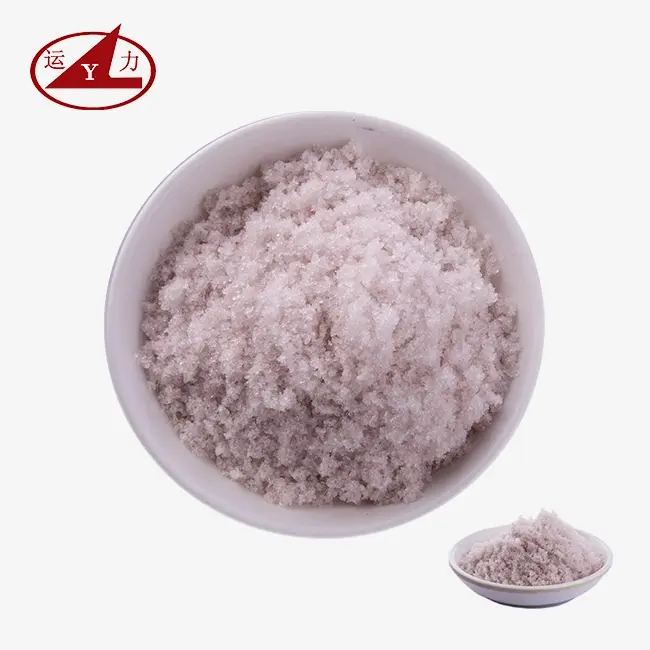
The formula for Iron Nitrate Nonahydrate is Fe(NO₃)₃·9H₂O, and its molecular weight is 404.01 g/mol. This purple solid substance has a specific density of 1.68 and a melting point of 47.2°C. It breaks down at temperatures around 125°C. The nonahydrate form is more popular in the market than the anhydrous form because it is more stable and easier to work with. Crystalline powders with particles ranging from 0.5 mm to 3 mm and pre-dissolved liquid concentrations that are perfect for spray uses or catalyst synthesis are among the forms that are available. The chemical is easily broken down in water, ethanol, and acetone, which makes it useful for a wide range of processes, such as electronic etching, metal cleaning, and mordanting textiles.
Reactivity Profile and Oxidizing Characteristics
This iron salt can oxidize because of the Fe³⁺ ion's electron affinity, which can speed up burning when mixed with organic chemicals. Industrial-grade Iron Nitrate Nonahydrate is usually ≥98% pure, with controlled impurity levels: chloride content below 100 ppm stops unwanted galvanic corrosion, and iron pollution below 30 ppm keeps catalyst selection in high-purity applications. Because the product is deliquescent, which means it absorbs moisture from the air to form a liquid solution, it needs to be stored below 25°C in climate-controlled conditions to keep it from caking while it's being shipped or stored.
Safety Considerations for Procurement Teams
When working with Iron Nitrate, you need to be aware that it can irritate the skin and cause exothermic reactions. International shipping rules say that it must be kept away from flammable materials, reducing agents, and alkaline substances because it is a Class 5.1 oxidant. When purchasing professionals look at suppliers, they should make sure they follow ISO 9001 quality standards, provide full MSDS paperwork, and make sure that foreign shipments have the right labels. It is very important to keep an eye on the temperature during transport, since temperatures above 40°C can cause parts of the product to melt and absorb water, which can damage it when it gets to its destination.
The Chemistry of Iron Nitrate Reacting with HCl
Reaction Mechanisms and Equilibrium States
There isn't a big change when Iron Nitrate meets hydrochloric acid because both of them are already stable ionic species in solution. The mixture is mostly made up of Fe³⁺, NO₃⁻, H⁺, and Cl⁻ ions that are all balanced. In theory, ligand exchange could create ferric chloride (FeCl₃) and nitric acid (HNO₃), but in real life, this process is still reversible and not fully completed. The final solution still has a high acidity level (pH 1.5–2.5) and an oxidizing potential, which can speed up metal rust in stainless steel tools that don't have enough passivation layers. When buying materials for acidic processing settings, purchasing managers should give priority to sellers who offer chloride-controlled grades (<50 ppm) to keep reactor vessels from cracking from stress corrosion.
Industrial Risk Factors and Equipment Compatibility
When these substances are mixed, they create an acidic and burning environment that makes it hard for processing facilities to choose the right materials. Pitting rust happens more quickly in carbon steel or low-grade stainless steel tanks and pipes, especially where seams and gaskets meet. For longer service life, high-nickel metals (like Hastelloy C-276) or tanks lined with fluoropolymer are good options. The mixture also gives off heat when it dissolves, so the rate at which it is added needs to be controlled to avoid temperature spikes in certain areas that could turn HCl into gas or break down nitrates too soon. Automated pH tracking and inert gas blanketing help operational teams keep fumes from escaping while batches are being prepared.
Comparative Analysis with Alternative Iron Salts
Comparing Iron Nitrate to ferric chloride (FeCl₃) and ferric sulfate (Fe₂(SO₄)₃) makes it easier to choose the right one for a given job. Because ferric chloride is more soluble and etches more aggressively, it is better for making PCBs but not as good for uses that are sensitive to rust caused by chloride. Ferric sulfate is cheaper than other ways to treat water, but it adds sulfate ions that can mess up some catalyst mixtures. Iron Nitrate Nonahydrate is the only substance that can be broken down thermally into pure iron oxides without leaving behind any halogen or sulfur leftovers. This makes it possible to make high-purity nanomaterials and pharmaceutical-grade intermediates. Buyers in the healthcare or technology industries should compare these differences to the level of contamination that is acceptable for that application and the infrastructure for treating trash.
Practical Applications and Considerations in Industry
Catalyst Manufacturing and Quality Control
Iron Nitrate Nonahydrate is an important ingredient in making methanol and selective hydrogenation catalysts. Its very low heavy metal content (≤10 ppm) makes the catalyst bed last longer and keeps the reaction selectivity. Keeping the pH stable between 1.5 and 3.0 during the catalyst impregnation stages stops metal from settling too quickly or spreading out unevenly across support structures. Suppliers who have ICP-MS and atomic absorption spectrometry can guarantee stability from batch to batch, which saves end users the cost of trying things out and seeing what works and what doesn't. To keep spray-drying processes common in catalyst production routines from getting clogged up, procurement teams should ask for Certificates of Analysis (COA) that show insoluble matter levels of less than 0.005%.
Textile and Metal Surface Treatment
In the textile industry, this chemical is used as a mordant to get deep black tones in dyeing cotton and silk. Formulations with less than 50 parts per million chloride stop fiber breakdown during long immersion. As a chromium-free option in electroplating pools, its trivalent iron content is used for metal surface conditioning. This is in line with RoHS and REACH regulations. Users say that zinc phosphate primer systems keep the same level of rust protection while cutting costs by 40% compared to hexavalent chromium methods. Getting technical help from sources who know about alkaline cleaning cycles and how to change the pH helps to get the best bath chemistry for a uniform finish on the surface.
Agricultural and Specialty Chemical Integration
Although Iron Nitrate is mostly used in industry, it can also be found in some hydroponic nutrient solutions for plants that are iron-deficient. It is better at being absorbed by plants than chelated alternatives in acidic growing media. When chemical makers mix Iron Nitrate with streams that contain HCl, they should keep an eye on the oxidation-reduction potential (ORP) all the time and make sure that the feed lines are kept separate to avoid organic materials getting into the mixture. Environmental compliance teams like it when sellers offer liquid solutions that are already mixed to the ratios that are needed. This gets rid of the risk of dust generation and cuts down on mistakes that happen during bulk transfers. These customization choices make it easier for distributors who work with a wide range of clients in the farming and commercial sectors to keep track of their stock.
Procurement Insights: Choosing the Right Iron Nitrate Supplier
Quality Certification and Documentation Standards
Suppliers you can trust give you a lot of safety information, like an MSDS that meets GHS Rev. 7 standards, batch-specific COA reports with test results from iodometric titration and proof of solid matter through gravimetric analysis. Systematic quality management is shown by ISO 9001 certification, and responsible environmental practices are shown by ISO 14001 certification. This is very important for sellers who have to go through strict regulatory checks. This company, Shanxi Yunli Chemical, is a great example of these standards. It has been in business for over 20 years and makes more than 1 billion yuan a year. Their three certifications (ISO 9001, ISO 14001, and OHSAS 18001) and 300 million yuan in fixed assets show that they are financially stable and have the production capacity needed for long-term supply deals.
Packaging Integrity and Logistics Considerations
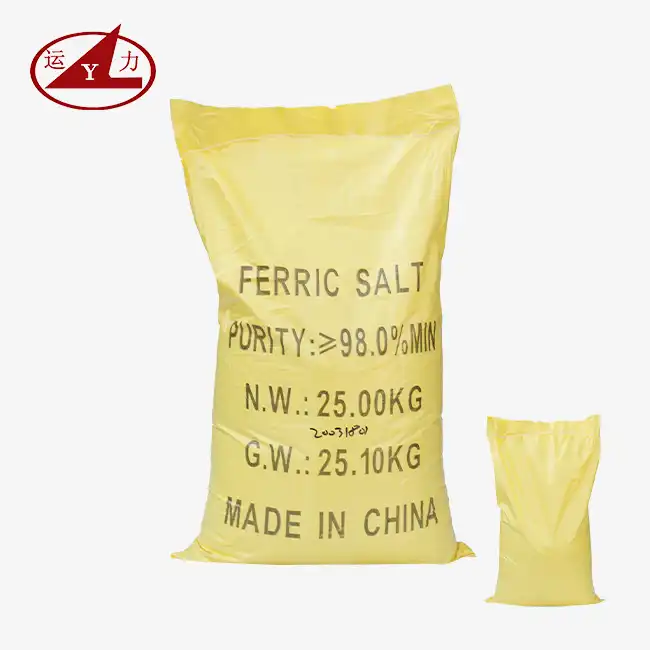
For international shipping, you need PE bags that don't absorb water or fiber drums with inner liners that keep the goods from going bad while they're in travel by ocean freight. Different buying amounts can be met by suppliers who offer a range of packing choices, such as 25 kg bags for test orders and 500 kg drums and ISO tanks for bulk contracts. Anti-caking agents and desiccant packets keep crystals stable in wet places, which cuts down on product loss and customer complains. Buyers should make sure that the provider has experience with temperature-controlled transportation, especially for deliveries to places where the temperature changes a lot during certain times of the year, which could cause the compound to melt before it's supposed to at 47.2°C.
Cost Optimization and Negotiation Strategies
Industrial-grade Iron Nitrate Nonahydrate is usually sold for between $800 and $1,200 per metric ton. The price depends on how pure it needs to be, how much is ordered, and how much the raw materials cost. Purchasing managers can get competitive prices by signing yearly contracts that promise minimum tonnage commitments. These contracts often include savings of 10–15% and priority production slots during times of high demand. By buying directly from the factory, you skip the markups that come from middlemen. Well-known companies like Yunli Chemical run their own export departments and offer free samples of up to 500 grams to make sure the quality is good. Reliable sellers are different from brokers who offer inconsistent quality because they have clear price structures and open payment terms, like LC at sight or 30-day net terms for return customers.
Safety, Storage, and Handling Best Practices
Temperature Control and Segregation Protocols
In order to keep Iron Nitrate Nonahydrate from absorbing water and crystallizing, storage sites must keep the air below 25°C and the relative humidity below 60%. There are fewer chances of conflict when there are designated areas at least 3 meters away from flammable liquids, combustible dusts, and alkaline materials. FIFO (first-in, first-out) principles should be used by warehouse managers to set up pallet turnover systems. This is because storing something for more than two years in less-than-ideal circumstances lowers its purity and raises its insoluble content. For distributors who manage goods across various regional hubs, climate-controlled spaces with dehumidification and air flow systems that run all the time are important.
Emergency Response and Spill Management
Accidental spills need to be contained right away using neutral absorbents like dry sand or vermiculite. Water-based cleanup methods, on the other hand, speed up the breakdown of the substance and spread the contamination. As required by local hazardous waste rules, people wearing acid-resistant PPE like nitrile gloves, face shields, and chemically resistant aprons should neutralize leftovers with a dilute sodium bicarbonate solution before throwing them away. Facilities that keep HCl stocks must put up clear signs showing unsuitable storage areas and make sure that safety showers and eyewash stations are within 10 seconds of areas where HCl is being handled. Response times to incidents and regulatory liabilities are kept to a minimum by teaching staff on MSDS procedures and holding regular drills.
Environmental Compliance and Waste Disposal
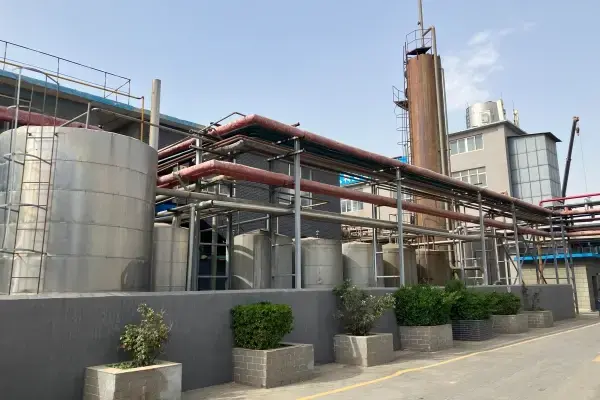
Before it can be released, wastewater that contains Iron Nitrate needs to have its pH adjusted and iron hydroxide precipitated. The cleaned water then meets regional standards for total dissolved solids and heavy metals. Yunli Chemical's well-established systems for treating wastewater and cleaning exhaust gases let OEM partners outsource production without having to build expensive environmental facilities. This is especially helpful for pharmaceutical and electronics clients who are being closely inspected by auditors. To get rid of old or contaminated batches, you have to follow the rules for hazardous waste classification D001 (ignitable) and D003 (reactive). This means you need approved haulers and documents that keep track of the material from when it is made to when it is finally treated. Contracts for buying things should make it clear who is responsible for getting rid of packaging and figuring out how to return reused containers like ISO tanks.
Conclusion
Despite not significantly changing chemically, Iron Nitrate and hydrochloric acid cohabit in industrial settings. However, because of their increased acidity and oxidative potential, their mix needs to be carefully managed. Professionals in procurement should choose providers that have recorded quality certifications, purity grades that can be changed, and a history of environmental compliance. By knowing about the features of the material, issues with compatibility, and the specific needs of the application, you can make smart choices about where to get it that balance cost-effectiveness with operating safety. Yunli Chemical has a 20-year track record, is a provincial technology center, and can customize all of its products. These are all qualities of a trusted seller that are needed to build long-term partnerships in the competitive chemical market.
FAQ
Is mixing iron nitrate directly with HCl safe in processing tanks?
When you mix these substances together, they don't respond violently, but they do make a very harmful and acidic solution that breaks down equipment faster. Using barrels sealed with high-nickel alloy or fluoropolymer keeps them from breaking down too soon. To safely handle exothermic breakdown heat, use controlled addition rates and constant pH monitoring.
Can iron sulfate or iron chloride substitute for iron nitrate in textile applications?
Each iron salt has its own unique properties that make it useful. Although ferric chloride is a strong mordanting agent, it can damage fibers. Iron sulfate is useful for uses that need to save money, but it pollutes with sulfate. Iron Nitrate is best for high-quality cloth dyeing that needs exact color fastness because it is efficient and leaves behind little residue.
What certifications verify industrial-grade iron nitrate reliability?
Important paperwork includes an ISO 9001 quality management certificate, a batch-specific COA reporting test that measures ≥98% using standard titration methods, and an MSDS that meets GHS standards. Environmentally responsible trash management is shown by suppliers with ISO 14001 certification, which lowers compliance risks for buyers in controlled industries.
Sourcing Premium Iron Nitrate from a Trusted Manufacturer
Yunli Chemical provides industrial-grade Iron Nitrate Nonahydrate that is specifically designed to meet the specific buying needs of the catalyst production, metal treatment, and specialty chemical industries. Our provincial technology center creates unique purity profiles, ranging from normal grades of 98% or less to ultra-pure formulations that reach 99.9% purity. The chloride content is kept below 50 ppm, and heavy metals are checked using ICP-MS analysis. Factory-direct supply cuts out middlemen and their fees, and the different types of packing, from 25 kg moisture-proof bags to large ISO tanks, make it possible for orders of any size to be filled.
We are an Iron Nitrate supplier with ISO 9001, ISO 14001, and OHSAS 18001 certifications, so you can be sure of steady quality, on-time delivery, and full expert support. Our self-run export section takes care of foreign shipping and provides legal paperwork and free samples of up to 500 grams to check the quality. Get in touch with wangjuan202301@outlook.com right away to talk about your unique needs and get access to over 20 years of production experience working with makers around the world.

References
1. Greenwood, N.N., & Earnshaw, A. (1997). Chemistry of the Elements (2nd ed.). Butterworth-Heinemann, Oxford.
2. Perry, R.H., & Green, D.W. (2008). Perry's Chemical Engineers' Handbook (8th ed.). McGraw-Hill Professional.
3. International Labour Organization. (2018). Safety in the Use of Chemicals at Work: Code of Practice. Geneva: ILO Publications.
4. American Chemical Society. (2020). Reagent Chemicals: Specifications and Procedures for Reagents and Standard-Grade Reference Materials (12th ed.). Washington, DC: ACS.
5. National Institute for Occupational Safety and Health. (2019). NIOSH Pocket Guide to Chemical Hazards. U.S. Department of Health and Human Services, Publication No. 2019-134.
6. European Chemicals Agency. (2021). Guidance on the Compilation of Safety Data Sheets, Version 4.0. Helsinki: ECHA.