


What color flame does cupric nitrate produce?
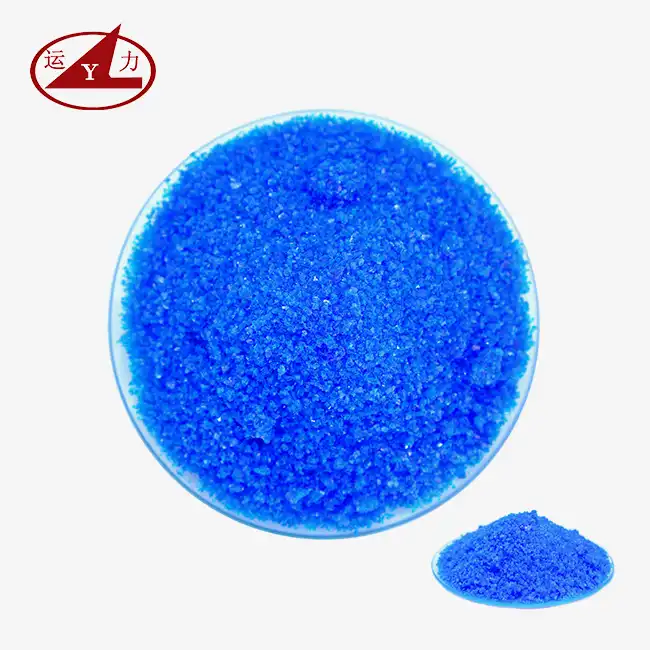
Cu(NO₃)₂·3H₂O, which is Cupric Nitrate trihydrate, gives off a unique blue-green flame when heated. This is because copper ions are excited. When copper atoms take in heat, their electrons jump to higher energy levels. When they return to ground state, they release photons in the blue-green spectrum. This unique flame color is a basic way to identify things in analytical chemistry, quality control, and purchasing verification processes in fields like making catalysts, electroplating, and farming formulations.
Understanding Cupric Nitrate and Its Flame Color
The Chemical Basis of the Blue-Green Flame
Copper salts cause a blue-green light because of certain electron shifts inside the structure of the copper ion. The Cu²⁺ ion is paired with nitrate groups and water molecules in Cupric Nitrate. The energy changes this coordination when the copper is heated, and electrons in its d-orbitals get excited. When they get back to their fixed shape, they give off light with wavelengths between 500 and 520 nanometers, which is in the blue-green part of the visible range. This makes flame testing a useful way to check the identity of products during reviews of raw materials, since technical experts can quickly do it without having to use complicated lab equipment.
Comparing Copper Compounds in Flame Tests
Cupric Nitrate has a blue-green flame, but other copper salts have similar but slightly different effects because of differences in how the anions affect the substance and how it breaks down at high temperatures. Copper sulfate (CuSO₄) also burns with a blue-green light, but it breaks down differently, giving off sulfur dioxide gas when it gets hot. The color of cupric chloride (CuCl₂) is a little green because of chloride disturbance. These differences are important in quality assurance settings where suppliers might accidentally use chemicals that look the same. These small differences in the flame test, along with certificates of analysis (COA) and ICP-MS proof, are used by procurement managers to make sure that materials are real and to avoid expensive production delays caused by wrong raw materials.
Practical Applications in Quality Verification
Flame testing is still useful in the industrial world, especially for getting checks and making sure materials are correct on-site before they are used on a big scale. The flame test is the first thing that should be done when buying tons of Cupric Nitrate for making catalysts or treating metal surfaces. With a platinum wire loop and a Bunsen burner, technical staff can quickly do this test and look at the unique color before moving on to more thorough scientific testing. This method lowers the chance of processing batches that are contaminated or have the wrong labels. This protects the standard of production further down the line and keeps ISO 9001 quality management systems in line.
Technical Insights into Cupric Nitrate Usage and Handling
Safe Storage Protocols for Industrial Environments
Cupric Nitrate trihydrate absorbs water and is sensitive to it, so it needs to be stored in a controlled way to keep its structure and avoid safety risks. This oxidizing agent should be kept in cool, dry places that are below 25°C and have a relative humidity of less than 50%. Containers must have tight lids and be made of materials that are suitable, like lined drums or high-density polyethylene. Moisture not only causes clumping and melting, but it also lowers clarity by raising the amount of insoluble matter above what is allowed. Proper keeping has a direct effect on purchase economics, since degraded materials lead to higher rates of consumption and higher costs for getting rid of trash.
Transportation and Compatibility Considerations
Cupric Nitrate is a UN 1477 Class 5.1 oxidizing solid that needs to be kept away from flammable materials, reducing agents, and organic substances while it is being stored and transported. In the United States, shippers must follow DOT rules, and for foreign shipping, they must follow IMDG codes. Because of the chance of exothermic reactions, the substance should never be kept near liquids that can catch fire, compounds that contain sulfur, or metal powders. Proper segregation procedures protect both worker safety and product quality for distributors who handle multiple chemical stockpiles. They also lower risk exposure and insurance premiums.
Environmental Compliance and Disposal Methods
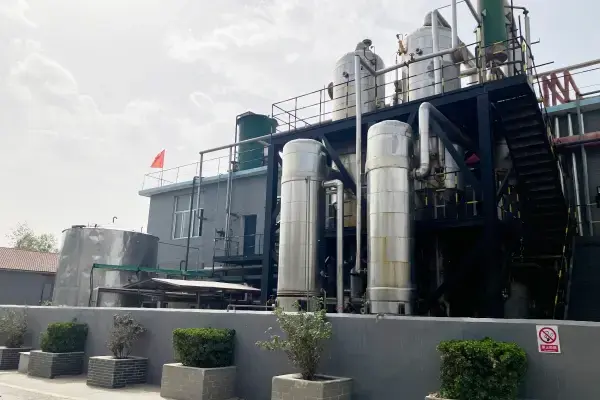
EPA rules and state environmental standards must be followed when getting rid of Cupric Nitrate trash streams. The copper ions in the material make it potentially harmful to aquatic life, so straight release is not an option. Usually, industrial facilities use alkaline chemicals and precipitation methods to turn dissolved copper into copper hydroxide sludge. This sludge can then be recycled or thrown away by licensed hazardous waste workers. Because Yunli Chemical has a lot of experience with treating nitrate wastewater, we can give buying teams a big edge. We can help customers stay in line with environmental regulations without them having to hire a lot of experts.
Comparison and Selection: Cupric Nitrate vs Other Copper Compounds
Chemical Stability and Solubility Differences
Cupric Nitrate dissolves more easily in water than copper sulfate and cupric chloride. It can be easily mixed with water or ethanol to make acidic liquids. Because it dissolves easily, this high solubility is helpful when making liquid fertilizer and catalysts, where even spread is important. Copper sulfate pentahydrate is also soluble, but it adds sulfate ions that can make some electroplating methods or catalyst formulations less effective. Because chloride ions are active, cupric chloride can cause rust in stainless steel equipment. When technical engineers choose between these compounds, they have to think about how well they will work with other chemicals, what materials can be used, and the chemical setting where they will be used.
Powder versus Solution Formulations
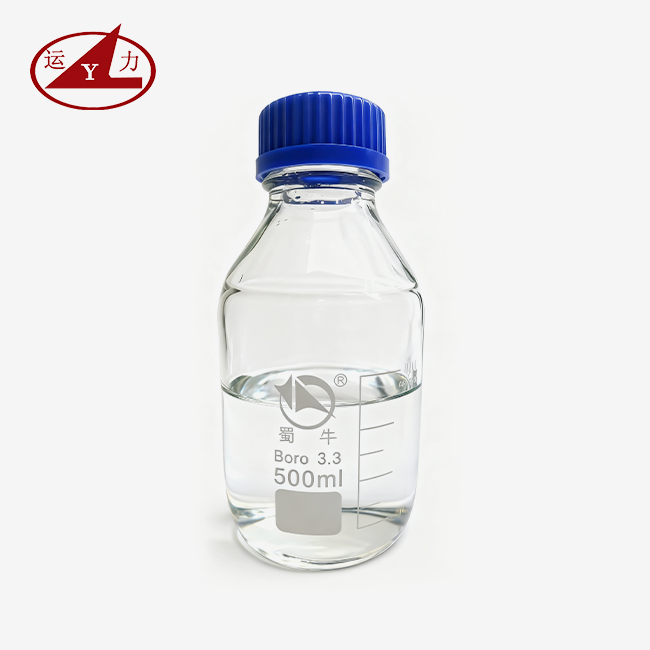
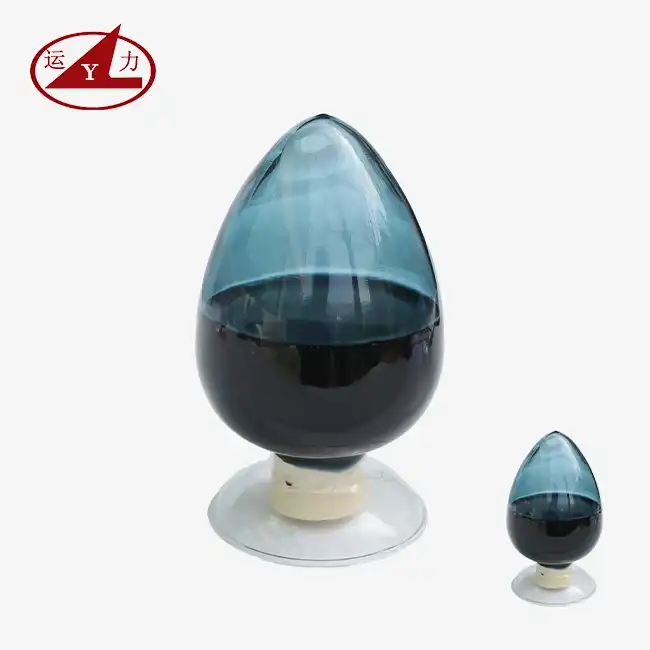
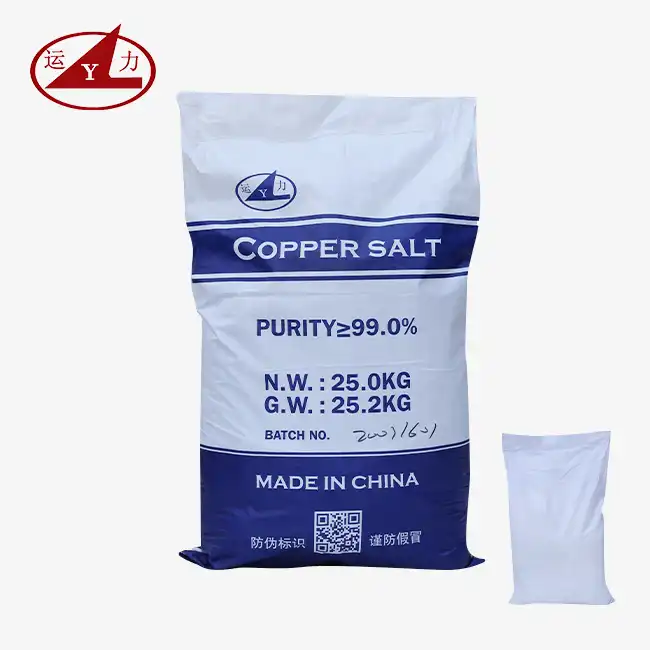
Yunli Chemical sells both solid powder and pre-dissolved water solutions of Cupric Nitrate. Each is easier to work with in its own way. Powder types give you more storage options and a longer shelf life. You can also change the purity level up to 99.99% for tough uses like pharmaceutical intermediates or electronic materials. Pre-dissolved solutions get rid of the need for on-site dissolving steps. This saves about 30% of the work and reduces the risk of exposure during handling. Ready-to-use liquid mixtures are especially helpful for metal finishing operations because they can be added right away to soldering baths without having to wait for mixing and quality checks of dissolved batches.
Cost-Effectiveness Analysis for Procurement
Cupric Nitrate prices depend on the purity grade, the amount ordered, the packing needs, and the operations of the area. High-purity grades (≥99.5% purity) are more expensive than industrial grades (98–99% purity), but they serve different markets. When you buy things in bulk by the ton, you get big savings and lower shipping costs per unit. The total cost of ownership should be looked at by procurement experts. This should include things like storing stability, handling needs, and performance for specific applications. Yunli Chemical's factory-direct plan gets rid of markups for distributors, so the company can offer affordable prices while still meeting quality standards set by the ISO 9001 and ISO 14001 management systems.
Procurement Guide for Cupric Nitrate: What B2B Buyers Need to Know?
Identifying Reliable Suppliers and Manufacturers
Qualifying a supplier is an important part of buying things, especially for businesses that need to make sure quality and compliance with regulations stay high over long contracts. Verified manufacturers should show that they are ISO 9001 certified, keep accredited testing labs with tools like ICP-MS and atomic absorption spectrometers, and give full documentation, such as Material Safety Data Sheets (MSDS), Certificates of Analysis (COA), and records of environmental compliance. The fact that Yunli Chemical is a provincial-level company technology center and has been in business for twenty years shows that it is technically strong and financially stable. This lowers the risk in the supply chain for buying managers who are in charge of finding long-term raw material sources.
Certification and Regulatory Requirements
Industrial users in the pharmaceutical, electroplating, and battery production sectors have to deal with strict regulations that require proof of purity and tracking. Assay values, trace metal levels (iron, nickel, lead), insoluble matter, and pH traits must be confirmed by batch-specific COAs from suppliers. Manufacturers who want to sell their goods abroad must follow worldwide standards like ACS Reagent Grade or specific customer requirements. Yunli Chemical has run its own export business and worked with big foreign clients, so it knows how to navigate the different rules and regulations in the US, Europe, and the Asia-Pacific markets. This makes the customs processing and paperwork processes go more smoothly.
Pricing Factors and Regional Availability
Copper metal prices, nitric acid costs, production capacity usage, and regional demand trends are just a few of the market factors that affect Cupric Nitrate pricing. North American buyers benefit from direct trade relationships that cut out multiple levels of distribution. This lowers the cost of goods arriving at their destination while keeping quality standards. Buyers should ask for specific quotes that include the grade of the product, how it will be packed (25 kg bags, 1000 kg intermediate bulk cases, or custom sizes), the terms of delivery (FOB, CIF), and how the money will be paid. Yunli Chemical's flexible cooperation model meets the needs of a wide range of buyers. For initial trials, there are no minimum order amounts, and samples of up to 500 grams are provided for free, making seller approval testing easier.
Application Spotlight: Industrial and Agricultural Uses of Cupric Nitrate
Catalyst Manufacturing and Chemical Synthesis
Cupric Nitrate is used to make copper oxide (CuO) catalysts, which are then used in the production of methanol, organic oxidation processes, and emission control systems for cars. When Cupric Nitrate breaks down at high temperatures, it makes copper oxide with a lot of surface area without adding salt or sulfate impurities that stop the catalytic activity. Our standard for ultra-low iron content (≤30 ppm) makes sure that the catalyst lasts a long time and works the same way in every production batch. Adjusting the pH of formulas keeps the reaction conditions ideal during the precipitation and calcination steps. This lowers process variability and raises yield rates for companies that make catalysts for the industrial and automobile industries.
Metal Surface Treatment and Electroplating
When electroplating, Cupric Nitrate is used for specific tasks, like making copper blacker and adding copper ions to some plating bath mixtures. The material can dissolve completely and has a controlled purity profile that keeps rough layers and short circuits from happening in fine-line electronics manufacturing, like making printed circuit boards. RoHS-compliant formulas follow environmental rules and keep up with performance standards. Yunli Chemical delivers liquid mixtures that cut down on dissolution time and contact at work. These help metal finishing shops be more productive while also meeting stricter health and safety rules.
Agricultural Micronutrient Delivery
Copper deficiencies in high-value crops like citrus, veggies, and wheat can be fixed with water-soluble fertilizers that contain Cupric Nitrate. The nitrate form is better for plants than copper salts, which are less available. This means that plants can quickly absorb it when applied to leaves or dirt. Our heavy metal control guideline (<10 ppm) meets the standards for organic farming, such as the requirements for OMRI certification. This creates new markets for fertilizer blenders that serve high-end agricultural areas. Because it dissolves completely, it can be mixed with NPK base mixes and other vitamins without any of the problems that come up with copper formulations that precipitate.
Conclusion
Cupric Nitrate produces a unique blue-green flame that is more than just an interesting scientific wonder. It is also a useful tool for checking the quality of products as part of larger buying and quality assurance programs. Knowing this feature, along with the compound's chemical properties, how to handle it, and its benefits for certain uses, helps technical engineers and buying managers make smart choices about where to get it. By choosing the right copper compound and working with well-known companies like Yunli Chemical, which has a provincial technology center accreditation, full ISO certifications, and 20 years of production experience, you can be sure of a stable supply chain, regulatory compliance, and consistent product performance in a wide range of demanding industrial applications.

FAQ
What safety precautions are necessary during flame testing of Cupric Nitrate?
Flame testing should only be done in places with good air flow or fume hoods, because the process of burning creates nitrogen dioxide gas, which is harmful to lungs and can make them itch. Operators must wear the right safety gear, like lab coats, safety glasses, and gloves that can handle chemicals. To keep smoke from making too much, use small amounts of samples on a clean platinum or nichrome wire loop. Cupric Nitrate is a strong oxidizer that can make nearby materials burn faster, so keep fire control tools close at hand.
How do international transport regulations affect Cupric Nitrate shipping?
Cupric Nitrate needs special packing, labeling, and paperwork for both domestic and foreign shipping because it is a UN 1477 Class 5.1 oxidizing solid. Because of the oxidizer label, there are more limits on air travel. IMDG rules for maritime shipping require keeping burning materials separate and making sure containers have enough air flow. Yunli Chemical's self-run export department handles all of these complicated rules, making sure that the right paperwork is sent and that it meets the import requirements of the target country. This keeps receiving companies from having to wait in customs lines or face fines.
What distinguishes high-purity Cupric Nitrate from industrial grades in procurement catalogs?
High-purity grades (≥99.5%) have trace metal levels that are carefully controlled. These metals include iron (≤10 ppm), nickel, lead, and other metal impurities that can get in the way of sensitive processes like catalyst synthesis and electronic materials. Industrial grades (98–99%) are cheaper and meet most industrial needs. The standards for procurement should match the needs of the end-use. For example, companies that make catalysts and pharmaceutical intermediates usually need high-purity grades, while metal treatment and some farming uses can get by with industrial grades, which is best for saving money.
Partner with Yunli Chemical for Certified High-Purity Cupric Nitrate Supply
Finding a reliable Cupric Nitrate supplier takes more than just finding one with good prices. You also need to make sure that they can manufacture the product, offer technical help, and follow all the rules so that your production doesn't stop. All three are provided by Yunli Chemical through its provincial-level technology center, full ISO 9001/14001/OHSAS certifications, and twenty years of experience working with electroplating, catalyst, fertilizer, and specialty chemical makers around the world. Our adjustable purity standards, flexible packing options, and factory-direct prices get rid of the costs of middlemen while ensuring uniform quality that is checked by advanced ICP-MS testing. You can email our technical team at wangjuan202301@outlook.com to get free samples of up to 500 grams, talk about your unique application needs, and find out how our manufacturing experience can help you improve the quality and performance of your supply chain.
References
1. Cotton, F.A., & Wilkinson, G. (1988). Advanced Inorganic Chemistry (5th ed.). John Wiley & Sons, New York.
2. Dean, J.A. (1999). Lange's Handbook of Chemistry (15th ed.). McGraw-Hill Professional, New York.
3. Patnaik, P. (2003). Handbook of Inorganic Chemicals. McGraw-Hill Professional, New York.
4. Greenwood, N.N., & Earnshaw, A. (1997). Chemistry of the Elements (2nd ed.). Butterworth-Heinemann, Oxford.
5. American Chemical Society (2011). Reagent Chemicals: Specifications and Procedures for Reagents and Standard-Grade Reference Materials (10th ed.). Oxford University Press, Oxford.
6. United States Environmental Protection Agency (2020). Hazardous Waste Management Guidelines for the Metals Finishing Industry. EPA Publication 530-R-20-001, Washington, DC.