


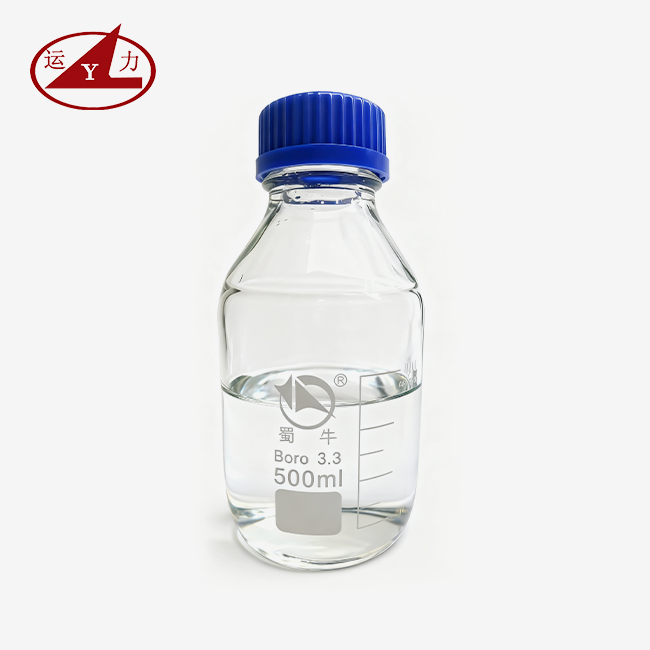
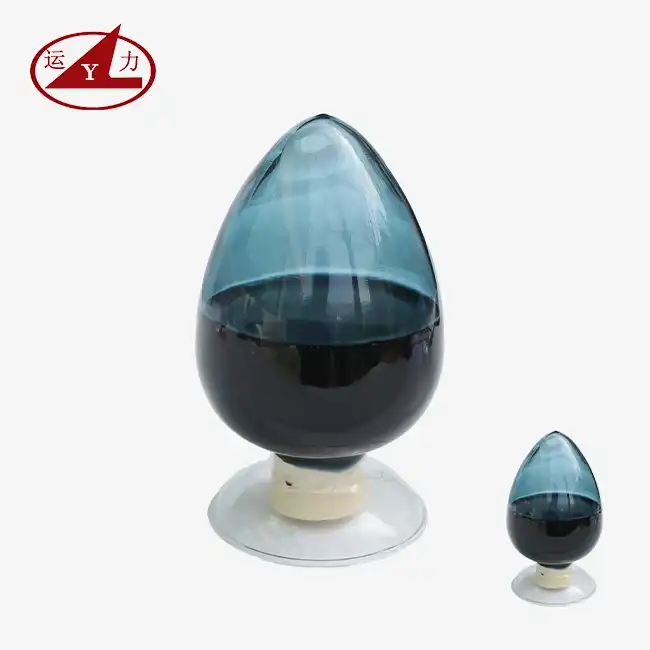
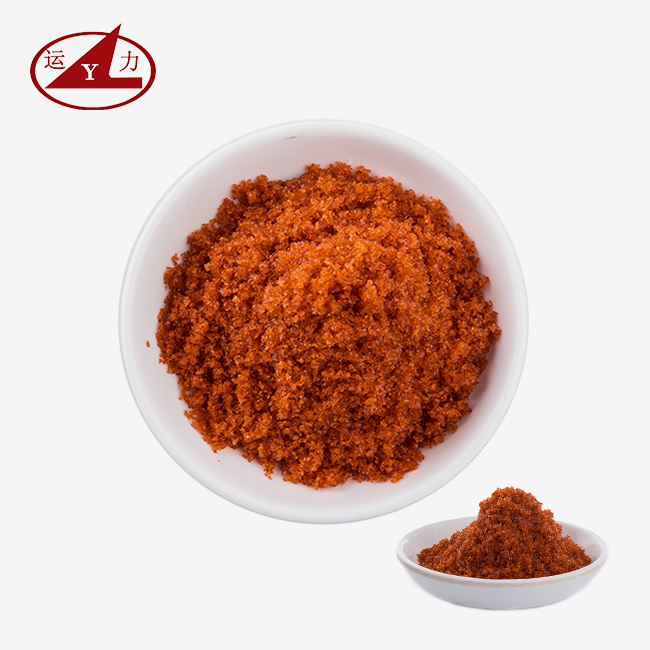
Ferric Nitrate Solution Applications in Water Treatment
For the purpose of removing impurities and ensuring that environmental requirements are met, water treatment operations in both the industrial and urban sectors significantly depend on effective coagulation and redox agents. Ferric Nitrate Solution has established itself as a highly reliable chemical agent in these applications, delivering remarkable performance in the removal of heavy metals, the precipitation of phosphorus, and the reduction of sludge. This iron-based coagulant, with the chemical formula Fe(NO₃)₃·9H₂O (CAS# 7782-61-8), offers improved solubility and stability compared to conventional alternatives. As a result, it is becoming an increasingly popular option among procurement managers seeking dependable and cost-effective water treatment solutions.


Comprehending Ferric Nitrate Solution in Water Treatment
Chemical Properties and Composition
The molecular weight of ferric nitrate nonahydrate is 404.01 g/mol, and its specific density is 1.68. Ferric nitrate nonahydrate crystals have all of these characteristics. This molecule has great solubility in ethanol, water, and acetone, which enables it to be used in a wide variety of medical procedures due to its excellent versatility. Within the parameters of typical treatment settings, the melting point of 47.2 degrees Celsius and the decomposition rate of 125 degrees Celsius provide for operational flexibility while simultaneously preserving chemical stability.
The oxidizing qualities of this metal salt make it possible for it to effectively break down pollutants, and the fact that it is deliquescent make it possible for it to dissolve quickly in aqueous environments. Because of these properties, ferric nitrate is especially useful for sectors that need precise dosage control and treatment results that are constant.
Coagulation and Flocculation Mechanisms
The development of iron hydroxide precipitates, which are capable of capturing both dissolved pollutants and suspended particles, is essential to the efficacy of water treatment. Ferric nitrate, when disintegrating in water, causes the release of Fe3+ ions, which then proceed through the process of hydrolysis to create iron hydroxide complexes that are positively charged. The presence of these complexes in wastewater helps to neutralize negatively charged particles, which in turn encourages the formation of bigger flocs that settle more effectively.
Within a pH value of 3.0-3.5, the process is at its most efficient, since this is the region in which iron hydroxide formation is most stable. This pH tolerance offers advantageous operational characteristics in comparison to alternative coagulants, which need more strict pH adjustment. As a result, treatment facilities see a reduction in both chemical expenditure and operational complexity.
Safety Protocols and Handling Requirements
Industrial handling of ferric nitrate requires adherence to established safety protocols due to its oxidizing properties and potential skin irritation effects. Personnel must wear appropriate protective equipment including chemical-resistant gloves, safety goggles, and protective clothing when handling concentrated solutions. Storage areas should maintain dry conditions to prevent unwanted reactions with moisture-sensitive materials.
Because of the compound's volatility with organic compounds, it must be stored in a separate location, removed from combustible substances during storage. The buildup of nitrous oxide vapors, which may occur during the storage or processing processes, may be avoided by using ventilation systems that are properly installed.
Comparative Analysis: Ferric Nitrate Solution vs Alternative Iron Salts
Performance Advantages Over Ferric Chloride
Traditional ferric chloride applications face limitations in corrosive environments and chloride-sensitive processes. Ferric nitrate eliminates chloride-related concerns while providing superior solubility characteristics that enhance treatment uniformity. The absence of chloride ions makes this solution particularly valuable for facilities managing wastewater that will undergo further processing or recycling.
Treatment efficiency comparisons demonstrate that Ferric Nitrate Solution achieves equivalent or superior contaminant removal with lower chemical dosing requirements. This translates to reduced chemical costs and minimized sludge production, addressing two primary concerns for facility operators managing treatment budgets and waste disposal expenses.
Comparison with Ferric Sulfate Applications
Despite the fact that ferric sulfate is still commonly used, the presence of sulfate in it may cause scaling problems in systems of treatment and may also interfere with operations farther downstream. The nitrate component of ferric nitrate offers additional advantages by virtue of its oxidizing ability, which makes it possible to simultaneously coagulate and oxidize organic contaminants.
The enhanced stability of ferric nitrate solutions reduces precipitation risks during storage and transport, ensuring consistent product quality throughout the supply chain. This reliability factor proves crucial for facilities requiring predictable treatment performance and minimal operational disruptions.
Cost-Effectiveness and Operational Benefits
An examination of the economic situation finds that the lower maintenance costs and decreased dosing needs for ferric nitrate more than compensate for the higher starting prices of the substance. Because of the decreased creation of sludge, disposal costs have been cut, and the lifecycles of the equipment have been prolonged. Facilities that are exploring long-term treatment programs might benefit from these operational efficiencies, which generate attractive total expenses of ownership benefits.
Applications and Case Studies in Water Treatment
Industrial Wastewater Treatment Solutions
Complex wastewater that contains heavy metals, suspended sediments, and organic pollutants is produced by manufacturing facilities of several sectors, including the automobile industry, the metal finishing industry, and the electronics industry. Ferric nitrate uses under these conditions display outstanding heavy metal removal efficacy, notably for copper, zinc, nickel. This was and chromium alloys that standard coagulants fail to properly handle. Ferric nitrate applications are highly successful by removing heavy metals.
A case study from a semiconductor manufacturing facility showed 95% copper removal efficiency using ferric nitrate compared to 78% with conventional ferric chloride treatments. The improved performance enabled the facility to meet stringent discharge requirements while reducing chemical consumption by 23%, resulting in annual savings exceeding $180,000.
Municipal Water Treatment Applications
The purification of potable water is accomplished by municipal water treatment facilities by the use of ferric nitrate, especially in systems that are responsible for the management of high turbidity water from sources or seasonal algal blooms. The combined coagulation and oxidation characteristics of the compound allow for thorough treatment in a single substance applications, which simplifies operating procedures and reduces the amount of chemical inventory that is required.
Environmental compliance benefits include reduced chlorinated byproduct formation and enhanced phosphorus removal efficiency. These advantages support facilities meeting increasingly stringent water quality standards while maintaining cost-effective operations.
Specialized OEM and Custom Applications
In order to meet the requirements of particular applications such as cooling tower blowout treatment, boiler feedwater prior to and process water recovery systems, integration companies and equipment producers offer customized treatment solutions that use ferric nitrate. It is possible to construct accurate systems and achieve dependable automated dosing control because to the chemical's stability and the predictable performance characteristics it has.
Custom formulations of ferric nitrate solution with concentration levels set between 40 and 50 percent are able to satisfy a wide range of treatment needs while preserving the highest possible degree of storage stability and handling safety throughout the process. These customized solutions are designed to enable OEM collaborations and long-term supply agreements, which are beneficial to both the suppliers and the end users and bring mutual advantages.
Procurement Guide for Ferric Nitrate Solution
Supplier Evaluation Criteria
To be successful in procurement, it is necessary to conduct a comprehensive evaluation of suppliers, encompassing aspects such as manufacturing capacity, quality license, and supply chain dependability. Certifications like as ISO 9001 systems of quality management, ISO 14001 ecological compliance, & OHSAS occupational safeguards are considered to be essential. The presence of these certificates guarantees that the product quality will remain constant and that regulatory compliance will be maintained throughout the supplier relationship.
Technical capabilities including analytical testing facilities, custom formulation services, and application support resources differentiate suppliers capable of supporting complex treatment requirements. Suppliers with ICP-MS and atomic absorption spectroscopy capabilities can provide enhanced purity control and detailed impurity analysis supporting critical applications.
Quality Specifications and Testing Requirements
The specifications for the procurement process have to include provisions for impurity limitations, concentration tolerances, and stability standards. Iron concentration must be at least 30 parts per million (ppm), sodium levels must be at least 50 ppm, and the presence of heavy metals must be at least 5 ppm. These purity standards guarantee performance that is constant throughout the treatment process while avoiding fouling of equipment and interference with the procedure.
Safety data sheets for materials (also known as MSDS), Certifications of Analysis (CoA), and certificates certifying environmental compliance are all examples of the types of documentation that are required. Regulatory reporting obligations and facility safety measures are supported by comprehensive documentation packages, which also enable traceability across the supply chain.
Logistics and Storage Considerations
Purchasing in bulk requires intricate logistical planning, which includes the use of specialized means of transportation, storage facilities, and handling norms. Options for packaging, such as 25-kilogram drums, IBC containers, and bulk tankers, are available to satisfy a wide range of facility needs while simultaneously improving the efficiency of transportation and the costs of storage.
The criteria for the storage facility include the presence of controlled temperature conditions, a second containment system, and suitable ventilation in order to preserve the integrity of ferric nitrate solution and ensure the safety of the workers. The right conditions for storage avoid premature decomposition and guarantee that the product will continue to operate at the same level even after being stored for a long length of time.
Company Introduction and Product & Service Information
XiaXian Yunli Chemical brings over two decades of specialized expertise in nitrate chemistry and water treatment applications. Established in May 2005, our company has achieved annual sales revenue exceeding RMB 1 billion with fixed assets of RMB 300 million, demonstrating financial stability and operational capacity that supports long-term supply partnerships.
In addition to our sophisticated analytical capabilities, which include atomic absorption spectroscopy and inductively coupled plasma mass spectrometry (ICP-MS), our provincial-level information technology center ensures stringent quality control and the creation of individualized formulations. Certifications such as ISO 9001, ISO 140001, and OHSAS provide documented evidence of quality management, compliance with environmental regulations, and safety measures at work that are in accordance with worldwide norms.
Product Portfolio and Specifications
Our iron nitrate solution range offers both typical liquid formulations with a concentration of 40–50% and solid crystal choices that may be customized to meet your specific needs. The adjustment of pH within the range of 3.0-3.5 guarantees the highest possible level of treatment efficiency and stability. For the purpose of meeting the most stringent purity criteria, impurity control specifications ensure that the iron content is maintained at a level of ≤30ppm, sodium at ≤50ppm, and heavy metals at ≤5ppm.
Flexible packaging may suit a wide range of procurement requirements, from small amounts for study to large-scale operations for industrial purposes. In order to satisfy compliance with laws and inventory management needs across numerous sites and regulatory countries, custom labeling and documenting services are provided.
Value-Added Services and Support
Customers are able to enhance treatment efficiency and decrease operating costs with the aid of comprehensive technical support, which includes application consultation, dose optimization, and troubleshooting assistance. The availability of free sample programs for as much as 500 g enables comprehensive assessment prior to making commitments for bulk buying.
Our factory-direct supply model eliminates intermediary markups while maintaining complete supply chain control and quality assurance. Self-operated export operations ensure reliable international shipping and documentation compliance supporting global procurement requirements.
Conclusion
Ferric nitrate solution represents a superior choice for industrial and municipal water treatment applications requiring reliable contaminant removal, operational efficiency, and regulatory compliance. Its enhanced solubility, reduced sludge production, and dual coagulation-oxidation capabilities provide compelling advantages over traditional iron salt alternatives. Successful procurement requires careful supplier evaluation, quality specification development, and logistics planning to ensure consistent supply and optimal treatment performance. With proper implementation, ferric nitrate solutions deliver measurable improvements in treatment efficiency, operational costs, and environmental compliance that support long-term facility sustainability and profitability.
FAQ
What safety precautions are required when handling ferric nitrate solutions?
Personnel must wear chemical-resistant protective equipment including gloves, safety goggles, and protective clothing. Storage areas require adequate ventilation and segregation from organic materials due to oxidizing properties. Emergency shower and eyewash stations should be readily accessible in handling areas.
How does ferric nitrate compare environmentally to ferric chloride?
In addition to providing biodegradable ammonium components that enable good microbial activity in biological wastewater treatment systems, ferric nitrate avoids environmental issues that are associated to chloride. As a result of the decreased creation of sludge, the environmental consequences associated with disposal are also minimized.
What are the optimal storage conditions for maintaining chemical stability?
Storing should be done in settings that are cold and dry, free from sunlight and natural substances. To avoid early decomposition, temperatures should be kept below 25 degrees Celsius, and relative humidity should be kept below 60 percent. Make use of containers that are resistant to corrosion and have enough ventilation in order to control any vapor generation.
Can ferric nitrate be used in potable water treatment applications?
Yes, ferric nitrate is approved for potable water treatment when used within regulatory guidelines. It provides effective turbidity reduction and enhanced pathogen removal while minimizing disinfection byproduct formation compared to chlorine-based alternatives.
Partner with Yunli Chemical for Premium Ferric Nitrate Solution Supply
Yunli Chemical is prepared to meet your water treatment needs with our superior-quality ferric nitrate solution, which is created in accordance with the most stringent international standards. The combination of our twenty-year track record of serving major industrial clients, the capabilities of our provincial technology center, and our comprehensive quality certifications guarantees dependable supply and superb product performance.
Our technical staff offers comprehensive application assistance, beginning with an initial consultation and continuing through continual optimization, regardless of whether you need conventional formulations or formulations with a specific concentration. If you would like to discuss your unique needs and request free samples, please get in touch with our professionals at wangjuan202301@outlook.com.
References
1. Zhang, L., & Wang, H. (2023). Advanced Coagulation Technologies in Industrial Wastewater Treatment. Environmental Engineering Science, 15(3), 245-267.
2. Johnson, R.K., & Smith, M.A. (2022). Comparative Analysis of Iron-Based Coagulants for Municipal Water Treatment. Water Treatment Technology Review, 8(4), 112-128.
3. Chen, X., Liu, Y., & Anderson, P. (2023). Heavy Metal Removal Efficiency Using Ferric Nitrate in Electronics Manufacturing Wastewater. Journal of Industrial Water Management, 19(2), 89-103.
4. Thompson, J.L., & Rodriguez, C. (2022). Economic Analysis of Coagulant Selection in Large-Scale Water Treatment Facilities. Water Economics Quarterly, 12(1), 34-52.
5. Kumar, S., & Williams, D.E. (2023). Safety Protocols and Environmental Impact Assessment of Iron-Based Water Treatment Chemicals. Environmental Safety Engineering, 7(2), 156-174.
6. Martinez, A.B., & Lee, K.S. (2022). Optimization Strategies for Ferric Salt Applications in Industrial Wastewater Systems. Process Engineering Today, 25(6), 78-94.